The stealth game genre has changed quite a bit over the years. Icons like Sam Fisher, Solid Snake, and Garrett have been more or less cast back into the shadows in the modern day where the genre doesn’t have as much of a leader as it used to. There are still plenty of games with stealth in them, but many of them aren’t primarily stealth games; the onslaught of first-person horror games that pressure players to tiptoe around ugly freaks illustrates this idea of stealth being a secondary genre well. And, as such, many of the stealth-focused franchises are either dormant or have mainly been showing up recently in remakes, remasters, or cameos in other games.
Videos by ComicBook.com
Here are five stealth game series that crept silently into the night and should make a comeback.
5) Tenchu
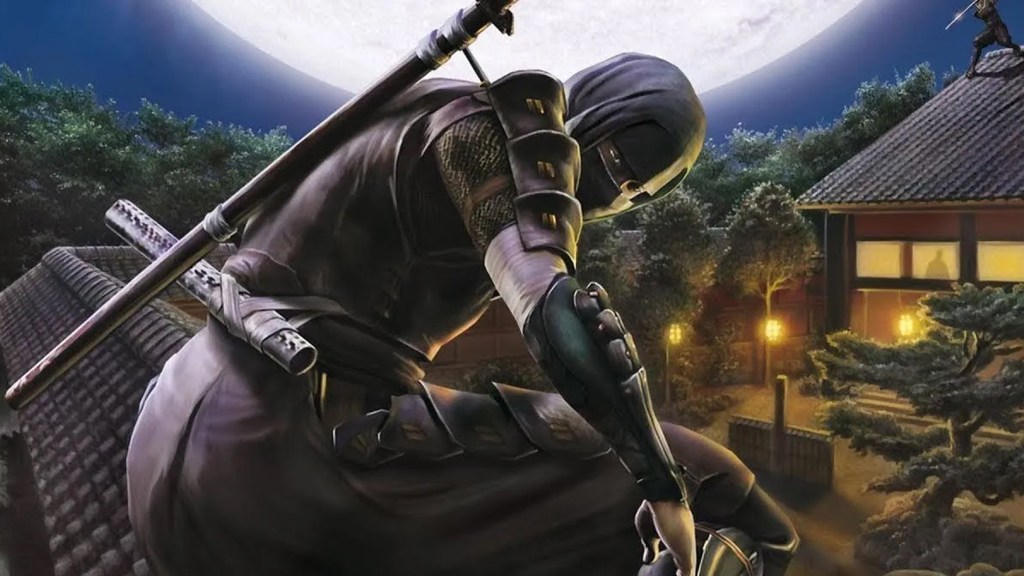
Ninjas are always in vogue. 2025 alone had many such sneaky games starring ninjas like Ghost of Yotei, Shinobi: Art of Vengeance, Ninja Gaiden: Ragebound, Ninja Gaiden 4, Ninja Gaiden 2 Black, Assassin’s Creed Shadows, and Teenage Mutant Ninja Turtles: Splintered Fate, and Teenage Mutant Ninja Turtles: Tactical Takedown. But Tenchu has not enjoyed a modern revival, something unbecoming for a series this influential.
Tenchu was renowned for its more methodical approach to stealth, as players were limited in the tools they were able to wield. This is unlike most other stealth games where freedom is the order of the day, but this does not mean a new Tenchu wouldn’t be able to hang in the modern day. A more tactical game where players are encouraged to scrounge for supplies or be resourceful would balance out many of the other stealth games where ammo is abundant and getting caught isn’t all that punishing. There’s plenty of potential here (especially for FromSoftware, which now owns the IP) and while the name might not mean much anymore, that hasn’t stopped games like Ninja Gaiden and Shinobi, both of which were reborn after many years of neglect.
4) Sly Cooper
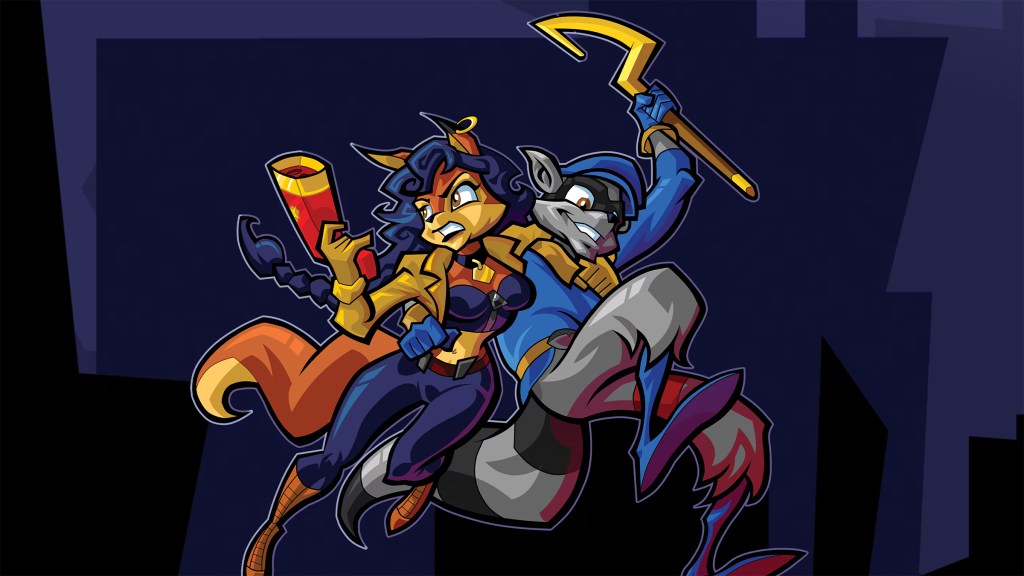
Sly Cooper was one of PlayStation’s big platformer franchises during the PS2 heyday, but instead of being strictly a platformer, this Sucker Punch Productions-developed series had a sneaky bent to it. Players had to utilize the acrobatic skills of its raccoon protagonist to creep around spotlights, pickpocket guards, and steal valuable artifacts and key items. While the third game lost sight of those tenets, the series was still, by and large, primarily about sneaking around.
This more playful take on the genre is something that is sorely needed today. Many stealth games — including every other game on this list — are quite violent, as players snap necks, break bones, or stab carotid arteries with reckless abandon. It’s not a downside, per se, but variety is healthy, and there’s just not as much of that now. Having Sly Cooper around still would help shift the scales and also follow-up on the open ending of its oft-forgotten 2013 entry.
3) Batman: Arkham
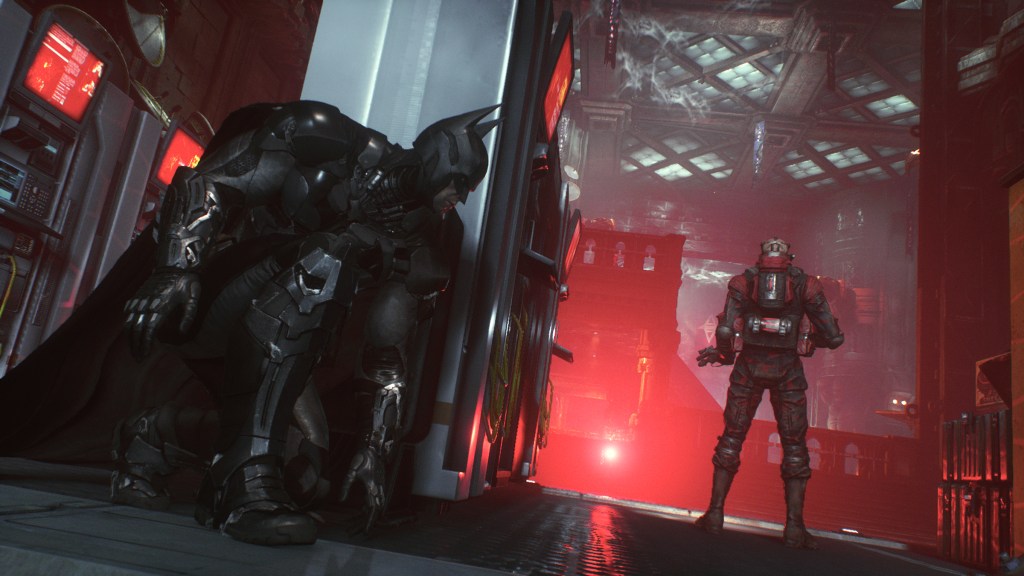
Batman does a lot of punching, kicking, and elbowing in the Arkham games, but he does a lot of sneaking, choking, and quiet incapacitating, too. So in addition to being killer action games with a hypnotic combat system, the series also provided players with surprisingly layered stealth systems. It’s a mix that works together incredibly well, because the adrenaline of the fisticuffs balanced nicely with the more methodical and tactical approach to its predator systems.
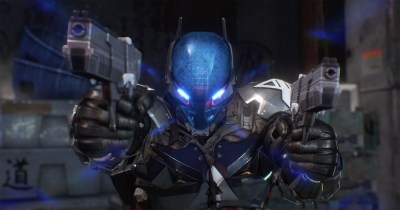
Even though direct confrontation usually ended with a quick death and a taunt from one baddie from the rogue’s gallery, these stealth segments still made players feel like they were in charge. Picking off goons one by one and seeing them gradually freak out was an interesting narrative twist that sat alongside how empowering it was to devise ways to dwindle their ranks. With a constant flow of new surprises and tweaks, the Arkham games knew exactly how to up the ante and flesh out Batman’s stealthier side, something beautifully illustrated in its challenge rooms that got players to creatively channel its vast toolset. Thankfully, it seems like Rocksteady Studios is returning to its roots and developing a new Batman game.
2) Dishonored
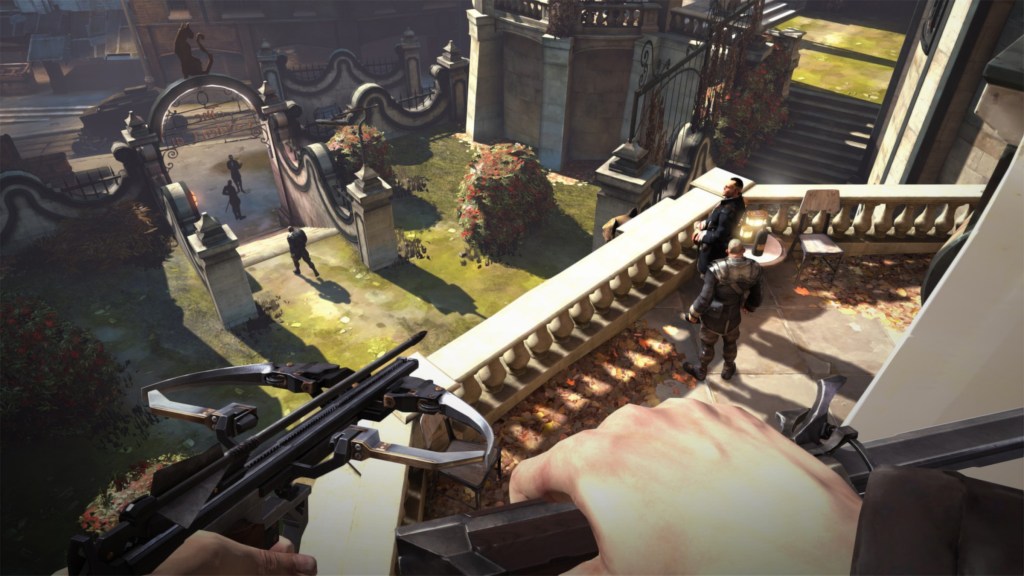
Dishonored was one of the more striking new franchises to bubble up near the end of the PS3 and Xbox 360 generation. It felt like a modern interpretation of Thief but, crucially, didn’t lean solely on nostalgia. It offered an engrossing new steampunk-adjacent universe (dubbed “whalepunk”) with supernatural twists to make it more than a game about slinking from cover to cover. In many ways, Dishonored’s quality made the 2014 Thief reboot seem even worse because Dishonored took the baton (or blackjack, in this case) from that seminal series, modernized it, and made Thief come off as even more dated.
Dishonored’s open nature gave it a level of freedom that made it one of the best modern stealth games, to the point where it, ironically, even lets players not treat it like a stealth game at all. Montages of players cutting up enemy forces as if they were a Sith Master are enrapturing because they show the outer limits of what’s possible when a game takes off the training wheels. So while the lore leaves room for many other types of stories, this freeform approach is sorely missing now, as gaming has sadly moved more away from the immersive sim genre.
1) Deus Ex
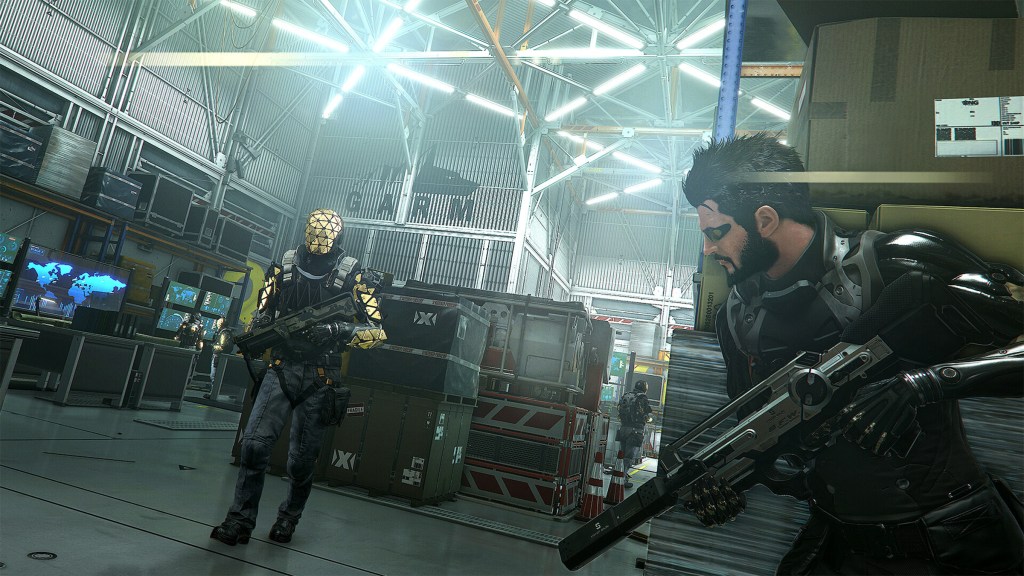
Deus Ex is in a similar category as Dishonored, but instead of reinterpreting another classic franchise, it reinvented itself in 2011 to great acclaim. And like the aforementioned Arkane game, Deus Ex: Human Revolution and Mankind Divided handed players an expansive set of tools with wide levels that allowed for multiple infiltration routes, something that echoed the design of the influential 2000 original. Stealth was likely the go-to option for most players and deserved that prominence because of how rewarding it was to utilize all sorts of powers to duck guards and fool security bots. Aggressive play was on the table and fleshed out more in Mankind Divided, but stealth was more reliable and still at the core of the series’ metallic heart.
Deus Ex’s ability to augment its gameplay with more sci-fi tech gives it an easy avenue to allow for constant evolution, but the franchise should be revived because of how erratically it concluded. Mankind Divided, while a solid game, ended abruptly, an issue magnified by the lack of a true follow-up. Its writer, Mark Cecere, also said he shared those criticisms surrounding its panned finale. Even though Embracer Group reportedly canned a sequel to the game, this series is as relevant as ever with its political themes and has shown the ability to reinvent itself once before, a talent that would more than be welcome today.
What do you think? Leave a comment below and join the conversation now in the ComicBook Forum!
More Gaming
-

Courtesy of Valve, Nordic Trolls, and Gameforge -

Courtesy of PlayStation -

Courtesy of The Pokemon Company