Long-running JRPG series are one of the genre’s greatest strengths, but they can also be one of its biggest hurdles. There is something comforting about knowing a franchise has decades of history behind it, with worlds that feel lived in and stories that have grown over time. At the same time, that length can be overwhelming. When a series hits double-digit entries, it becomes harder for new players to know where to start, or even if starting is worth the effort.
Videos by ComicBook.com
That is precisely why Ys Origin still feels like such a smart move 19 years later. After ten games, Falcom did not just push the timeline forward again. Instead, it took a step back and focused on context. Ys Origin exists to explain the foundation of the series, particularly the events that led to the first two games. It does not recap everything, but it gives players enough understanding to feel grounded. More JRPGs could greatly benefit from adopting a similar approach, providing context to long-running stories.
The Growing Entry Barrier in JRPG Series
JRPGs love continuity, and that is not a bad thing. Seeing characters, nations, and themes evolve across multiple games is part of what makes the genre special. The problem is that many long-running series assume players are already along for the ride. New entries often start in the middle of ongoing conflicts or reference major events without slowing down to explain why they matter.
For a newcomer, this can feel alienating. You might be told you can start anywhere, but the game still talks like you have been here before. Names are dropped casually. Lore is hinted at but not explained. Emotional moments land harder for longtime fans while new players are left trying to catch up. Some people push through. Others simply move on to something less demanding.

This creates a cycle where JRPGs mostly grow inward. The fanbase stays loyal, but it becomes harder to bring new people in. Over time, that can limit how much a series can expand. Context does not have to mean spoiling everything or slowing the story to a crawl. It just means giving players a foundation so they understand why the world exists the way it does.
How Ys Origin Begins to Tackle the Problem
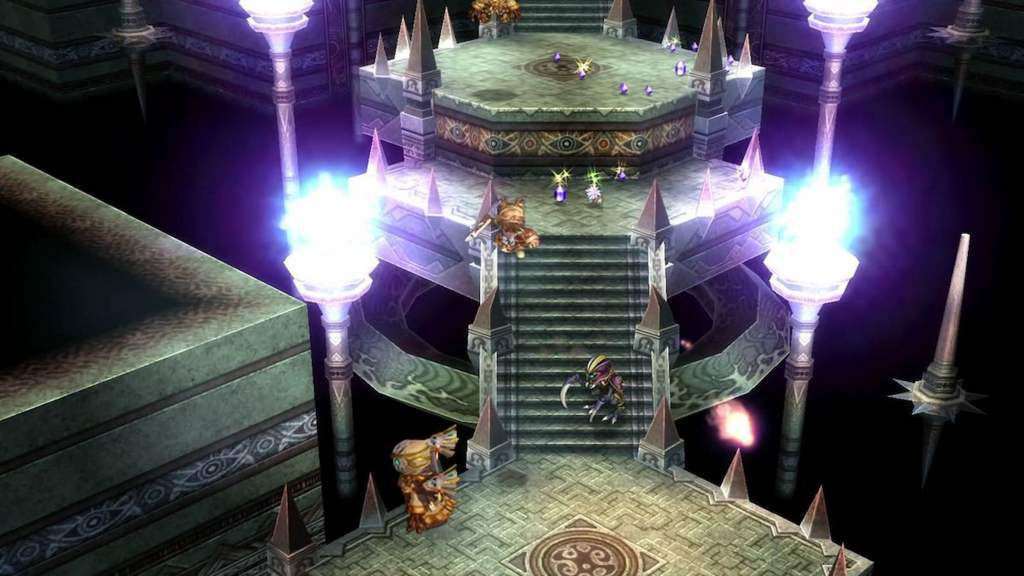
Ys Origin tackled this issue by focusing on the beginning, not the present. Instead of continuing Adol’s journey, the game goes far back in time to explore the origins of Ys itself. The setting, the goddesses, and the core conflict are all placed front and center. This gives players a clear understanding of why the first Ys games even happen.
What makes this approach work is restraint. Ys Origin does not try to summarize ten games’ worth of plot. It chooses a more realistic path, providing details of the long-running series before it even started narratively. It chooses that specific slice of history (taking place 700 years before the first two games) and tells that story well. The game provides context without turning into a lore dump. You learn naturally through characters, environments, and events rather than long explanations. It feels like a story first and a history lesson second.
For newcomers, this makes Ys Origin an excellent entry point. You do not need prior knowledge to enjoy it, but once you have played it, earlier games make more sense once you’ve played them. Event locations will feel more meaningful, and conflicts that occur in them will feel more justified. Even basic concepts carry more weight. The game acts like a narrative anchor that ties everything together. More JPG series need this.
It’s not just newcomers that benefit here. Longtime fans would benefit just as much because context in a story is always a useful thing to have, even if you know what’s generally going on. Ys Origin adds emotional depth to things they already knew. It reinforces the importance of certain myths and characters while staying respectful to established canon. Instead of replacing earlier stories, it strengthens them. That is a difficult balance to strike, and it is one that many JRPGs never attempt.
Nineteen years later, Ys Origin still feels ahead of its time. It recognizes that context matters, especially in a genre built around extremely long-term storytelling. More JRPG series could use a game like this. Not a remake, not a reboot, but a focused origin story designed to welcome new players while rewarding old ones. If JRPGs want to keep growing, sometimes the smartest move is looking back.
What do you think? Leave a comment below and join the conversation now in the ComicBook Forum!
Most Viewed
-

Courtesy of Sony Pictures Animation / McDonald's -

Image Courtesy of TMS Entertainment -

Courtesy of TOHO Animation