Sega is one of the key companies of modern gaming, having succesfully transitioned from console gaming to publishing over the last thirty-five years. In that time, the publisher has helped develop or release some truly massive hits, including Sonic the Hedgehog, Virtua Fighter, Streets of Rage, Super Monkey Ball, Shinobi, and Persona. In the modern day, the Sega library has never felt more versatile and beloved.
Videos by ComicBook.com
One of their most unique titles, though, has largely remained a cult classic since it was released 30 years ago. Despite strong early sales and a handful of follow-ups, NiGHTS into Dreams has never gotten the full spotlight it deserves. Released July 5, 1996, NiGHTS into Dreams was one of the best things that Sega and Sonic Team ever produced. Three decades later, it’s worth looking back at what made the game so unique from a mechanical perspective, how it was a solid success for the publisher, and why it has never gotten the attention it deserves.
NiGHTS Into Dreams Is Like Nothing Audiences Had Ever Seen Before
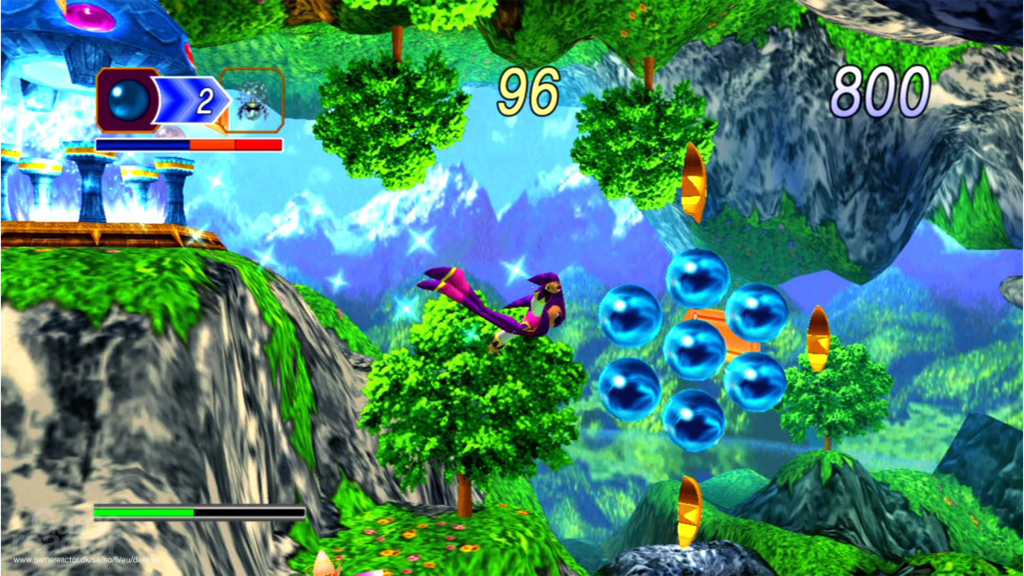
NiGHTS into Dreams is one of Sega’s best-ever titles, an experimental and vivid game that still stands out as one of the publisher’s most unique and memorable efforts. Set in two distinct halves of the Dream World, NiGHTS into Dreams follows the teenagers Elliot and Clairs, who find themselves stuck in Nightopia. While all humans possess something called Ideya that represents their unique personalities, Elliot and Claris possess the rare Red Ideya of Courage. This allows them to venture further into the world to find Nights, a Nightmaren who rebelled against the villainous Wizemanthe Wicked and wants to stop him from stealing enough Ideya from humans to take over both worlds, which has remained the game in remakes.
Conveinved of during the development of Sonic the Hedgehog 2, producer Yuki Naka stated that the central concept behind the game was to create something new that could reflect the feeling of flying. Gameplay is largely rooted in Claris and Elliot fusing with Nights to soar around large areas, collecting necessary points within a certain time limit. A relatively quick-paced game, the vivid landscapes and colorful characters quickly stood out from everything else that was on the market.
Although Sonic Team was initially hesitant about developing the game in 3D and for the Saturn, the end result was a game that felt genuinely unique. The flight mechanics were almost like a ballet, graceful in their movements in a way most other games couldn’t match. The focus on movement over traditional platforming and combat helped the gameplay feel instantly unique, lending itself well to gamers who enjoyed Sonic Team’s work but wanted to see them expand from the Sonic the Hedgehog franchise. The new IP was a big swing for Sega, especially as NiGHTS into Dreams was positioned as a major selling point for the console.
Night Into Dreams Is Still One Of Sega’s Most Unique Creations
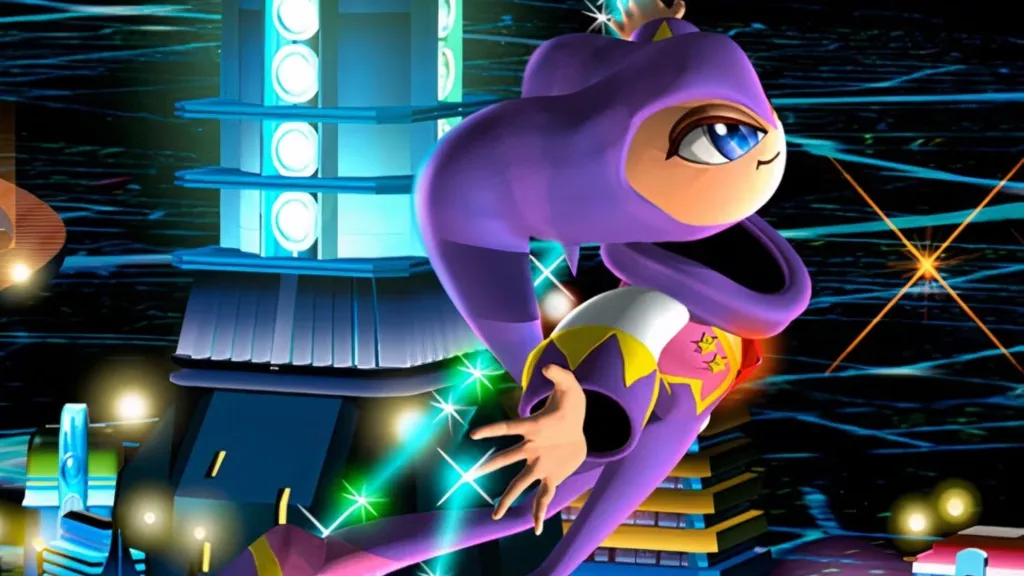
Luckily for Sega, they had a hit on their hands. NiGHTS into Dreams was one of the best-selling games for the Sega Saturn, with the dreamlike visuals and tight flight mechanics working incredibly well. The game earned rave reviews from critics, with many major publications later calling the game one of the best releases of the 21st century. The game would later be re-released, and the character of Nights would appear in other Sega spin-off material. The thing that makes NiGHTS into Dreams stand out thirty years later is the way the game genuinely doesn’t feel like anything else that had been released at the time.
The analogue controller released to specifically help with the game highlighted the changing nature of game mechanics in an era of 3D gaming, further pushing the analogue stick over the traditional D-Pad. The surreal visuals highlighted the vibrancy and possibility inherent to 3D graphics. While Super Mario 64 had proven that 3D graphics could create entire worlds, NiGHTS into Dreams showcased how those early polygons could come together to present a real sense of momentum around an established setting. It was a great example of a game developer taking a risk and getting strong results, even if the game never quite became the multimedia giant that Sonic the Hedgehog did. If nothing else, NiGHTS into Dreams highlighted just how important unique ambition can be when designing a new property, ensuring that games feel distinct from anything that had come before — or really, anything that has come out since.
Those unique qualities might also be why the series fell by the wayside. After Sega transitioned to game publishing, it increasingly focused on big money makers like Sonic. While the success of the game did ensure that there would be sequels, remasters, and even a holiday-themed spin-off, NiGHTS into Dreams eventually became something of a symbol of Sega itself. That first game remains one of Sega’s boldest risks and most effective experiences, even if the strangely singular ideas behind it meant that future developers weren’t as interested in putting their own stamp on it. Even thirty years later, the outdated graphics retain their charm and the gameplay is still perfectly easy to learn and difficult to master. Three decades after it debuted, NiGHTS into Dreams remains one of Sega’s most distinctive games ever — as well as one of its best.
Where do you think NiGHTS into Dreams ranks among Sega’s best hits? Let us know in the comments and on social media!
More Gaming
-
Courtesy of Wizards of the Coast