Few franchises can transport players through history quite like Assassin’s Creed. Since 2007, Ubisoft has recreated ancient cities, pirate havens, Revolutionary America, Victorian London, Renaissance Italy, and feudal Japan with remarkable attention to historical detail. Even when the stories divide fans, the opportunity to explore these worlds remains one of the series’ biggest strengths. That is why every new announcement sparks speculation about where the Brotherhood could travel next. The setting often becomes just as important as the protagonist because history itself has always been one of the franchise’s greatest characters.
Videos by ComicBook.com
After Assassin’s Creed Shadows, Ubisoft needs to make a bold move if it wants to recapture excitement surrounding the franchise. Assassin’s Creed IV: Black Flag Resynced is a strong reminder of what made the series special, but nostalgia alone cannot carry future releases. A fresh historical setting could attract both longtime fans and newcomers. Rather than revisiting broad historical eras, I would love to see Ubisoft focus on more specific conflicts and fascinating moments in history. These periods naturally fit the Assassins versus Templars conflict while offering gameplay opportunities unlike anything the series has attempted before.
5) American Wild West
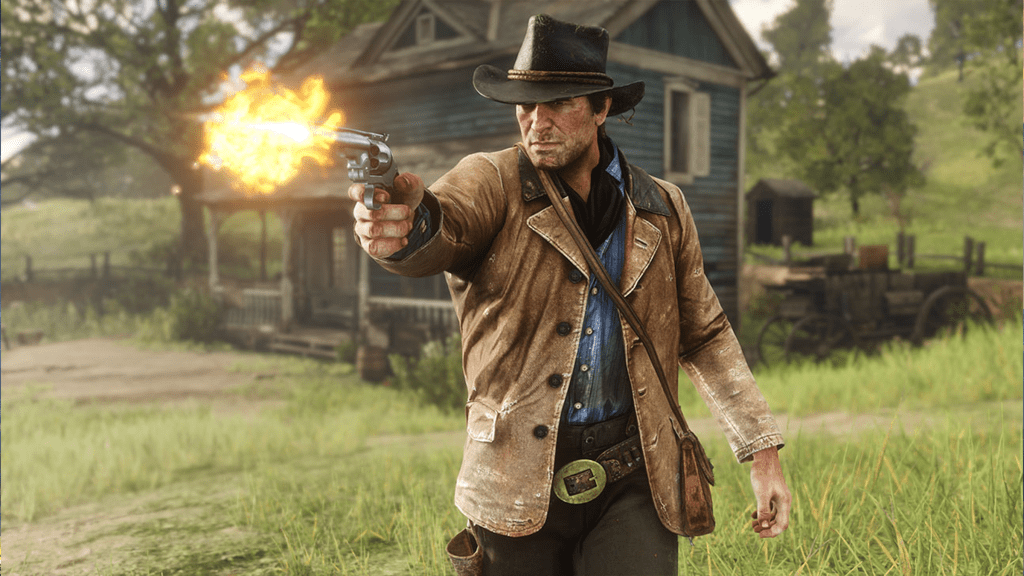
The American frontier has appeared briefly in Assassin’s Creed III, but Ubisoft has never fully embraced the Wild West during the late nineteenth century. It feels like an obvious fit. Expanding railroads, growing industrial power, lawless frontier towns, and powerful corporations all create fertile ground for the eternal conflict between freedom and control.
The gameplay possibilities are just as exciting. Instead of dense European cities, players could traverse sprawling deserts, mountain ranges, mining camps, and rapidly growing settlements. Parkour would evolve around train robberies, cliffside forts, wooden boomtowns, and frontier construction sites. Horseback travel could finally become the primary way to navigate an open world instead of simply connecting cities.
What makes the Wild West especially appealing is its moral complexity. History often romanticizes gunslingers and outlaws, but the era also involved railroad monopolies, land disputes, and rapid expansion across North America. Those competing interests align naturally with Assassin’s Creed’s themes of power, freedom, and hidden influence between the Templars and Assassins.
4) Hussite Wars
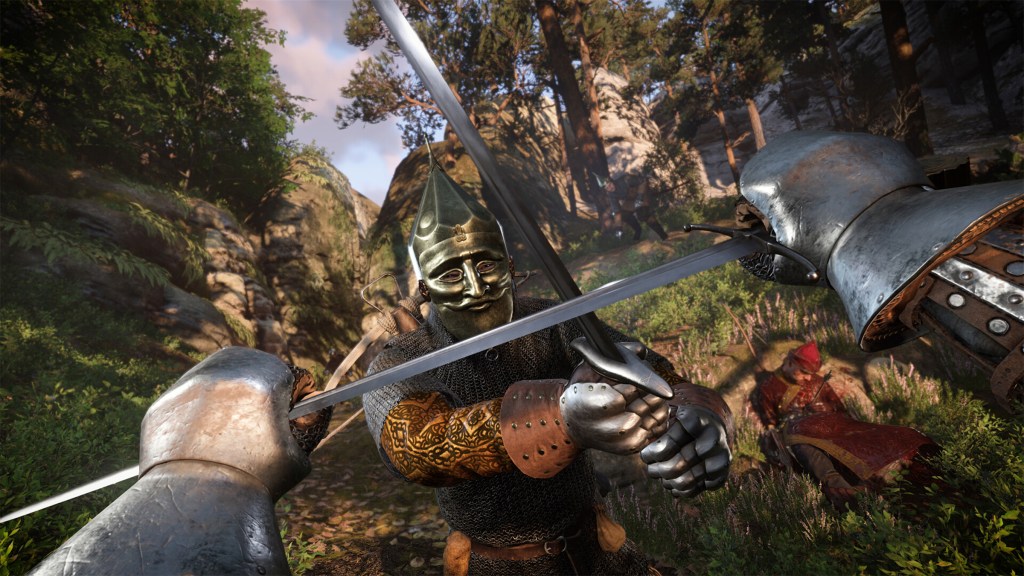
One of the most overlooked conflicts in European history is the Hussite Wars, fought in the early fifteenth century in the Kingdom of Bohemia. Sparked after the execution of religious reformer Jan Hus, the conflict became a struggle involving faith, political power, and military innovation. It would provide one of the richest historical settings Ubisoft has never explored.
The era introduced revolutionary battlefield tactics led by Jan Žižka, whose armies famously used armored wagon forts and early firearms against larger, more heavily equipped opponents. Large medieval cities such as Prague would offer incredible opportunities for classic rooftop parkour, while castles, monasteries, and fortified camps could create diverse mission locations.
The conflict also fits perfectly within the series’ ongoing narrative. Competing religious factions, noble houses, and foreign powers all sought influence over Central Europe. It would not take much imagination to weave the Assassins and Templars into this struggle while remaining grounded in real historical events. The Hussite Wars would excellent window for Ubisoft to use to frame the ongoing conflict between Assassins and Templars.
3) The Hundred Years War

Ubisoft has explored medieval Europe before, but the Hundred Years’ War remains surprisingly untouched. Spanning from 1337 to 1453, the conflict between England and France featured legendary figures such as Joan of Arc, Edward III, Henry V, and Charles VII. It was an era defined by shifting alliances, political intrigue, espionage, and constant warfare. All of these are perfect NPCs for Assassin’s Creed.
The war would allow Ubisoft to build multiple major cities connected by battlefields, castles, and occupied territories. Paris alone could become one of the largest urban playgrounds in franchise history, while fortified strongholds across France and England would support stealth-focused infiltrations reminiscent of earlier Assassin’s Creed games.
More importantly, the Hundred Years War naturally lends itself to secret organizations manipulating history from the shadows. Kings, nobles, church leaders, mercenary companies, and spies constantly competed for influence. The Assassins and Templars could operate behind every major political decision without dramatically altering recorded history. And the best part is that real history is so convoluted that Ubisoft could tweak small moments and make it all believable.
2) World War II Europe
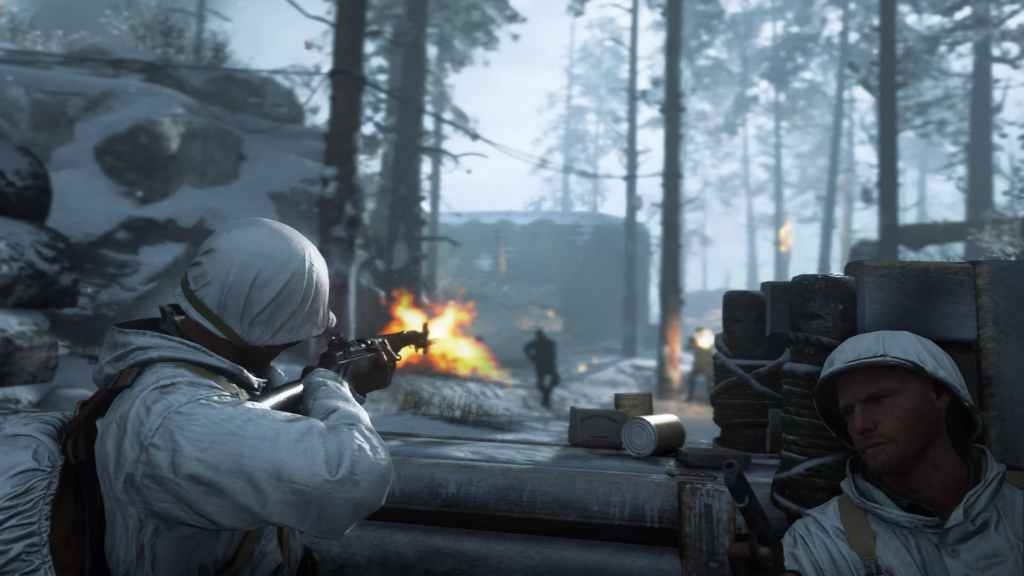
Ubisoft has repeatedly said a full World War II game presents challenges because of modern firearms, though brief sections of Assassin’s Creed Unity demonstrated the concept can work surprisingly well. Rather than focusing on the front lines, a game centered on occupied Europe could embrace espionage, sabotage, resistance movements, and covert operations. This would largely allow Ubisoft to avoid automatic firearms or punish players for failing in stealth.
Cities like Paris, Warsaw, Amsterdam, or Prague would provide dense urban environments ideal for stealth gameplay. Resistance fighters already relied on disguises, intelligence gathering, secret messages, and underground networks. Those activities closely resemble what Assassins have always done throughout the franchise. This would bring the conflict between the Templars into frame more, showing their overwhelming influence and tactics Assassins have to take to combat them.
A smaller, more focused approach could also benefit the series. Instead of covering the entire war, Ubisoft could tell a story centered on one occupied city over several years. That narrower focus would create stronger characters while allowing historical events to unfold naturally around the player without becoming a traditional military shooter.
1) Ancient Rome
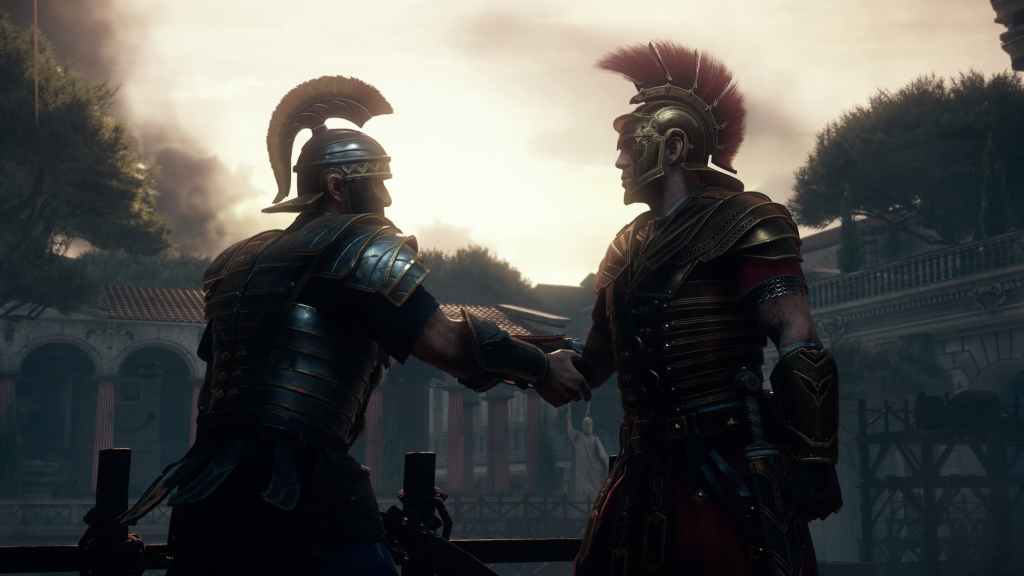
Fans have requested Ancient Rome for years, and for good reason. After Assassin’s Creed Origins explored Ptolemaic Egypt, the rise of the Roman Empire feels like one of the franchise’s most logical destinations. Rome stood at the center of politics, commerce, religion, and military power for centuries, making it almost impossible to separate from the Assassins’ ongoing struggle against tyranny.
The city itself would become one of Ubisoft’s greatest open worlds. Massive forums, crowded marketplaces, aqueducts, temples, villas, gladiatorial arenas, and unfinished monuments would provide endless opportunities for rooftop navigation and stealth assassinations. Exploring the capital at the height of its power would rival Renaissance Florence or Revolutionary Paris as one of the franchise’s most memorable locations.
I have always thought Ancient Rome offers the perfect balance between everything that defines Assassin’s Creed. It combines sprawling cities with political conspiracies, famous historical figures, legendary architecture, and a world that naturally rewards exploration. If Ubisoft truly wants to generate excitement after Assassin’s Creed Shadows, this is the setting that could accomplish it. Combined with the renewed interest generated by Black Flag Resynced, a bold return to one of history’s greatest civilizations could remind players why the series became one of gaming’s biggest franchises in the first place.
More Gaming
-

Courtesy of Arc System Works -

Courtesy of Japan Studio -

Courtesy of NetEase and Marvel Games