The early 2000s were a strange and exciting time. It saw the birth of several games and series that leaned into weird and experimented with classical mechanics. Developers took risks that aren’t seen as often today, and one series on Xbox showcased this brilliantly. It was released at a time when platformers were at their peak, and carved out a small pocket of the gaming industry with its charm. Sadly, it only received a single sequel before it was shelved, and fans have yet to see anything of it since.
Videos by ComicBook.com
Blinx: The Time Sweeper came during Xbox’s formative years. Microsoft needed colorful, creative experiences to compete with its rivals, and this time-based adventure was the answer. Blinx seemed poised to lead a new series into some of Xbox’s best games, but ultimately failed to make the cut alongside Master Chief and Marcus Fenix. And so it would be that Blinx slipped through the cracks and faded into obscurity.
Blinx: The Time Sweeper Was a Quirky and Charming Platformer
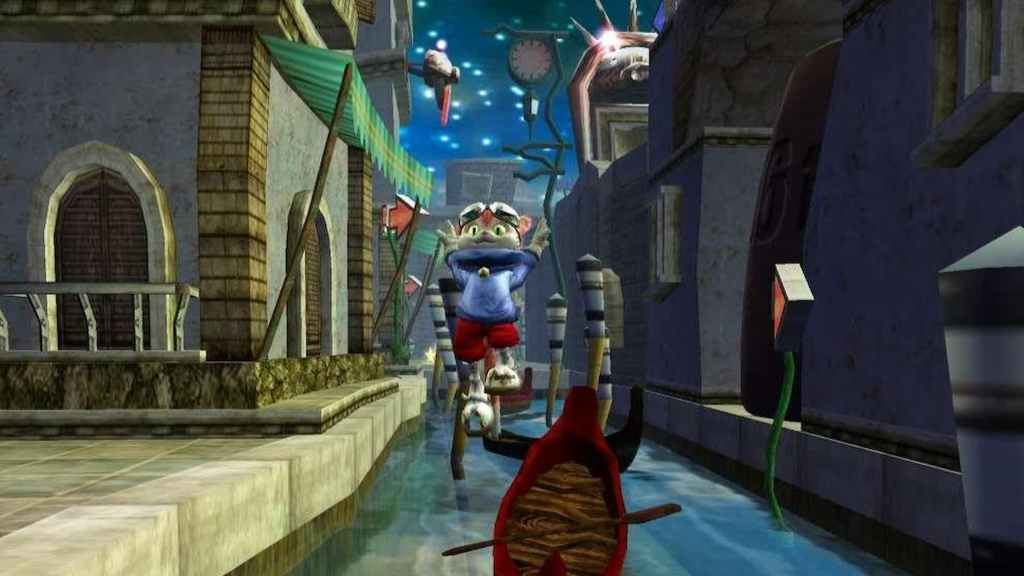
When Blinx: The Time Sweeper launched in 2002, it immediately stood out. Developed by Artoon, the game introduced players to Blinx, a time-manipulating cat armed with a vacuum cleaner that could control time itself. The premise was unusual even by platformer standards, but that quirky and creative personality became the game’s defining strength, and Artoon leaned into it.
Time control was not just a gimmick. Players could rewind, fast forward, pause, and record actions to solve puzzles and defeat enemies. This made each level feel like an experimental playground. Combat and platforming blended seamlessly with puzzle solving, encouraging players to think creatively rather than simply react to the world around them.
Visually, the game leaned into bright colors and expressive animations that gave Blinx a charming personality. The world was whimsical without feeling childish, and the soundtrack reinforced that sense of playful adventure. Critics praised its originality and ambition, even if some noted the learning curve could be steep.
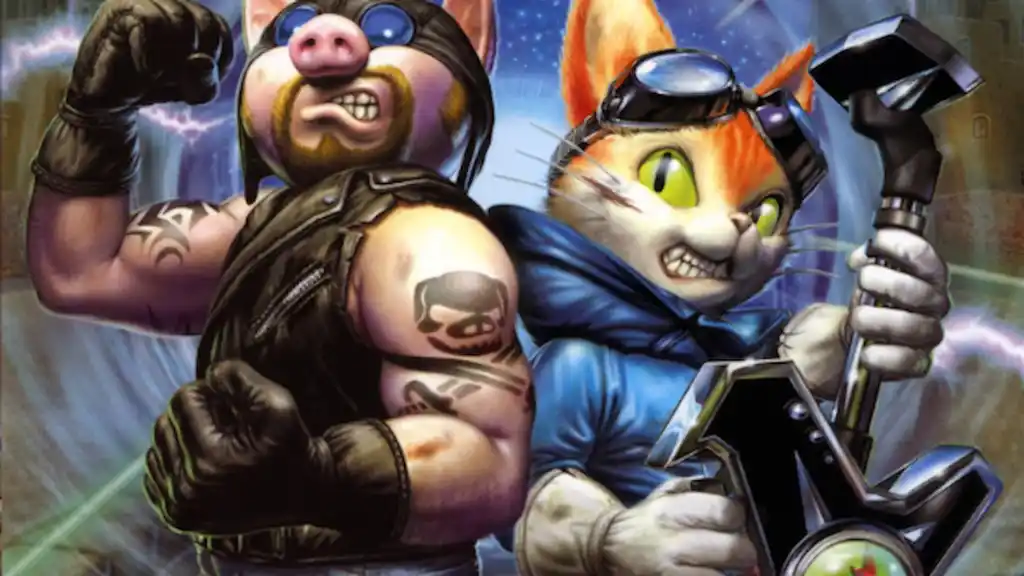
The sequel, Blinx 2: Masters of Time and Space, expanded the formula significantly. It introduced opposing factions, varied gameplay styles, and more structured missions. While opinions were mixed on the changes, fans appreciated that the series was trying to evolve rather than repeat itself. Sadly, this would be the last time Artoon would be able to show off Blinx and his time-manipulating shenanigans.
Blinx Was Gone in the Blink of an Eye
Despite its creativity, Blinx never found the mass audience needed to secure its future. The original game performed modestly, but not spectacularly. Platformers were already beginning to lose ground as players gravitated toward shooters and open-world experiences. Xbox itself was increasingly defined by titles like Halo, leaving less room for mascot-driven adventures. The days when Mario and Banjo could sell a game had faded in favor of other genres.
Another challenge was accessibility. Blinx’s time mechanics were clever but complex, especially for younger players. The game demanded patience and experimentation, which may have limited its appeal compared to more straightforward platformers. The thing that made the series innovative and unique was the same thing that was holding it back.
After Blinx 2, the series simply stopped. There was no major push, no reinvention, and no follow-up support. As the years passed, Blinx became a cult classic, remembered fondly by those who played it but largely invisible to newer generations. It has now been two decades since the series last received a new game, an astonishing gap for a character once positioned as an Xbox mascot. The lack of continuation was not due to hatred or failure, but rather a result of a shifting industry.
Is There a Future for Blinx?
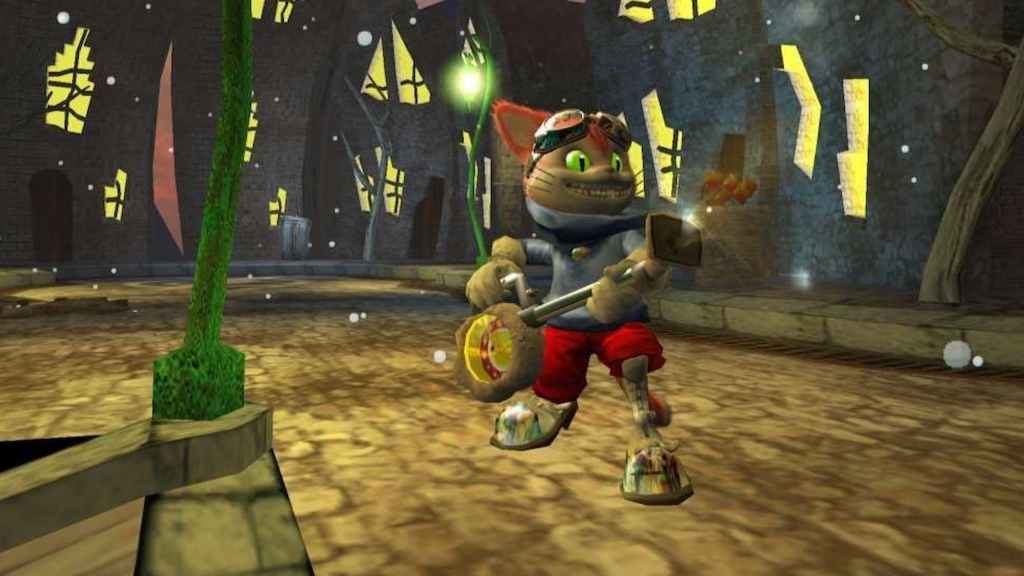
Today, the landscape looks very different. 3D platformers are experiencing a resurgence, driven by nostalgia and renewed appreciation for expressive gameplay. The success of Astro Bot has proven that modern audiences still crave joyful, character-driven platformers with inventive mechanics. This absolutely fits Blinx and his games.
This renewed interest creates an opportunity. Blinx’s time manipulation mechanics feel more relevant than ever, especially with modern hardware capable of smoother execution and clearer tutorials. A reboot or revival could refine the original ideas, making them more accessible without losing depth. Today’s games are more complicated, meaning players would have an easier time understanding the mechanics in the first two games.
Microsoft has also shown increased interest in celebrating its legacy and forgotten titles. Reviving a cult classic like Blinx: The Time Sweeper would not just appeal to longtime fans but also introduce a new generation to one of Xbox’s most creative experiments. The question is not whether Blinx deserves another chance because it clearly does. The question is whether anyone is willing to take that leap. As the industry is once again open to colorful creativity, the time may finally be right for Blinx to step back into the spotlight and remind players why this forgotten series mattered in the first place.
What do you think? Leave a comment below and join the conversation now in the ComicBook Forum!
Most Viewed
-
Image Courtesy of Marvel Comics -

Image Courtesy of Prime Video