Nearly four decades ago, the video game industry was still figuring out its identity. Mechanics we now take for granted: tight controls, expressive level design, and meaningful player choice, were still experimental ideas being tested on limited hardware. In that environment, a single release could fundamentally shift expectations, proving that games could be challenging without being unfair, stylish without being shallow, and replayable without padding. These early platformers entertained with pacing, difficulty, and player mastery in ways that still echo today.
Videos by ComicBook.com
Among the most influential titles of that era was a game that blended action, strategy, and personality into a deceptively simple formula. Its structure encouraged experimentation, rewarded skill, and trusted players to learn through trial and error. At a time when many games followed rigid, linear paths, this title offered freedom and agency, setting a new benchmark for what console games could achieve. That game was Mega Man, and its impact on gaming history is still being felt nearly 40 years later.
The Enduring Legacy of Mega Man
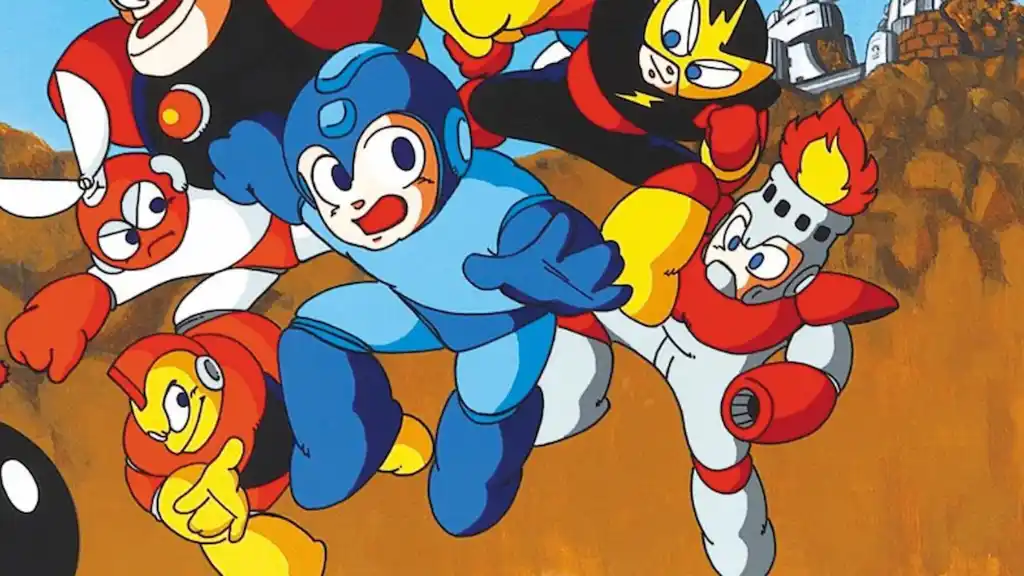
Mega Man was first released on the NES on December 17th, 1987, and it distinguished itself within the crowded NES platformer landscape. Developed by Capcom, the game introduced a then-radical structure: players could choose the order of stages, each ruled by a distinct Robot Master, and gain new abilities after defeating them. This design encouraged strategic thinking, experimentation, and replayability, making Mega Man far more than a simple run-and-jump experience.

As the series evolved across the NES, SNES, PlayStation, and beyond, Capcom refined this formula without abandoning its core identity. Precise controls, recognizable enemy patterns, and challenging-but-fair level design became hallmarks of the franchise. Titles like Mega Man 2 and Mega Man X are still frequently cited among the greatest video games of all time, praised for their balance of difficulty and accessibility.
What truly set the Mega Man series apart was its confidence in the player. Failure wasn’t punished but was instructional. Each defeat taught timing, pattern recognition, and adaptability. This philosophy became central not only to Mega Man’s identity but to platformers as a genre, cementing the series as a cornerstone of retro gaming and a defining chapter in NES history. To this day, the Blue Bomber is one of gaming’s most beloved characters.
Mega Man’s Influence Went Beyond Platformers
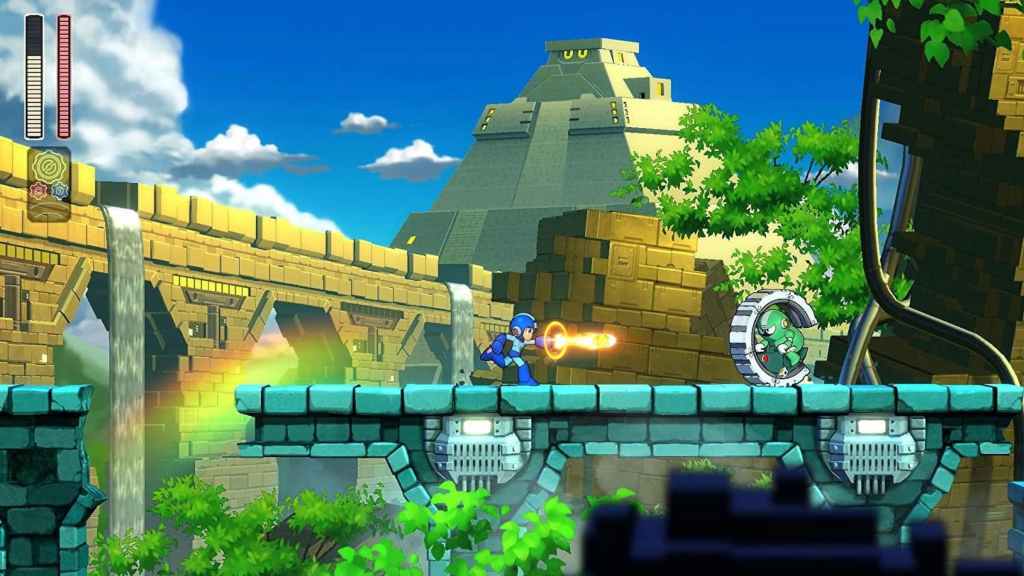
The influence of Mega Man extends well beyond side-scrolling action games. Its stage-select system laid the groundwork for non-linear progression that would later appear in genres ranging from action RPGs to modern open-ended shooters. The idea that player choice could meaningfully affect difficulty and strategy was transformative at the time, and remains a key principle of modern game design. Without Mega Man, it may not be as prevalent as it is today.
Boss design is another area where Mega Man left a mark. Each Robot Master was visually distinct, mechanically unique, and thematically coherent. This approach influenced everything from fighting games to modern indie titles, where boss encounters are now expected to test specific skills rather than act as simple damage checks. Even games outside of platformers adopted the concept of learning the boss as a core gameplay loop, with no genre doing so more than soulslike games.
The franchise also helped normalize difficulty as a feature, not a flaw. Long before the rise of soulslike games, Mega Man demonstrated that players would embrace challenge if it felt earned. Its legacy can be seen in countless modern releases that prioritize precision mastery, tight mechanics, and skill-based progression. Few games released in 1987 can still claim relevance today, but Mega Man’s design DNA is everywhere.
The Decline & Return of Mega Man
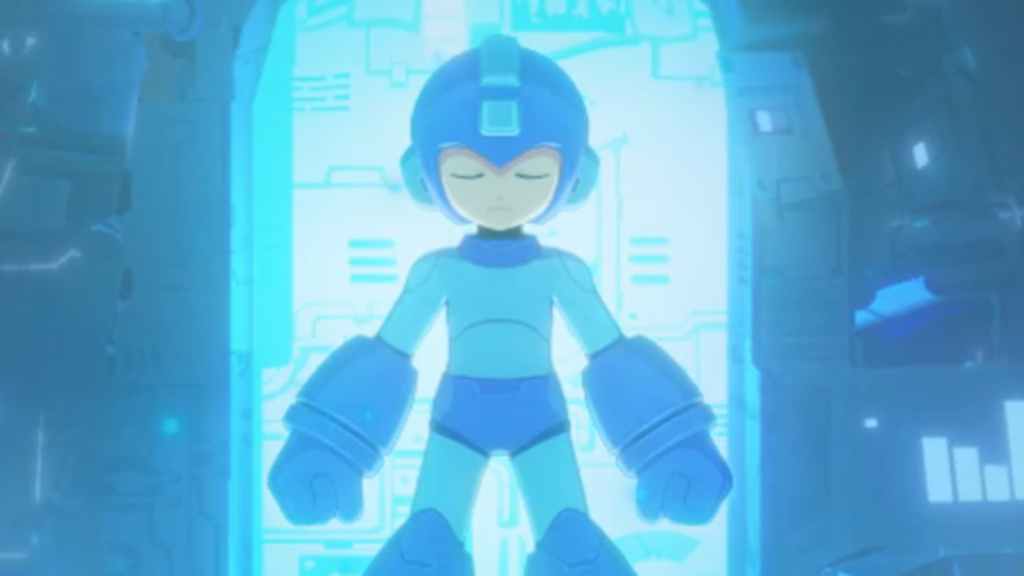
Despite its iconic status, the Mega Man franchise experienced a long period of uncertainty. Following years of frequent releases, spin-offs, and mixed reception, the series gradually faded from the spotlight. Fans waited for Capcom to revive the series. While re-releases and legacy collections kept Mega Man alive, there would not be a new game in the series for nearly ten years. That is, until now.
Capcom officially unveiled Mega Man: Dual Override at The Game Awards, much to the excitement of fans. The newly revealed entry has been positioned as a genuine return to form, blending classic platforming sensibilities with modern production values. The first trailer suggests a renewed focus on precise controls, inventive level design, and meaningful player choice: elements that defined the series at its peak. For longtime fans, it represents more than just another sequel; it’s the revival they have been waiting for.
Capcom has also made it clear that this isn’t a one-off experiment. The company wants to support Mega Man further, signaling a long-term strategy rather than a nostalgic detour. In an industry increasingly driven by remakes and reboots, Mega Man: Dual Override stands out as a continuation of a legacy that still has room to grow. Nearly 40 years after the original NES release, Mega Man is relevant again.
With its deep roots in retro gaming history and a renewed future under Capcom’s support, Mega Man remains one of the most game-changing platformers ever created, and its story is far from over. It remains to be seen how fans and newcomers to the series receive Mega Man: Dual Override, but early impressions are positive. Capcom has been on a hot streak with Monster Hunter Wilds, Street Fighter 6, and Resident Evil Requiem, suggesting Mega Man’s next adventure is worth the wait.
What do you think? Leave a comment below and join the conversation now in the ComicBook Forum!
Most Viewed
-

Image Courtesy of Netflix -

Courtesy of ENGI / Kadokawa / Sentai Filmworks -
Courtesy of Wizards of the Coast -
Image Courtesy of Studio Bones