First-person and third-person shooters remain some of the most popular games in the industry. I particularly love sci-fi shooters that offer something unique, especially if it is related to gameplay and story. Yet, many rely on the same old pattern of moving forward, shooting enemies, and progressing through a clearly defined path. It works, but it rarely surprises me anymore. That is why I remember the few games that break that pattern and try something more ambitious.
Videos by ComicBook.com
That is exactly what Prey did when it was released on May 5th, 2017. Developed by Arkane Studios and published by Bethesda, it blended the FPS genre with immersive sim design and deep RPG systems. It remains one of the most highly regarded sci-fi shooters ever made, yet nearly a decade later, it has yet to receive a sequel. That is something I still struggle to understand, especially given how unique and impactful the game was.
An Opening That Surpassed My Expectations
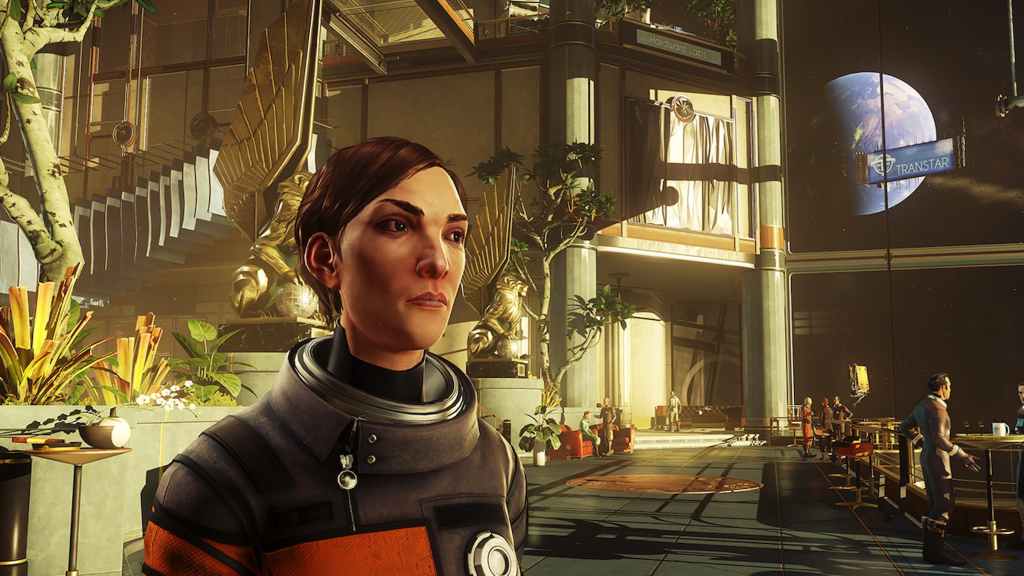
The opening of Prey is what truly surprised me the most, and it remains one of the most memorable sequences I have ever experienced in a video game. Coming from Dishonored, one of my favorite games of all time, I should have expected Arkane Studios to produce something incredible, but even then, I did not see this coming. It begins in what appears to be a normal apartment, with a routine that feels grounded and familiar. You go through everyday motions, preparing for what seems like a standard day. Nothing about it suggests what is about to happen.
Prey pulls back the curtain in a way that completely redefined my understanding of the world. It was a moment that caught me completely off guard. I remember sitting there, trying to process what I had just seen, realizing that the game was not going to follow any predictable path. And the fact that it lets you discover this on your own by seemingly soft-locking you until you try to break out of your apartment only adds to this. Not only that, but it sets the tone that nothing is what it seems, and this would prove to be true throughout the entire game.
That opening sets the tone for the entire experience. It establishes a sense of uncertainty and curiosity. From that point on, you are constantly questioning what is real, what is possible, and what the game might do next. It is a perfect example of how strong design can immediately hook a player. This isn’t even taking into account how terrifying an experience it is to walk through the Talos I space station, afraid a mimic is around the corner pretending to be a coffee cup. Arkane Studios produced one of the greatest introductions to a game, and it didn’t take its foot off the gas for a moment.
Prey’s Gameplay Still Feels Unmatched
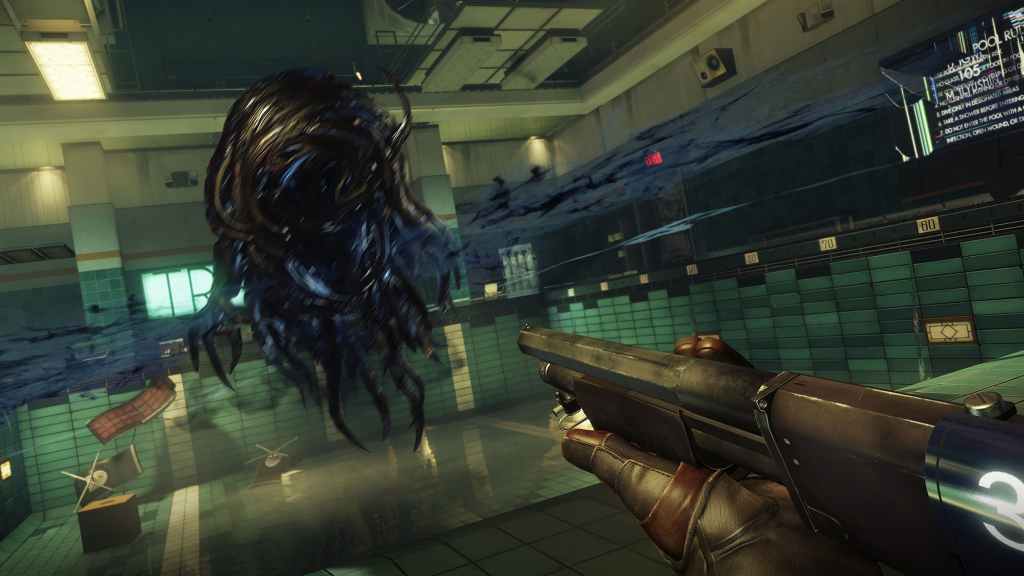
What truly sets Prey apart is its gameplay. Arkane built the game around player choice and experimentation. There is rarely a single solution to any problem. Instead, you are given tools and abilities that can be combined in creative ways. Just as my time with Dishonored did, Prey encouraged me to think differently. Locked door? Maybe I could find a keycard, or hack the system, or use the GLOO Cannon to create a path around it. Enemies could be approached in multiple ways, whether through stealth, direct combat, or clever use of the environment. It made every encounter feel dynamic.
The Mimic enemies are another standout feature, and are both my favorite and most hated enemies in any game. Their ability to disguise themselves as everyday objects adds a constant layer of tension. I found myself second-guessing everything around me. The amount of time I wasted being afraid that a coffee cup or roll of toilet paper would suddenly attack was absurd, but I enjoyed every minute of it. This, combined with the exploration, led to so many memorable moments throughout my several playthroughs.
The progression system also deserves credit. As you gain new abilities, especially Typhon powers, the game keeps opening up more and more. The Mimic Matter was the best, as it allowed you to use the same transformative abilities the mimics can use. This and other abilities are not just about becoming stronger but about expanding how you interact with the world. That flexibility is what makes Prey feel so rewarding and makes me want to keep experimenting with different builds and gear combinations. Few games have given me that level of freedom or incentive to keep playing and trying new things, even almost a decade later.
The Lasting Impact of Prey’s Story
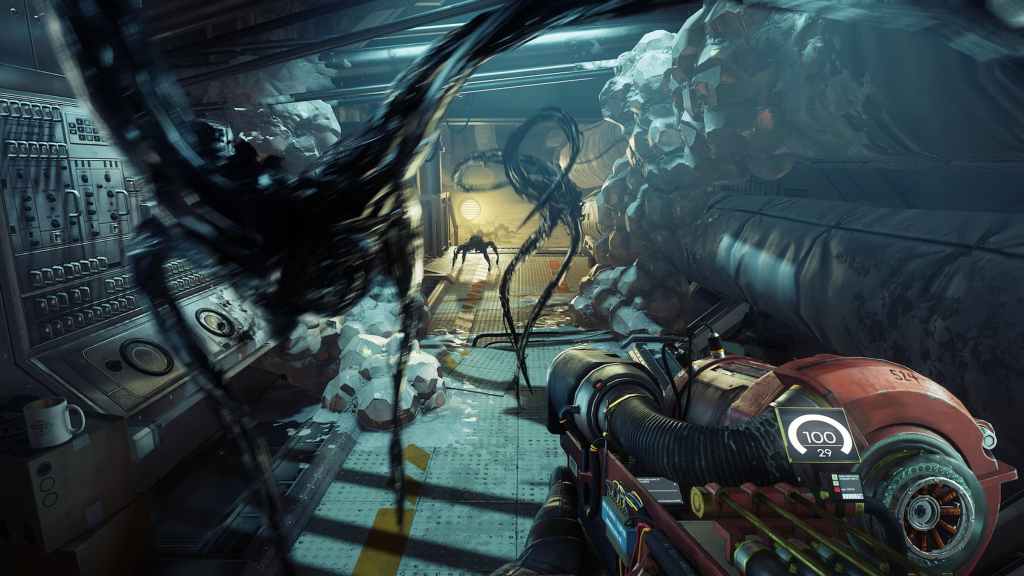
Beyond its mechanics, Prey tells a story that is both personal and thought-provoking. Set aboard the Talos I space station, it explores themes of identity, memory, and what it means to be human. These ideas are woven into both the narrative and the gameplay. I found myself deeply invested in the world. The station feels alive, filled with logs, emails, and environmental details that reveal what happened before everything went wrong. Prey’s storytelling rewards exploration and attention to detail.
The choices you make throughout the game also matter. They shape how the story unfolds and how characters react to you. This creates a sense of ownership over the experience. I was not just following a story but actively shaping it. From the moment I saw the opening sequence, I was hooked, and the story never lost me for a moment. I still think about Prey’s narrative from time to time and am always tempted to jump back in for another playthrough.
What makes it even more frustrating that Prey has not received a sequel is how much potential there is to expand on these ideas. The foundation is already there. The world, the mechanics, and the storytelling all deserve to be explored further. Prey remains one of the most unique and ambitious sci-fi shooters ever made. From its unforgettable opening to its deep gameplay systems and impactful story, it set a standard that few games have matched since. The fact that it still does not have a sequel feels like a missed opportunity for both players and the industry. And with the poor reception of Redfall and how Microsoft have treated Arkane Studios, I doubt we’ll get the much needed sequel.
What do you think? Leave a comment below and join the conversation now in the ComicBook Forum!
More Gaming
-

Courtesy of Wizards of the Coast