
There are so many incredible FPS games available right now that it is no surprise a few fall through the cracks. Every now and then, a truly remarkable title will come along, bizarrely underperform, and exit the zeitgeist without so much as a faint whisper of admiration. It is, of course, a testament to just how many amazing games we’ve been treated to over the past two decades, at least, but nevertheless a genuine shame each and every time it happens.
Videos by ComicBook.com
Among all the amazing shooters you forgot about stands one that absolutely should have garnered a far bigger fanbase than it actually did. Halo 3: ODST launched to fairly positive reviews, but suffered as a result of poor pricing and high-expectations. As a result, this genuine masterpiece often gets buried by the trilogy it’s unfairly attached to and the legendarily good game that came after it. Yet, ODST does something so remarkable that, despite its steep competition, it manages to rise above them all.
Halo ODST Is One Of The Best FPS Games
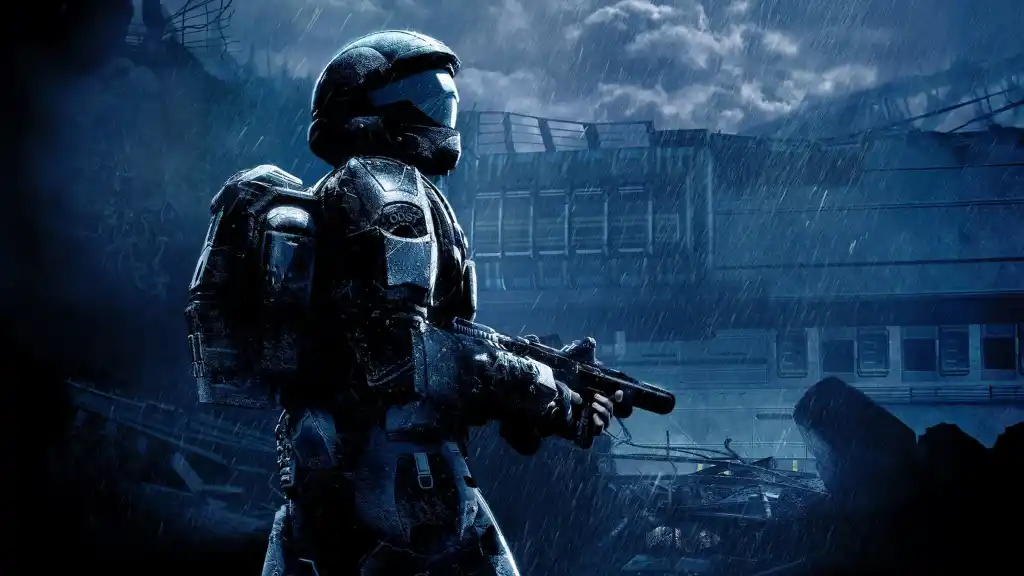
It is undeniably unfair to claim that Halo 3: ODST is an underrated game. Not only was it a huge commercial success, quickly becoming one of the best Xbox games of its generation and, frankly, all time, but it has remained an immensely popular title amongst the franchise’s fans. However, while it certainly isn’t underrated, ODST never truly feels as if it gets the adequate amount of praise it deserves. After all, it is a truly exceptional FPS and a one-of-a-kind experience.
That lack of consistent and vocal popularity likely stems from both its position within the Halo franchise and the backlash against its initial pricetag. The latter is a problem that has come to bite many games in recent memory (Concord being a prime example). To add insult to injury, it was further exacerbated by the short length of ODST’s campaign. Despite it being one of the greatest FPS campaigns in gaming history, the fact that it could be completed within just a handful of hours didn’t sit right with those who had forked over $60 to play it.

While those who’ve played it since launch and paid substantially less have enjoyed it considerably more, the bad taste left in the mouths of those who were desperate to play it at launch has somewhat hurt its long-term appeal. However, it is likely more due to being sandwiched between the epic finale of one of gaming’s most beloved titles, Halo 3, and the fan-favorite Halo: Reach that hurt ODST most of all.
It also doesn’t help that it is burdened with the Halo 3 moniker, something that ultimately sets certain expectations that ODST was seeking to break. All of this ultimately led to ODST falling to the wayside despite its commercial success and favorable reception at launch. As aforementioned, that’s a shame, as not only is ODST one of the best Halo games, but it’s a first-person shooter that dared to be different, offering not just a unique experience, but one that resonated on such a profound level that only one game has been able to replicate it since.
There’s Nothing Like Halo ODST
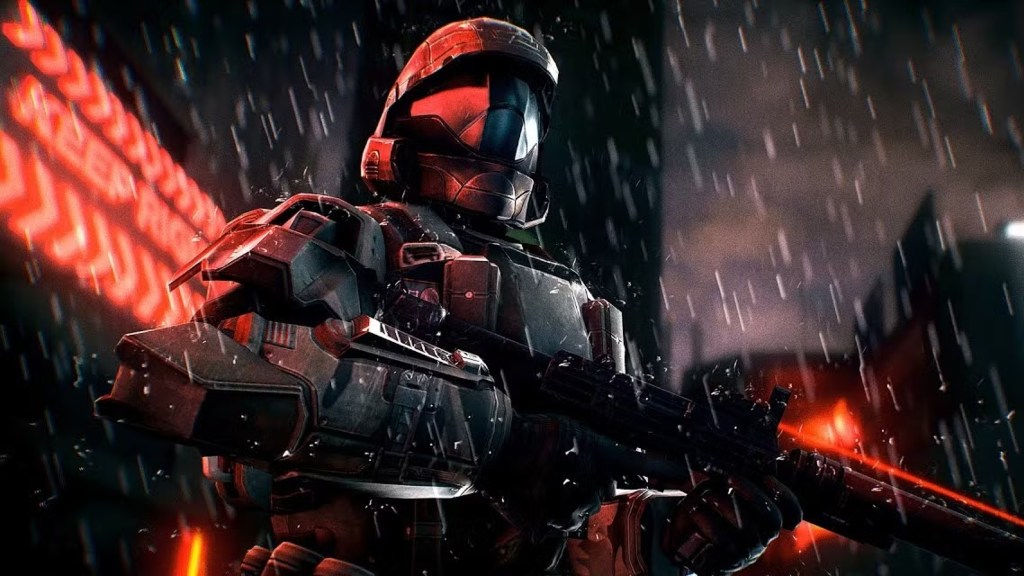
Halo 3: ODST offers a vastly different experience to both the original trilogy and Reach. While the latter adopted a lot of its more sombre tone (that’s not to imply the original trilogy wasn’t packed full of similarly depressing moments), ODST tells a more human story, one grounded in a novel narrative structure and haunting ambience that both portrays the void left behind by war and the immeasurable pain of loss.
Its greater focus on depowering the player to better tell its narrative makes it feel more akin to a survival horror game than a typical sci-fi FPS. These segments of skulking through down pitch-black alleyways and across abandoned plazas, as soft jazz and the endless downpour of rain sweep across the neon-soaked city, are incredibly memorable. The reflective tone feels simultaneously tense and lonely, something intensified by the long stretches of simply walking. Unlike the constant, near-uninterrupted hectic firefights of all other Halo games, ODST relishes the quiet moments as you simply wander lost, cold, and afraid.
Naturally, being a Bungie game, these moments of quietude are balanced with the more traditional Halo fare told through flashbacks. However, even these action-packed sequences are peppered with tense shootouts that evoke the brutality of something like the classic Call of Duty campaigns rather than Halo. The discombobulating narrative structure that sees you return to the haunted city after each bullet-laden encounter also heightens the overall mystery, leading to a finale that is incredibly satisfying, to say the least.
We May Never Get Another Game Like ODST
Other than Spec Ops: The Line, another game praised for its haunting atmosphere and defiance of convention and expectations, no game has come close to replicating the feeling that Halo 3: ODST, its moody soundtrack, bleak visuals, and soul-stirring narrative give. Similarly, no series within this genre has offered an entry as experimental or daring as ODST. That’s not to say that there aren’t bleak shooters out there with great atmospheres that deal with the misery of war.
Xbox’s own Gears of War does a phenomenal job of that, and EA tried to tackle it with the remarkably depressing Battlefield One. Rather, Halo 3: ODST offered something unexpected after a good, but traditionally framed, trilogy ended. It was Bungie’s way of showcasing that it had more to offer than what players had seen thus far, more to say within this universe. Reach, in parts, was an extension of that. While it stuck fairly rigidly to the formula established in the original Halo trilogy, sparks of ODST’s tone and atmosphere could be felt in missions like New Alexandria and Lone Wolf.

Still, there truly is nothing like ODST, and that’s a great shame. It was more than just a spin-off; ODST showcased a different type of Halo experience, another path forward that was just as compelling as the mainline entries, despite its noticeable lack of Master Chief. Alas, we’re unlikely to get a sequel and even less likely to get another experimental entry in such a recognizable, AAA series. So, if you’ve forgotten about ODST or simply not played it in a while (or at all), I recommend giving it a go. Just be sure to bring a good pair of headphones and a lot of tissues.
What do you think of Halo 3: ODST? Leave a comment below or join the conversation below in the ComicBook Forum!
