For decades, the Dragon Quest series has been one of the most consistent JRPG series, even today when many games are ditching turn-based combat. Entries have typically featured similar settings, combat systems, and stories while offering enough to make each game stand out. The charming monster designs and heartfelt adventures have become one of Dragon Quest’s defining features, and the series remains one of the most influential RPG franchises in video game history. Dragon Quest XII is poised to continue this tradition, but when we look back at past entries, there is one entry in particular that stands out because it was so wildly different than what came before.
Videos by ComicBook.com
When Dragon Quest IX: Sentinels of the Starry Skies released sixteen years ago on July 11th, 2010, it built upon its predecessors, but made some choices that divided the fanbase. It introduced new mechanics like multiplayer features and replaced the traditional story-driven protagonist with a fully customizable avatar. Some embraced the added freedom and cooperative play, while others felt the changes sacrificed elements that had defined the series for decades. Even today, Dragon Quest IX remains one of the franchise’s most debated entries.
Why Dragon Quest IX Was Such a Dramatic Change
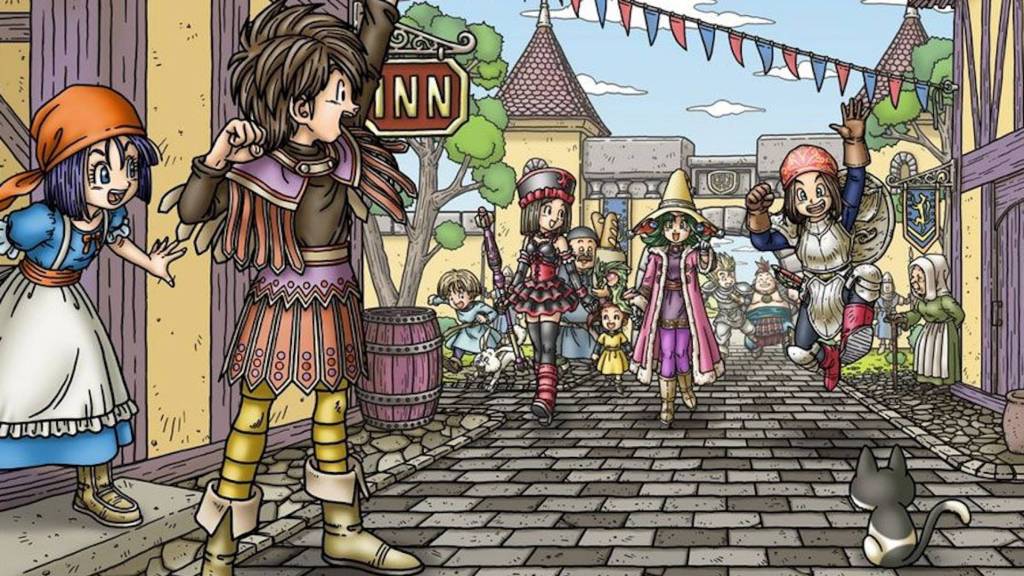
Before Dragon Quest IX, every mainline entry centered on a defined protagonist with a specific appearance and place in the story. While many heroes remained silent, they were still recognizable characters who fit naturally into each game’s narrative. The hero was often complemented by a cast of charming and memorable characters that brought the story to life through endearing and emotional story arcs.
Dragon Quest IX took a very different approach. Players created their own protagonist from scratch, customizing appearance and later building a party through recruitable characters rather than permanent story companions. The change gave players unprecedented control over their adventure, but it also removed many of the personal interactions that longtime fans had come to expect from the series. For some players, the world felt less intimate because the central cast no longer revolved around established personalities that were carefully crafted by Square Enix.
Looking back, it is easy to understand why the decision proved so divisive. Character-driven storytelling had always been one of Dragon Quest’s greatest strengths, even if it wasn’t necessarily driven by the protagonist. Replacing that structure with player customization fundamentally changed how the adventure unfolded. Some players appreciated the freedom, while others missed the emotional bonds that previous games had created through fixed protagonists and party members. I found myself on the side that would have preferred Dragon Quest not adopt customization as so many other series had.
Multiplayer Created Excitement and Frustration
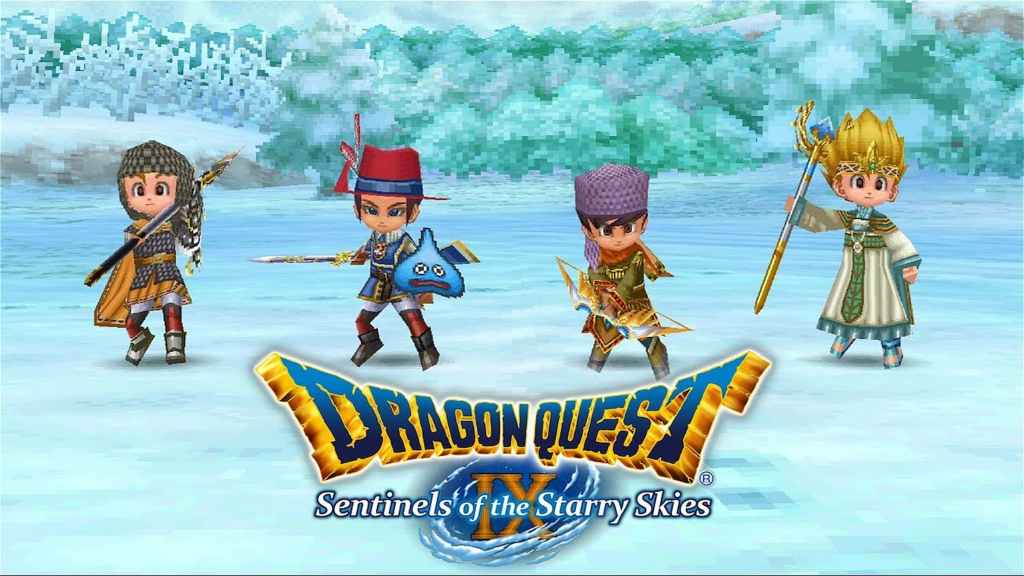
The other major source of debate was multiplayer, and this may have been the most divisive element of Dragon Quest IX. For the first time in a mainline Dragon Quest, players could invite friends into their worlds for cooperative adventures using the Nintendo DS’s local wireless functionality. It was an ambitious feature that encouraged players to tackle quests together, share treasure maps, and extend the game’s already impressive longevity. It was also a major feature of the game.
In Japan, where local multiplayer gatherings were far more common, the feature became one of the game’s biggest successes. Rare grotto maps circulated between players, creating a social phenomenon that lasted for years after release. Some legendary treasure maps became highly sought after because they featured rare monsters, valuable equipment, or efficient leveling opportunities. Cooperative exploration added another layer to the experience that many fans embraced wholeheartedly.
Outside Japan, however, the reception was more complicated. Local wireless multiplayer was far less practical for many Western players, limiting access to one of the game’s headline features. As a result, some players felt they were experiencing only part of what the developers intended. Those differing experiences helped explain why opinions surrounding Dragon Quest IX varied so dramatically depending on where players lived and how they played.
Time Has Been Kind to Dragon Quest IX
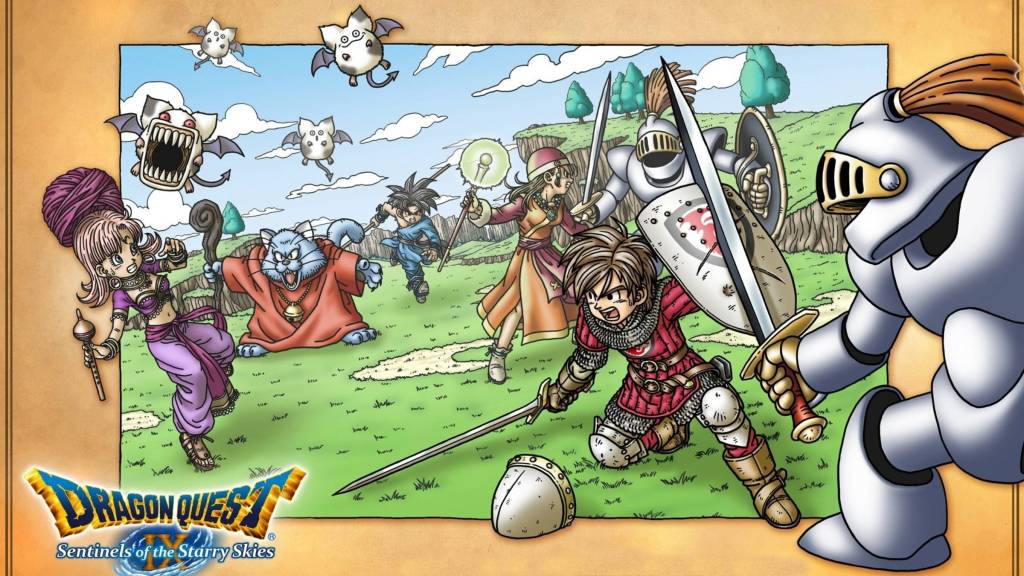
Despite the controversy surrounding its biggest innovations, Dragon Quest IX received good reviews and sold millions of copies worldwide. Praise was aimed at the large amount of content it offered, the flexible class system, polished combat, and replayability. There was even a strong portion of players who initially criticized the game that found themselves changing their opinion after spending hundreds of hours exploring, vocation training, treasure hunting, and in the postgame.
I found myself in a similar situation on my first playthrough. It took far longer to get into Dragon Quest IX than it did any other game. Creating my own hero instead of stepping into the role of a predefined protagonist seemed strange after playing earlier entries and my own love of custom characters. Yet as I experimented with different vocations and discovered just how much optional content the game offered, I began to appreciate what the developers were trying to accomplish. It never replaced the traditional formula, but offered a different experience.
Sixteen years later, Dragon Quest IX remains the most controversial mainline entry because it challenged traditions that many fans considered essential to the series’ identity. At the same time, it demonstrated that Dragon Quest could successfully experiment without abandoning the turn-based gameplay and charming world that made it beloved in the first place. Whether fans loved its multiplayer focus and customizable protagonist or preferred the classic approach, there is no denying that Dragon Quest IX remains one of the boldest games in the series.
What do you think? Leave a comment below and join the conversation now in the ComicBook Forum!
More Gaming
-

Courtesy of Wizards of the Coast -

Courtesy of Konami