In many respects, Dragon Quest is a series that helped solidify the identity of a JRPG, alongside the equally iconic Final Fantasy franchise. The turn-based combat, story structure, party mechanics, and other core systems of the genre have been repeatedly defined by Dragon Quest, making it a series with a lot of consistency. However, leaders behind the Dragon Quest games have suggested that the features behind the series are always subject to change, implying something new could be on the way.
Videos by ComicBook.com
Recent announcements from developer Square Enix have hinted that another Dragon Quest game could be revealed as soon as this month, May 2026. Fans have long awaited for Dragon Quest 12, but another remaster of an older title in the series wouldn’t be too far-fetched either. Considering the success of the Dragon Quest 2D-HD remakes in the art style of games like Octopath Traveler, it’s easy to imagine another older fan-favorite getting remade.
Dragon Quest Creators Suggest That The JRPG Series Could Move Away From Turn-Based Combat
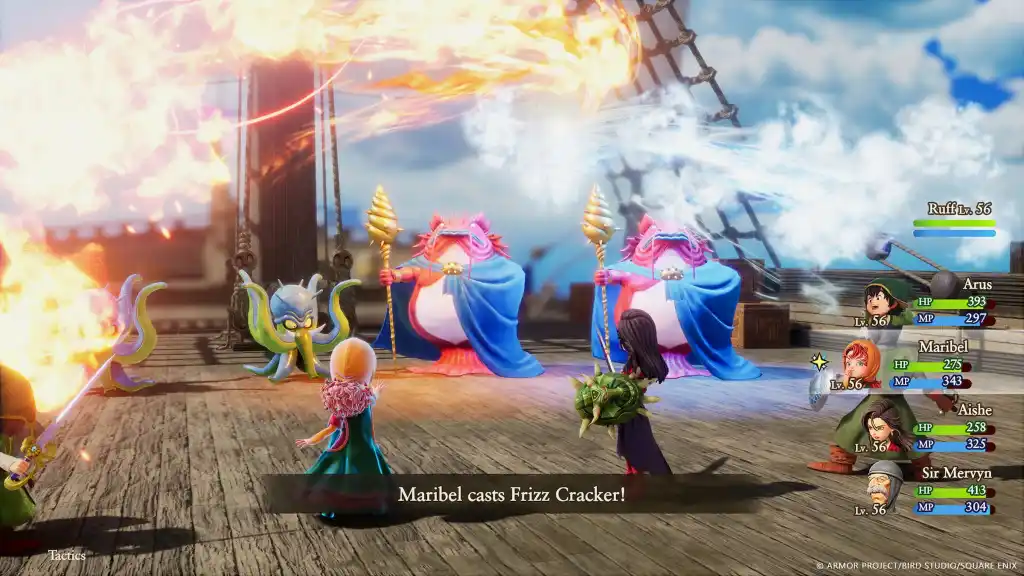
Recent comments from Dragon Quest director Masato Yagi in an interview with Games Radar have shown the creator’s interest in moving away from established systems in the series, including turn-based combat. The current lead on Dragon Quest 7 Reimagined, Yagi stated that “what matters is the underlying theme of the game and selecting the most accessible system that best brings that theme to life, so turn-based combat isn’t necessarily a requirement.” This is almost an inverse to current trends, where many indie titles are revisiting turn-based systems for new experiences.
This change would be huge for the franchise, as Dragon Quest has stuck to turn-based combat far more than its JRPG peers like Final Fantasy. Games like Final Fantasy 16 and Final Fantasy 7 Rebirth emphasize action-based gameplay over traditional turn-based mechanics, even if they retain some party building aspects seen in the genre. Yet, at the same time, recent hits like Clair Obscur: Expedition 33 bring new innovations to turn-based combat, showing how games have been basing their direction around what system fits their themes best, highlighting Yagi’s earlier point.

In more of Yagi’s words, “creators from various countries and generations have revisited the turn-based genre they grew up with, exploring new approaches to presentation, systems, pacing, and story-telling.” This perhaps has led the Dragon Quest lead to follow a new approach of their own, without feeling a need to preserve traditional systems in the series. If Dragon Quest doesn’t need to be the one series that holds on to historic turn-based combat to keep it alive in some way, it might be able to develop new ideas in future titles.
Deviations From A Historic IP’s Identity Have Become More Common In Recent Years
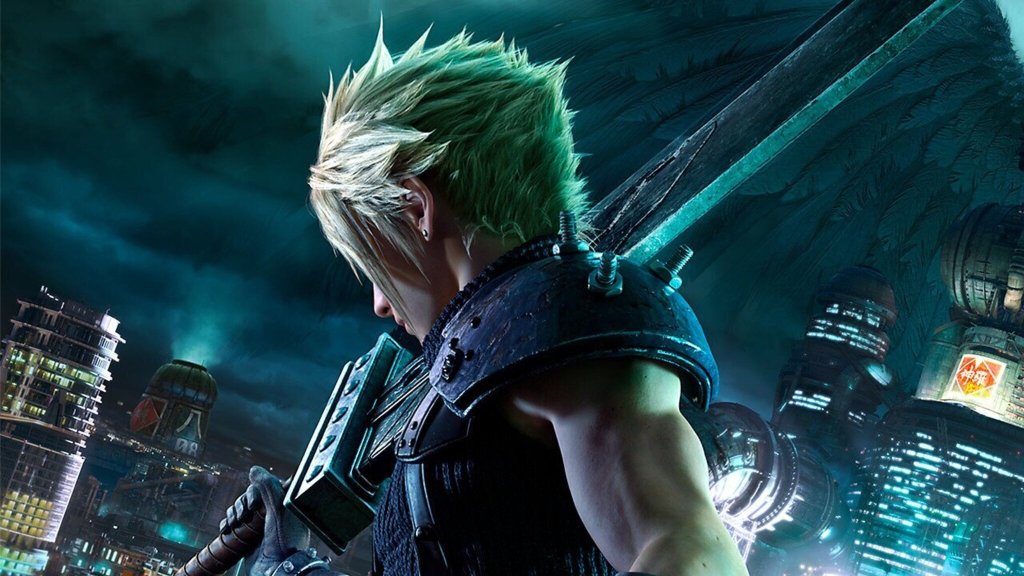
Final Fantasy 7 Remake is the biggest example of a famous IP changing their formula for a reinvention of sorts. However, it is hardly the only instance of this happening in recent years, with even the reverse happening sometimes. The Yakuza series changed into turn-based battles for the Like a Dragon games, while Phantasy Star Online adopted action over a turn-based style much like FF7 Remake. Series have even changed and gone back between both approaches, such as Digimon World 2 and 3 being turn-based, but Digimon World 4 going back to the action of the series’ first title.
The back-and-forth seen from some series takes a lot of pressure off Dragon Quest if it wants to change in its next title. Regardless of whether a remake or new entry in the franchise wants to move on from turn-based combat, the established shifts from other IPs have paved the way for innovations to adopt. Square Enix’s library of RPGs have already been getting bolder over the years, changing their identities to match the themes and ideas of a particular title instead of holding onto past systems all the time.
On the other hand, many players may not want to see the series deviate from the turn-based framework it has used over several decades. For many, losing access to turn-based combat in favor of action would be too much of a shift to invest in any title. This is a risk Dragon Quest will have to consider in its future, if ideas from its creative team want to move on experiment with new features surrounding combat, story, or anything else.
Would you want to see the Dragon Quest series move on from turn-based combat? Leave a comment below or join the conversation in the ComicBook Forum!
More Gaming
-

Courtesy of Saber Interactive -
Image Courtesy of Electronic Arts/Secret Mode