Dragon Quest is a series that needs no introduction, as it has been one of the leading JRPG series for nearly 40 years. Created by Yuji Horii and first released in 1986, the series helped establish the foundation for the Japanese role-playing game genre. While many RPG franchises have evolved dramatically over the decades, Dragon Quest has maintained a clear identity built around accessible turn-based combat, charming world design, memorable characters, and a sense of adventure that few series can match. Its influence can be seen across countless games that followed, from Japanese RPGs to modern open-world adventures.
Videos by ComicBook.com
Ranking the mainline Dragon Quest games is particularly difficult because the series has remained remarkably consistent. Unlike many long-running franchises, there are very few outright missteps. Fan reception, genre influence, innovation, storytelling, and long-term legacy all play major roles in determining the best and worst of the series. Some games revolutionized RPG design, while others perfected existing ideas. With those factors in mind, here is every mainline Dragon Quest game ranked from worst to best.
11) Dragon Quest II Luminaries of the Legendary Line
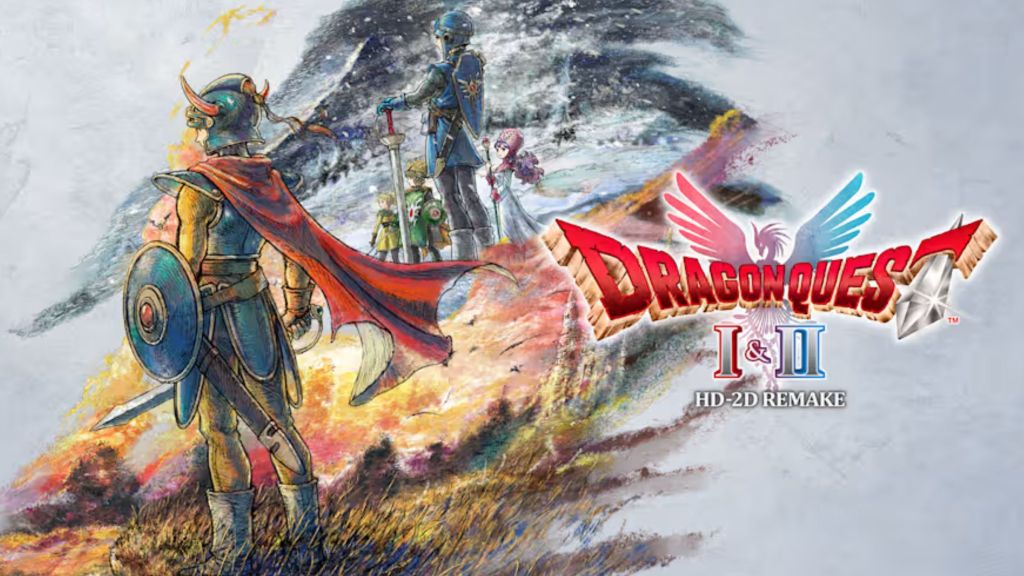
Released in 1987 for the Famicom, Dragon Quest II expanded on the original game in ambitious ways. It introduced a party system, a much larger world, and a broader scope than its predecessor. These additions helped establish features that would become staples of the genre.
Despite its historical importance, the game is often regarded as one of the roughest entries in the series. The difficulty curve becomes notoriously unforgiving during the later portions of the adventure, and balancing issues can create frustrating situations that feel unfair by modern standards.
Its placement at the bottom of this ranking is less a criticism of its achievements and more a reflection of how much the franchise improved afterward. Dragon Quest II laid critical groundwork for future RPGs, but later games refined nearly every concept it introduced. It had the right ideas, just not the right execution.
10) Dragon Quest X
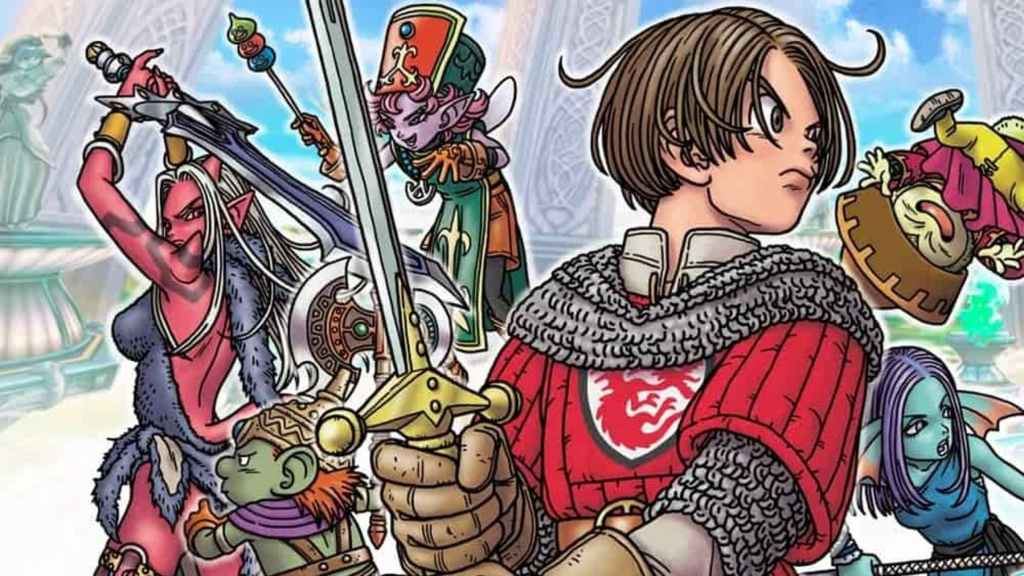
Released in 2012, Dragon Quest X stands apart from every other mainline entry because it is an MMORPG. The game remains hugely successful in Japan and has received numerous expansions that continue to expand its world and story. But this has proven to be a double-edged sword.
The challenge for Dragon Quest X is accessibility. Because it was never fully localized for Western audiences, much of the series’ fanbase has been unable to experience it. As a result, its influence and popularity outside Japan have never reached the level of other mainline entries.
Those who have played it often praise its ability to retain the charm and spirit of Dragon Quest within an online environment. However, limited availability and its departure from the traditional single-player formula make it difficult to rank higher than the series’s most beloved classics.
9) Dragon Quest
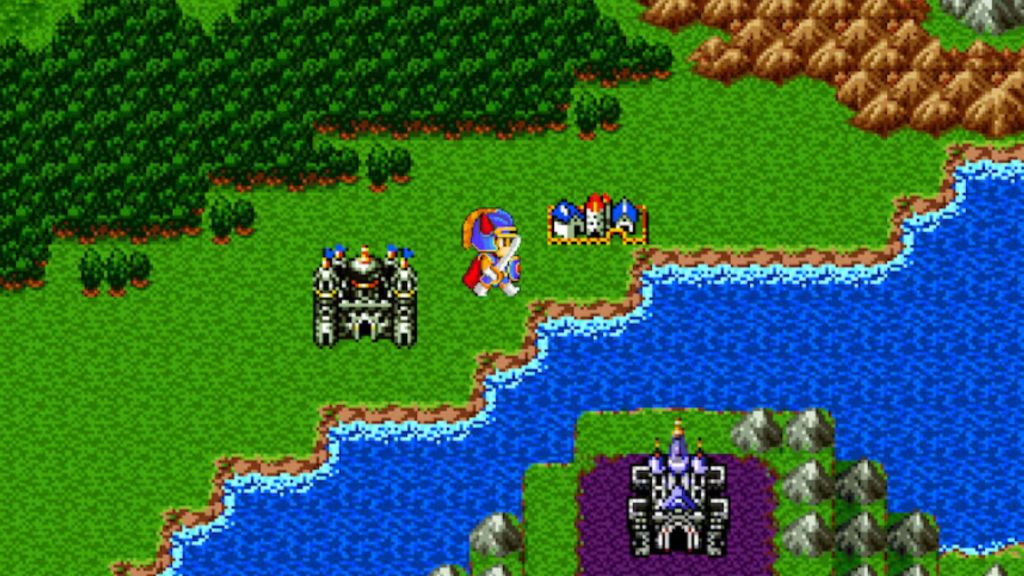
The original Dragon Quest arrived in 1986 and changed video game history. At a time when RPGs were still largely confined to computers, it introduced a streamlined and approachable experience that helped bring the genre to consoles. That said, one has to consider the game outside of its contribution to JRPGs.
Looking at the game with today’s standards, Dragon Quest is understandably simple. Players control a single hero, the story is straightforward, and combat lacks the complexity found in later entries. Many of the mechanics that became series staples had yet to be developed.
That said, its influence is impossible to ignore. Without Dragon Quest, the Japanese RPG landscape would look very different today. While newer games have surpassed it in nearly every category, its historical significance makes it an important game in the franchise and genre.
8) Dragon Quest VI: Realms of Revelation
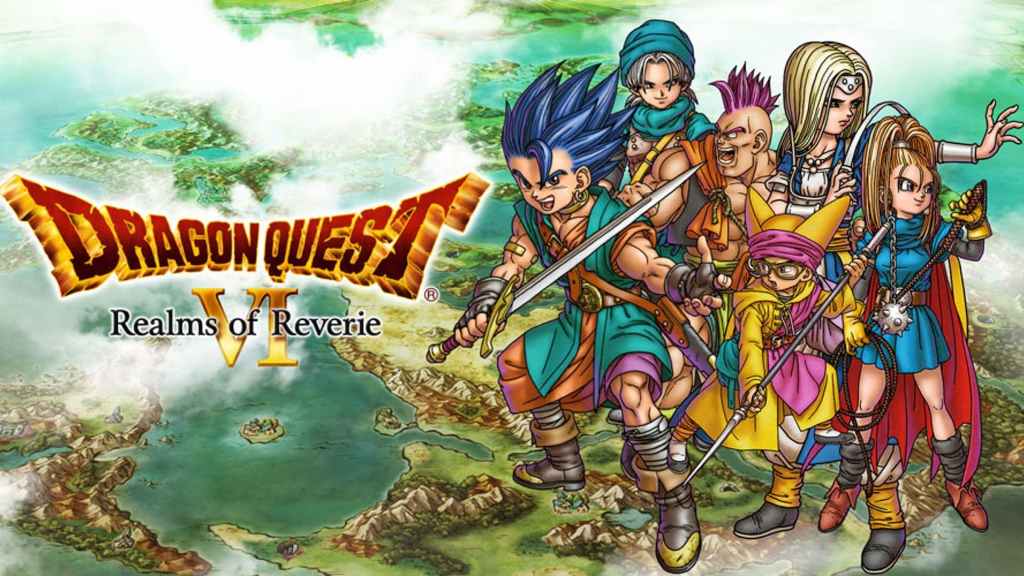
Originally released in 1995 for the Super Famicom, Dragon Quest VI served as the conclusion of the Zenithian Trilogy. The game introduced an ambitious dual-world structure that allowed players to travel between reality and a dream world, effectively doubling the amount of content available.
One of its greatest strengths is its expansive vocational system. Players can extensively customize party members, creating unique character builds that encourage experimentation. This depth offered so many strategic elements that few Dragon Quest games can match it, even decades after release.
The game’s complex narrative and sprawling design can occasionally feel less focused than other entries. Nevertheless, its ambitious ideas, strong customization options, and memorable world have earned it a place among this storied franchise.
7) Dragon Quest IV: Chapters of the Chosen
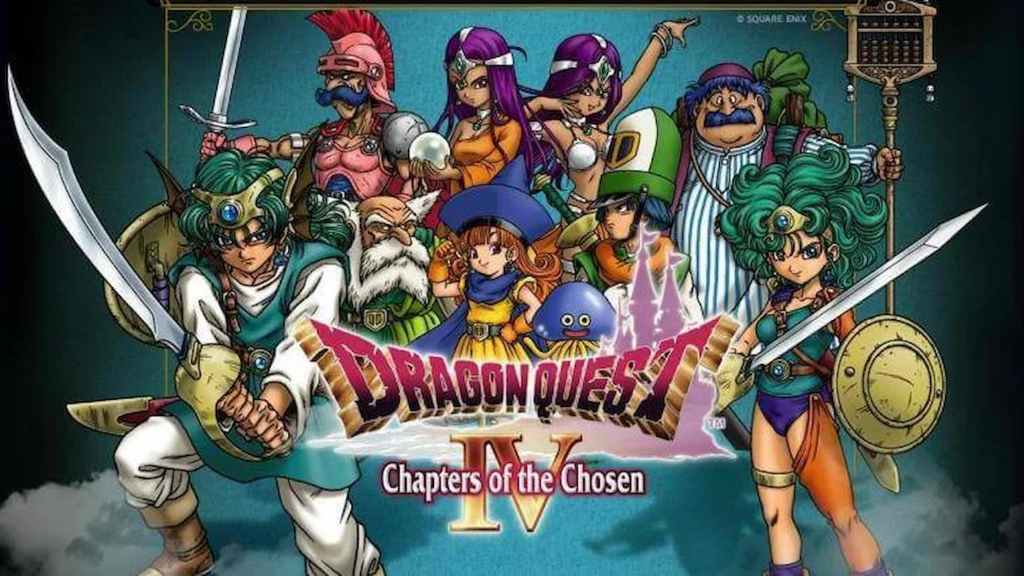
Released in 1990, Dragon Quest IV: Chapters of the Chosen represented a major step forward for storytelling in console RPGs. The game divided its narrative into multiple chapters, each focusing on different protagonists before eventually bringing them together. One could argue it was the concept that would ultimately be the foundation for Octopath Traveler.
This structure was innovative for its time and helped create stronger character development than many competing RPGs. Players became invested in each hero’s journey long before the main story reached its conclusion. When each quest came together, there was a connection between the player and each hero.
The chapter-based storytelling influenced future RPGs and demonstrated that character-driven narratives could become a major strength of the genre. While later games expanded on these concepts, Dragon Quest IV deserves recognition for helping pave the way.
6) Dragon Quest III
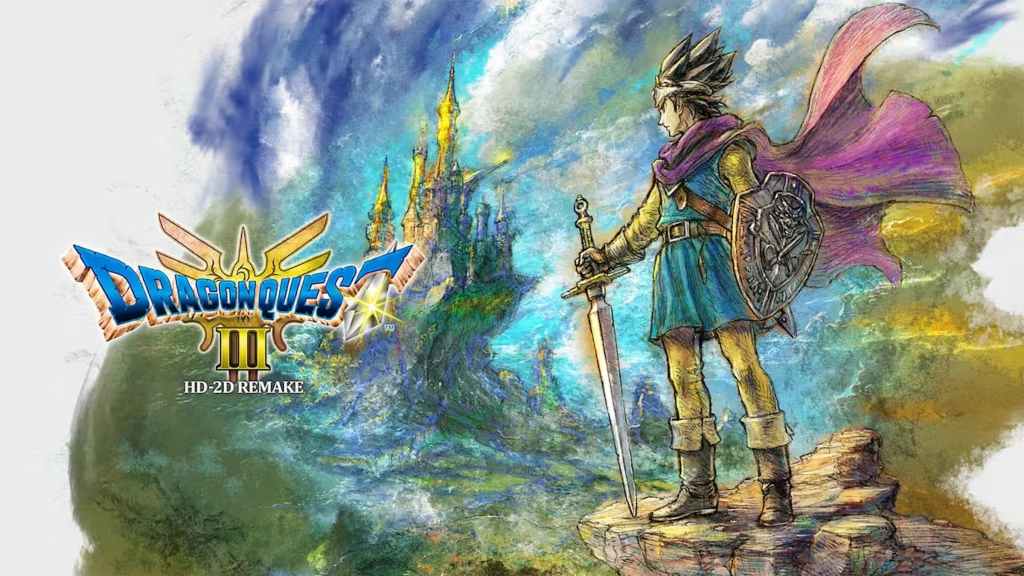
Released in 1988, Dragon Quest III is widely considered one of the most influential RPGs ever made. It dramatically expanded the scope of the series while introducing a flexible class system that gave players greater control over party composition. This system would go on to help shape future JRPGs within and outside of Dragon Quest.
The game’s sense of exploration and freedom felt revolutionary at the time. Players could build parties tailored to their preferred playstyles while exploring a world filled with secrets and discoveries. Uncovering hidden items and defeating bosses with a custom-tailored party felt very satisfying compared to previous games.
Many mechanics that became standards throughout the RPG genre can trace their roots to Dragon Quest III. Its impact remains enormous, and its continued popularity decades later speaks to the quality of its design. The remake of Dragon Quest III showed how well the game could stand against modern titles with a little bit of HD polish.
5) Dragon Quest IX: Sentinels of the Starry Skies
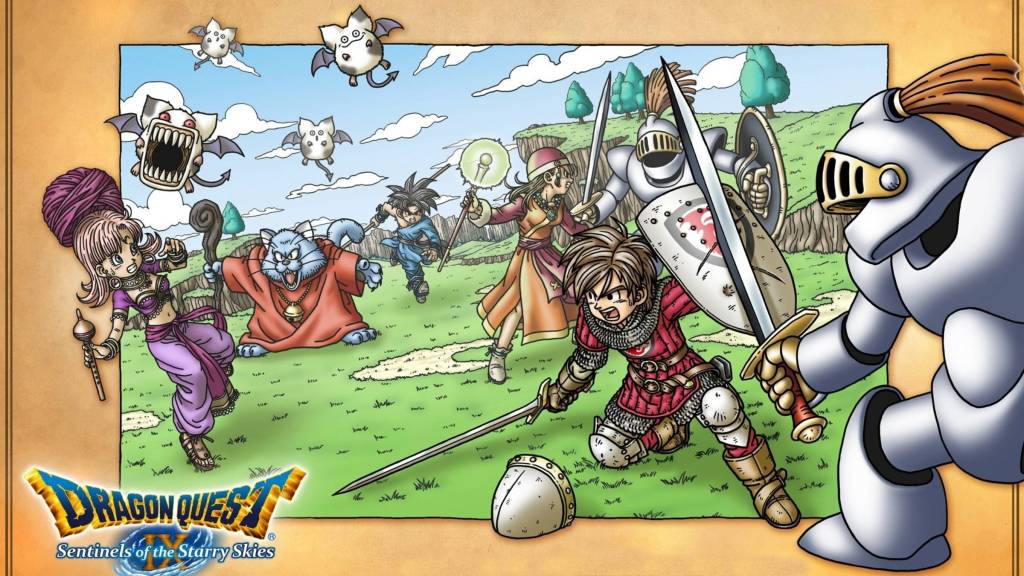
Released for the Nintendo DS in 2009, Dragon Quest IX took the series in a new direction. Character customization became a central focus, and the game introduced multiplayer elements that helped create a unique social experience. It was praised by many, but its release was divisive among fans because of how it handled its protagonist and other features, such as multiplayer.
The vocation system offered exceptional flexibility, allowing players to experiment with countless character builds thanks to how it built on what previous games established. Combined with extensive post-game content, it provided hundreds of hours of gameplay for dedicated fans and was one of the more extensive games in the series.
Its multiplayer features became a cultural phenomenon in Japan, while its customization systems remain among the best in franchise history. Though some fans prefer more traditional entries, Dragon Quest IX delivered one of the deepest gameplay experiences the series has ever offered. Placing it was difficult, as it is usually ranked in wildly different spots with high highs and low lows.
4) Dragon Quest VII: Fragments of the Forgotten Past
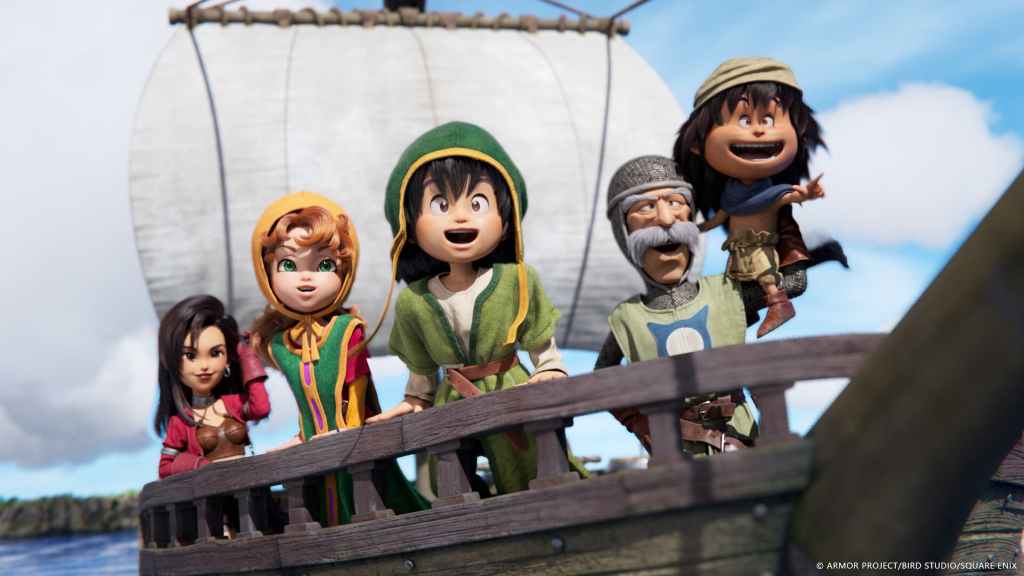
Originally released on the PlayStation in 2000, Dragon Quest VII is one of the most ambitious games in the franchise. The adventure spans dozens of islands, timelines, and interconnected stories that gradually reveal the history of an entire world. Its length is one of its most praised qualities, though the opening has received criticism for its slow start.
Its narrative structure remains one of the most unique in the series. Restoring forgotten lands and witnessing the consequences of actions across different eras creates a sense of scale few RPGs can match. This leads to many smaller stories that help shape and drive the overall narrative, culminating in the central plot.
The game’s enormous length has always been divisive, but for many fans, that scope is part of its appeal. Its rich storytelling, memorable scenarios, and ambitious world-building have helped it earn a passionate following over the years. While the original game stands out on its own, Dragon Quest VII Reimagining offers many quality-of-life features that make it one of the best JRPGs of all time.
3) Dragon Quest XI: Echoes of an Elusive Age
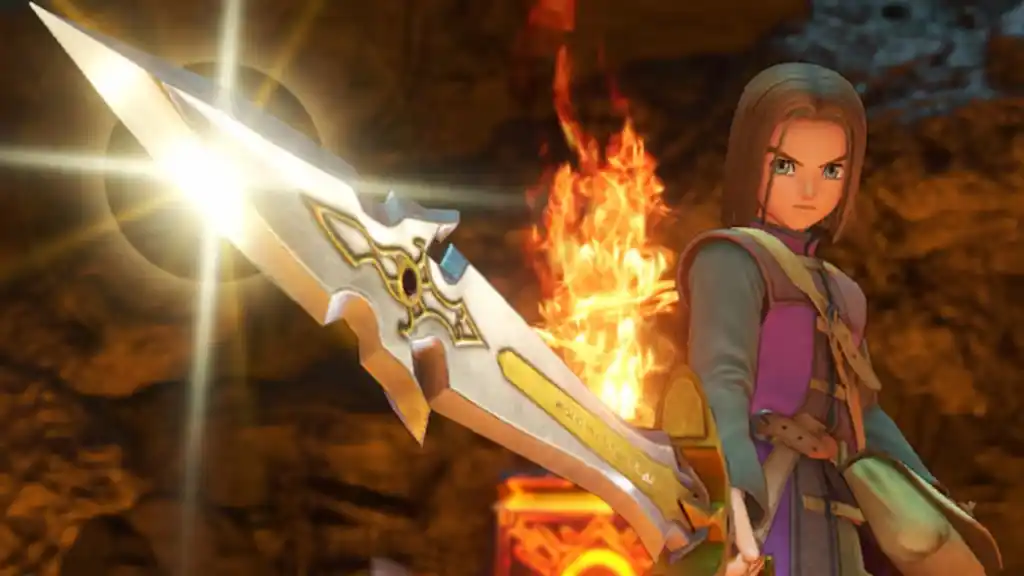
Released in 2017, Dragon Quest XI demonstrated that traditional turn-based RPGs could still thrive in the modern gaming landscape. At the time, and largely still today, many JRPGs were adopting real-time action combat. But Square Enix blended classical mechanics with modern visuals and quality-of-life improvements to create a turn-based masterpiece.
Many praised its polished combat system, engaging story, and memorable cast of characters. The world felt expansive without becoming overwhelming, and the adventure captured everything that players love about the franchise. The beautiful visuals were the most impressive Dragon Quest had ever delivered and emphasized the style of the series like never before.
What makes Dragon Quest XI special is how well it embraces the series’ roots while still feeling modern. It serves as both a celebration of the franchise’s history and one of its finest modern achievements. There is little doubt that Square Enix can use its success and make Dragon Quest XII the best the series has seen yet.
2) Dragon Quest V: Hand of the Heavenly Bride
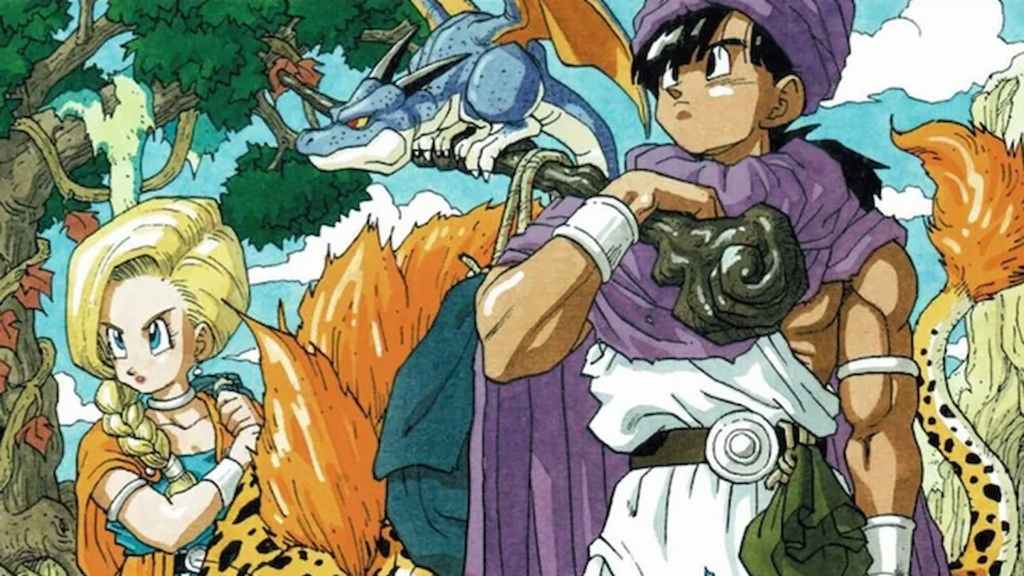
Released in 1992, Dragon Quest V is often regarded as the emotional high point of the series. The story follows the hero across multiple stages of life, creating a narrative scope that was remarkably ambitious for its era. It almost feels reminiscent of Chrono Trigger, one of the best JRPGs of all time, even if it doesn’t have the time-traveling element.
The game’s focus on family, legacy, and personal growth helped it stand apart from other RPGs. Players witness the protagonist’s journey from childhood into adulthood, creating a stronger emotional connection than most games of the time. It was also something that almost no JRPG had done, as the events in most games happen in small periods of time rather than across a lifespan.
Its monster recruitment system also introduced mechanics that would inspire future games across the industry, especially Dragon Quest Monsters. Combined with its powerful storytelling, Dragon Quest V remains one of the most beloved entries in the franchise and is responsible for a lot of the growth in games after it.
1) Dragon Quest VIII: Journey of the Cursed King
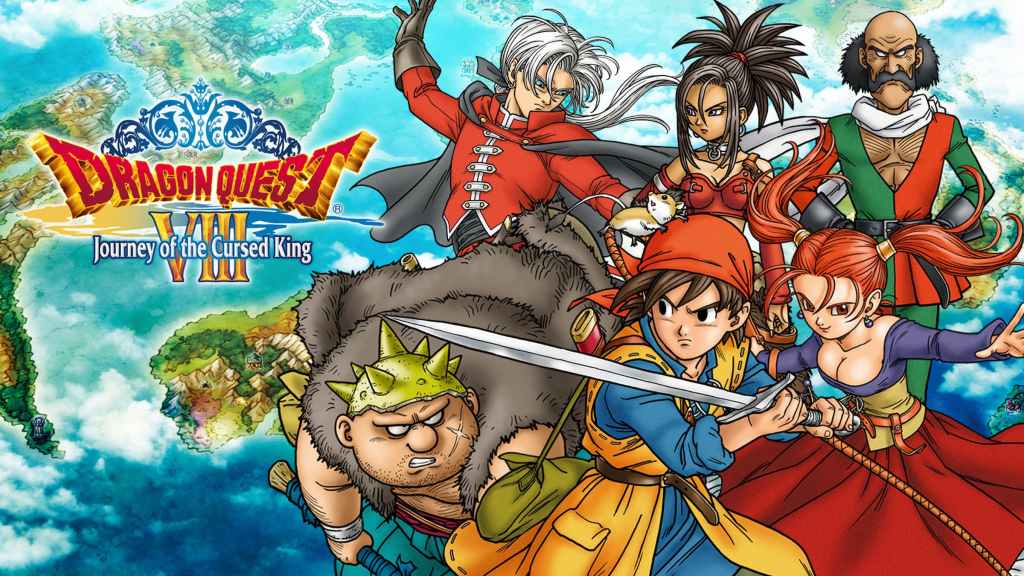
Released for the PlayStation 2 in 2004, Dragon Quest VIII represents the series at its absolute best. It successfully brought the franchise into fully realized 3D environments while preserving everything that made previous entries special. It is a wonder that Square Enix has yet to remake the game, but it may be coming after Dragon Quest VII Reimagined.
The game’s world remains one of the most charming and immersive settings in RPG history. Exploration feels rewarding, the cast is unforgettable, and the adventure strikes an ideal balance between humor, drama, and discovery. Other games may do some things better than it, but few feel as comprehensive and well-rounded as this PS2 classic.
More than any other entry, Dragon Quest VIII captures the essence of what makes the franchise great. Its visual presentation was stunning for its time, its gameplay remains enjoyable today, and its influence can still be felt throughout the genre. Nearly two decades later, it remains the benchmark by which many fans judge the entire series.
Where do you stand on this? Jump into the comments and join the conversation now in the ComicBook Forum!
More Gaming
-

Courtesy of Insomniac Games -

Courtesy of Hello Games