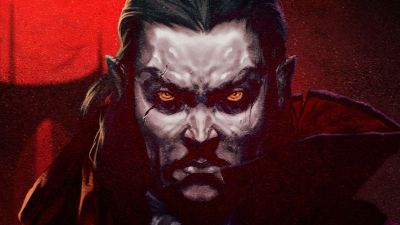
Few things have made me as happy as seeing the roguelike genre grow into the giant it is today. When it comes to indie games, it is one of the most dominant genres, and has even spread to AAA releases like Saros. But it is the indies, like Slay the Spire, Hades, or Vampire Survivors, that have been the most influential. Each has made its own mark on the roguelike genre, whether it is setting the standard for narrative-driven games or creating an entire new subgenre within roguelikes. These games have inspired countless other developers, but I am extremely excited about an upcoming indie that pulls heavily from Vampire Survivors and Hades.
Videos by ComicBook.com
Ember and Blade immediately grabbed my attention with their stylish visuals that seem straight out of Hades. It also draws inspiration from Supergiant Games, with a heavy emphasis on character-driven presentation and narrative. Gameplay is where the developer Line Games Corporation takes inspiration from Vampire Survivors, though Hades DNA is also felt here. I was further hooked after I spent considerable time in the demo, and I cannot wait to dive deeper when the game launches in Q3 2026, though I am hoping it drops sooner. Ember and Blade has a lot going for it thanks to its strong voice acting, excellent atmosphere, satisfying combat, and enough original ideas to stand on its own.
Ember and Blade Blends Fast Combat With Dark Fantasy Storytelling
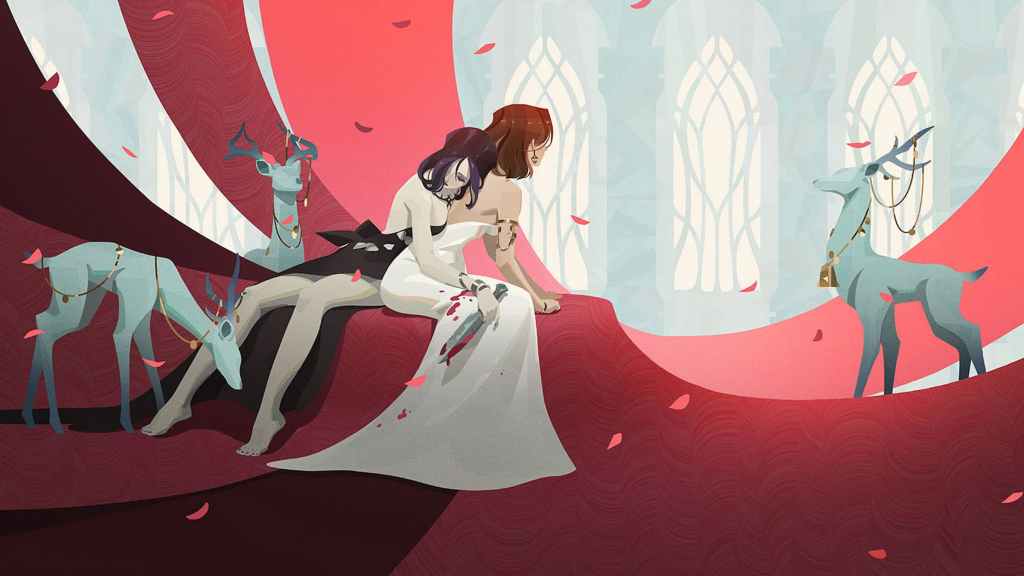
At its core, Ember and Blade is a survival-like action game built around large-scale bullet hell battles. Unlike Hades, which has a Greek theme, there is a distinct Christian vibe here, and the protagonist, Fenrix, has to battle hordes of demons. Thanks to a pact with an angel, the demon hunter is granted temporary immortality, and it leans heavily into a dark fantasy tone.
The story centers around the sealed archdemon Asmodeus and Ariella, the lone guardian protecting the seal. During my time with the demo, I loved how Line Games Corporation is striving to build a strong narrative experience that is at the heart of Ember and Blade, including its gameplay. Characters are fully voiced, conversations occur between runs, and the game introduces lore gradually in ways that feel very reminiscent of Hades. Not to mention the art for the characters is outstanding, another factor that drew me in.
Combat itself is fast and satisfying. Players carve through enormous waves of enemies while constantly upgrading abilities and adapting builds. Like many survival-like games, movement and positioning are crucial, but Ember and Blade also pull from Hades’ boon system, allowing you to customize your play style mid-run. A skill tree outside of combat in the hub world also provides additional customization.
The Judicators of Fate stand out especially well. These boss enemies are former mortals who sold their souls for demonic power, and they introduce encounters requiring much more focus than standard horde clearing. Dodging attacks, managing cooldowns, and reacting quickly creates a combat flow that feels more active and intense than many survival-like games. In a way, the bosses feel like they were designed by the legendary FromSoftware and are fit for a soulslike game.
Fans of Hades and Vampire Survivors Should Pay Attention
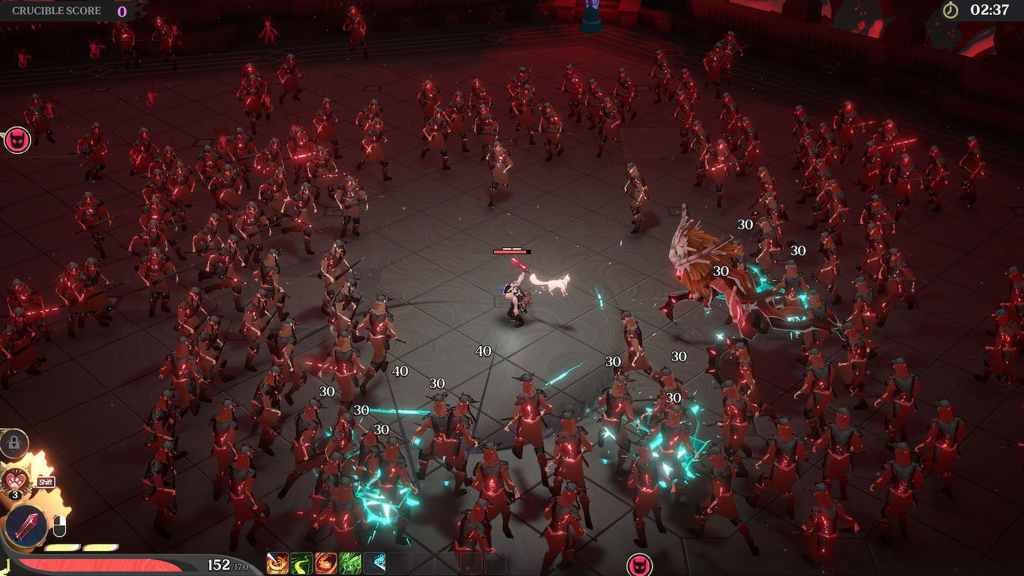
As someone who has spent hundreds of hours in both Hades and Vampire Survivors, Ember and Blade immediately felt familiar in the best possible way. Line Games Corporation clearly understands why both titles became so successful without simply copying them directly. Initially, I was worried about it being too similar. But the demo sold me on it, and where there are some similarities, Ember and Blade stand out on their own, putting their own spin on familiar aspects.
From Hades, it borrows a strong presentation and storytelling structure. The hub interactions, character dialogue, voice acting, and gradual lore reveals all create a sense of progression beyond just unlocking stronger abilities. One of the reasons Hades worked so well was because every failed run still pushed the story forward, and Ember and Blade offers that same gameplay loop.
From Vampire Survivors, the game pulls the addictive combat escalation and build experimentation. Enemy counts increase rapidly, abilities stack into absurd combinations, and surviving longer runs becomes increasingly chaotic. Watching entire hordes explode under overlapping attacks scratches the same satisfying itch that made Vampire Survivors such a phenomenon.
The angelic blessing system also adds strong replay value, and I loved encountering them thanks to the voice acting. Choosing between heavenly powers during runs, creating constantly shifting builds and strategies, gives the unpredictability that is crucial for roguelikes because repetition kills momentum quickly if runs start feeling identical. Ember and Blade feel like it genuinely cares about gameplay and story in a way that few roguelikes do.
Ember and Blade Feels Both Fresh and Familiar
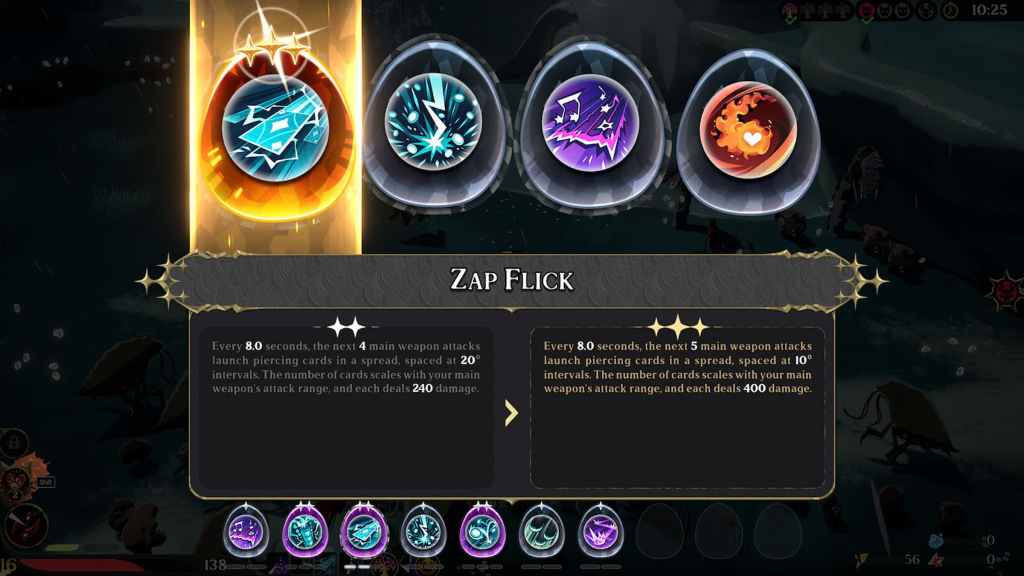
Blending influences from beloved games can be risky because comparisons become inevitable, and I cannot stand when games market themselves as a combination of games. But in Ember and Blade’s case, I see why it works. Line Games Corporation largely avoids that problem because it combines its inspirations thoughtfully instead of mechanically copying them.
The game’s pacing feels distinct from both Hades and Vampire Survivors, even though it borrows many core aspects. While it features survivors-like combat, boss encounters play a much larger role than they do in many games within that subgenre. Battles against powerful enemies slow things down slightly and force players to think strategically rather than relying purely on overwhelming builds.
Just like in Hades, the immortality mechanic also creates interesting thematic cohesion. Resurrection is tied directly into the story and progression systems, reinforcing the game’s themes of fate, death, and defiance. Every failed run becomes part of the narrative rather than simply functioning as a gameplay reset. This is the core tenet of the roguelike genre, and Ember and Blade pulls it off while delivering an atmospheric and stylish world full of personality.
Most importantly, Ember and Blade feels confident in what it wants to be. It embraces the appeal of stylish roguelike storytelling and chaotic survivors-like combat, then combines those strengths into something that feels compelling. After spending time with the demo, I came away far more excited than expected. And for fans of Hades, Vampire Survivors, or roguelikes in general, Ember and Blade absolutely deserve attention. It captures the addictive progression and satisfying combat loop that makes the genre so popular while adding enough atmosphere, storytelling, and personality to stand apart from the crowd.
What do you think? Leave a comment below and join the conversation now in the ComicBook Forum!
More Gaming
-
Image courtesy of Moon Studios GmbH -
Image courtesy of Bethesda