The third-person shooting of Returnal, combined with the game’s rougelike elements and dynamic world, is something that developer Housemarque is creating again with their spiritual successor SAROS. SAROS has a completely new setting, with one that changes drastically through an in-world event known as The Eclipse, spawning more dangerous enemies and hazards throughout your runs. This expansion of Returnal‘s procedural levels also goes beyond just where you fight, introducing a system the prior game lacked.
Videos by ComicBook.com
Sony’s February 2026 State of Play presentation showed off core gameplay of SAROS, which displayed many similarities to Returnal across the board. From enemy and level designs to the core roguelike loop, new features like modifiers and perks to strengthen your character after run attempts. Perhaps the biggest change, though, is how much more open the world of Carcosa is in SAROS, with fast travel to any biome you’ve unlocked and greater replayability features that are far easier to use than Returnal provided.
Saros Introduces The Passage As An Explorable Hub Area For In Between Runs
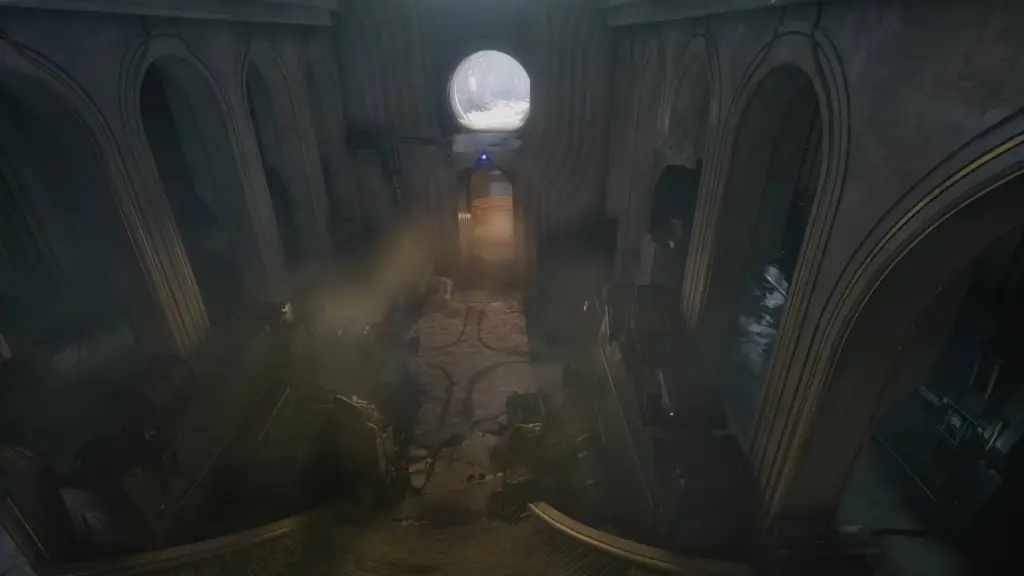
During Returnal, your death was a solitary one, putting you back at the game’s starting point with very little else to do other than jump back into the action. This contributed to Returnal‘s unique story, which acted almost like a Lovecraftian novel in how its rougelike loops tied directly into the main character’s complex narrative. Although that was an interesting way to convey that game’s themes, there was hardly a break from the runs you embarked on to continue that adventure.
Meanwhile, SAROS is introducing an aspect of the planet Carcosa that wasn’t present on the alien world Atropos from Returnal. Players can now access a central hub in between their runs called The Passage, which features a number of systems they can interact with before venturing out into the planet again. Details from the gameplay reveal for SAROS are brief, but perhaps the most surprising part of it was that the main character is not alone during their journey.
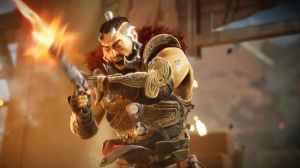
The Passage is home to survivors of a ship called the Echelon IV, who will help expand your knowledge of Carcosa as you discover new enemies, locations, and more. These NPCs likely have their own stories to tell, especially considering other survivors from the ship were “changed” rather than reaching the safety of The Passage itself. Through connections to these characters and a device named Primary, you’ll be able to prepare yourself for another run, gaining skills and information needed to survive for longer.
Additional World Building & Safety Through The Passage Marks A Shift From Returnal
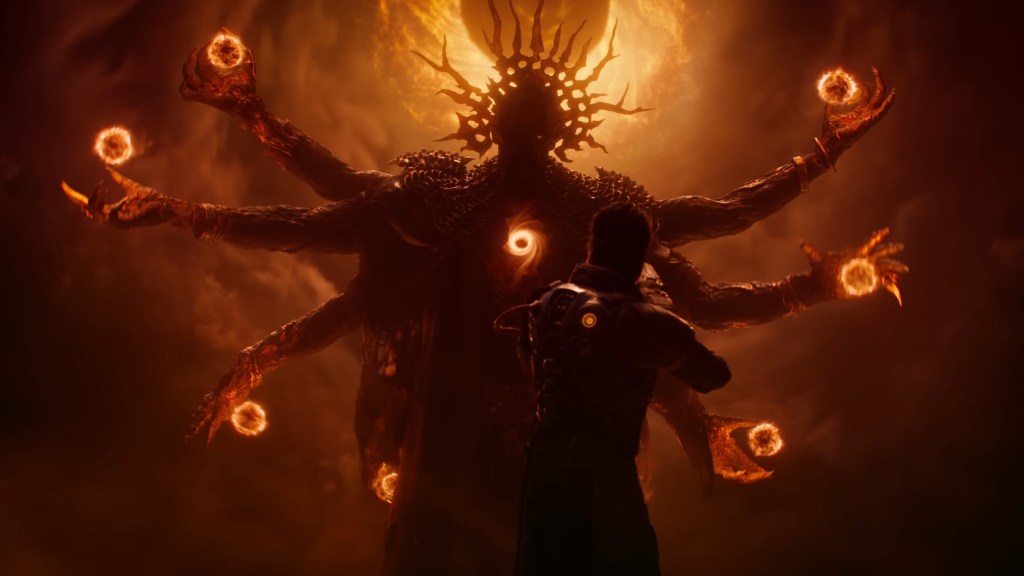
Returnal‘s direction was far more focused on players going out into the world rather than reflecting on what they had seen. There was still time to gather your thoughts and progress after every run, but little incentive to sit around before going into another attempt. By this standard, SAROS‘s Passage is a step in a different design, allowing you far more time to prepare for another run or investigate into the details that made your last chance so important.
In my opinion, this helps build a richer narrative simply because there is greater safety for ruminations between runs. The existence of NPCs helps with this a lot, as you’ll likely be able to interact with characters to ask them about the specific things you saw during a run, as well as their thoughts on it. For example, the first time you encounter The Eclipse that corrupts Carcosa’s world, dying and going back to The Passage may show characters have reactions to that event that offers crucial insight.

While not as deep as companion characters from Baldur’s Gate 3 or other RPGs, the existence of people you can speak to in SAROS does a lot more for teaching you the context of the game’s world. In some regards, this might make The Passage change over time as you get further and further in runs, similarly to how the Round Table Hold hub shifts in Elden Ring during important events. In each case, having characters you care about or a safe haven that changes over time are both incredible ways SAROS may deepen your immersion.
The silent, nearly horror-filled planet of Returnal was fantastic, but limited based on its scale. Nearly everything in SAROS feels like an expansion of Returnal‘s excellent core features, with The Passage in particular standing out as something players will engage with more to add greater depth to each progressive step they take between intense roguelike runs.
What do you think of The Passage and SAROS‘ gameplay? Leave a comment below or join the conversation in the ComicBook Forum!
Most Viewed
-

Image Courtesy of MAPPA -

Image courtesy of Marvel Studios