The gaming industry is always changing, with the companies that thrive in this space often doing so because of their own flexibility and adaptation. A big modern version of that is the question of platform exclusivity. For years, the importance of exclusive games played a big role in the Console Wars, a trend that has more or less fallen by the wayside in recent years as cross-platform play becomes more of the standard.
Videos by ComicBook.com
Sony’s initial decision to bring some of its exclusive titles to PC was initially seen as a way to expand the reach of its branding in line with that shift, with games like Marvel’s Spider-Man series by Insomniac being a perfect example of how it could benefit Sony. It was a mainstream series that had done well on PlayStation that could find new life (and extra sales) by becoming available to a new audience. Sony’s decision to cut PC ports puts emphasis on the value of having a PlayStation be the exclusive home for their top-tier games — but it will also make things harder for the company in one nation in particular.
Sony Isn’t Doing PC Ports Anymore, Which Will Impact Sales In China

Sony’s move away from PC ports might seriously impact its successes in China, which is an issue given the rising number of gamers in that nation. The PC ports weren’t proving to be a big enough seller to Sony’s liking, according to reports. This issue was seemingly exacerbated by concerns that this approach could lead to other PC-adaptable platforms, like Xbox’s upcoming Project Helix or Valve’s Steam Machine, being able to play nominally exclusive Sony games. In an era where companies like Microsoft Gaming are being called upon to bring back exclusive titles as a selling point to consumers, it’s clear that Sony leadership agrees on the value of exclusive titles.
The problem is that in doing so, they may have just ostracized a major market, as the changing nature of the gaming industry — especially in one of the world’s most profitable markets — means Sony might be leaving a lot of money on the table by moving away from PC. According to reporting from NewZoo, gamers in China were responsible for 42% of PC revenue growth globally. Gaming has become increasingly essential to the culture in the nation, especially among those in urban environments. By contrast, the limits on consoles like the PS5 in the country and the relatively low sales of the console compared to other parts of the world, as reported by GamesIndustry, have seen the platform only account for a fraction of the attention that PC gets.
In short, PC gaming is a primary pastime in China compared to the more even split between consoles and PCs in places like North America – meaning that Sony is sacrificing a massive market by deciding to move away from the PC space. NewZoo’s reporting even notes that PS5 exclusives sell better after making their Steam debut, citing the increased sales for Death Stranding 2 on the Sony console following its PC debut. This could be the result of how social gaming has become, with the enthusiasm brought on by the slew of new PC players likely playing a role in convincing others to give it a shot.
Sony’s Situation Is A Tricky Challenge
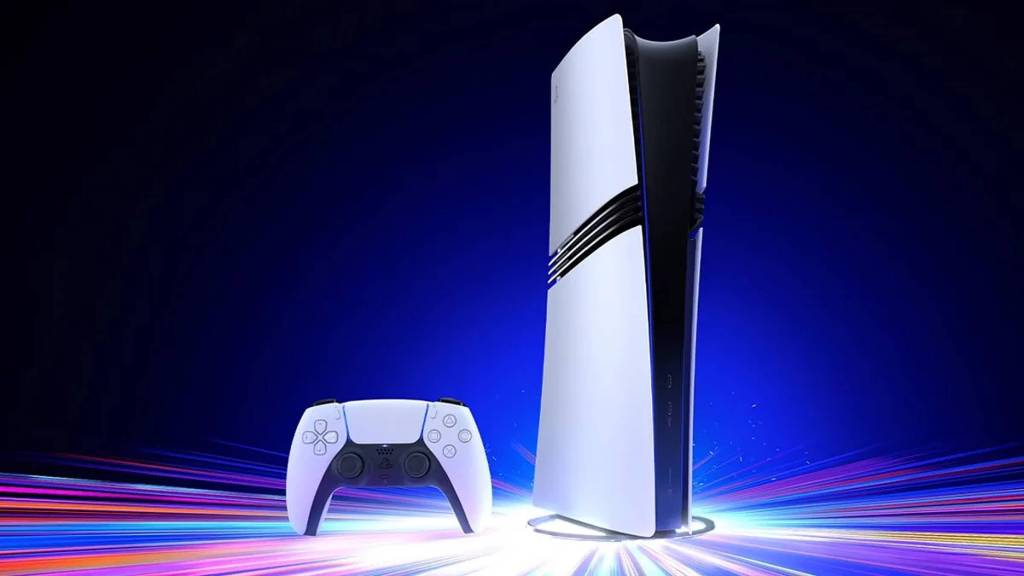
Sony has found itself between a rock and a hard place with the internal debate about exclusives. At least in most markets, the PC ports weren’t generating revolutionary sales, but PC gaming has been overtaking consoles in terms of raw sales globally. Cutting off that avenue means Sony is leaving some gamers out in the cold, an effect that could thwart some of the potential word-of-mouth successes similar to what Death Stranding 2 experienced after it was ported to PC. However, exclusivity has become a hot-button issue with console fans. It’s often held up as one of the key elements a console can use to stand out amongst the competition, and it gives fans unique experiences that make their platform of choice all the more important.
Nintendo’s biggest successes are typically their exclusive in-house releases, while Microsoft has faced an increasingly vocal frustration from fans who are angry that Xbox isn’t getting good exclusive titles anymore. If Sony were to maintain those PC releases, they would undermine their own commitment to exclusive titles and threaten the need for players to invest in a PS5 – even if it helped increase the sales of the game in the long run. Alienating a massive crowd of gamers in one of the world’s most profitable gaming communities is also a bad look, but an unavoidable consequence of Sony deciding to make exclusives a selling point of their console. The full ramifications of this choice might not come to fruition for a few years, but it could eventually become a key point in the enduring legacy of Sony’s place in the ever-changing games industry.
More Gaming
-

Image Courtesy of Fast Travel Games/Bethesda Softworks/Capcom