Sega is home to plenty of major franchises, with some of gaming’s biggest names and mascots falling under its umbrella. During the 1990s, the brand was synonymous with home gaming, serving as the most prolific rival of Nintendo. Thanks to the sheer scope of the publisher’s history, it has everything from global icons like Sonic to more obscure cult classics like Nights into Dreams — and plenty of games in between during the heyday of consoles like the Sega Genesis.
Videos by ComicBook.com
One of the most memorable, especially for players of a certain age or who were in love with the beat-’em-up genre, is Streets of Rage. Brightly colored and affording real depth in terms of combat, the series (which debuted with Streets of Rage for the Sega Genesis on August 2, 1991) remains a highlight of the Genesis era that is long overdue for a proper revival. 35 years later, Streets of Rage‘s tight design and memorable art design keep it firmly at the forefront of fan memory.
Streets Of Rage Is A Vital Game Of Its Era
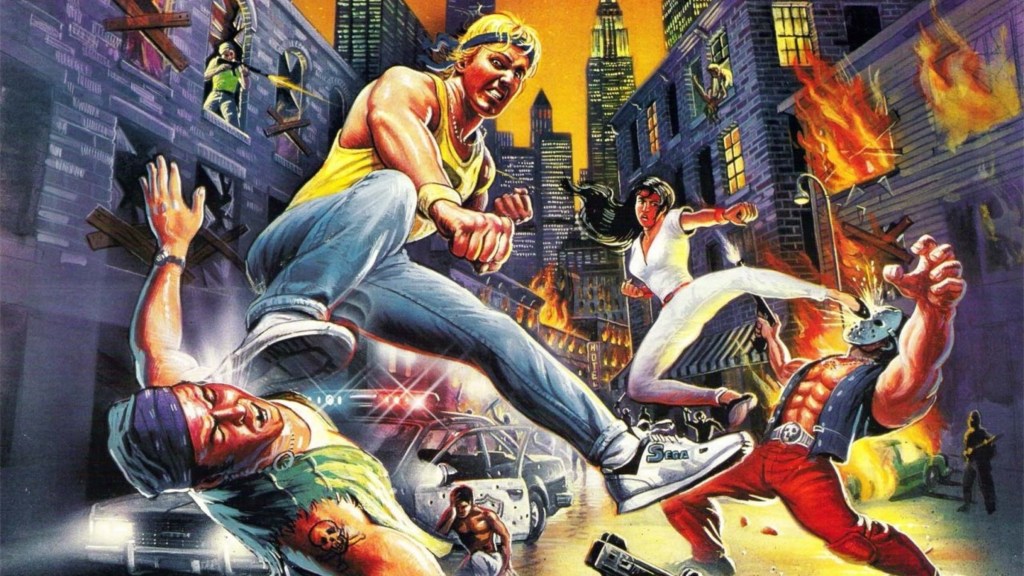
Debuting 35 years ago on the Sega Genesis, Streets of Rage is a crucial chapter in the evolution of the beat-’em-up side-scroller as the genre made the shift from the arcade to home consoles. Focusing on Axel Stone, Blaze Feilding, and Adam Hunter as they make their way through Wood Oak City, the players have to brawl with all the criminal agents of Mr. X to free the city from his grasp. Taking cues from previous games like Double Dragon, Final Fight, and Golden Axe, Streets of Rage brought a level of complexity and depth that many of the other games lacked. The bright pixel art, tight gameplay, and catchy techno music all delivered on an engaging experience that appealed to critics and players alike, with the game becoming a best seller for Sega while also earning strong reviews from contemporary critics.
That depth is what makes the game well worth revisiting from a modern perspective, as the variety of attacks and weapons allows players the chance to really approach the action with their own preferred gameplay style. There’s a clear evolution of the genre in the game’s execution that can still be felt in modern iterations of this style of action game. It was a perfect two-player experience, especially in contrast to the more party-themed multiplayer games on the rival Nintendo consoles. Streets of Rage was a consistent success for Sega during those console days, with two direct sequels and a spiritual successor in the form of Fighting Force being developed in the 1990s. While Streets of Rage 4 was finally developed in 2020, the original game has frequently been re-released and revisited over the years thanks to its memorable visuals and great gameplay. Even though it took decades for the series to get a chance to have a resurgence, those original games remain a blast to play through even thirty-five years after they debuted.
The Legacy Of Streets Of Rage, Explained
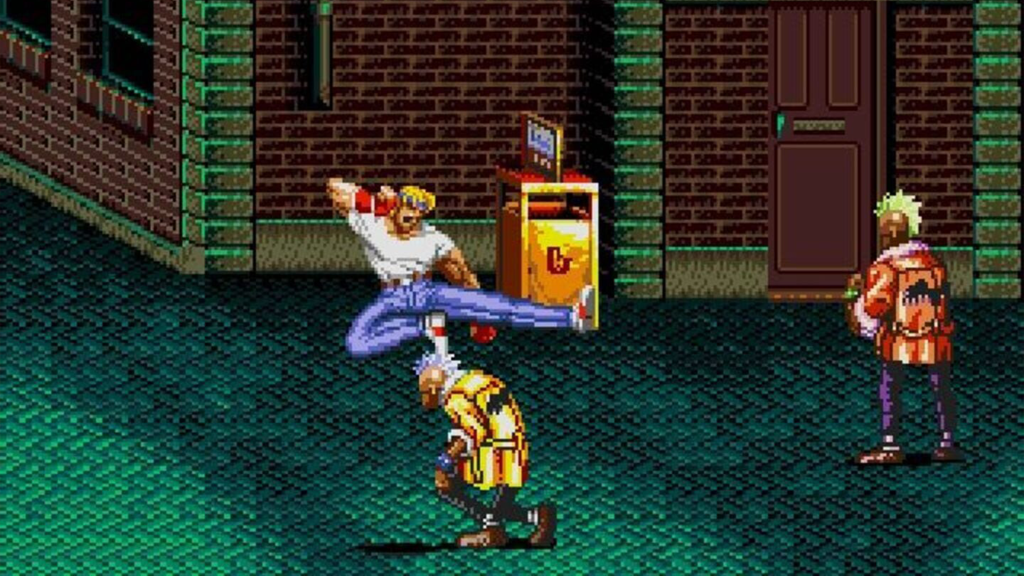
Streets of Rage is a personal favorite entry in the genre for this writer. There’s a real visceral sense of weight to the gameplay, with the hits landing with a proper punch that can feel lacking in other games. Notably, none of this undercuts the neon aspects of the visuals or the cheeky self-awareness that comes with overarching villains like Mr. X, minor enemies like ninjas, and piles of uneaten meat as health boosts. The games reflect the natural bombast of the genre with just enough tongue-in-cheek elements to be charming but without turning the entire experience into a gag. Years later, I can still remember sleepovers with friends or visiting relatives who had a Sega Genesis and hoping against hope that they’d have a Streets of Rage title. It took over twenty-five years for Streets of Rage 4 to come out, but it had a natural audience of players who had long missed the cast of brawlers that would only get more pronounced in later games.
There’s a certain level of pick-up-and-play craft to Streets of Rage that allows new players to quickly learn and adjust to the action, with plenty of fast-paced challenges providing a stream of action. Compared to other beat-’em-up titles of the era, Streets of Rage has a certain sense of identity and weighty combat that helped it stand out. In the years since the original trilogy concluded, I’ve played through re-releases of the games multiple times and on various platforms. Each time, I find more to love about the character design (especially once the cast opens up in the sequel), and it expands in some memorable ways. Maybe this is a certain level of nostalgia talking, but there’s a certain feel to Streets of Rage that feels undeniably connected to the era of its inception, a throwback in terms of gameplay and culture that feels refined (and self-aware) enough to stand the test of time. Streets of Rage 4 was a blast, but one of the best Sega franchises of its console heydays is long deserving of a revival.
More Gaming
-

Courtesy of Ubisoft