With how disillusioned I’ve become with Pokémon as a franchise, it is rare that I get genuinely excited about anything remotely related to the brand. When once a new game would have me chomping at the bit to break out the wallet and splash as much cash as required, now I find myself wallowing in tepid indifference, presuming it’ll be just as bad as the last game, if not more. Pokémon has disappointed me far too many times, and I’m making absolutely sure that it doesn’t do it again. Well, at least that was the case until Nintendo announced the most recent Pokémon game.
Videos by ComicBook.com
I undeniably share the many concerns and frustrations of the wider Pokémon fanbase when it comes to the Pokémon FireRed and LeafGreen Switch re-releases, but they haven’t stopped me from being, for what feels like the first time in a very long while, legitimately excited. These new Pokémon games are making my unnecessarily convoluted dream come true, and while the price may be a little steep, there are a lot of benefits to Nintendo’s approach with these re-releases compared to the preferred method of many others, emulation.
Having Old Pokemon On The Nintendo Switch Is A Dream Come True
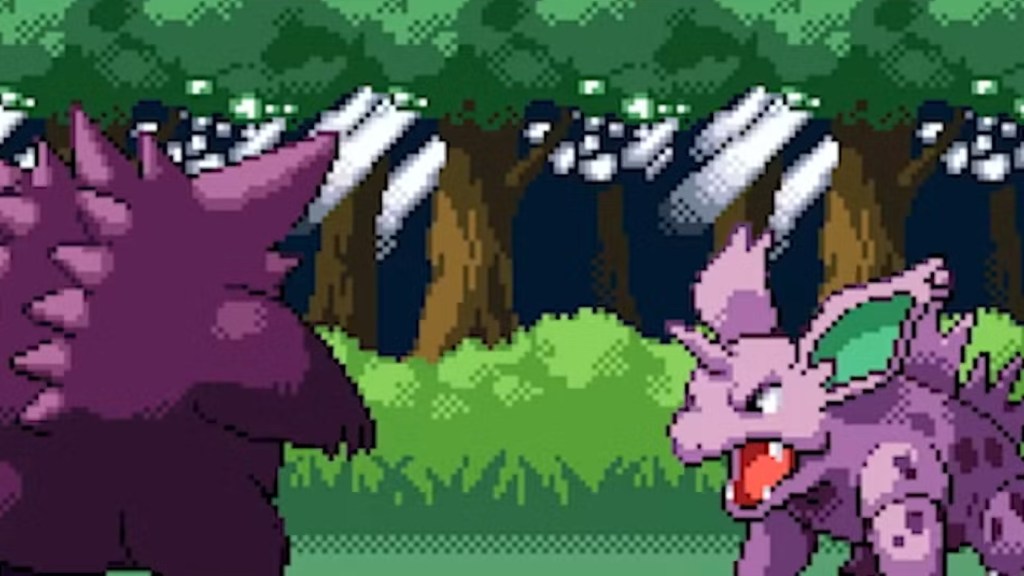
I’ve always dreamed of being able to play FireRed on the Nintendo Switch ever since the console first became available. I played the game so religiously as a child, glued to my glowing Game Boy Advance SP screen as I started an umpteenth save, promising to pick a different starter but inevitably still choosing Bulbasaur. Unfortunately, I lost my original copy a long time ago (let that be a lesson never to lend out your games), and have been largely unable to revisit it.
My preferred way of playing anything nowadays is on the Nintendo Switch, so I felt my only recourse was for Nintendo to grace us with ports of this incredible era of Pokémon. It had done so with Red, Blue, Yellow, Silver, and Gold on the 3DS, so I figured it was only a matter of time before my dream came true on the Switch. Of course, there was Pokémon Let’s Go: Pikachu, but honestly, the less said about that, the better. Well, I’ll say a little, it’s overly-easy truncated version of the original’s gameplay proving to be a staggering disappointment, even despite its inclusion of co-op elevating the whole experience, something Pokémon undeniably needs more of.

Now that these ports have finally arrived, you can be sure I bought them immediately, much like I did with the saddeningly disappointing The Elder Scrolls IV: Oblivion Remastered. The opportunity to not only revel in some deeply self-indulgent nostalgia, but also return to an era of Pokémon that wasn’t broken on practically every level and actually delivered the experience we all now expect but never receive was too good to pass up. Of course, despite my genuine excitement for these games, there is still the $20 Phanpy in the room we need to deal with.
Pokémon FireRed & LeafGreen Switch Re-Releases Are Amazing For Fans
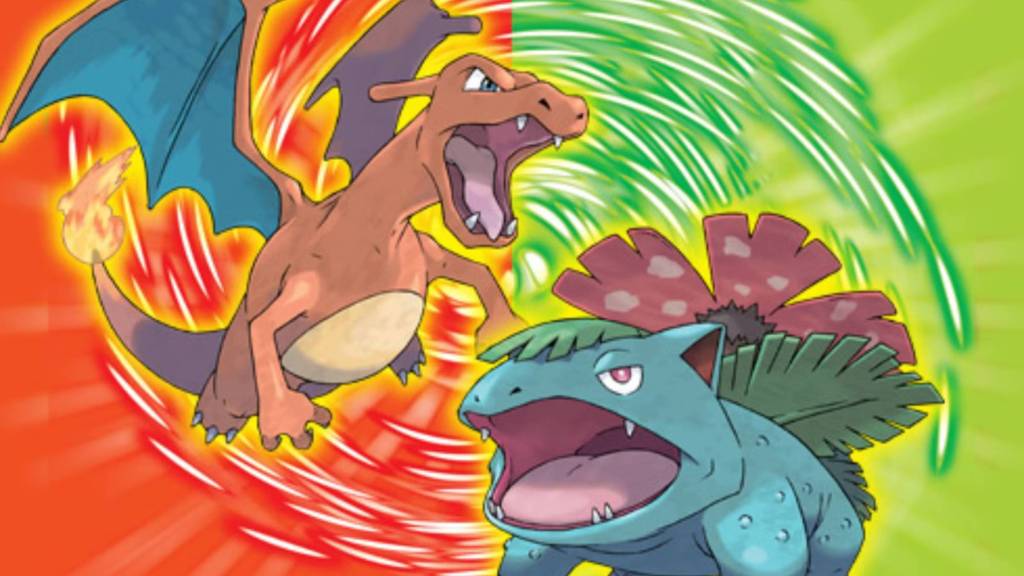
I can appreciate that paying $20 for a game that was released 22 years ago makes little sense to the majority of people. Not only does it feed into Nintendo’s blatant anti-consumer practices, but the original Blue, Red, and Yellow were available for just $10 via the 3DS’ Virtual Console. Sure, FireRed and LeafGreen have distinct advantages over their original counterparts, but it is clear that, for many, these don’t warrant the $10 price increase. This is all without mentioning the fact that the Nintendo Switch versions don’t come with multiplayer, that the game is easily emulated, and that it isn’t being released for free onto the Nintendo Switch Online platform.
However, I think clear advantages are being conveniently overlooked regarding these ports. Sure, it costs $20 to buy either Pokémon game, a price that clearly suffers from the Nintendo tax, but it is a far cry better than the $100+ you had to pay prior to their release for a physical cartridge (and the additional $80 you’d need to shell out for a Game Boy if you didn’t already have one). Adding them to NSO would have been a nice touch for those who are happy to pay the yearly online subscription, but for those of us who just want to actually own our Pokémon games, this isn’t a viable option. Considering the attachment one makes to their Pokémon team, I struggle to see how having to pay a yearly fee just to play with them makes sense.
Many people have questioned the decision to release either Pokémon FireRed or LeafGreen in the first place, when emulating them is so easy nowadays. Outside of the argument of owning the game rather than having to fiddle with ROMs and the benefits of playing natively on the Switch, such as the ability to play it on the TV significantly easier, there’s also the point that emulating is not a widely understood concept.
This is especially true for people with little to no technical wherewithal or young children, which, unless we all forgot, is largely the demographic Pokémon is intended for. Sure, we all grew up with it and enjoy it now as adults, but parents who want to get their kids into Pokémon or children who have just enjoyed the series thus far on the Switch will want an easy way of accessing the older titles, and these admittedly expensive ports make perfect sense.
The Issue Isn’t $20, It’s Nintendo
I can’t help but feel that frustration surrounding Pokémon FireRed and LeafGreen on the Nintendo Switch doesn’t exclusively stem from the aforementioned reasons, but rather as a result of Nintendo’s flagrant and continued disrespect of its community, especially those with a fondness for Pokémon. I completely appreciate that $20 is a lot, but I suspect that these Pokémon ports have received so much criticism because they are the proverbial straw that broke the Camerupt’s back.
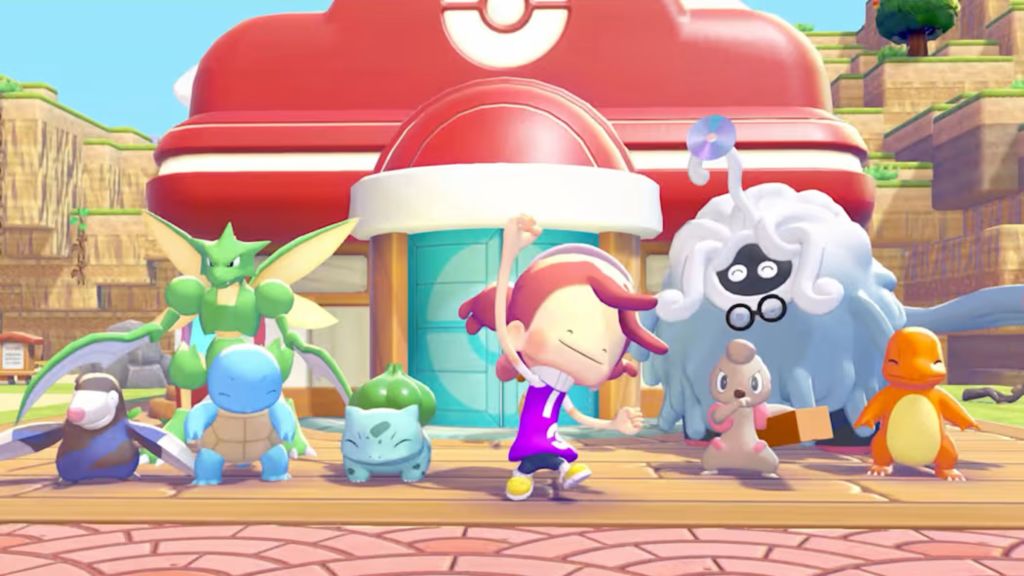
Pokémon has been subject to ridicule for a while now, with each entry delivering less than it should and costing more than its worth. While this isn’t exclusively Nintendo’s fault, The Pokémon Company, of which it is a key member, has clearly done little to assuage fans’ fears that it cares more about money than it does delivering meaningfully good experiences. The poor technical performance and visual quality found in games like Scarlet & Violet and Legends: Z-A certainly point to its desire to rush products out before they’re ready, and Pokopia unnecessarily being a Game-Key Card launch would further indicate a wish to cut corners instead of delivering high-quality products to fans.

For those unaware of Nintendo’s more unsavory business practices or the broader issues with Pokémon as a whole, these ports are perfect. However, for those who can’t help but be burdened with the soul-crushingly disappointing state of modern Pokémon, the Pokémon FireRed and LeafGreen ports will feel like a mere extension of this and, for many, like a line crossed. The only solution, then, is not to give in and buy Pokémon products simply because they appeal to our base nostalgia.
Of course, that would then imply that I, the one so excited to relive my childhood that I’m willing to spend more than I should, am only contributing to the problem, and I simply refuse to believe that is the case. After all, I have avoided buying into this lacklustre era of Pokémon for a while. Well, I bought Scarlet & Violet, and their DLC, oh, and Legends: Arceus, of course. But I skipped Legends: Z-A, so that has to count for something. Anyway, back to buying more overpriced Pokémon merch in the hopes of feeling the unobtainable ignorant bliss of childhood once more.
What do you think about the Pokémon FireRed and LeafGreen ports? Leave a comment below and join the conversation now in the ComicBook Forum!
Most Viewed
-

Image Courtesy of Studio Pierrot -

Image Courtesy of Studio Bones