The announcement of the God of War trilogy remake should have been a moment of pure celebration. As someone whose first experience with God of War was the Norse saga, I was beyond excited for a chance to play the original games and discover Kratos’ origins. While the games were not given a release date, I eagerly jumped into God of War: Sons of Sparta, the newest game in the series. Seeing Sony revisit this era with modern technology feels like both a tribute and a chance to reintroduce these genre-defining titles to a new generation. At the same time, it highlights a problem with the gaming industry, and one that I’ve felt for too long.
Videos by ComicBook.com
For all the goodwill surrounding this announcement, it highlights a major issue the industry still struggles with. The original games, aside from God of War III, are not available on modern PlayStation hardware. This is not a Sony exclusive issue. Xbox and Nintendo face similar challenges with their legacy libraries. As more studios opt to revisit older games with enhanced remasters and remakes instead of simple ports, we lose access to gaming history. Worse, some companies even remove the original editions from storefronts altogether while promoting more expensive remasters, even when the new projects do not add enough meaningful content or upgrades.
The Trilogy Announcement Exposes a Preservation Problem
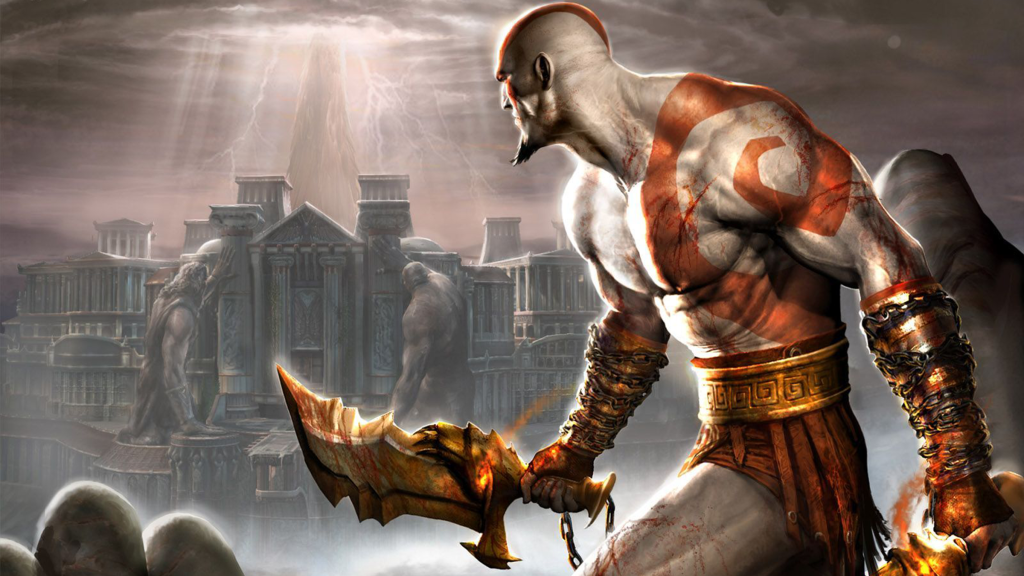
The remake brings well-deserved attention to the classic God of War trilogy, but it also exposes a frustrating reality. There is currently no legitimate way to play the first two games on modern consoles. These titles are foundational to the story of Kratos and essential for understanding how the franchise evolved. Yet for many players today, they might as well be lost media unless they track down a PlayStation 3 or use workarounds to play unofficial versions of the games.

This problem extends well beyond PlayStation. Xbox has made strides with backward compatibility, but even that system cannot cover every classic or beloved title. Nintendo, meanwhile, is notorious for allowing games to disappear between generations and punishing alternative methods of accessing them. Access to older versions often depends on limited digital services that may or may not return with new hardware, such as the Wii U’s incredible legacy lineup disappearing on Switch. When you grow up playing games, a console generation becomes a chapter of your personal history. Watching those chapters become inaccessible feels like losing parts of your past.
With Santa Monica Studio confirming the trilogy remake, it all but guarantees there will never be a way to play the original games on PlayStation 5. There is nothing wrong with remakes, but they should not come at the expense of losing the original, especially considering how different they can be from the source material. Without easy access to the originals, a remake becomes the dominant version of history rather than an addition to it. Remakes should preserve, not replace. The trilogy announcement brings this issue back into focus because it forces us to confront how fragile gaming preservation actually is.
Remakes Are Starting to Replace Instead of Preserve
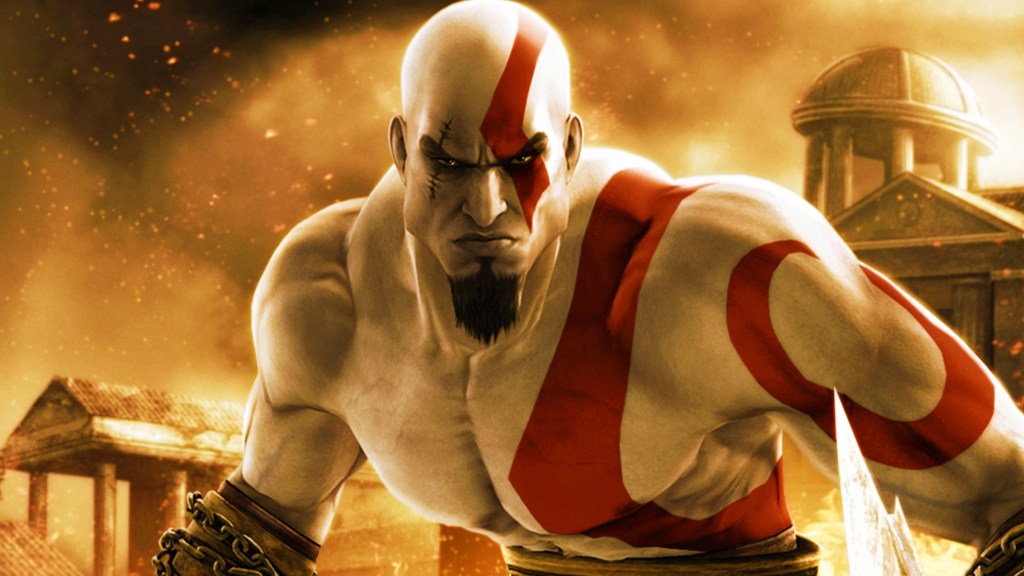
Across the industry, remakes are being treated as substitutes rather than supplements. While most developers leave the original games available, more and more developers are taking down the original versions of games. This forces players to purchase the remake or remaster. This should never be the case, especially when you consider some modern versions greatly differ from the original, or that some remakes and remasters are simple graphical updates that do not justify the price increase.
We’ve already seen multiple cases where companies removed the original version of a game from online storefronts to push interest toward a remaster or remake. The issue is not that remakes exist, because these are great ways to introduce iconic worlds and characters to a new audience. The problem is what happens when those remakes become the only surviving option. Even when you consider what is added, changed, or improved, it is about the history of the game and how it is being rewritten.
The God of War trilogy announcement arrives at a moment where this conversation can’t be avoided. Without a way to compare the remake to the original versions, players lose the ability to see how the franchise grew and changed. From my own experience replaying older games, part of the joy is seeing their imperfections or remembering how they made me feel as a kid. They reflect the technology, design philosophy, and culture of the time. A remake smooths those edges, but the edges matter and have a place in history.
Gaming Needs Easier Access to Its Own History
If gaming wants to take itself seriously as an art form, accessibility to legacy titles must become a priority. Movies, books, and music all have established systems that allow audiences to revisit classics. Gaming, by contrast, continues to gatekeep its own history behind discontinued consoles, defunct storefronts, and expensive collector’s markets. The God of War trilogy remake should spark excitement, but it should also spark urgency for a more sustainable approach to preservation.
Developers and publishers need to recognize that older games are part of the foundation they’re building on. These titles should not be locked away or replaced. They deserve to be playable alongside their modern reinterpretations. Whether through subscription platforms, backward compatibility, or affordable digital ports, the industry needs to make it easier for players to experience original versions without resorting to secondhand markets or emulation. There is no excuse for a digital version of classic games not to be available, and to say otherwise is simple greed at its finest.
As someone who has spent countless hours replaying classics across multiple systems that I grew up on, I know how valuable it is to revisit these titles in their unaltered form and the feelings they invoke. When companies rebuild them from scratch, the result can be extraordinary. But a remake should be one option, not the only one. The excitement around the God of War trilogy remake is justified, but so is the frustration that comes with it. Until the industry solves its preservation problem, moments like this will continue to feel incomplete and have an underlying edge to them.
What do you think? Leave a comment below and join the conversation now in the ComicBook Forum!
Most Viewed
-

Courtesy of Sony Pictures Animation / McDonald's -
Image Courtesy of Marvel Comics -

Image courtesy of Marvel Television