Few franchises carry the weight that The Legend of Zelda does. From the very first game all the way up to The Legend of Zelda: Tears of the Kingdom, fans have traversed Hyrule and sealed away whatever evil threatens the world. Link has been a constant companion on this journey, but this wasn’t always the case. Decades ago, an experimental game in the series turned the spotlight away from Link and made Zelda the protagonist for the first time. Yet, despite this, there are few players, even diehard fans of the series, who have played the game, or even heard of it.
Videos by ComicBook.com
Thirty years ago today, one of the most infamous entries in the franchise launched on the Philips CD-i. Released on May 10, 1996, Zelda’s Adventure was developed not by Nintendo, but by Philips Interactive Media as part of the company’s CD-i partnership. The game became heavily criticized for its gameplay, visuals, controls, and performance issues, but it also remains fascinating because of how unusual it was. Even decades later, the game feels like an alternate reality version of the franchise.
The Strange Partnership That Created the CD-i Zelda Games
To understand why Zelda’s Adventure exists at all, you have to go back to one of the strangest business decisions in Nintendo history. In the early 1990s, Nintendo originally partnered with Sony to develop a CD-based add-on for the Super Nintendo Entertainment System. That deal collapsed, eventually leading Sony to create the original PlayStation instead. With the deal going under, Nintendo pivoted to work with Philips on the CD technology of the time.

As part of those negotiations, Philips secured the rights to use certain Nintendo characters for games on its CD-i multimedia platform. That led to several unusual Zelda titles, including Link: The Faces of Evil, Zelda: The Wand of Gamelon, and eventually Zelda’s Adventure. Unlike Nintendo’s internally developed games, these projects were handled almost entirely outside the company’s direct creative control. The results felt drastically different from anything fans associated with The Legend of Zelda.
The CD-i games featured awkward animation, strange voice acting, and gameplay systems that lacked the polish Nintendo was already becoming famous for during the 1990s. Even outside of The Legend of Zelda, the CD-i itself struggled to find a clear audience. Philips marketed it as a multimedia entertainment device rather than a dedicated gaming console, and that created limitations compared to competitors like the Super Nintendo or Sega Genesis. By the time Zelda’s Adventure was released in 1996, the gaming industry was already shifting toward more advanced 3D hardware like the Nintendo 64 and PlayStation, making the CD-i feel outdated almost immediately.
Why Zelda’s Adventure Became So Infamous
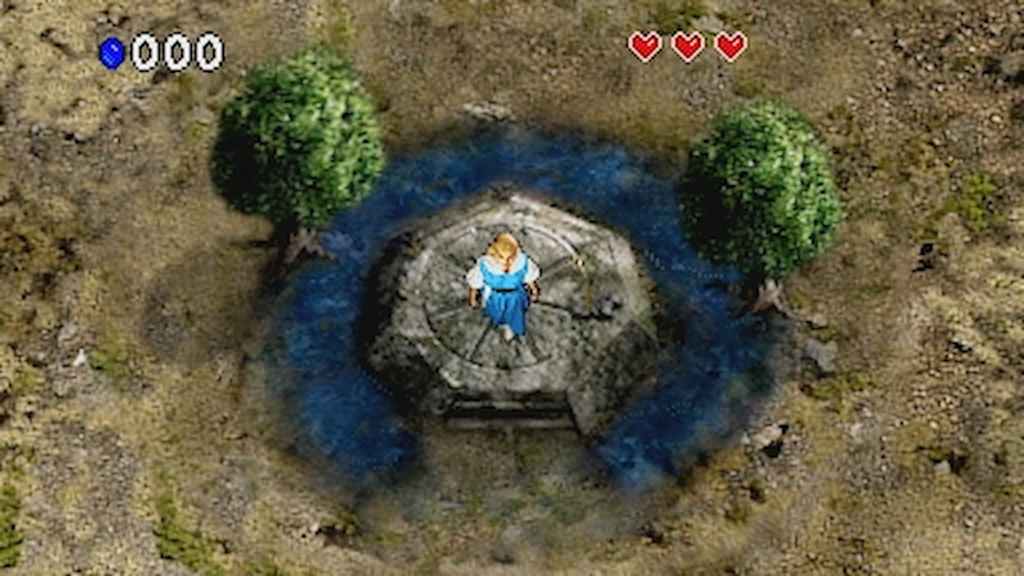
There is no way to discuss Zelda’s Adventure honestly without acknowledging its reputation. The game was heavily criticized upon release and remains one of the lowest-regarded titles connected to the franchise. Many players point to its slow pacing, confusing navigation, clunky combat, and technical problems as major reasons it failed to resonate with fans. Part of the criticism also came from how dramatically different it looked from traditional Zelda games.
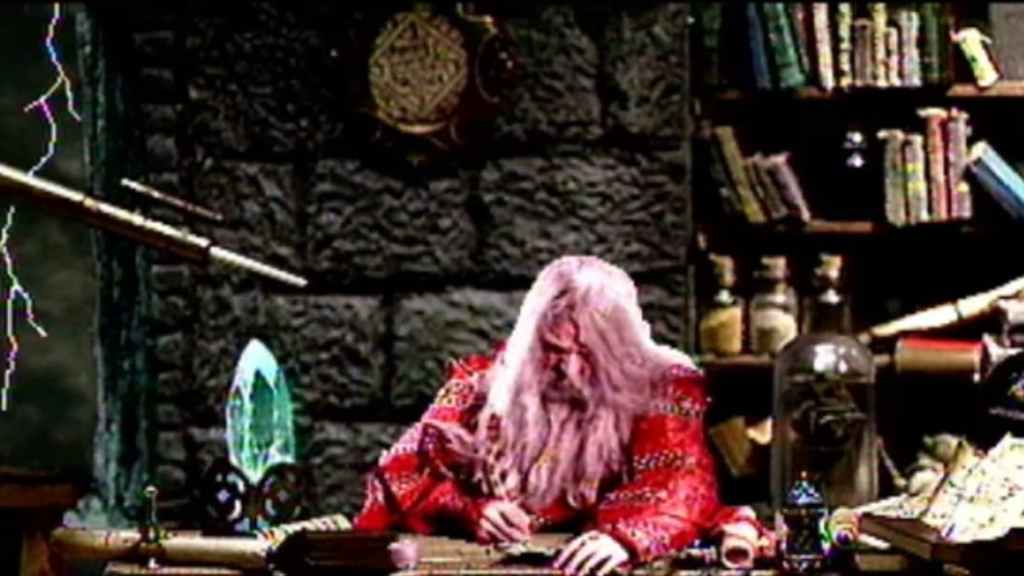
Instead of pixel art or animated fantasy visuals, Zelda’s Adventure relied heavily on digitized live-action footage and static photographic backgrounds. The result looked surreal and awkward rather than immersive. Characters appeared through compressed live-action video clips that felt more like low-budget fantasy television than a Nintendo adventure game. But despite this, there is something oddly fascinating about Zelda’s Adventure, especially for those who lived outside of its exclusive European release.
The game’s weird presentation gives it an identity unlike anything else in the franchise. Even today, screenshots and clips from the game continue circulating online because they feel so bizarre compared to the polished image usually associated with The Legend of Zelda. I still remember the first time I saw footage from the CD-i Zelda games online years ago and thought it was some amateur project rather than an officially licensed game. The live-action scenes especially stood out because they felt completely disconnected from the Zelda identity fans recognize today.
The Game’s Legacy Is Stranger Than the Game Itself
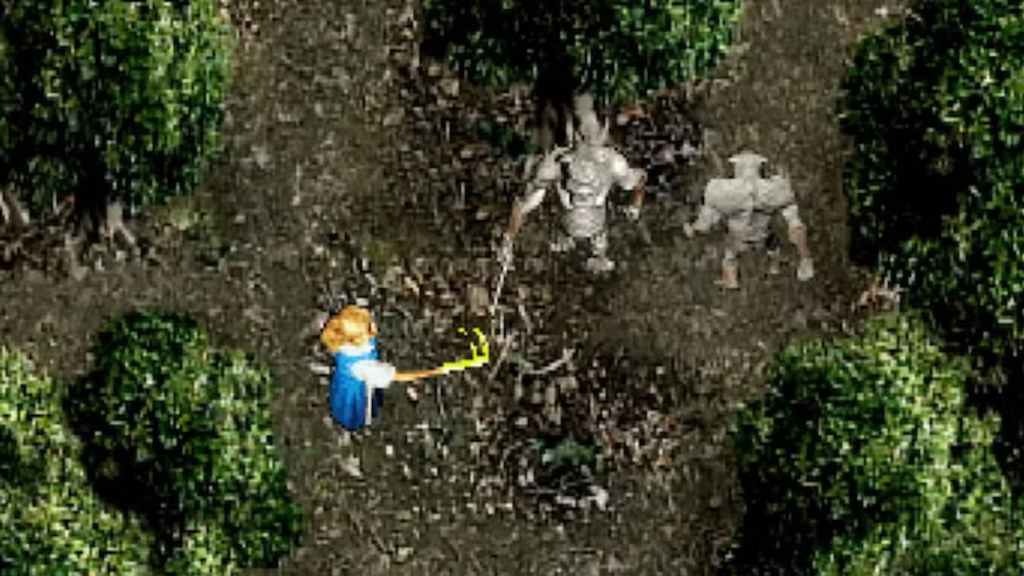
Ironically, one of the most interesting things about Zelda’s Adventure is how certain ideas from the game eventually resurfaced in much better forms years later. Most notably, the game featured Princess Zelda as the primary playable protagonist, something incredibly rare for the series at the time. There may be no connection, but now, we have an official Nintendo game, The Legend of Zelda: Echoes of Wisdom, that stars Zelda as the protagonist. Looking back now, it is funny realizing that one of the franchise’s most criticized releases actually explored that concept nearly thirty years earlier.
The live-action presentation also remains unique within the series. No other Zelda game has attempted anything remotely similar since. Though this will be changing with the live-action The Legend of Zelda film. Nintendo’s approach to the franchise became far more focused and carefully controlled after the CD-i era, and the company has largely treated those games as an isolated side chapter in Zelda history. The CD-i titles are rarely acknowledged officially, especially compared to Nintendo’s internally developed entries.
Zelda’s Adventure represents an important reminder of how experimental the gaming industry could be during the 1990s. Companies were testing new technologies, multimedia formats, and storytelling techniques while the medium evolved at an incredible pace. Not every experiment worked, but those failures still became part of gaming history. Today, Zelda’s Adventure mostly survives through internet retrospectives, YouTube deep dives, and retro gaming collectors fascinated by obscure releases. Thirty years later, it remains one of the strangest official Zelda games ever made.
What do you think? Leave a comment below and join the conversation now in the ComicBook Forum!
More Gaming
-
Courtesy of Paramount Pictures / Titmouse -

Image Courtesy of Kwalee/New Blood Interactive/DreadXP -
Courtesy of Bandai Namco