Some video games become more than entertainment. Some become monuments to the industry, games that stand the test of time and leave such an impression that fans love them decades after they are released. While this is good, it creates a problem: how do you top a perfect game with a sequel? This is the problem that faced this fantastic JRPG. Even though it was fine in its own right, players expected more after playing the first game.
Videos by ComicBook.com
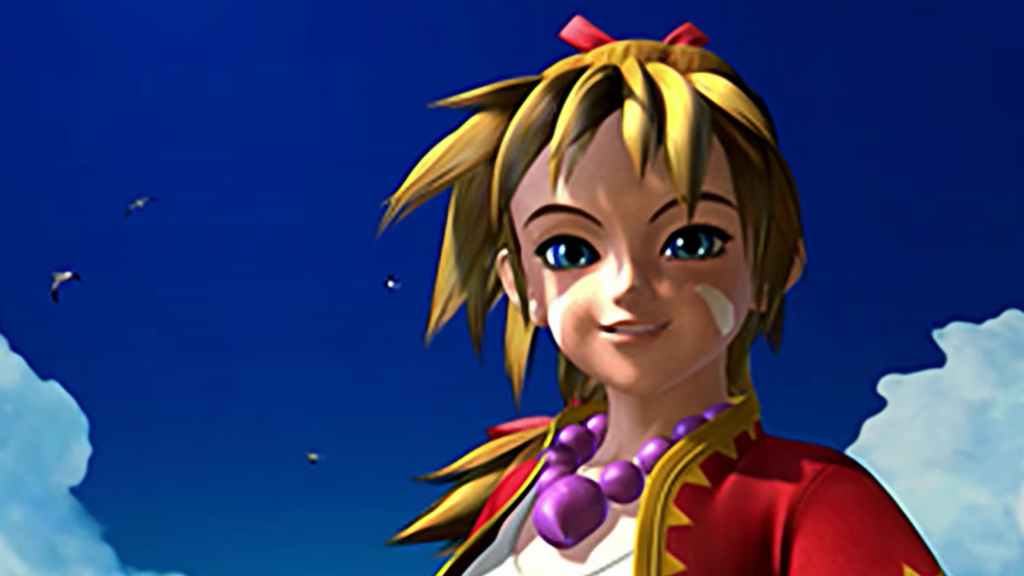
This is the fate that met Square Enix’s Chrono Cross when it was released on PlayStation in 1999, four years after Chrono Trigger, widely regarded as one of the best and most beloved RPGs of all time. Don’t get me wrong, it was well-received on launch, and Chrono Cross: The Radical Dreamers Edition brought the game to modern audiences years later. But this didn’t stop the discord about the game and the Chrono series as a whole. Rather than being judged by itself, it was forever linked to Chrono Trigger.
Chrono Cross Had the Impossible Task of Following Chrono Trigger
Chrono Trigger holds a rare honorific in gaming history. Released on the Super Nintendo, it was a perfect storm of talent, bringing together creators from Final Fantasy and Dragon Quest. Its time travel narrative was elegant and accessible, allowing players to see the consequences of their actions across multiple eras. The combat system was fast and innovative, removing random encounters and introducing dynamic battles that felt alive. Most importantly, the story knew when to end, offering multiple endings without overstaying its welcome. Chrono Trigger is widely considered a perfect game, something few others can claim to be.
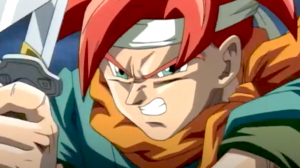
Because of that, Chrono Trigger became sacred to its fans. It was replayed endlessly, discussed passionately, and elevated to mythic status. When Square announced Chrono Cross as its successor on the PlayStation, many players expected a direct continuation. Instead, they were met with a game that shared themes and a universe, but not the structure or tone they remembered. Chrono Cross was not Chrono Trigger 2, and for many fans, that was the first and deepest disappointment.
It doesn’t matter that Chrono Trigger was wrapped perfectly, and a direct sequel wouldn’t make sense. In fact, continuing the story there would dishonor the game’s legacy and the emotional impact it had on players. The only choice left to Square Enix was to take the themes and world of Chrono Trigger and use them as a framework, and that is what it did with Chrono Cross. Yet this one criterion muddied the game’s reception, and still haunts it today.
Chrono Cross Is an Incredible JRPG
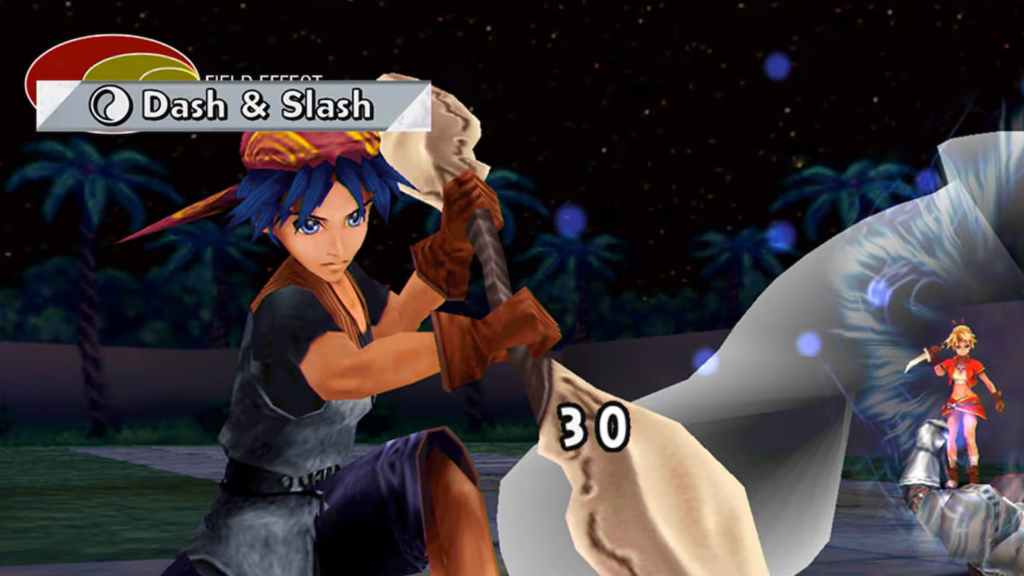
Taken on its own terms and ignoring Chrono Trigger, Chrono Cross is a remarkable achievement in JRPG design. Its visual style remains striking decades later, with vibrant environments and fluid character animations that pushed the original PlayStation hardware. The soundtrack, composed by Yasunori Mitsuda, is widely considered one of the greatest in video game history. Tracks like Scars of Time/Time’s Scar and Dream of the Shore Bordering Another World still resonate with players who return to the game today. They certainly make an appearance in my music playlists.
Mechanically, Chrono Cross dared to be different. Its battle system replaced traditional leveling with a stamina-based approach and elemental grids, encouraging strategic planning over grinding. The massive cast of playable characters offered a sense of scale rarely seen in RPGs of its era. While not every character received deep development, the sheer variety contributed to a feeling of a living, interconnected world. This wasn’t the sheer volume of characters Suikoden possessed, but it was impressive nonetheless.
Chrono Cross asked players to engage with themes of identity, choice, and parallel realities in ways few JRPGs attempted at the time. Rather than Chrono Trigger’s multiple time periods, it revolved around parallel dimensions. Traveling between the two allowed the player to recruit characters, obtain items, and advance the plot. But the events and actions in one dimension could influence the other, bringing narrative weight to the choices you made. And just like its predecessor, Chrono Cross offered multiple endings. I was obsessed with getting the perfect ending and collecting all the cast members, repeatedly diving into the game and New Game+ to do so.
Fans Have a Love Hate Relationship With Chrono Cross
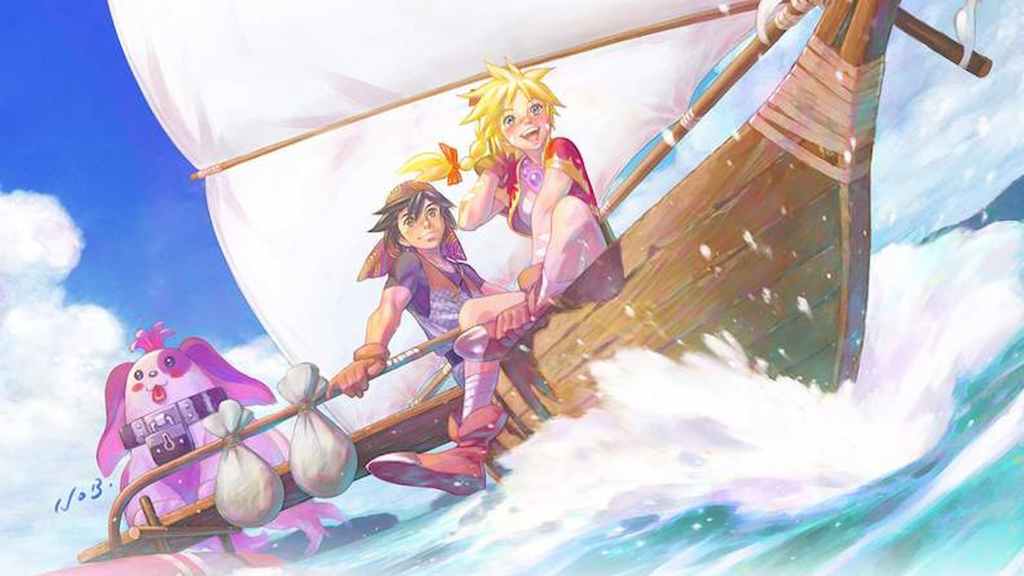
The divide among fans often comes down to expectations rather than quality. Many players disliked Chrono Cross upon its release because it failed to deliver the emotional continuity they expected from Chrono Trigger. Familiar characters were absent or recontextualized in ways that felt uncomfortable. Story revelations challenged cherished memories instead of celebrating them. For fans who wanted a nostalgic return, Chrono Cross felt like a betrayal. Something totally different that tried to imitate what was loved. A skeleton wearing the skin of what came before.
Over time, however, perspectives shifted. As players revisited the game without the weight of expectation, its strengths became clearer. Chrono Cross is not a sequel designed to relive the past. It is a reflection on it. Its story grapples with loss, unintended consequences, and the cost of changing history. These themes resonate more deeply with older players, which may explain why appreciation for the game has grown with time.
I admit I judged the game by Chrono Trigger’s standards when it first released. Even though I loved it, some part of me wished it were something different. And I’m not alone. Many RPG players have stories that mirror my own experience. Initial disappointment gave way to admiration once the game was allowed to stand on its own. It is a great game burdened by an impossible legacy. Chrono Trigger is beloved because it is comforting, focused, and timeless. Chrono Cross is divisive because it takes this experience and makes it more challenging, experimental, and emotionally complex.
That tension is why fans are still divided today. Chrono Cross will never replace Chrono Trigger in the hearts of most players, and it does not need to. Its value lies in its willingness to take risks where a safer design would have been easier. Imagine how easy it would have been to just make Chrono Trigger 2 and call it a day? But Square went a different direction, and in doing so, it secured its place not just as a controversial sequel but as one of the most fascinating JRPGs ever made.
What do you think? Leave a comment below and join the conversation now in the ComicBook Forum!
Most Viewed
-
Crunchyroll -
images courtesy of Walt Disney Studios Motion Pictures