For years, fans have anticipated the release of Hollow Knight: Silksong, perhaps the greatest Metroidvania to be released. The wait for this title saw other fantastic games like Blasphemous, Nine Sols, and more. However, now that Team Cherry has released Silksong, many fans are unsure what to do with themselves. The genre thrives when a game combines tight platforming, expressive combat, and a world that feels alive with mystery. Yet great Metroidvanias do not arrive often. That said, we’ve already seen one incredible Metroidvania release this year, but there is another title on my watchlist that should have fans of the genre excited.
Videos by ComicBook.com
The next great Metroidvania, and perhaps Silksong competitor, is Emberbane, a pixel-art Metroidvania that has built massive anticipation. Inspired by Avatar: The Last Airbender, Devil May Cry, and precision platformers like Celeste and The Messenger, Emberbane blends elemental combat with fluid traversal in a way that feels fresh for the genre. Fans have been waiting years for this project to finally arrive, and the excitement is justified. With its focus on elemental powers, high-octane action, and a rich narrative world, Emberbane has the potential to be the next major Metroidvania success story.
Emberbane Has the Makings of the Next Great Metroidvania
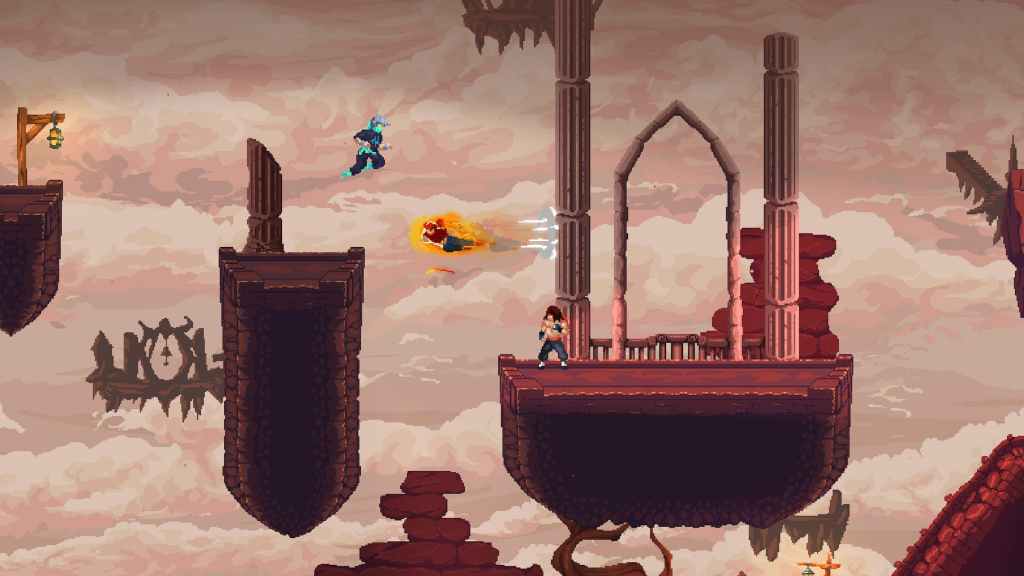
One of the strongest signs that Emberbane could become the next big Metroidvania hit is the vision behind it. The game centers on Ophelia, a Fire Sage and tragic hero, navigating a world shaped by four elemental forces. The story leans into a sweeping mythos involving gods, ancient wars, and a prophecy tied directly to Ophelia’s lineage. This narrative depth matters in a genre where exploration is motivated not just by mechanics but by the desire to understand the world and its history, especially when these elements are not directly given to players.
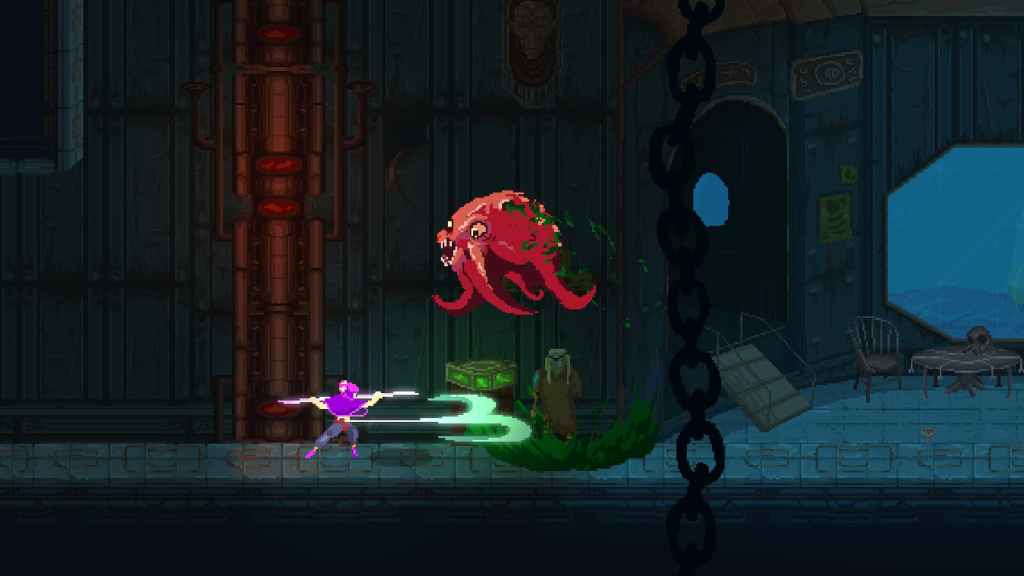
The team’s inspirations are clear, but the game is not defined solely by them. While you can see echoes of Naruto and Avatar in the elemental themes, Emberbane builds a unique identity through its worldbuilding. The environments are handcrafted pixel landscapes full of secrets, hostile sages, and unsettling creatures born of nightmares. Each region tells part of the story through environmental design, something the genre excels at when done right. Titles like Blasphemous prove how powerful environmental storytelling can be, and Emberbane aims for that same atmospheric impact.
While many players prefer tight combat and platforming, narrative has always been at the heart of the genre, especially in recent years. I love uncovering a story through gameplay rather than simply having it handed to me. Hollow Knight and its sequel were prime examples of this philosophy at its best, and Emberbane is poised to deliver another thrilling narrative. The story may be a bit more at the forefront than Team Cherry’s masterpieces, but I expect there will be many secrets to uncover.
Elemental Platforming and Combat
Elemental abilities are the heart of Emberbane. Ophelia can use Fire, Ice, Earth, and Storm simultaneously, and each element changes both combat and movement. This design choice draws from the fluid style-switching mechanics of Devil May Cry, giving players the ability to chain attacks and abilities into spectacular combos. It also expands the platforming possibilities, allowing elemental abilities to reshape terrain, open paths, and solve puzzles.
The inspiration from movement-focused games like Celeste, one of my favorite games, is clear. Emberbane encourages precision platforming, where new abilities unlock creative ways to navigate the world. The design team has emphasized that the platforming will be challenging but fair, giving players the tools they need to learn, adapt, and eventually master difficult sections. In a genre defined by exploration, adding this kind of depth to movement is a major strength.
Combat looks equally promising. Enemies range from elemental sages to monstrous creations infused with dark magic. Boss battles in particular are positioned as highlights. These bosses appear designed not just as obstacles but as characters tied deeply to the lore. When a Metroidvania successfully aligns narrative, combat, and movement, it becomes far more memorable. Tying all these in with the elemental powers is a clever way to make every system in the game work together in unison.
An Epic Metroidvania Years in the Making
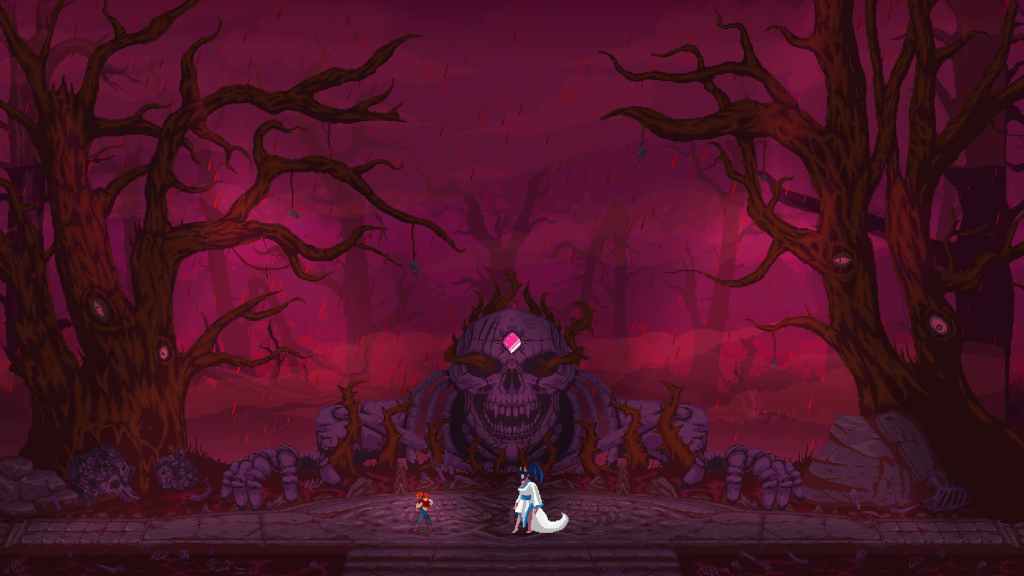
One of the reasons Emberbane feels so polished is the length of time it has been in development. The project has evolved through multiple iterations, with the team refining its art, gameplay, and worldbuilding over several years. The pixel art is richly detailed, with environments ranging from frozen palaces and corrupted deserts to drowned citadels and haunted forests. Every region feels distinct, making the world itself a reward to explore. The game may not have been in development as long as Hollow Knight: Silksong, but it has been equally anticipated by many.
The story behind Ophelia and the lost God-King Diar adds weight to the world’s conflict. Narratives built around tragic heroes often resonate strongly in Metroidvania titles, where isolation, resilience, and discovery are central themes. Ophelia’s journey is framed as one of vengeance, identity, and destiny, and that emotional core helps anchor the sprawling elemental conflict. Fans who crave story-driven exploration should find a lot to love here, especially after coming off Silksong’s more obscure narrative.
With so many players looking for a new Metroidvania to fill the long wait for Silksong, the timing could not be better, especially with the game’s multiplatform launch. If Emberbane delivers on its promise, it may very well become one of the standout indie games of 2026 and possibly the next great Metroidvania. With how much the genre has exploded in popularity, I am rooting for any new game to succeed, especially one as promising as Emberbane.
What do you think? Leave a comment below and join the conversation now in the ComicBook Forum!
Most Viewed
-

Courtesy of Sony Pictures Animation / McDonald's -

Image courtesy of Marvel Television -
Courtesy of Sony Pictures Animation / McDonalds