Baldur’s Gate 3 remains a pinnacle of RPGs, especially CRPGs. Larain Studios’ sprawling, reactive epic offers one of the most immersive and expansive experiences in gaming, and somehow, the upcoming Divinity is poised to top this. What makes this game so special is that player choice mattered, characters reacted intelligently, and the world bent, broke, and reshaped itself based on decisions both small and catastrophic. For many, it felt like a revival of something long lost rather than a brand-new invention.
Videos by ComicBook.com
That feeling isn’t an accident. Baldur’s Gate 3 stands on decades of experimentation and ambition that derive from those games that came before it. Though many have been forgotten today, their influence on one of the most popular games cannot be denied. Some of the most important influences weren’t the most famous games, but the ones that dared to be complex, messy, and uncompromising. These four titles may not dominate modern conversations, but without them, Baldur’s Gate 3 simply wouldn’t exist.
4) Divine Divinity
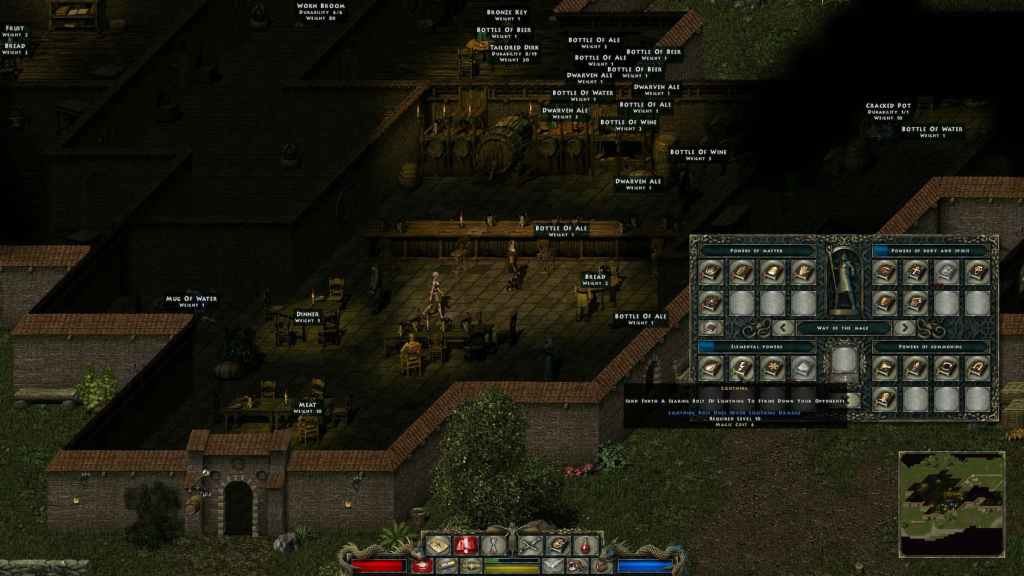
Before Larian Studios became synonymous with Divinity: Original Sin and Baldur’s Gate 3, it all started here. Divine Divinity, released in 2002, was an ambitious blend of classic CRPG design and action-RPG sensibilities at a time when the genre was struggling for identity. It wasn’t afraid to let systems overlap, collide, and sometimes overwhelm the player, and that willingness to embrace complexity became a defining trait of Larian’s design philosophy.

What Divine Divinity brought to the table was freedom. Quests often had multiple solutions, NPCs followed daily routines, and the world responded dynamically to player actions. You could steal, talk your way through problems, or brute-force your solutions, and the game rarely told you that you were playing wrong. That mindset is everywhere in Baldur’s Gate 3, where creativity is not only allowed but rewarded.
Most importantly, Divine Divinity laid the groundwork for Larian’s obsession with reactivity. Environmental interaction, skill-based dialogue checks, and non-linear progression all trace their lineage back to this early experiment. While the presentation of Baldur’s Gate 3 is far more polished, the soul of player-driven problem-solving was forged here, and this is where Larain Studios made a name for itself.
3) Wizardry
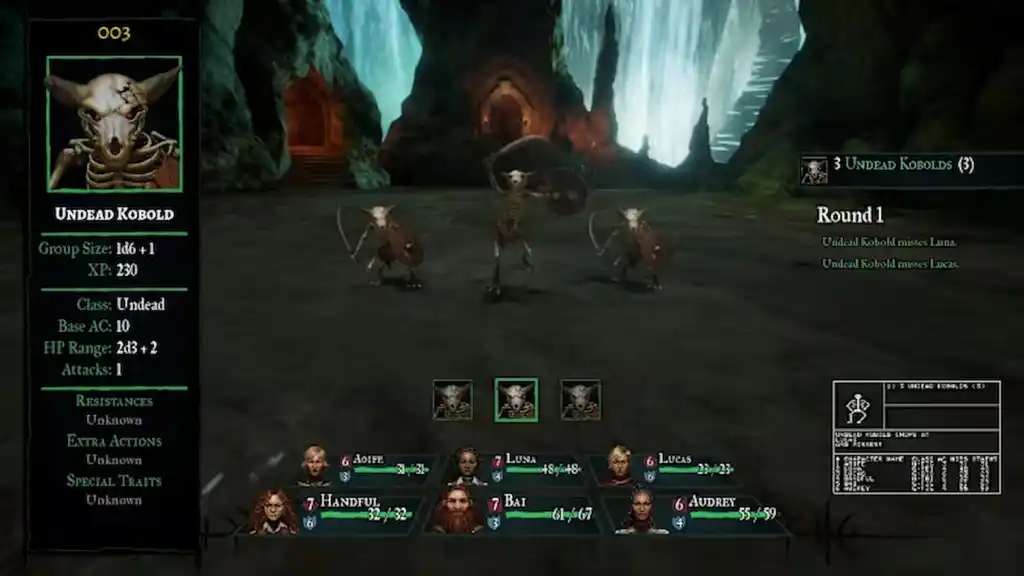
Few modern players realize just how much they owe to Wizardry. First released in 1981, this brutally difficult dungeon-crawling RPG helped define what a CRPG even was. Party-based combat, character classes, alignment systems, and stat-driven progression all owe a massive debt to Wizardry. Without it, the mechanical foundation of games like Baldur’s Gate 3 simply wouldn’t exist, nor would the hit anime and manga, Delicious in Dungeon.
Wizardry emphasized preparation and consequence. Poor party composition could doom a run before it began, and death was often permanent. That sense of danger and tactical weight is something Baldur’s Gate 3 channels in a more modern form. Every combat encounter is a puzzle, every spell slot matters, and bad decisions can snowball into disaster, especially on greater difficulties.
The influence also extends to party dynamics. Wizardry treated the group as a strategic unit rather than a collection of individuals, a philosophy that Baldur’s Gate 3 expands with deep companion writing, interpersonal conflict, and gripping romance. While the presentation has evolved dramatically, the core idea, RPGs as thoughtful, systems-driven experiences, remains intact. Wizardry’s influence on BG3 is undeniable, even if Larian Studios opted to turn down the difficulty.
2) Ultima
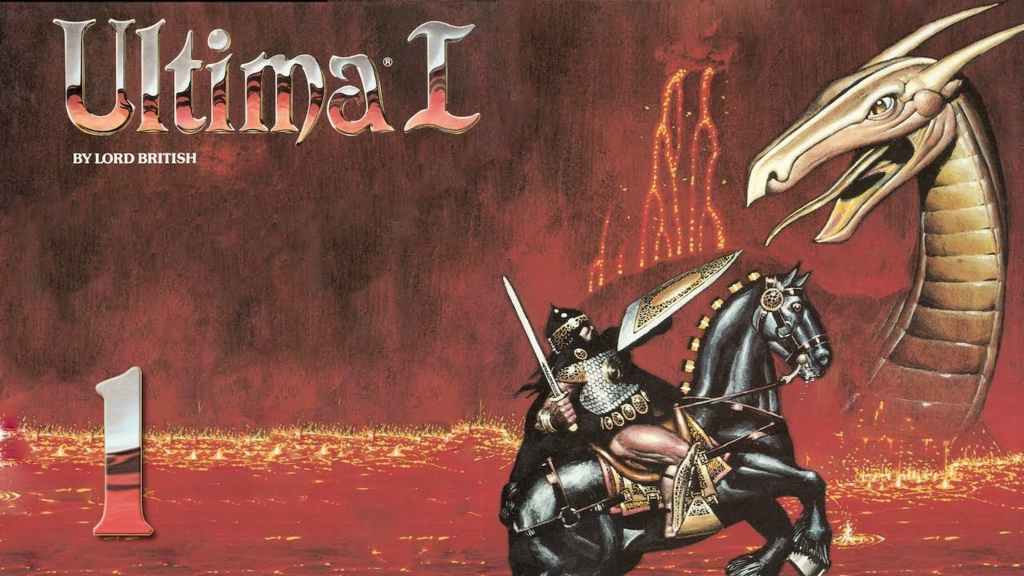
If Wizardry defined mechanics, Ultima defined morality. Richard Garriott’s legendary series pushed CRPGs beyond simple power fantasies by asking players to live within a moral framework. Rather than rewarding violence alone, Ultima tracked player behavior, encouraging virtues like honesty, compassion, and humility. The world noticed what you did, and it remembered. This set the stage for Larian Studios’ interactive world and became a core concept of its design.
That concept is central to Baldur’s Gate 3. Every major decision ripples outward, affecting factions, companions, and entire story arcs. The game rarely labels choices as good or evil, instead allowing players to define who their character truly is through action and choices. That philosophy is central to Ultima, a belief that role-playing should be about inhabiting a world, not just conquering it.
Ultima also helped pioneer immersive worldbuilding. NPCs had routines, towns felt lived-in, and lore was woven naturally into exploration. Baldur’s Gate 3 carries this forward with densely packed environments where nearly every character has something meaningful to say or do. The idea that a CRPG world should feel like a place, not a backdrop, owes everything to Ultima.
1) Arcanum: Of Steamworks and Magick Obscura

If there is one forgotten CRPG that feels like a direct philosophical ancestor to Baldur’s Gate 3, it’s Arcanum. Released in 2001 by Troika Games, Arcanum was wildly ambitious, deeply flawed, and decades ahead of its time. It blended fantasy and steampunk, magic and technology, and, most importantly, choice and consequence on a staggering scale. Its unique setting and premise may be one of its best aspects, but it is the freedom it offers that helped shape Baldur’s Gate 3.
Arcanum allowed players to solve quests in dozens of ways. Combat was optional. Dialogue checks could radically alter outcomes. Your character’s background, intelligence, and beliefs shaped how the world treated you. Entire questlines could vanish or appear based on decisions you didn’t even realize were significant. That level of narrative reactivity is exactly what players celebrate in Baldur’s Gate 3 today and hope to see in Divinity.
The game also embraced moral ambiguity. There were no clean answers, only trade-offs. Helping one faction often meant harming another, and companions didn’t always agree with your choices. This philosophy is deeply embedded in Baldur’s Gate 3, where party members challenge your decisions and may even leave or turn against you based on your actions.
While Arcanum struggled commercially and technically, its ideas survived. Larian took those concepts: player freedom, systemic storytelling, and unapologetic complexity, and refined them into something accessible without being shallow. In many ways, Baldur’s Gate 3 feels like Arcanum finally realized, and few games can claim to have influenced one of the greatest games of all time like Arcanum can.
What do you think? Leave a comment below and join the conversation now in the ComicBook Forum!
Most Viewed
-

Image courtesy of Paramount -

Image Courtesy of Disney -

TMS Entertainment