The GameCube remains one of Nintendo’s most beloved consoles, and for good reason. Its library contains some extraordinary games that still hold up decades later, some of which are still the best in their respective series. But nostalgia can be a major factor. Time has a way of smoothing over rough edges, frustrating mechanics and design decisions that were easier to tolerate when a game was new. Looking back at the GameCube today, some celebrated releases do not feel quite as impressive as memory suggests.
Videos by ComicBook.com
That does not mean these games are bad. Each one earned its reputation for legitimate reasons, whether through innovation, technical ambition, multiplayer popularity or simply being attached to a beloved Nintendo franchise. The problem is that their reputations can sometimes become so positive that criticism feels almost forbidden. Revisiting them with modern expectations reveals games that have obvious weaknesses, and in some cases, those weaknesses were present from the beginning. These are four GameCube games that deserve a little more scrutiny.
4)Metroid Prime 2: Echoes
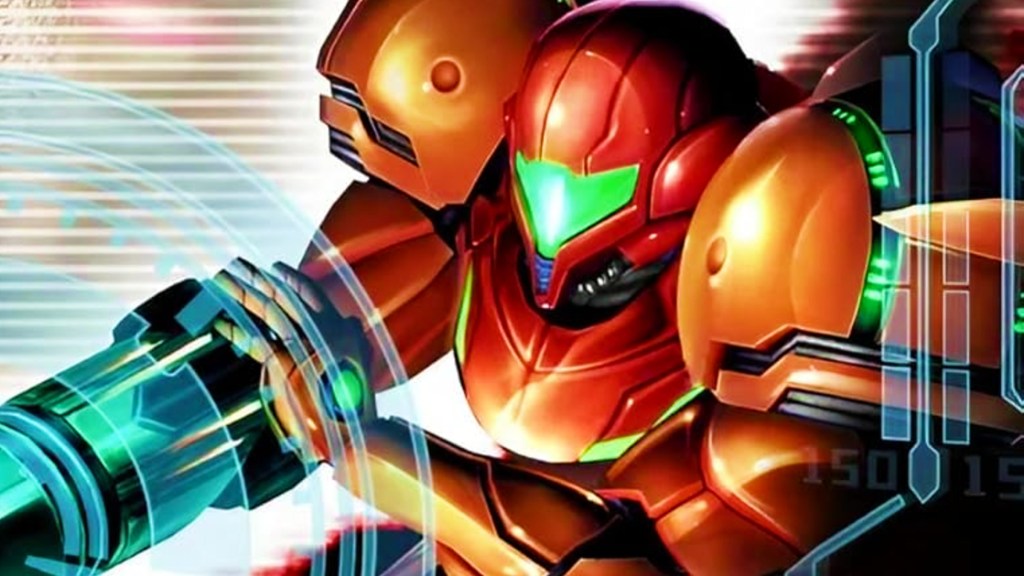
Metroid Prime 2: Echoes is one of the most ambitious games Nintendo released on the GameCube. Retro Studios followed the beloved Metroid Prime with a darker adventure built around the parallel worlds of Light Aether and Dark Aether. The sequel introduced new weapons, abilities and environments while expanding the first game’s exploration-focused formula.
The biggest issue is the Dark Aether mechanic. The concept is clever, but repeatedly moving between dimensions became tedious, particularly when the player has to manage environmental damage and search for safe zones. The game’s three major areas also require players to retrieve keys and navigate lengthy backtracking sequences before reaching the final stages. Those systems create a slower experience than Metroid Prime, and the sequel sometimes seems determined to make the player work for progress rather than rewarding exploration naturally.
There is still a great game despite these frustrations. The atmosphere is excellent, the combat is stronger than in the original, and the Light and Dark versions of Aether create some genuinely inventive environments. But Metroid Prime 2: Echoes is often remembered as if it were simply another masterpiece on the level of the original. It is not, but rather an ambitious sequel with great ideas that occasionally bury themselves beneath excessive backtracking and an unnecessarily complicated progression structure.
3) Pikmin
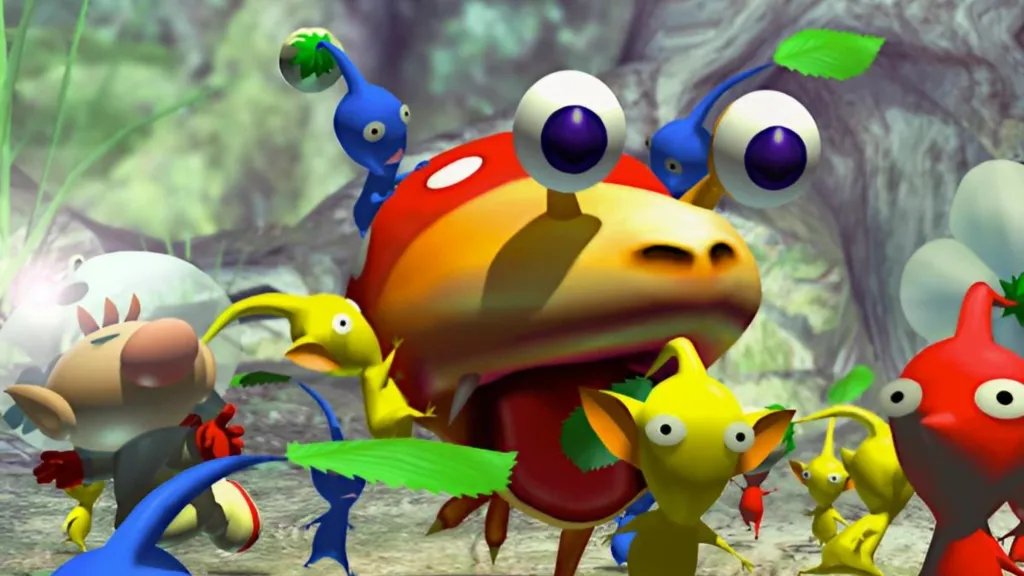
The original Pikmin is fascinating because it helped establish an entirely new Nintendo franchise while also experimenting with a real-time strategy formula rarely associated with the company. Captain Olimar crash-lands on an unknown planet and discovers tiny plantlike creatures that can help him recover the parts of his damaged spacecraft. The game’s central mechanic is brilliant: players command groups of Pikmin while managing limited time and resources.
The problem is that Pikmin is surprisingly unforgiving. Olimar has only 30 in-game days to recover enough ship parts to escape, and losing Pikmin can quickly create a resource problem that affects everything that follows. The original game’s strict time limit creates tension, but not always in the best way. If a player wastes too much time, the consequences can be severe. Modern Pikmin games generally offer more forgiving systems, making the original’s limitations more noticeable today.
What makes this complicated is that the foundation remains excellent. Watching a small army of Pikmin carry objects, battle enemies and construct paths is still satisfying, and the game’s scale gives the world an unusual sense of danger. However, the original Pikmin is sometimes remembered as though its formula was already perfected. The series improved considerably in later installments, adding new Pikmin types, larger areas and more sophisticated mechanics. The original deserves credit for its ideas, but its rougher systems make it harder to call the best version of Pikmin today.
2) Super Smash Bros. Melee
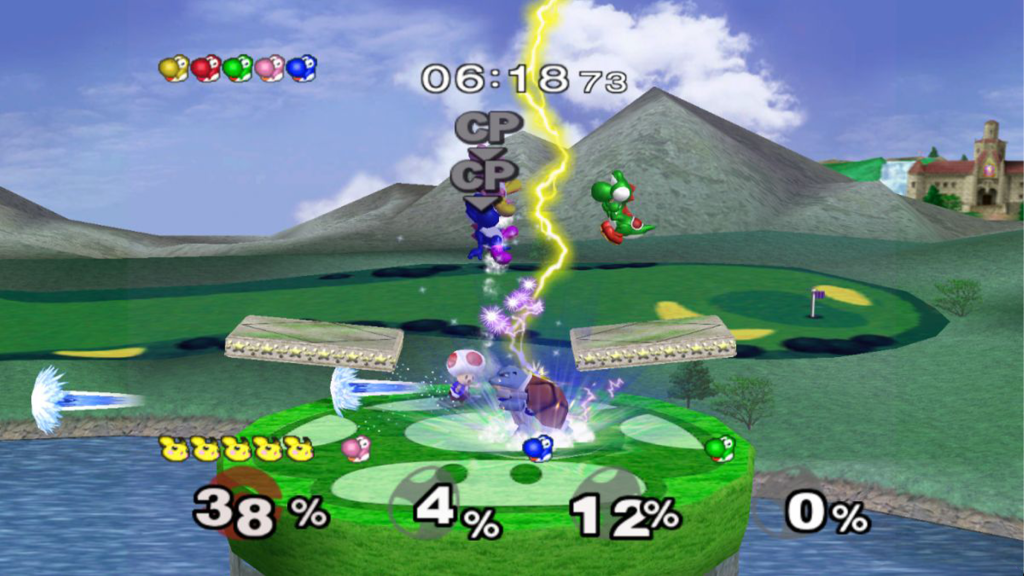
Few GameCube games have had an impact comparable to Super Smash Bros. Melee. Released in 2001, it expanded Nintendo’s crossover fighting game into a much deeper competitive experience. It introduced characters including Marth, Roy, Mewtwo and Bowser, added new stages and modes, and significantly increased the speed and complexity of combat. Official tournaments still run it to this day, showing its strong legacy.
But the very qualities that made Melee legendary can also make it difficult to revisit casually. Its speed is extreme compared with later entries, and competitive techniques such as wavedashing and L-canceling create a substantial divide between casual play and high-level competition. The game’s physics are also highly specific, meaning characters and mechanics that feel natural to veteran players can seem strange to anyone approaching Melee for the first time.
Then there is the content itself. Melee was enormous for its era, but modern Smash games have dramatically expanded the concept. Compared with the scale of Super Smash Bros. Ultimate, Melee feels surprisingly limited. It remains an important fighting game and an extraordinary competitive title, but nostalgia sometimes transforms it from an influential classic into something it never needed to be: an untouchable perfect game.
1) Luigi’s Mansion
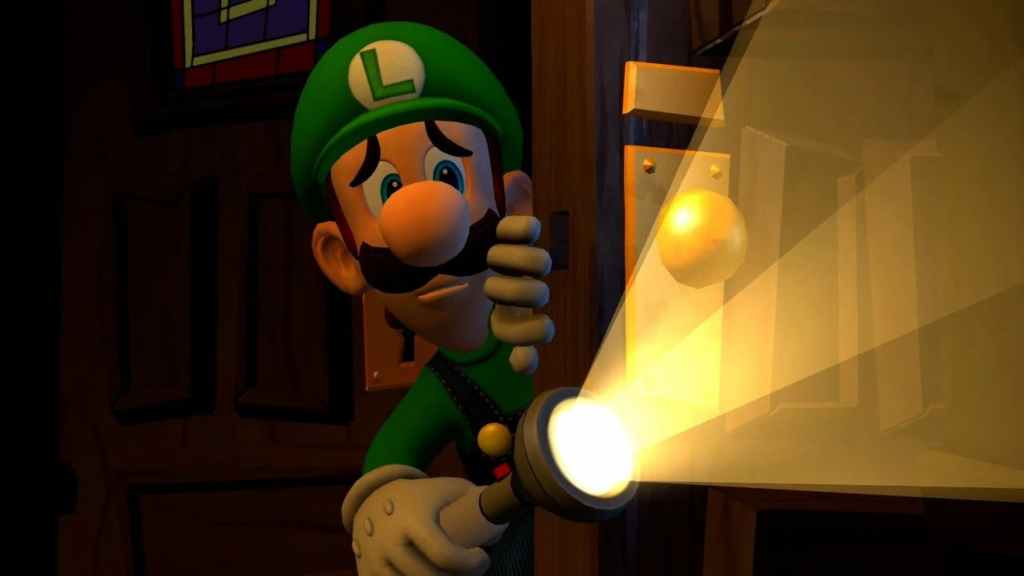
Luigi’s Mansion is perhaps the most surprising game on this list because its reputation has grown considerably with age. Originally released as a GameCube launch title in 2001, it gave Luigi his first major starring role and replaced the traditional Mario platforming formula with a haunted-house adventure. The concept is simple and it ultimately works as players navigate the mansion using the Poltergust 3000 to capture ghosts.
The problem is that the original game is short and mechanically repetitive. Much of the experience involves entering rooms, searching for objects, capturing ghosts and moving on to the next area. The ghost-catching mechanic is fun, but there are relatively few enemy types, and the game repeatedly asks players to perform similar tasks. The original also lacks many of the systems that later became associated with the franchise.
Its atmosphere remains excellent, its soundtrack is memorable, and watching Luigi nervously explore the mansion remains charming. But it is easy to confuse nostalgia for quality. Luigi’s Mansion was a clever launch experiment that established a franchise, not the fully developed adventure the series would eventually become. Compared with its sequels, the original feels more like a promising prototype. It deserves its place in GameCube history, but it does not deserve to be remembered as an unquestionable masterpiece.
More Gaming
-
Courtesy of BioWare -

Image Courtesy of AdHoc Studio