Open-world RPGs have always been about freedom, and the promise that there is always something else to do just over the horizon. For years, that sense of scope was part of the magic that has kept gamers coming back to these types of titles. Bigger worlds meant bigger adventures, more stories to uncover, and more reasons to stay immersed. Somewhere along the way, though, “big” quietly turned into “long,” and length itself became a selling point.
Videos by ComicBook.com
Today, it is no longer surprising to hear that an open-world RPG takes 80, 100, or even 150 hours to finish. That number is not just about how much story is there. It is the result of several design choices that intentionally stretch playtime, sometimes in ways that feel rewarding, and other times in ways that feel exhausting. These four factors are some of the biggest reasons modern open-world RPGs now demand hundreds of hours to see through.
4. Massive Maps That Prioritize Travel Time
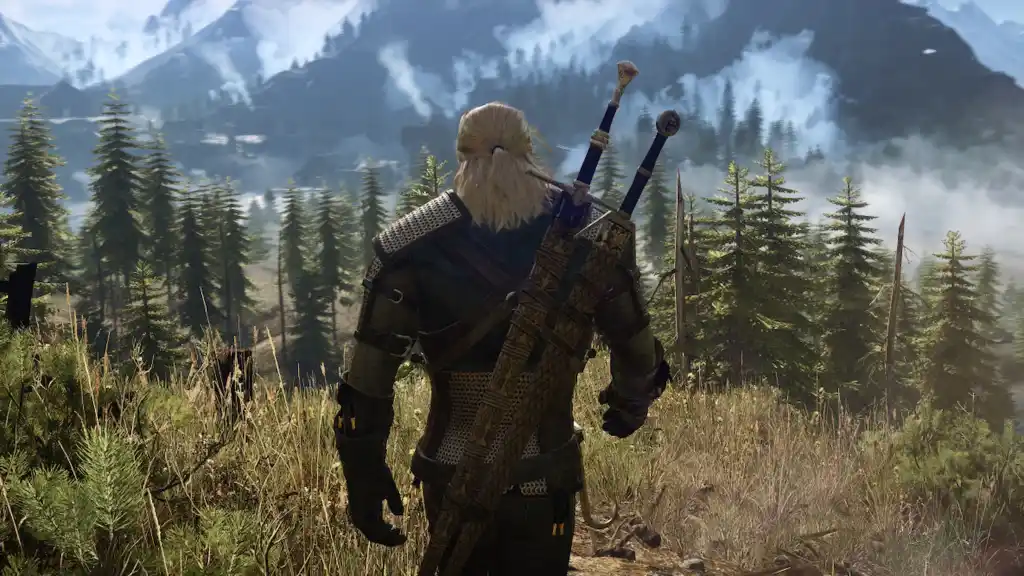
Modern open-world RPGs are built around maps that are enormous by design, often far larger than what the core narrative actually requires. The idea is to give the impression that things are always “larger-than-life”. These spaces demand time simply to move through them, turning travel into a major contributor to total playtime. Even with fast travel systems in place, players still spend countless hours navigating terrain just to reach objectives off in the distance. In many cases, when done well, this is well-received and adored by fans of the genre. In others, it’s a slog that drags the experience down.

Over the course of an entire campaign, this travel time adds up dramatically. Crossing the same regions repeatedly for various objectives and moving between quest hubs quietly inflates completion times to a wildly absurd degree, but often times, this is masked when you’re immersed. You don’t notice how much time is being spent just moving around when there’s something always exciting. When the world is dense and reactive, this feels rewarding. When large portions exist primarily to be crossed rather than interacted with, the scale itself becomes a reason the game takes hundreds of hours to beat.
3. “Optional” Side Content That Is Designed to Be Unavoidable
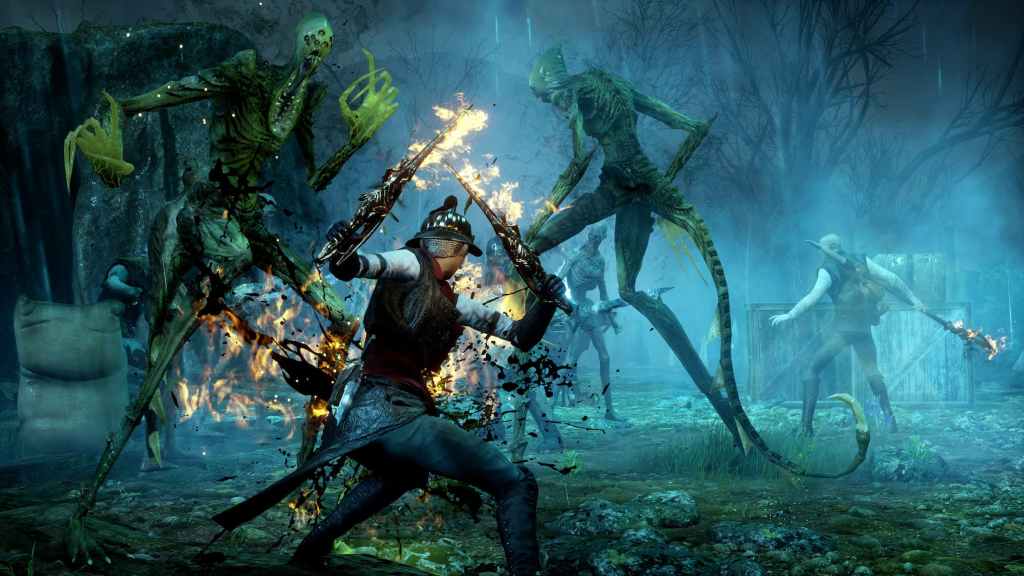
Side quests in modern open-world RPGs are often framed as optional, but the underlying systems very often tell a different story these days. There are all kinds of content like this that cause this to be the case. Enemy scaling and recommended level ranges often cause you to grind experience or gear to be able to progress. Gear expectations, specifically, frequently prevent players from sticking to the main story alone. Progress slows or stops entirely unless additional content is completed. It’s totally optional, because this kind of progression is technically not needed to complete the game, but it’s really not, because that same progression makes it viable for you to actually… well… progress.
This design ensures that large portions of the game are experienced whether the player seeks them out or not. Dozens of hours are spent clearing contracts, errands, and faction work just to stay competitive with the content you’re up against. When side content is strong, it enriches the world and deepens investment, and like with tranversal, often improves the experience for you unknowingly. When it is repetitive, it still accomplishes its purpose by extending playtime and making completion a far longer commitment, but it becomes a massive detriment to the gameplay experience.
2. Progression Systems That Constantly Demand Your Attention
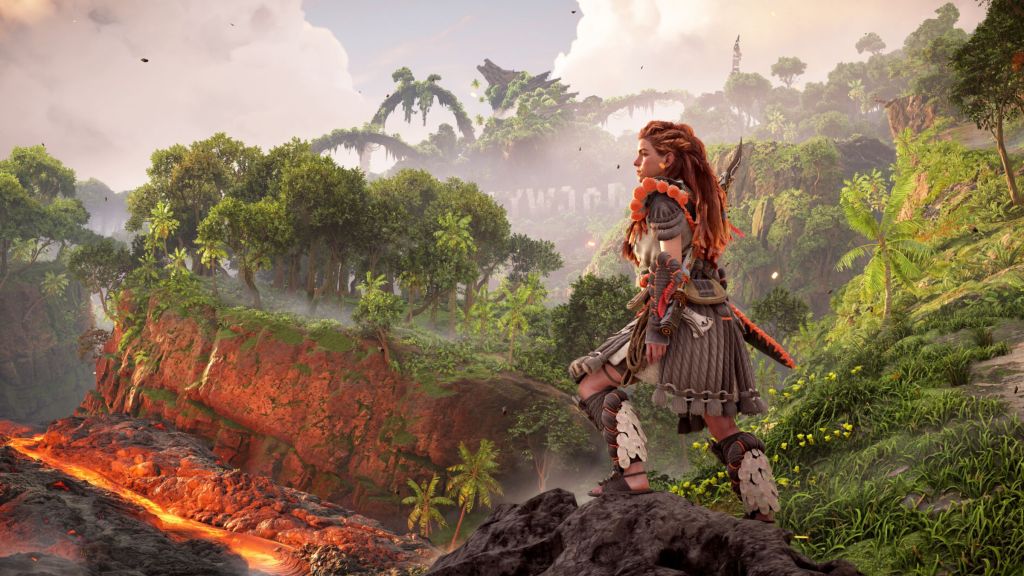
Open-world RPGs now rely on layered progression systems that rarely allow players to feel finished with their builds. Skill trees continue to unlock, gear is constantly replaced, and crafting systems encourage ongoing material collection. Advancement becomes an active process rather than something that happens naturally alongside the story. The result is you, the player, stay focused on progressing your character’s power via the multiple means provided to you. You remain active, and if the game is fun, willing to build.
This creates long stretches of gameplay focused on preparation instead of progression, though. You’ll spend hours optimizing equipment, farming resources, and unlocking incremental upgrades that feel necessary to survive future encounters. For players who enjoy tinkering, this is part of the appeal. For others, it turns forward momentum into a series of obligations that stretch the experience well beyond the story itself.
1. Live-Service Influences That Redefine Completion
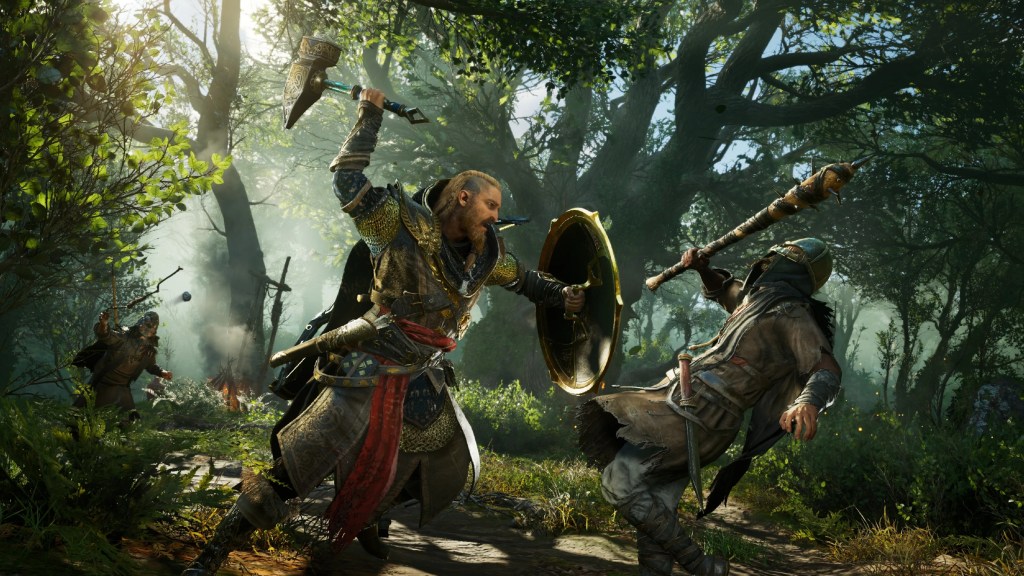
The most impactful shift behind hundred-hour open-world RPGs is the adoption of live-service design ideas. Systems meant to retain players over long periods have been folded into single-player experiences, reshaping how completion is defined. Reputation tracks, repeatable activities, and long-term progression loops are now common expectations. This is likely the most controversial thing on this list, due to the implication that it is common for developers to design open-world RPGs with the intent of never having you stop playing them.
These systems blur the endpoint of the game. Finishing the main story often feels less like an ending and more like another milestone or merely a beginning of the ‘true’ game. Players are encouraged to keep engaging with systems that are intentionally slow to complete. While this can be appealing for those who want to live in a world indefinitely, it also ensures that truly finishing the game requires a massive investment of time.
What do you think? Leave a comment below and join the conversation now in the ComicBook Forum!
Most Viewed
-
Image Courtesy of Marvel Comics -

Image Courtesy of Crunchyroll