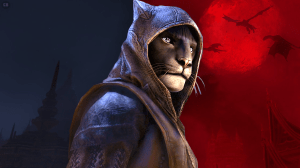
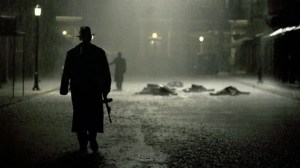
Even years after its release, The Witcher 3: Wild Hunt remains one of the best RPGs and games of all time. It offers a sweeping open-world epic grounded in emotional character arcs, meaningful decisions, and richly layered lore. Yet the genre continues to evolve. Studios are blending cinematic direction with reactive gameplay, deeper combat systems, and worlds that feel increasingly alive. The next wave of RPGs aims not just to imitate what made CD Projekt Red’s masterpiece iconic, but to match and possibly even surpass it through innovation, scale, and narrative ambition.
Videos by ComicBook.com
With developers mastering the Xbox Series X/S and PlayStation 5’s hardware, the newest RPGs are experimenting with hybrid combat systems, dynamic exploration, and branching storylines that promise greater player agency. These titles offer bigger maps, flashier visuals, new philosophies of character progression, enemy design, and environmental storytelling. These four upcoming RPGs could legitimately stand shoulder-to-shoulder with The Witcher 3 for depth, emotion, and world-class storytelling.
4) Phantom Blade Zero

Among the most anticipated action RPGs in development, Phantom Blade Zero has already made a name for itself with lightning-fast combat and striking visual direction. While not a traditional Western RPG, its blend of dark fantasy, martial-arts mythology, and cinematic storytelling positions it as a potential rival in both narrative intensity and gameplay sophistication. From what we’ve seen, it blends soulslike gameplay with strong action-RPG mechanics.

The combat system is the standout feature: fluid, aggressive, and heavily skill-based. Phantom Blade Zero aims for rapid movement, intricate combos, and precise timing that lean closer to stylish action titles like Sekiro or Devil May Cry. Yet those who mastered Geralt’s fluid combat will feel right at home here. This emphasis on mastery gives battles a visceral energy that could appeal to RPG players seeking more dynamic, technical encounters.
Its world: steeped in steampunk influences, supernatural threats, and wuxia-inspired landscapes, sets the stage for a story built around betrayal, redemption, and impossible odds. It suggests a narrative that’s dark and character-driven, echoing the moral grayness that defined Geralt’s stories. If the developers deliver on their promise of a semi-open world with handcrafted zones, reactive encounters, and multiple quest pathways, Phantom Blade Zero may offer a fresh alternative to traditional fantasy RPGs, blending elegance and brutality in equal measure.
3) Fable
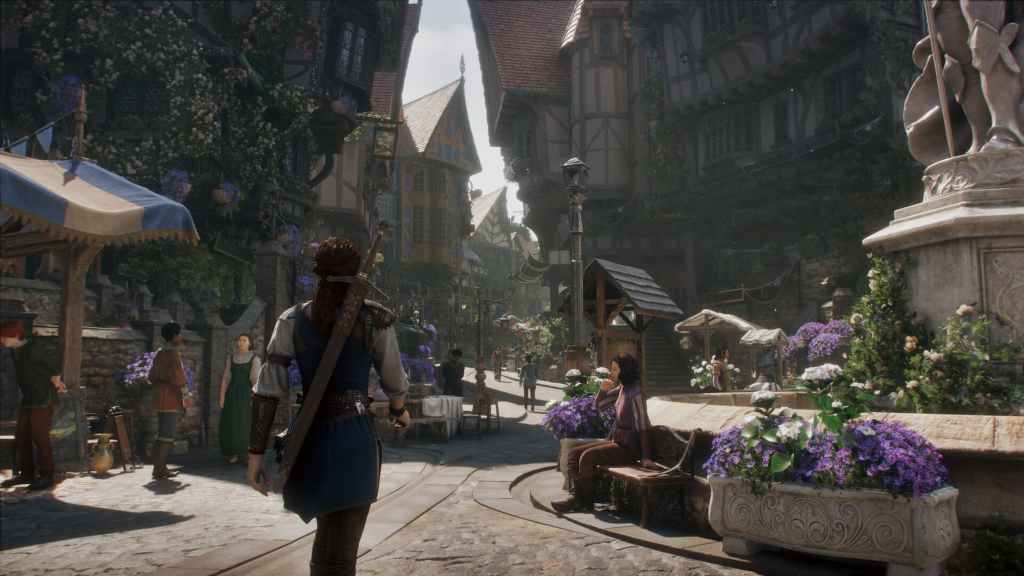
The return of Fable is one of the most exciting events in modern RPG development. Playground Games, known for the thrilling Forza Horizon series, is reimagining the iconic franchise with next-gen visuals, modern RPG systems, and a renewed focus on choice-driven storytelling. While the game has seen its number of delays, Microsoft is shooting for a release in 2026, and many are hoping to see it at The Game Awards.
What made the original Fable games memorable: playful British humor, fairytale satire, and a living world, appears to be returning. Yet this reboot is also leaning deeper into narrative depth, character expression, and branching consequences. While we haven’t seen full gameplay, everything showcased suggests a world that reacts meaningfully to player decisions, similar to how townsfolk in The Witcher 3 respond to Geralt’s choices.
Combat seems heavier and more grounded, with melee, magic, and ranged abilities integrated into a flexible system. The world design, meanwhile, appears lush, whimsical, and filled with environmental storytelling. Fable looks poised to modernize its charm while pushing toward richer emotional beats with consequences that matter. If Playground Games nails the balance of heart, heroism, and satire, this reboot could stand alongside the genre’s greats.
2) Crimson Desert
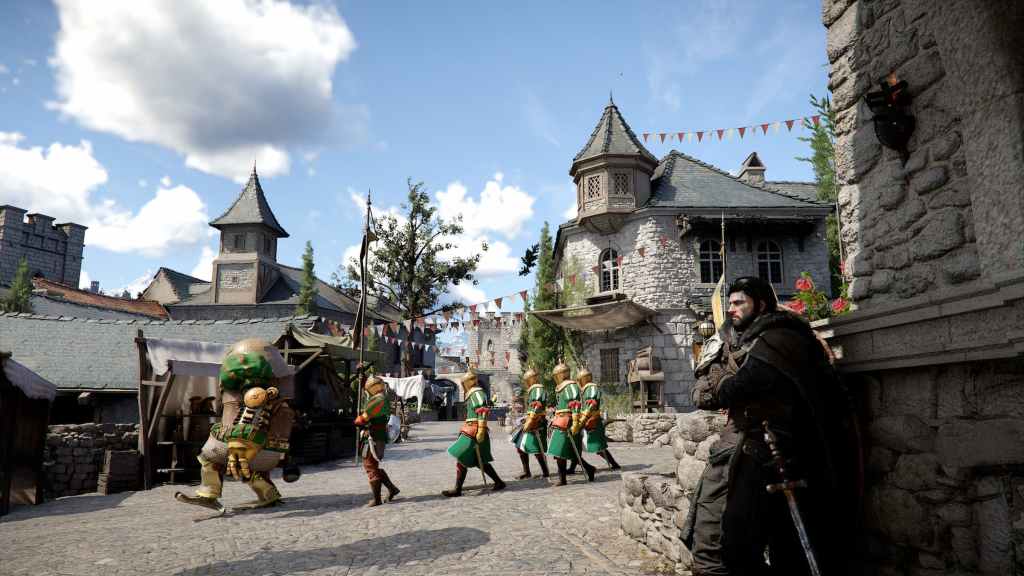
Pearl Abyss’ Crimson Desert is shaping up to be one of the most ambitious open-world RPGs ever created, and early footage has drawn comparisons to The Witcher 3 for both scale and grit. While the studio is best known for the MMO Black Desert Online, this new title is a story-driven, single-player adventure with a focus on cinematic exploration and real-time action through its protagonist, Kliff.
The world of Pywel is brimming with detail: bustling marketplaces, war-torn villages, snowy mountain passes, and sprawling deserts filled with emergent events. Players assume the role of a mercenary battling both internal conflict and political chaos. The narrative leans into factional intrigue, personal sacrifice, and a grounded sense of desperation; tones familiar to any fan of Geralt’s monster-hunting career.
Gameplay is a hybrid of open-world freedom and dynamic action. Players can fight from horseback or dragonback, climb cliffs, explore ruins, and participate in large-scale battles that blur the line between RPG and action epic. The game’s physics-driven interactions and magic spells bring a new level of intensity to combat encounters. But what truly pushes Crimson Desert into potential Witcher rival territory is its ambition: an enormous, handcrafted world filled with quests, secrets, and narrative density.
1) The Blood of Dawnwalker
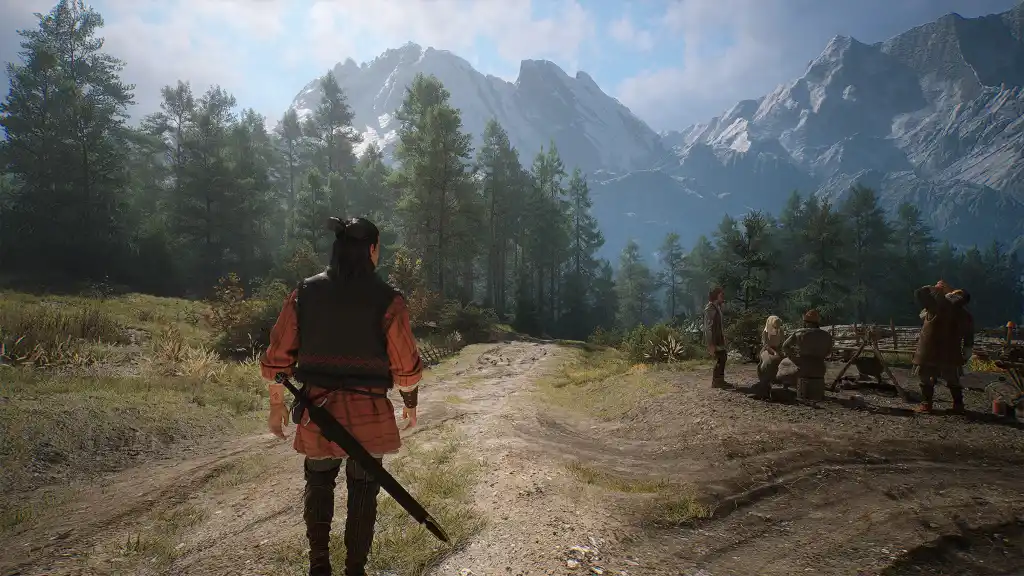
The dark fantasy epic The Blood of Dawnwalker is shaping up to be the closest spiritual competitor to The Witcher 3 in terms of narrative ambition, world design, and character-driven storytelling. Though a new IP, it has generated major buzz thanks to its grounded tone, mythic inspirations, and focus on mature, morally complex writing. The studio also consists of former CD Projekt RED developers, further adding to its hype.
At its core is a story about choices and consequences. From the beginning, players have a timeline, and they cannot save everyone. Players are a Dawnwalker, a vampire who can walk in the daylight but still embraces their vampiric nature. This mythological grounding opens the door to rich themes that revolve around the protagonist’s humanity. This creates a tension that makes every decision more impactful and can alter the world around them.
The gameplay blends open-world exploration with tactical melee combat, magic-infused abilities, and deep character progression. The Blood of Dawnwalker emphasizes measured directional strikes during the day, or vampiric powers at night. This dual-combat system gives players the option of how they want to approach encounters. It also gives more weight to the choices in the story, as how you approach situations can affect your relationship with important characters.
The main and side quests are being developed with the same philosophy that elevated The Witcher 3: small, personal stories with emotional impact. Decisions carry long-term consequences, as each will advance the time and limit your remaining choices. If the final product delivers on its promise of deep lore, grounded characters, and evocative world-building, The Blood of Dawnwalker could become the next major milestone in narrative RPGs.
What do you think? Leave a comment below and join the conversation now in the ComicBook Forum!
Most Viewed
-

Image Courtesy of Ufotable -

Image Courtesy of Crunchyroll -

Image Courtesy of Toei Animation