It’s hard to craft entire worlds from scratch in Dungeons and Dragons, but supplemental content for the iconic TTRPG exist to give Dungeon Masters the tools to build their worlds with more detail. From expansive histories behind certain monster types to additional gameplay options, supplement books can be vital tools for your next campaign. Whether you’re introducing homebrew or running an established adventure module, a supplement can flesh out the world your players are jumping into.
Videos by ComicBook.com
The 5th Edition of D&D has released plenty of supplement books over the years, with various themes creating compendiums surrounding different popular topics in the game. For example, Monsters of the Multiverse is a supplement that expands the Monster Manual, giving players more nuanced monster stat blocks to use in combat encounters. While these are useful, the most interesting tomes are ones that provide a wider variety of tools, touching on multiple topics for both players and DMs to use.
5. Fizban’s Treasury of Dragons

For some players, half of Dungeons and Dragons is about Dragons, who undoubtedly remain the most popular monster in the fantasy TTRPG. However, dragons in D&D aren’t the same as they are in typical folklore, containing a significant number of varieties. Fizban’s Treasury of Dragons is a book that fully expands on dragons, including how each kind gathers their hordes, interacts with people, or conquers battle with detailed stat blocks. An encyclopedic “dragonomicon,” this supplement book offers everything for players looking to add dragons to their games.

Fizban’s Treasury of Dragons includes new character subclass options themed around dragons, such as the Ascendant Dragon Monk or Drakewarden Ranger. The book also covers the unique personalities of chromatic, metallic, and gem dragons, inlcluding how and where their lairs would be within a D&D world. With extended Dragonborn racial options and a huge variety of dragon hoard magic items that evolve over time, this book is a must-have for those who enjoy the majesty of these elemental breathing creatures.
4. Eberron: Forge of the Artificer

Eberron: Forge of the Artificer is not to be confused with Ebberon: Rising from the Last War, since the latter is a campaign setting rather than a supplement. However, Forge of the Artificer is one of the newest books for D&D‘s 5.5e overhaul, with the new rules marrying the steampunk world of Eberron well. This book provides new context for one of 5e’s most engaging locations, where war has ravaged the land with technological and magical advancement. The complicated houses of Eberron are perfect backgrounds for character creation, providing unique abilities for players to explore.
After an initial delay in its release, this book quickly proved to be a stellar addition to D&D‘s lineup, with revised character options from Eberron. Fan-favorites like the robotic Warforged, shape-shifting Changeling, and spiritual Kalashtar were re-introduced as playable species in this supplement. The Artificer class also returns, providing a full archetype for magical tinkering and spellcasting. At the same time, new context and expanded lore from the original Ebberon setting book help enrich that setting even further.
3. Tasha’s Cauldron of Everything

When it comes to maximizing new character creation options, Tasha’s Cauldron of Everything is probably the best place you can go, adding perhaps the most subclasses out of any supplement book. However, this book is also packed with powerful new spells and magical items, giving your players more tools to maximize the power fantasy of D&D. Even obscure optional rules can help you tweak the fun of your campaigns even further, with Group Patrons introducing the idea of a party in league together, either through an ancient being, guild, criminal syndicate, or more.

Although the Dungeon Master tools in this book aren’t as extensive as other supplements, they are still incredibly handy to have. For example, optional rules for supernatural regions can add flavor to important locations your players venture to. Stat blocks for sidekick characters also give support to smaller parties, while environmental hazards can make a party’s journey more memorable. With the Arcana Unleashed book also expanding gameplay in 2026, Tasha’s Cauldron of Everything is great for included higher magical themes into a campaign.
2. Volo’s Guide to Monsters
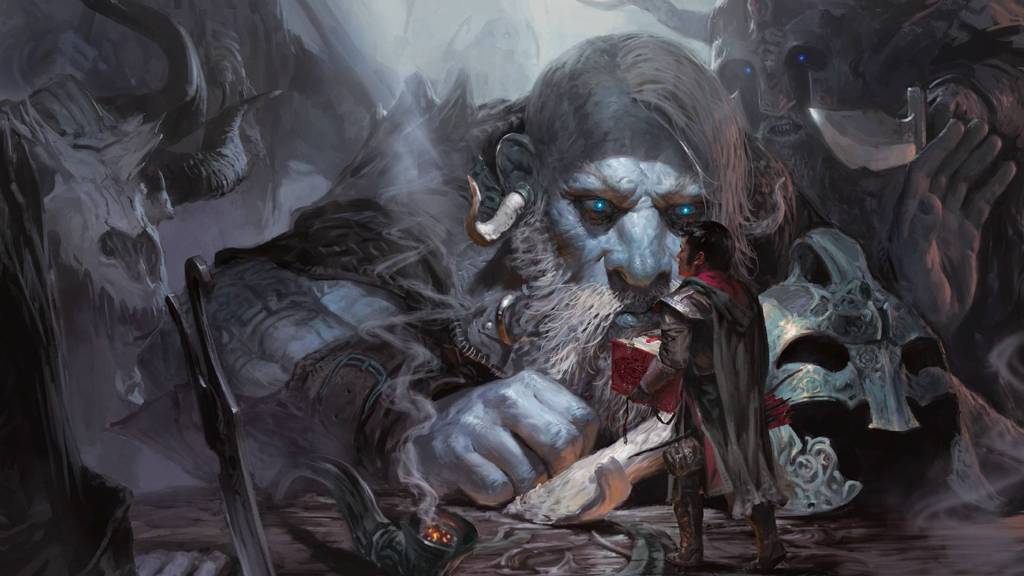
Have you ever wanted to play as a Goblin? Or Half-Giant? If the answer is yes, Volo’s Guide to Monsters is the supplement book you need for your game, as it provides tons of context to the typical “monsters” of the D&D world. From the complex hierarchy of Giants to the origin of hags, kobolds, gnolls, and serpentine Yuan-Ti, this book gives you a wealth of information about creatures you commonly see throughout an entire. Just by having extra lore on certain species, your worlds can be layered with greater depth, making players feel more immersed than ever.
Although a majority of this book is useful stat blocks for different monsters, it also includes how a variety of possible battle maps for encountering those creatures. A layout of a Mind Flayer colony and Orc stronghold are present here, giving first-time DMs a framework to run different adventures. Yet, this book is widely known as the supplement that gives players popular racial options for character creation. Building characters with a “monstrous” origin is possible through Volo’s Guide to Monsters, from angelic Aasimar to Kenku, Lizardfolk, or cat-like Tabaxi.
1. Xanathar’s Guide to Everything
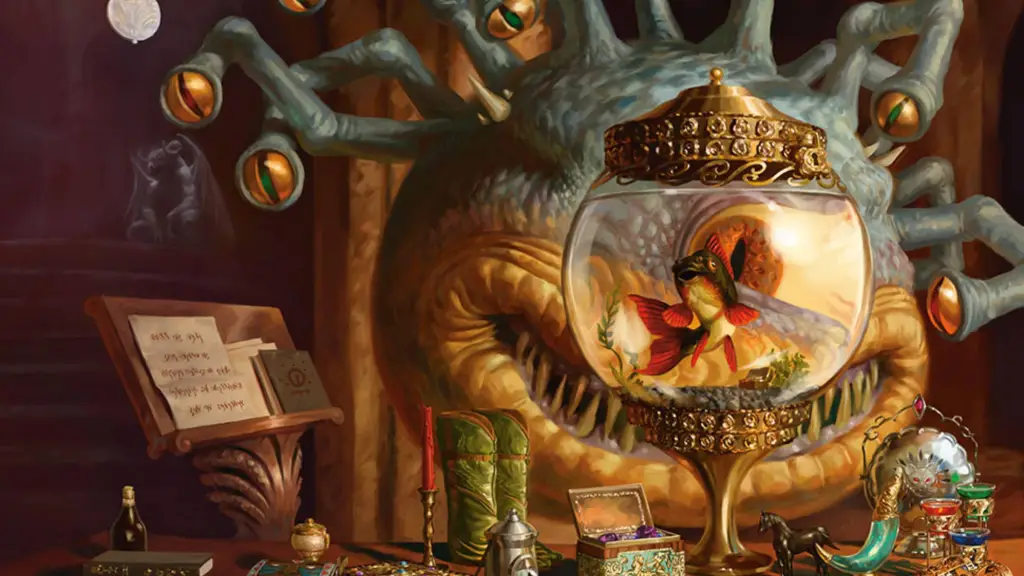
When it comes to a supplement book, Xanathar’s Guide to Everything is the standard all other supplement content should follow for 5.5e in the future. This book truly has everything as its title suggests, from character creation options to DM tools to flesh out games. Characters get an absolutely massive list of new subclasses, with each class getting at least four or more new archetypes to explore. This book even provides notes on how to role-play specific subclass origins, with tables for life events and personal decisions to give players an optional guideline for creating a backstory.

For Dungeon Masters, Xanathar’s Guide to Everything has tons of rules the Dungeon Master’s Guide doesn’t cover, almost making it an amendment to that core book. Obscure rulings are outlined more often, such as what happens when a character falls or sleeps. This book also gives DMs a better guide for setting up combat encounters, with huge tables for random encounters across multiple levels of play in various themed regions. Magic item tables allow DMs to give out rewarding loot more often, while lists of traps help flesh out dungeons with more danger.
There’s so much to find in this book, players might be shocked to see that it even has lists of possible character names, for both NPCs and player characters in a game. When it comes to supplement books in Dungeons and Dragons, Xanathar’s Guide to Everything is a foundational tool, almost as important as the Player’s Handbook itself.
What D&D supplement book do you think is the most important in the TTRPG? Leave a comment below or join the conversation in the ComicBook Forum!
Most Viewed
-

Image Courtesy of Ufotable -

Image Courtesy of Toei Animation