Metroidvanias have become one of the most exciting genres in gaming, but their rise did not happen overnight. While they have always thrived on core pillars like exploration, combat, and puzzles, it is a genre that was typically considered niche and had a loyal but small following. But even before the genre had a name, players gravitated toward games that let them retrace their steps with newfound abilities, uncover hidden routes, and slowly piece together a sprawling, interconnected world. That sense of discovery is what hooked me when I first played Metroid and Castlevania, the founders of what we know today.
Videos by ComicBook.com
In recent years, the genre has exploded in popularity thanks to a wave of modern hits, yet its foundation is built on decades of innovation, of which many series continue today. Some series embody the past, shaping what the genre would eventually become. Others represent the present, introducing new mechanics, art styles, and design philosophies that broaden the audience and push the formula forward. A few even merge genres entirely, proving just how flexible Metroidvania design can be. Of the many entries, these five series and games are the most influential of what a Metroidvania is.
5) Dead Cells

Dead Cells is one of the most striking examples of what happens when developers blend Metroidvania structure with different elements, and in this case, roguelike progression. When it launched in 2018, it felt immediately fresh. Rooms were procedurally reconfigured, weapons changed run to run, and the game encouraged experimentation through its mutation and blueprint systems. Yet underneath all that randomness was the unmistakable backbone of Metroidvania exploration and ability-driven progression. That intersection set it apart from anything else at the time, walking the line of classic Metroidvania and something new.

One of the reasons Dead Cells works so well is its tight, responsive combat, something that all the best Metroidvanias offer. The speed, dodge mechanics, and weapon variety create a loop that rewards reflexes as much as planning. Even after dozens of hours, I still found myself making one more run just to see what new combination of gear I could make work. Every attempt feels different, yet the overall journey maintains a strong sense of structure and upward momentum.
The game also proved that Metroidvanias could diversify in new ways without losing their identity. Its success opened the door for more hybrid experiences that merge genres rather than sticking to traditional formats. Dead Cells didn’t just join the Metroidvania genre; it expanded what it could be, making it one of the most influential modern entries on this list. Others have taken its lead and experimented in new ways, further showing how diverse this genre can be.
4) Ori & The Blind Forest
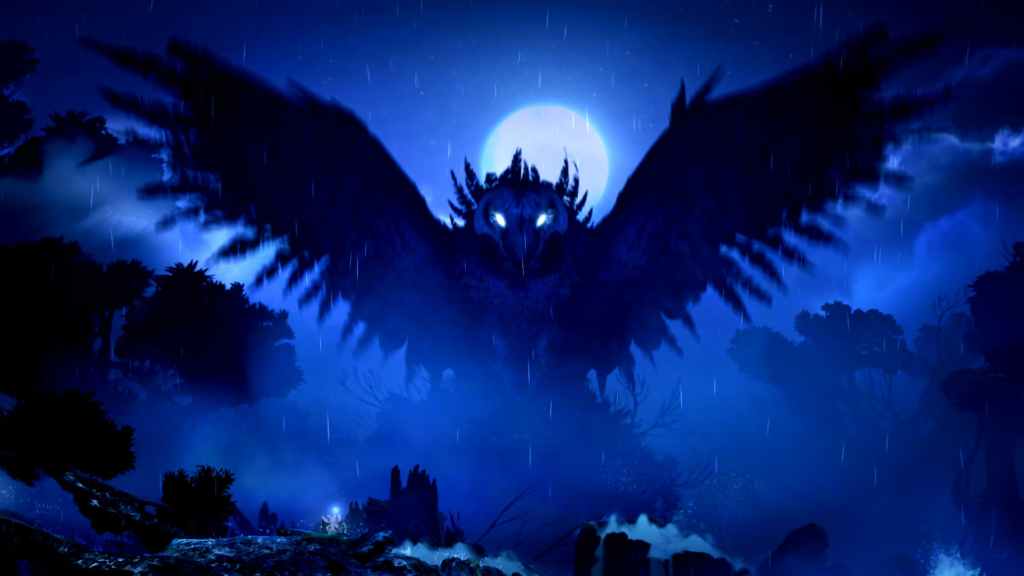
Few games capture the emotional and visual beauty of the Metroidvania genre like Ori and the Blind Forest. From its painterly art style to its moving soundtrack, the game is a masterclass in atmosphere and storytelling. What surprised many players, including me, was how its heartfelt presentation paired with some of the tightest platforming controls in the genre. It did not just look good; it played exceptionally well, offering precision movement that rewarded skill and timing and showcased one of the genre’s main pillars.
The level design in Ori blends linear storytelling with open-ended exploration, making it accessible without sacrificing depth. Each region introduces new traversal abilities that reshape how players navigate the environment, and the game presents challenges in a way that feels natural. Even returning to early areas feels exciting because the traversal tools significantly change how they operate. This creates a journey that appeals to the mechanical side of Metroidvanias and the emotional side of its narrative.
What secures Ori’s place among the best Metroidvania series is its lasting impact on modern design. It helped usher in a new era of highly polished, emotionally rich, and visually striking Metroidvanias. The series represents the present-day evolution of the genre, proving that beautiful aesthetics, narrative weight, and precise gameplay can coexist seamlessly in an exploratory side-scrolling adventure.
3) Hollow Knight
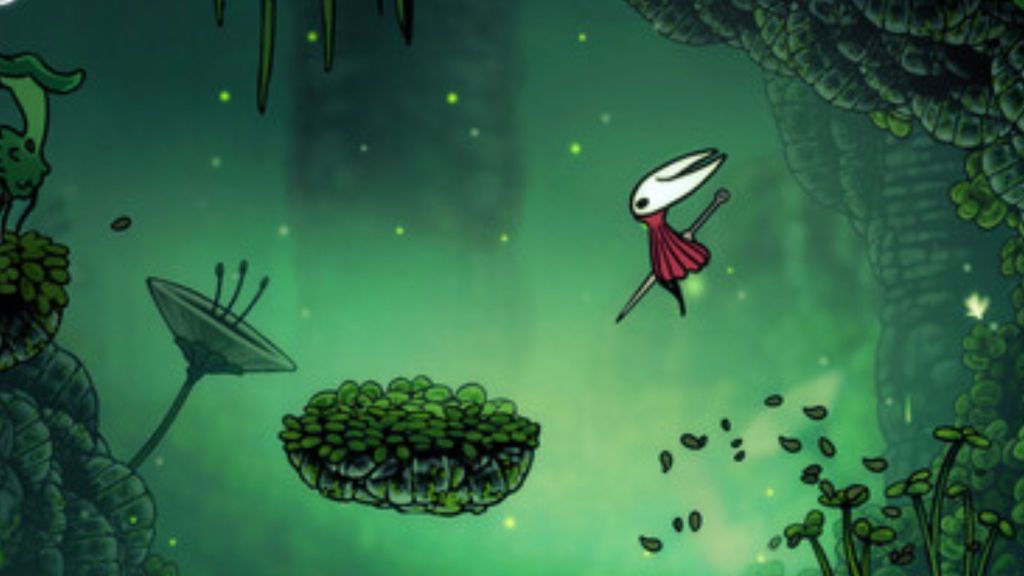
Hollow Knight is often the game people mention first when talking about modern Metroidvanias, and for good reason. Its world, Hallownest, remains one of the most intricately crafted settings in gaming. The somber atmosphere, elegant environmental storytelling, and layered lore invite deep exploration. It nails the sense of progression that defines the genre, and so many Metroidvanias today are directly inspired by it. One only has to look at the hype surrounding Hollow Knight: Silksong to see how impactful the series is.
The combat system, while simple at first glance, offers surprising depth. Every upgrade, charm, and movement ability changes how battles unfold. Boss encounters, in particular, strike a near-perfect balance between challenge and fairness, making each victory feel earned. Combined with the game’s expansive map, it creates a journey that remains compelling long after the credits roll. Many players have spent dozens of hours uncovering secrets that others might never find, or simply enjoying the world of Hallownest.
Most importantly, Hollow Knight represents the present and future of Metroidvanias. It revived interest in the genre during a time when 2D games were becoming overshadowed by open-world and live service titles. Its success proved that players still crave tightly constructed, ability-driven adventures. It is hard to imagine the genre’s modern boom without it. Hollow Knight has cemented itself as one of the most important Metroidvanias and indie games of all time.
2) Castlevania

Castlevania is one of the two pillars upon which the entire Metroidvania genre was built. While early entries were more linear action games, the release of Castlevania: Symphony of the Night changed everything. The open castle layout, RPG progression, and emphasis on exploration established a new gameplay identity that countless developers would later adopt. Even today, many titles use Symphony’s design as an inspiration when building their own worlds.
The series continued to evolve through its Game Boy Advance and Nintendo DS eras, creating some of the best Metroidvania experiences ever made. Aria of Sorrow, Dawn of Sorrow, and Order of Ecclesia remain excellent examples of how to blend combat, progression, and exploration without losing a sense of pacing. These games shaped the idea of what the genre could be. Their maps, bosses, and upgrade paths remain among the best-designed in 2D action gaming.
What makes Castlevania so enduring is its influence. Modern Metroidvanias borrow their structure, pacing, and sense of mystery. Even now, the series’s impact remains profound. Without Castlevania, the genre simply would not exist in its current form. With Castlevania: Belmont’s Curse, the legendary franchise is finally returning, and it will be incredible to see how it performs in the modern era of Metroidvanias.
1) Metroid
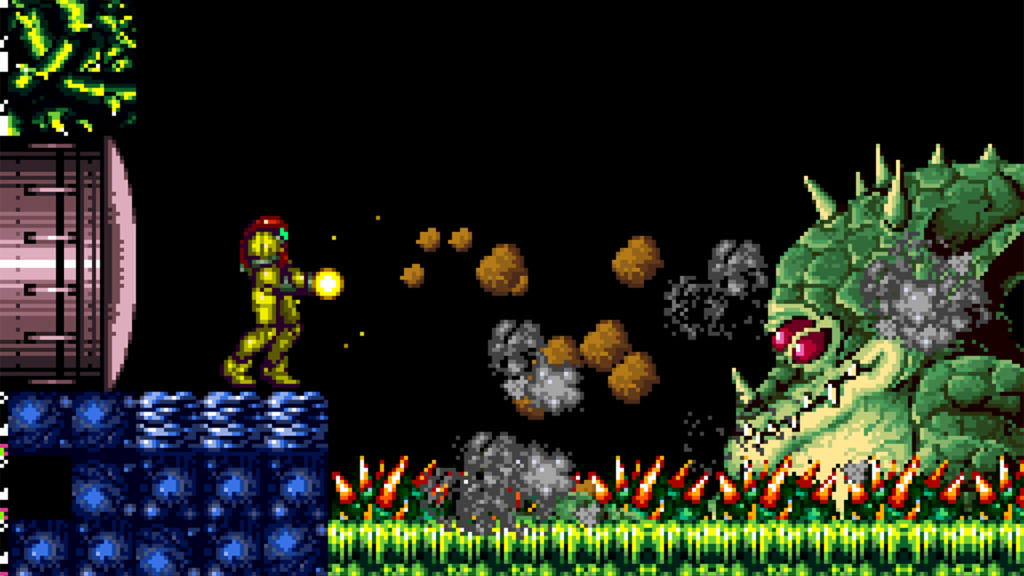
Metroid stands as the original starting point for the genre. Its atmospheric exploration, minimalist storytelling, and emphasis on obtaining abilities to unlock new paths set the foundation long before the term Metroidvania became popular. Playing Super Metroid for the first time remains one of the most formative gaming experiences of genre fans. The world felt vast, dangerous, and alive, demanding patience and rewarding discovery in ways few games did at the time and still do today.
The series has consistently innovated. Metroid Fusion pushed narrative structure. Metroid Dread modernized movement and combat while staying faithful to the franchise’s identity. Metroid Prime showed that Metroidvanias could exist in a 3D space. Every entry feels carefully crafted, with a level of precision that has inspired developers across the industry. Few franchises maintain such a steady level of quality across decades.
What ultimately makes Metroid the greatest Metroidvania series of all time is not just its legacy, but its continued relevance. Modern entries prove that the formula still works, and new players constantly discover its brilliance through re-releases and fresh installments. The genre carries its name for a reason. Without Metroid, Metroidvanias may never have existed at all. Nintendo is a pioneer in the gaming industry, and Metroid is just one way in which it has influenced game design and helped create new genres.
What do you think? Leave a comment below and join the conversation now in the ComicBook Forum!
Most Viewed
-

Courtesy of Sony Pictures Animation / McDonald's