The strategy genre has grown from a niche into something more. With a wide variety of subgenres, there are multiple options for players, and they return to these titles year after year. Deep mechanics, problem-solving, creativity, and long-term planning offer so many different strategies that it is easy to see why strategy games have become as popular as they have. Several franchises have established themselves as some of the best products available, and this list is ever-expanding beyond iconic series like Age of Empires and Anno.
Videos by ComicBook.com
2026 is poised to be one of the best years for strategy fans. There are major returns, long-awaited sequels, and ambitious new entries from respected studios. These games carry recognizable names, established fanbases, and new ideas built on decades of shared design history. They also represent the best of what strategy games can be: tactical, narrative-rich, and mechanically layered. Below are the five most anticipated strategy releases of the year, including two iconic series returning and the possibility of the first truly excellent adaptation of a beloved fantasy franchise.
5) Warhammer 40,000: Mechanicus 2
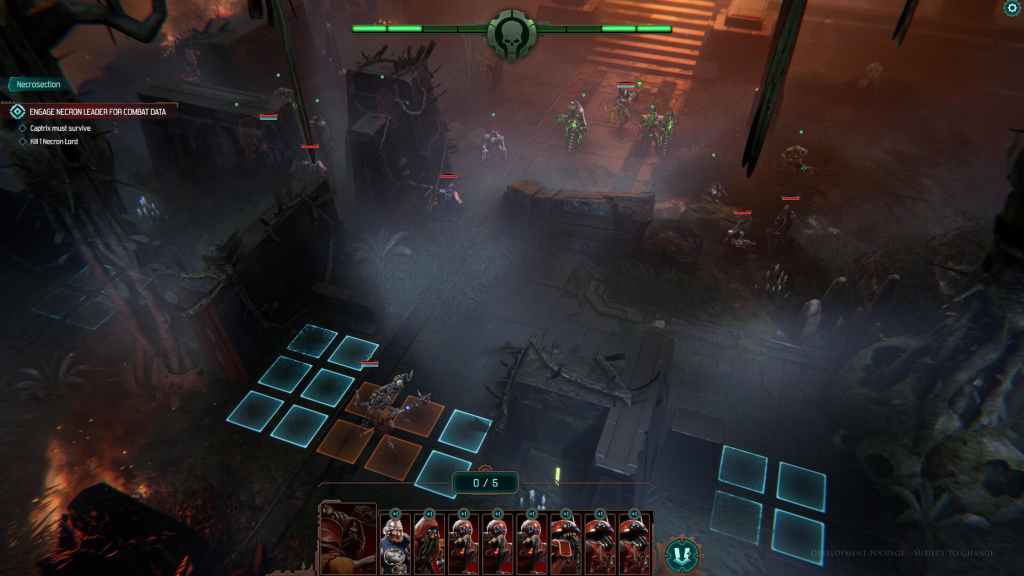
Warhammer 40,000: Mechanicus became a surprise hit thanks to its tactical combat, atmospheric storytelling, and faithful representation of the Adeptus Mechanicus. The announcement of Warhammer 40,000: Mechanicus 2 makes 2026 even stronger for strategy and Warhammer 40K fans. The sequel promises deeper mechanics, broader unit customization, and more expansive mission structures designed around the techno-religious complexities of the faction. The Necrons are also available as a playable faction for those looking for a different experience.

One of the core strengths of the original was its soundtrack, writing, and dedication to lore accuracy. Those same elements appear to be returning, with larger environments, more dramatic enemy types, and improved tactical tools that reflect the faction’s obsession with technology. This same level of detail and attention has also been applied to the Necrons. Fans of turn-based strategy have reason to be optimistic, especially given how well the first game balanced accessibility with challenge.
For a genre that thrives on depth and replayability, Mechanicus 2 stands out as a highlight for the year. It expands a successful formula, carries one of the most recognizable universes in gaming, and offers a strategic experience that appeals to both newcomers and longtime Warhammer 40,000 fans. With 2026 already filled with impressive titles, including Warhammer 40,000: Dawn of War 4, this sequel remains a top contender for the most anticipated turn-based release.
4) Game of Thrones: War for Westeros
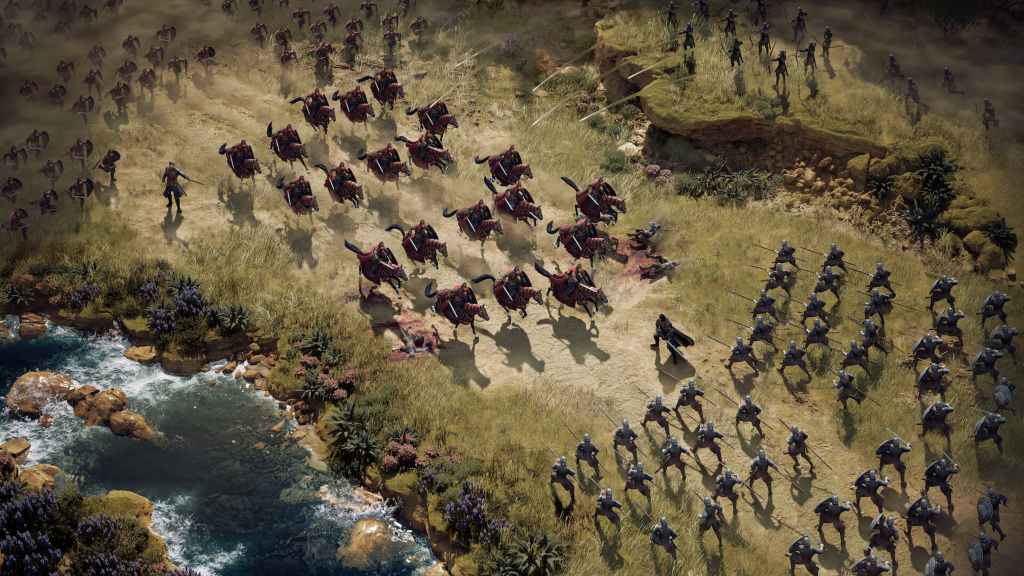
The Game of Thrones license has had a complicated relationship with video games, but Game of Thrones: War for Westeros aims to change that. Developed as a large-scale strategy title with political, territorial, and military systems, it targets the part of the franchise that translates best to gaming: the power struggle. Fans know how central alliances, betrayals, and shifting loyalties are to the world George R. R. Martin created, and those themes work especially well inside a strategic framework. If the game stays true to the world, War for Westeros has the potential to become the first standout adaptation in the franchise.
One of the most compelling aspects of this release is its focus on the major houses that fans know and love. Developer PlaySide has confirmed faction-based campaigns, each with unique traits and unit designs influenced by the lore. House Stark, House Lannister, House Targaryen, and even the Night King are available to choose from. The design emphasis leans toward long-term planning, resource management, and the constant threat of changing strategy. Fans of political strategy may find this the most exciting implementation the series has ever attempted.
The key question is whether the game can balance its systems without becoming overwhelming or underutilized. Strategy games walk a fine line between being overly complex and too simple. The Game of Thrones IP will do a lot of the heavy work, bringing players in, but the game’s mechanics will be what keeps fans playing. If the final product delivers on both accessibility and depth, War for Westeros could be 2026’s breakout strategy release and finally give players the faithful adaptation they have waited for.
3) Fire Emblem: Fortune’s Weave

The Fire Emblem franchise continues to define strategy role-playing on Nintendo platforms, and Fire Emblem: Fortune’s Weave is shaping up to be a major step forward. While details remain limited, the series’ established blend of character-driven storytelling and grid-based combat sets the foundation for one of 2026’s most anticipated games, especially among the divided fan base. As one of Nintendo’s leading franchises, it has a strong audience on the Nintendo Switch 2.
What makes Fortune’s Weave particularly exciting is the focus on battlefield identity. Each unit in the series often carries personal stakes; Nintendo places greater emphasis on interconnected storylines and how they affect tactical decisions compared to other strategy games. Fans who have followed the evolution from Awakening to Three Houses know how much the series values narrative complexity, and modern hardware can take this to new levels.
With the series consistently delivering tactical depth and emotional engagement, expectations for Fire Emblem: Fortune’s Weave are high. The potential for new mechanics, character-focused arcs, and refined combat systems all position this entry as one of the most notable strategy releases of 2026, and possibly one of the Nintendo Switch 2’s best games. If it builds on the strengths of its predecessors while improving the core mechanics, it could become one of the franchise’s greatest achievements.
2) Dawn of War IV
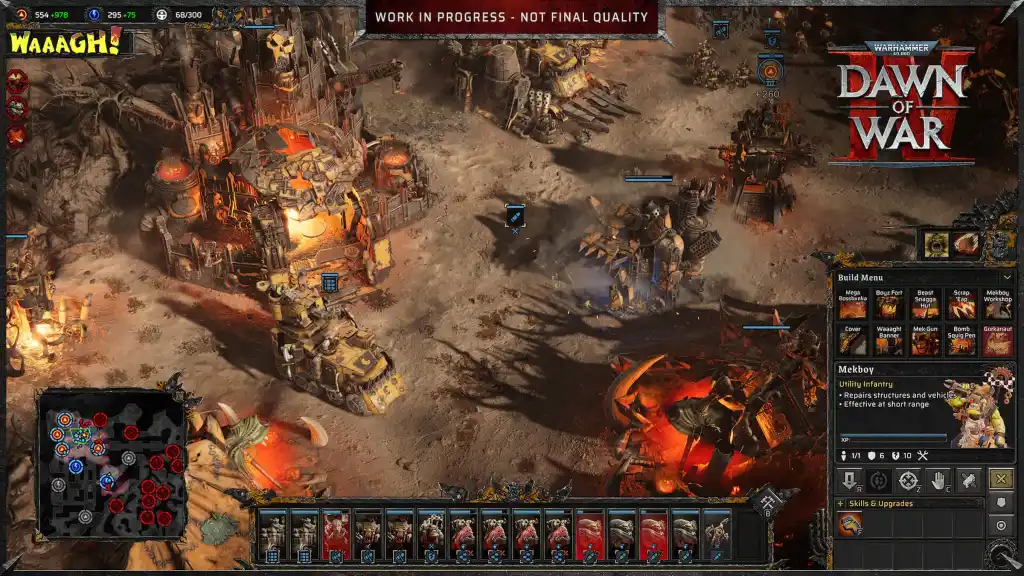
The Dawn of War series helped shape real-time strategy throughout the 2000s. Known for its aggressive pacing and battlefield urgency, the franchise brought the Warhammer 40,000 universe to life with tactical intensity and cinematic presentation unlike anything the franchise had seen before. Dawn of War 4 is one of the biggest announcements for 2026, marking a significant return for a series that left an enormous impact on RTS design. Fans of the earlier games have waited years for a new installment that returns to the scale and commanding presence that made the series famous.
The game aims to blend the strengths of Dawn of War II’s squad-focused tactics with the larger army structures of the original title. That design direction indicates a more flexible strategic experience, where players control both elite units and broad military forces. Real-time strategy has seen a resurgence in recent years, and a new Dawn of War entry could push the genre even further by introducing modern visual technology and refined troop behavior to an already incredible foundation.
The 2026 release window is crowded, but Dawn of War 4 carries the advantage of a deeply loyal fanbase. Its history with tactical combat, lore-driven mission design, and visual spectacle ensures that expectations are high. If the game can deliver large-scale battles while maintaining the tight control systems the series is known for, it could easily rank among the year’s strongest strategy releases.
1) Heroes of Might & Magic: Olden Era
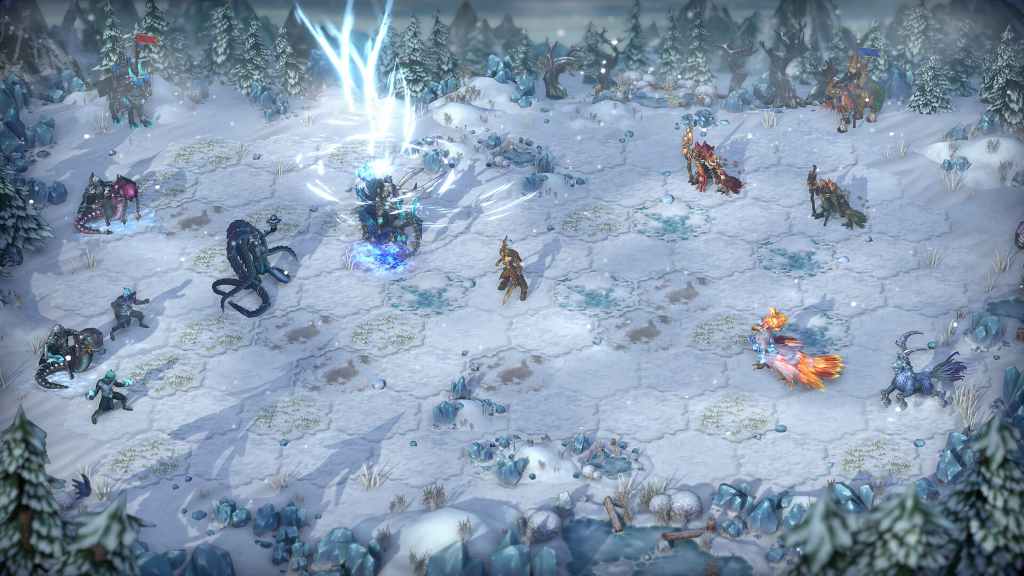
The Heroes of Might & Magic franchise remains one of the most influential strategy series of all time. Its combination of turn-based exploration, tactical combat, and town building defined the genre for generations of players. Heroes of Might & Magic: Olden Era marks a major return, bringing the series back after years of absence and delivering a revival that longtime fans have hoped for. Developer Unfrozen has designed it as a return to classical mechanics, emphasizing grid-based combat and meaningful overworld movement. For many, this is the most exciting announcement in the strategy space for 2026, especially those who disliked more recent entries in the series.
What makes Olden Era especially promising is its stated goal of restoring the tone and structure of earlier entries. The developers have emphasized practical improvements to the familiar formula rather than dramatic reinvention that has plagued the series. That includes polished visuals, improved hero progression, and faction diversity built on beloved units from past games. Because the original title in the series is known for its balance of tactical complexity and accessibility, the rebooted direction fits naturally with what fans expect.
2026 has many exciting strategy games on the horizon, but Olden Era stands out as one of the year’s defining releases. Its legacy ensures interest, but its adherence to the foundational strengths of the series is what makes it matter. If the game captures the brilliance of earlier entries and modernizes it with careful updates, it could reestablish Heroes of Might & Magic as a leading force in the genre once again.
What do you think? Leave a comment below and join the conversation now in the ComicBook Forum!
Most Viewed
-
Image Courtesy of Netflix -
Image Courtesy of Netflix -

Image Courtesy of Ufotable -
Image Courtesy of WIT Studio