Some games have fantastic first impressions, but others hide their greatest strengths until players decide to engage with them again. RPGs are usually the best at this, with hidden content and alternate paths to their narratives almost begging you to go back and start a new adventure. With hindsight, some games become far stronger on a second playthrough, reinforcing their ideas when you have better understanding on what they’re trying to do.
Videos by ComicBook.com
New Game+ is usually a way for a second playthrough to be much better than the first, at least with more linear experiences. For example, Resident Evil games are typically less tense on a New Game+ run, as they allow for stronger weapons alongside your knowledge of encounters, save points, and more. However, this doesn’t necessarily make the game “better” on a New Game+ playthrough, simply easier, rather than providing a new perspective that makes a new run worth doing.
5. Star Wars: Knights of the Old Republic
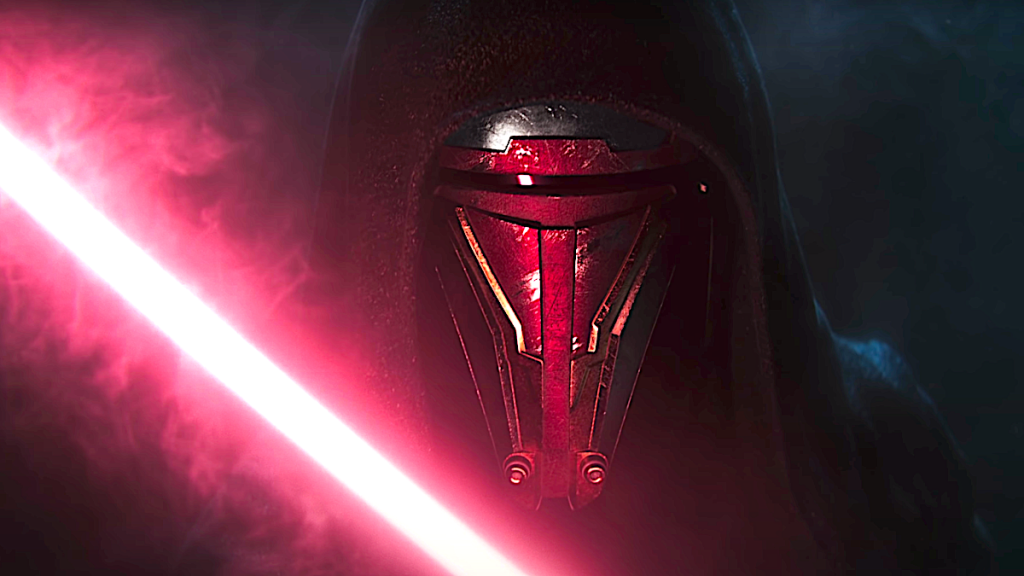
The central twist behind Star Wars: Knights of the Old Republic is earth-shattering on a first playthrough, especially if you weren’t spoiled. It changes almost every aspect of the game up until that point, including how some characters interacted with you during various moments of dialogue. Knowing the truth going into a second playthrough is eye-opening, as it reveals all the hints toward the twist that existed in plain sight.
Knowing the truth ahead of time on a second playthrough also unlocks new story options as you play, including the choice to go down a different path. The morality behind a Light Side or Dark Side playthrough of KOTOR helps shape two very different narratives, with one perhaps being more appealing than the other with fresh knowledge of your own nature. Like many other RPGs, the amount of branching paths through player choice makes a second playthrough an opportunity to see what you’ve missed, making a new adventure worth trying at least once.
4. Baldur’s Gate 3
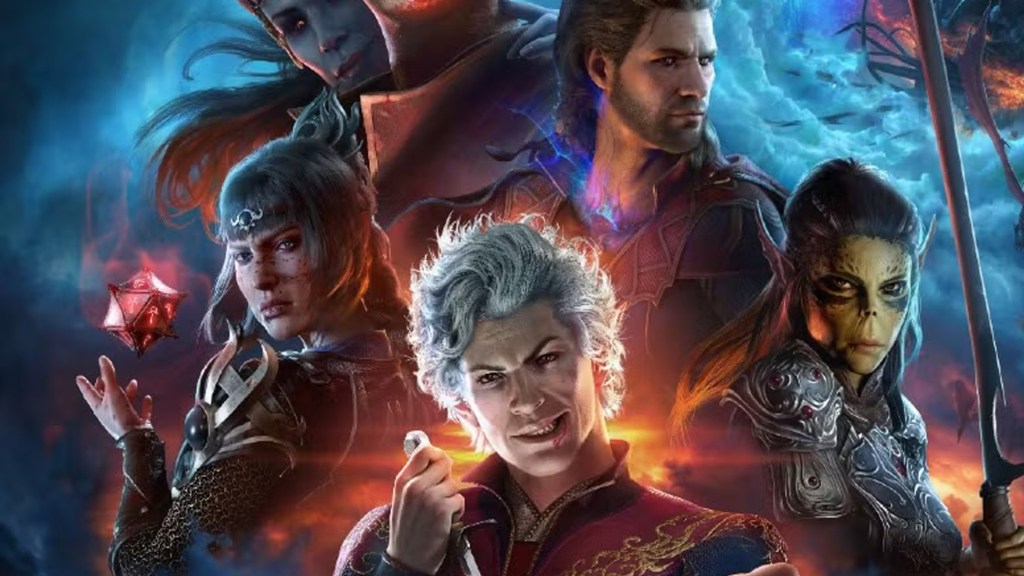
Baldur’s Gate 3 is a game that changes drastically based on the decisions you make, turning your first playthrough into a chaotic mess of choice and consequence. Going into this game blind means you’ll likely miss tons of quests, character events, or chances to progress parts of the plot throughout each story Act. This is what makes a second playthrough so endearing, as you have greater knowledge of when and where events will take place.
There are so many things you can do on a second playthrough of Baldur’s Gate 3, from romancing a new companion to switching from good to evil or vice versa compared to your first adventure. The staggering amount of ways the narrative of this RPG can twist and turn means that a second, third, fourth, or fifth playthrough is not out of the question. Multiple playthroughs can get even more exciting if you choose the Origin of the Dark Urge, which adds a new layer to the game’s story drenched in blood lust and evil deeds.
Mechanically, Baldur’s Gate 3 also changes greatly depending on the class and background you choose for your journey. A second playthrough could let you use gear and magic unavailable to you before, altering your combat experience greatly depending on who was in your party originally. The almost endless approaches you can have to this game makes a second playthrough one of the best, as it might be the first time you truly experiment with the RPG’s incredibly dense systems.
3. Undertale
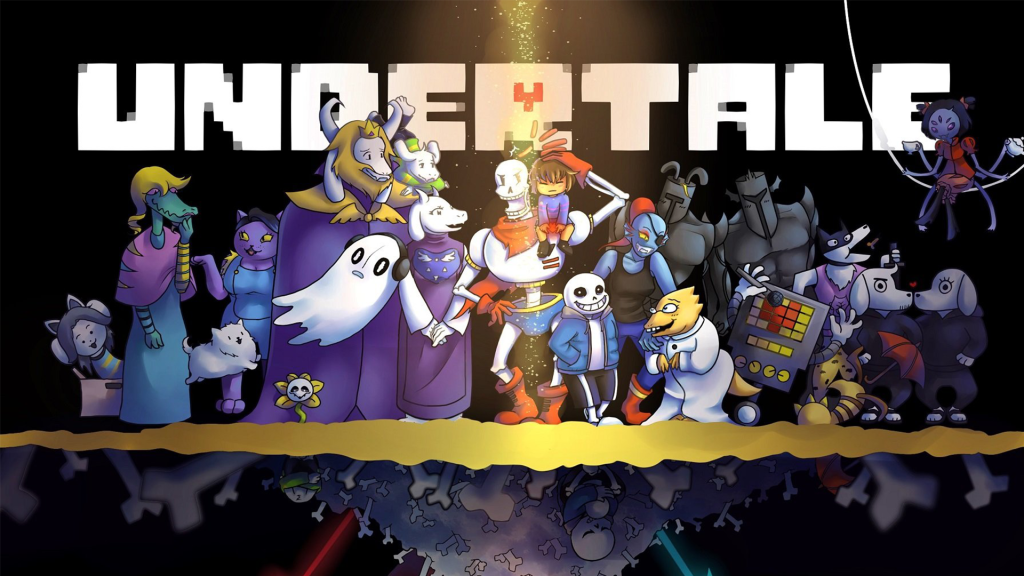
The “true” ending of Undertale is impossible without a second playthrough, making it one of the few titles where playing again is an intentional design choice. The first foray into the Underground of this game will have you meet a large cast of characters, but perhaps lead to inconsistent interactions with many of them. The RPG mechanics of Undertale are deliberately tied to its story, with growing in power being tied to the elimination of people you meet.
Some of the best moments of Undertale come from its “Pacifist” and “Genocide” approaches, where you either spare everyone you meet or kill them all during a run. This is only possible after a first playthrough introduces you to the world of Undertale, giving you the hindsight to show mercy or cruelty. Seeing how the narrative shifts depending on your actions makes Undertale a special game, especially if you reach the emotionally charged endings on either extreme. The best fights and character moments in this game are tied to at least a second playthrough, if not more.
2. Fallout: New Vegas
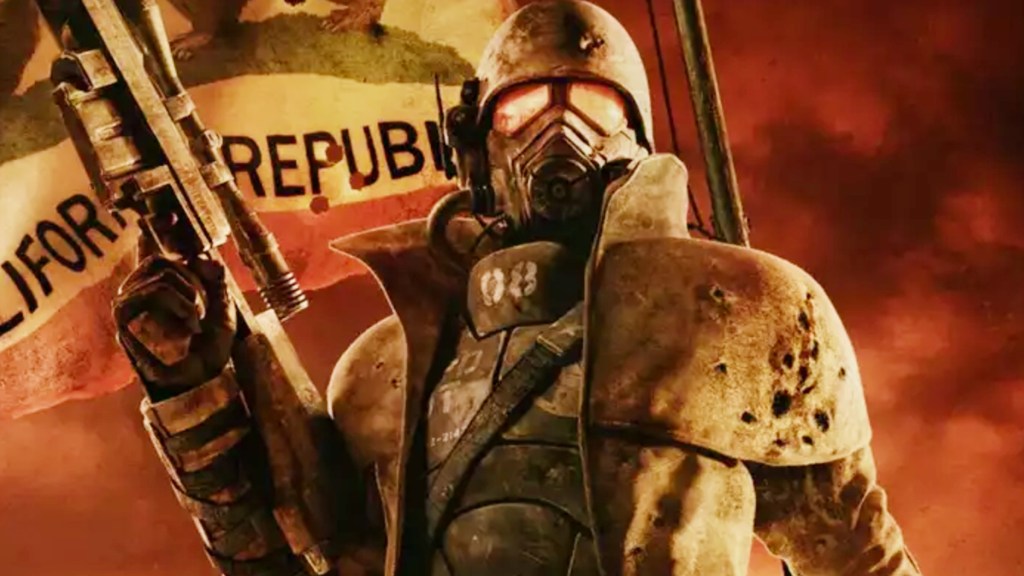
Similar to Baldur’s Gate 3, Fallout: New Vegas is defined by character choice, with subsequent playthroughs being your chance to right wrongs you may have committed on your first trip to the Mojave Desert. That being said, New Vegas can be a completely new game on a second playthrough simply due to what alliances you make and how your character is created anew. Pouring your stats into a different category can easily shake up a new journey, opening up options that were never available to you before.
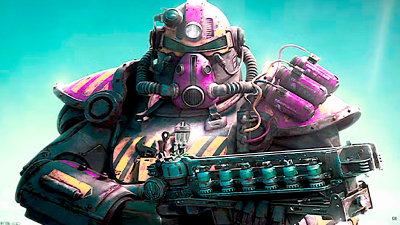
Knowing the secrets of the Mojave ahead of time on a second playthrough allows you to see the nuance behind this game’s writing, influencing the care behind your new path. A refreshed character might have new alliances, relationships with certain characters, or ideals that shape the desert in ways you would have never guessed. The way certain quests can evolve or stagnate depending on the way your Courier is set up gives Fallout: New Vegas tons of replayability, making a new playthrough far more enjoyable than a blind first.
1. NieR: Automata
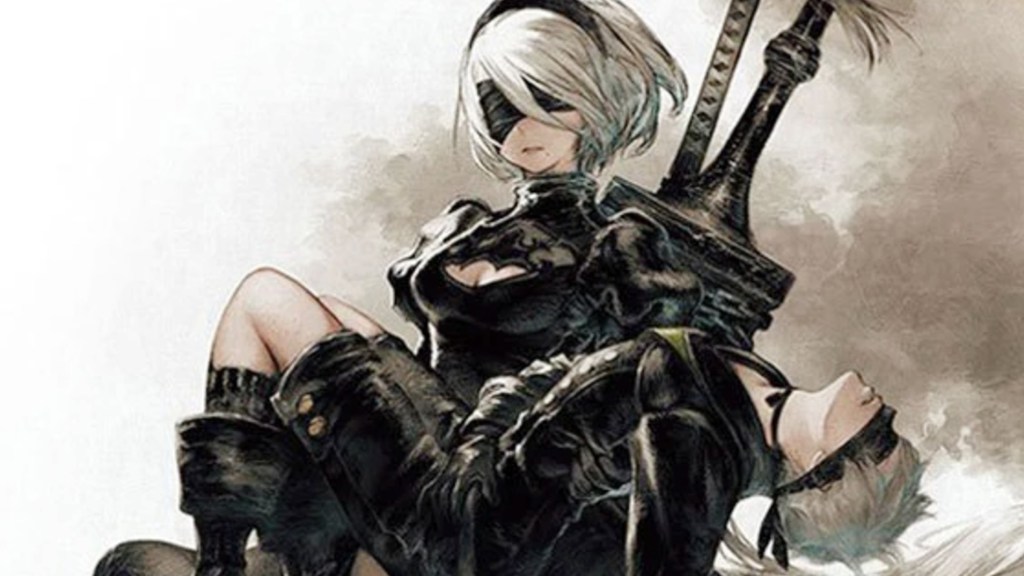
NieR: Automata has one of the most detailed stories of any game, but it is one you only understand the full scope of through multiple playthroughs. The first ending is impactful, but going through NieR: Automata again reveals just how many hints and clues were laid out for that ending to make sense. Playing again is almost mandatory, as doing so leads you to unlock new secrets about specific character and events that puts everything into a shockingly fresh perspective.
With 27 different endings in the game all influenced by your playthroughs, the second attempt at completing NieR: Automata‘s tale is the one that really reveals just how deep the rabbit hole goes. Big details have additional angles you never considered, simple facts become complex mysteries, and the world evolves further and further as you play. Although the action and gameplay of NieR: Automata is consistently good, it’s a far better game on a second playthrough, as you begin to get a bigger grasp on a truly one-of-a-kind story.
What game do you think is far better on a second playthrough compared to the first? Leave a comment below or join the conversation in the ComicBook Forum!
More Gaming
-

Nintendo Switch 2 games -

Courtesy of Santa Monica -

Courtesy of CD Projekt Red