Pokemon Winds and Waves carry enormous expectations, both because it will be the tenth generation of Pokemon and it is launching on the Nintendo Switch 2. Fans are always excited to see new creatures, regions, and mechanics, but there is another question hanging over every major release: how much will Game Freak push the series forward? Better visuals, larger worlds, and improved performance are all likely to be part of the conversation, but innovation should extend beyond graphics and exploration.
Videos by ComicBook.com
One area where the series has often experimented is battle design. While single battles remain the foundation of the franchise and double battles dominate official competitive play, Pokemon has introduced numerous alternative battle formats over the years. Rotation Battles, Triple Battles, Inverse Battles, Sky Battles, Horde Battles, and multi-trainer encounters all attempted to offer something different. Some were embraced by fans while others were largely ignored. Even so, these modes added variety and gave players new ways to think about team building. That is why Pokemon Winds & Waves should consider bringing back some of the franchise’s most divisive battle mechanics.
Pokemon Has a History of Experimenting With Battle Formats Even If They Don’t Stick
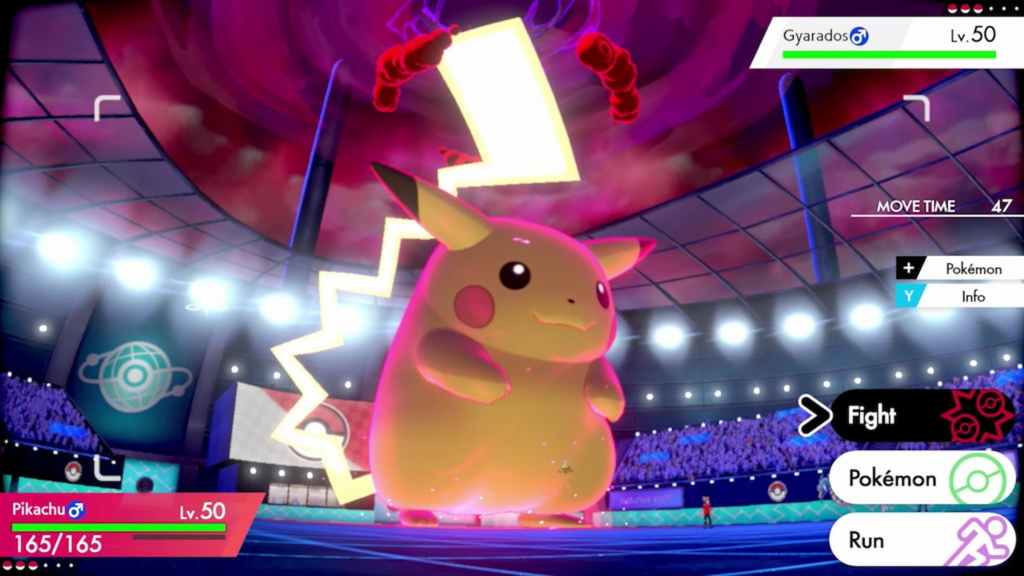
One of the strengths of the Pokemon series is its willingness to try new ideas. Every generation introduces fresh mechanics, whether through abilities, held items, Mega Evolution, Dynamax, Terastalization, or entirely new battle styles. While not every addition becomes a permanent fixture, experimentation has helped keep the franchise from feeling stagnant over nearly three decades. Though it remains to be seen how Pokemon Champions will influence this.
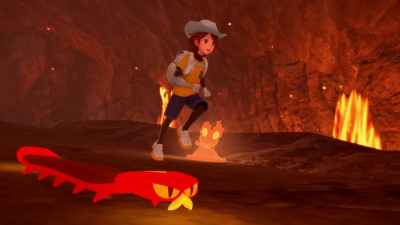
One such battle system was Rotation Battles, which debuted in Pokemon Black and Pokemon White. Instead of having a single active Pokemon, trainers brought three Pokemon onto the field and rotated between them during battle. The system created a layer of prediction that did not exist in traditional formats. Players had to anticipate which Pokemon their opponent would rotate into position before choosing a move.
Triple Battles also arrived in Generation V and expanded the battlefield dramatically. Positioning suddenly mattered, with certain moves only reaching nearby opponents. These battles could become chaotic, but they also encouraged creative strategies that simply were not possible in singles or doubles. While neither format became a permanent staple, they demonstrated that Pokemon battles could be much more flexible than many players realized.
These Controversial Modes Added Variety to the Series
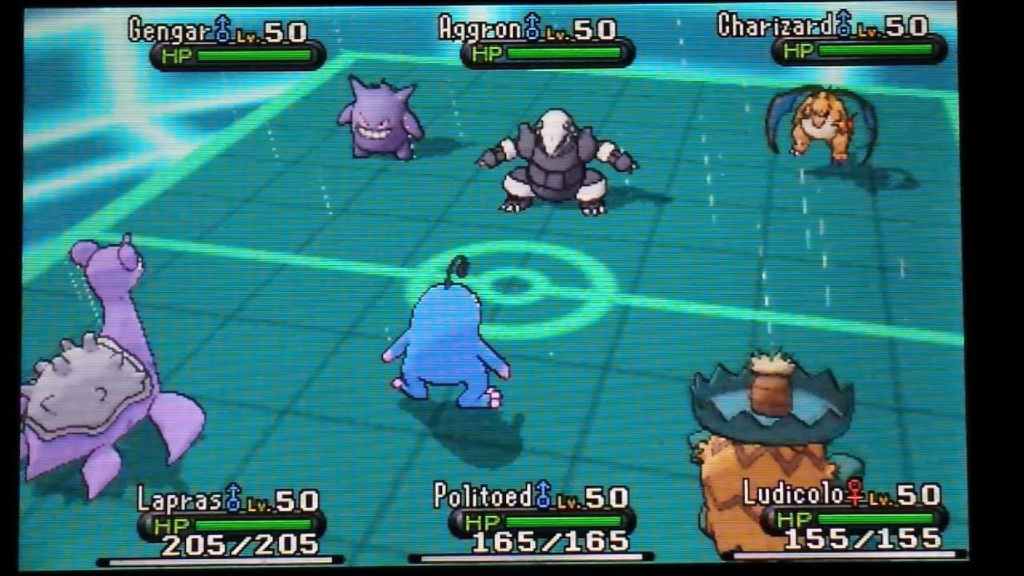
The truth is that these alternative formats received mixed reactions from fans. Many players never engaged with them beyond mandatory story encounters. Some found Triple Battles overly complicated, while others felt Rotation Battles slowed down the pace of combat. Their removal in later generations reflected the fact that they never achieved the popularity of singles or doubles, which are the main ways to play.
At the same time, these mechanics developed dedicated fanbases, especially those turned off by the rigidness of competitive play. For players who enjoyed experimenting with team composition, alternative battle modes offered fresh challenges. Rotation Battles rewarded prediction skills, while Triple Battles encouraged thinking about battlefield positioning in ways that traditional formats never required. Even if they were imperfect, they gave players additional options.
I still remember encountering Rotation Battles for the first time in Pokemon Black. The format felt confusing at first, but after a few battles, I found myself enjoying the constant mind games. Predicting an opponent’s rotation and making the correct counterplay created moments that felt very different from standard battles. That sense of novelty is something Pokemon occasionally loses when it relies too heavily on familiar formulas.
Pokemon Winds & Waves Is the Perfect Opportunity To Experiment
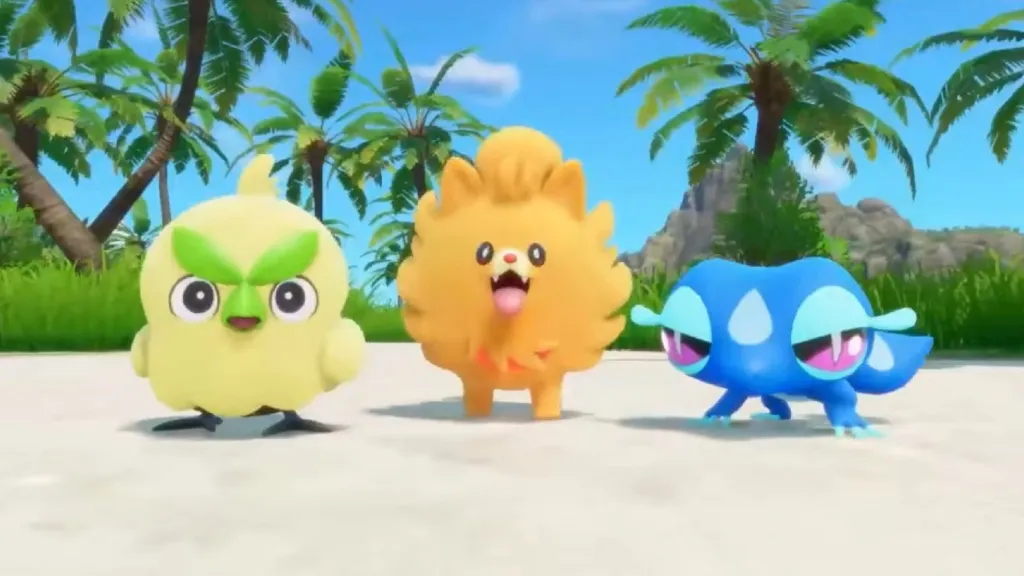
If Pokemon Winds & Waves truly represents the franchise’s next generation, it should aim to be the most technically impressive Pokemon game yet. Better hardware capabilities and years of development experience allow Game Freak to revisit older ideas with modern improvements. Alternative battle formats could benefit significantly from updated interfaces, faster animations, and improved tutorials.
Bringing back these modes would not require replacing singles or doubles. Traditional battles should remain the primary focus because they form the foundation of both casual and competitive play. Instead, Rotation Battles, Triple Battles, and four-player battle formats could exist as optional activities. Battle facilities, online matchmaking, and special events would all provide natural places to include them.
Most importantly, their return would make the world feel richer. Pokemon thrives when players have choices. Some players enjoy shiny hunting, others focus on competitive play, and many spend hours collecting their favorite creatures. Alternative battle modes add another layer of variety that encourages experimentation and gives new ways to play. Even if only a portion of the player base embraces them, their inclusion would make Pokemon Winds & Waves feel like a more complete celebration of the franchise’s history. I think with some slight adjustments, these battle types would be a major win for the Nintendo Switch 2 game.
What do you think? Leave a comment below and join the conversation now in the ComicBook Forum!
More Gaming
-

Courtesy of IllFonic -

Courtesy of CD Projekt Red