The PlayStation Plus Extra and Premium lineup for July 2026 has its share of hits, strange titles, and double the number of throwbacks compared to most months. This all makes July one of the best in recent memory for subscribers. However, making time for every game is not feasible, especially since some — as seen here — can take up dozens and dozens of hours.
Videos by ComicBook.com
As such, here are five PS Plus Extra and Premium games in July 2026 that are worth making time for.
5) Indigo Prophecy
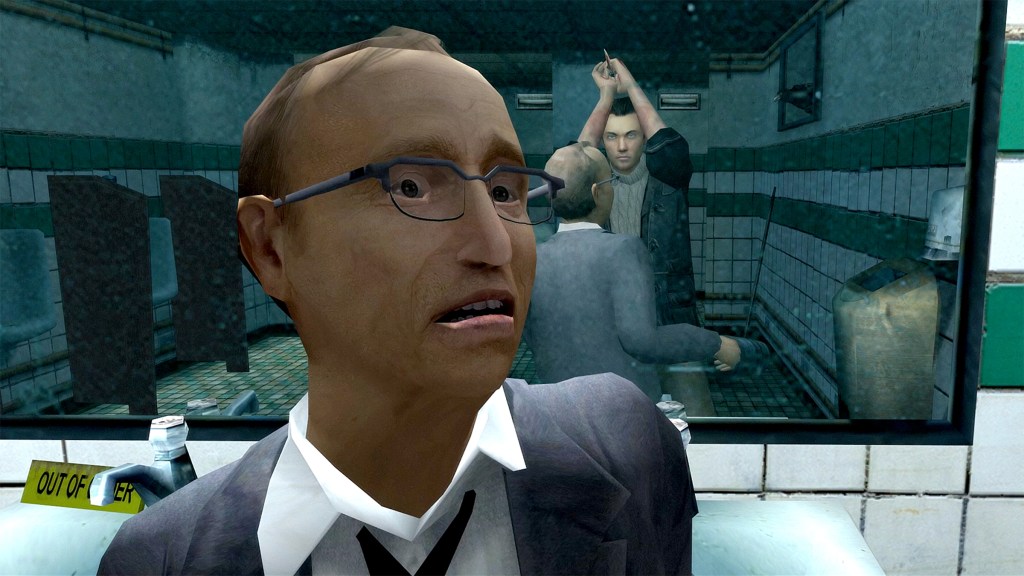
Indigo Prophecy may not be a great game, given Quantic Dream’s shaky history telling stories. The luster of this title has only diminished as the years have gone on, as other studios have shown a more careful touch when designing narratives. This shift can even be seen by comparing the review scores of the 2005 original to the 2015 remaster: 61 for the former and 84 for the latter.
However, that doesn’t mean Indigo Prophecy is without merit. This supernatural mystery makes for a decent look at the quick-time event-heavy narrative game in its primordial form that would eventually evolve into Heavy Rain and Detroit: Become Human, the studio’s more acclaimed (but still heavily and rightfully criticized) titles. They’re campy games that are boosted through their awkward dialogue and weird logical leaps, making them entertaining even though they seemed to be developed earnestly and unwilling to acknowledge how corny they truly are. So even though many parts of Indigo Prophecy have aged poorly, it’s an interesting peek into the past and an argument for keeping strange old games like this easily accessible.
4) Avatar: Frontiers of Pandora

Avatar: Frontiers of Pandora isn’t Ubisoft’s best open-world game. It may not even be in the top half of them. The story is hollow and kicks off in such a disjointed manner, as if it were cut within an inch of its life. Combat, stealth, and mission design are all rather basic and don’t stray far from Ubisoft’s predictable and tired formula. The same applies to its open world that doesn’t even come close to living up to its potential. Trying to soak it all in with its exploration mode is incredibly frustrating because the game wasn’t designed well around not having mission markers, meaning any attempt to live in the game is foiled by poor design.
Despite these notable and persistent caveats, Frontiers of Pandora is stunningly gorgeous, especially after being updated to support the PS5 Pro’s enhanced specs. Pandora is a pretty planet in the films and past Avatar games haven’t been able to fully capture that as well as Ubisoft’s latest one. Witnessing its various plants and animals and soaking in the sights gives it value since this kind of digital tourism allows players to interact with that world in a way the movies can’t. Ubisoft updated the game around the time Avatar: Fire and Ash came out to include New Game Plus and a third-person mode, but, while welcome touches, these additions were never going to solve Frontiers of Pandora’s more foundational problems. It’s unfortunate how underwhelming it is as an overall experience, but it does at least do one thing well and that alone makes the game worth a download.
3) Psi-Ops: The Mindgate Conspiracy
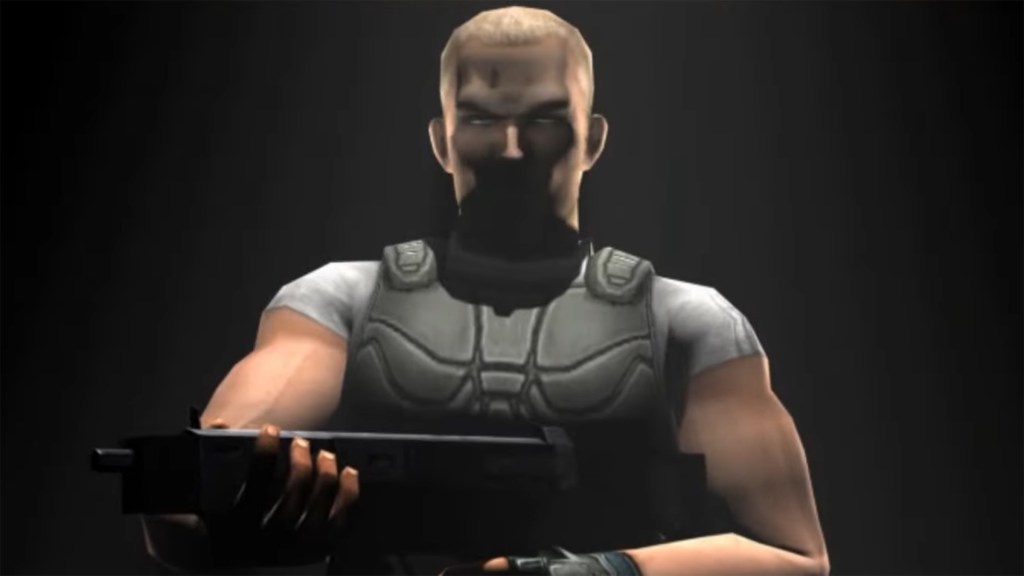
Psi-Ops: The Mindgate Conspiracy is the type of game that rarely gets made nowadays. It’s an original third-person shooter that revolves around a central gimmick and is mostly a solo affair, all aspects that faded in future generations and have all but disappeared now. Psi-Ops, as its name implies, gives players access to telekinetic powers in addition to traditional firearms. It’s a combo that gives the game a unique edge and is enhanced by its physics engine, which was impressive for the time.
Some parts of it are likely not going to age particularly well 22 years after its original release, but it, like the Timesplitters games it came out in the vicinity of, scratches an itch that doesn’t always get scratched with today’s shooters. Tossing around soldiers provides the type of power fantasy that can’t often blossom in today’s batch of online-only shooters where balance reigns supreme. Throwbacks like this can age well because they often provide something fresh that their contemporaries can’t. While it doesn’t get brought up as much as games from that same year like Halo 2 and Metal Gear Solid 3: Snake Eater, Psi-Ops is one of those cult titles that was remembered fondly for how it empowered players. It was respectable then and is still something worth admiring, making its arrival on the PlayStation Store a welcome surprise.
2) Rise of the Ronin

Rise of the Ronin doesn’t stray far from Team Ninja’s core tenets. It’s a fast melee action game that prioritizes careful movement and fast reflexes and also dumps far too much loot on the player. These familiar components take place in an open world now — something Nioh 3 borrowed — but that doesn’t radically change the fine print as much as it seems like it might, especially when that world is bloated and fairly typical in the context of the wider industry.
And while it’s slightly disappointing to see Rise of the Ronin not completely reinvent Team Ninja’s blueprint, working within these well-established confines does at least give a solid base to work from. The aforementioned swordplay is wonderfully fluid and rewards execution and skill, something necessary for the tougher fights Team Ninja is known for. A lot of the experience hinges on this core strength, so even though other parts are dated or unnecessary, Rise of the Ronin is still a solid game.
1) Citizen Sleeper 2: Starward Vector
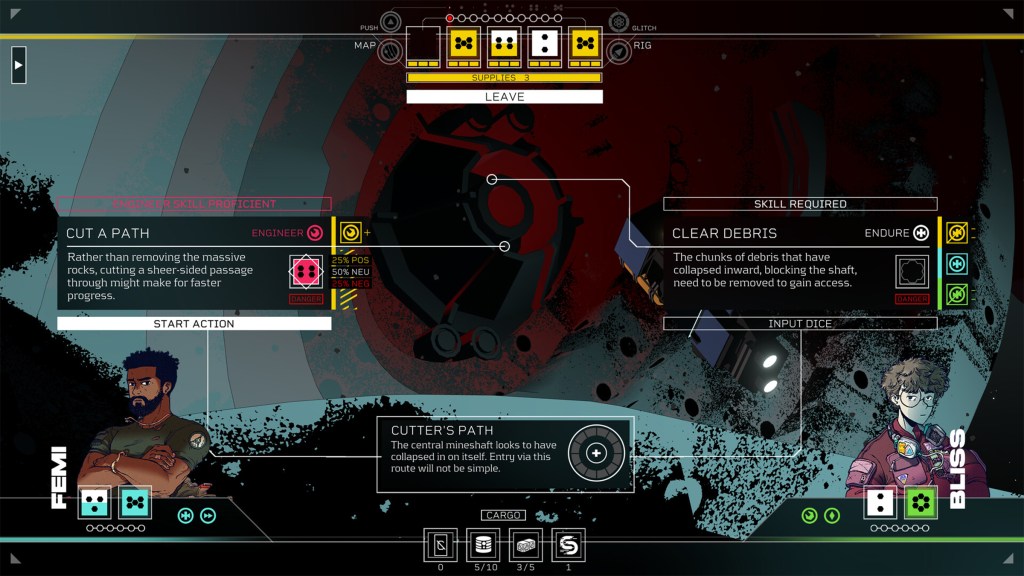
Citizen Sleeper 2: Starward Vector is dour and depressing with its hypercapitalist world that has sucked out many of life’s joys so a few at the top can live in luxury. But this prescient premise isn’t just misery porn, because Citizen Sleeper 2 is one of the best-written games in the medium. The descriptive prose is wonderfully composed and delves into its subjects with a careful touch most of its peers never come close to matching. Even with so much darkness, it maneuvers each topic gracefully and finds the human center, all while injecting these moments with its own engaging science fiction lore.
Citizen Sleeper 2 has quite a bit of reading and is worth it for that alone, but its interactive elements do a lot with a little. It’s all still predicated on dice rolls, yet it has enough depth to be mined and is able to place some of the tension that comes from living in this world onto the player. New multi-character missions and survival systems also make it more nuanced than the original, which was still engaging but comparatively basic. With such exquisite writing and a stress-inducing central dice-rolling mechanic, Citizen Sleeper 2 is a fantastic experience and a genre highlight.
What do you think? Leave a comment below and join the conversation now in the ComicBook Forum!
More Gaming
-

Image courtesy of Moon Studios GmbH -
Image courtesy of Bethesda -
Cyberpunk 2077 x Witcher