When video games first began, the only genre was sports, thanks to the very first title, Tennis for Two, in 1958. As time passed and technology progressed, the industry splintered into a multitude of genres, many of which contained several sub-genres. While most stick around, some have quietly disappeared into the background. These are the genres that aren’t seen much anymore, and while you might stumble across a great indie title every once in a while, major studios abandoned these five video game genres, seemingly for good. Granted, things can change, but for now, they’re mostly gone.
Videos by ComicBook.com
1) Instrument-Based Rhythm Games
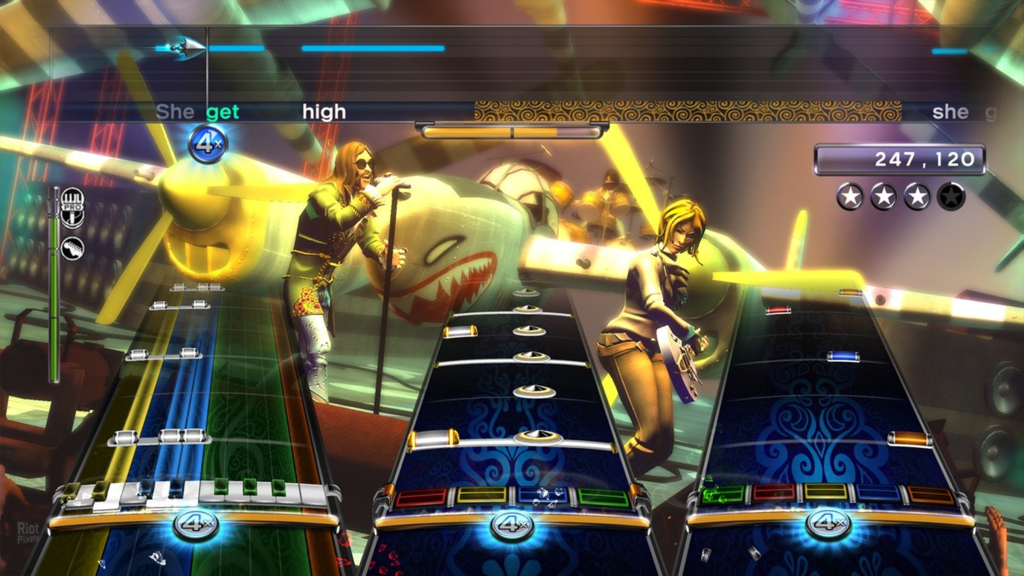
For a while, it seemed like rhythm games would take over the world, with titles from the Guitar Hero and Rock Band franchises scoring big with critics and players. They’ve been around longer than most people realize, but they saw a spike in popularity in the 1990s, producing some excellent rhythm games. The genre continued to dominate throughout the 2000s, but by the 2010s, its popularity waned significantly. The last big instrument-based rhythm game was Rock Band 4, released in 2015 for the PlayStation 4 and Xbox One. That’s pretty much it for instrument-based titles, though they could return one day.
2) Full Motion Video
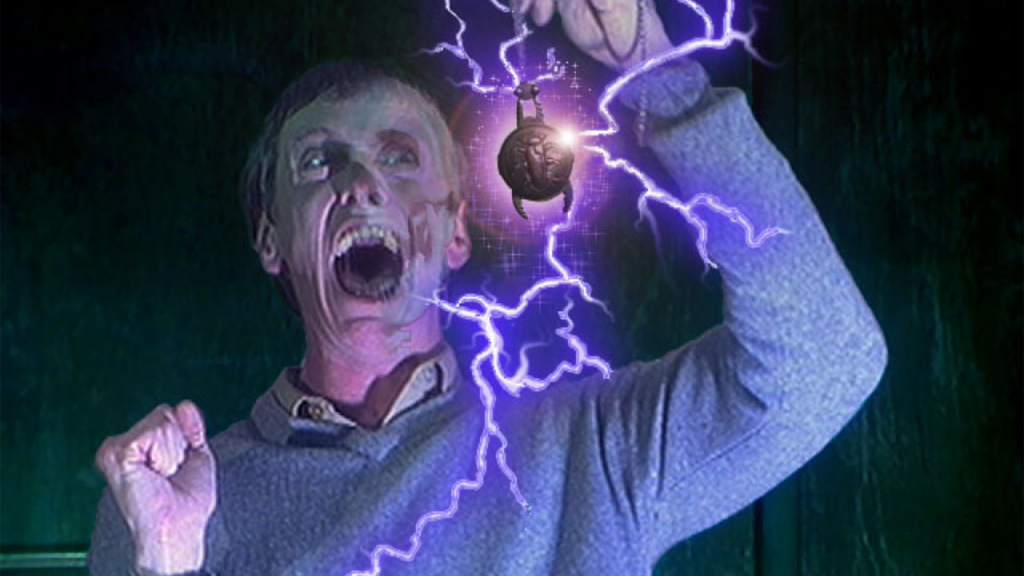
For a good chunk of video game history, incorporating full-motion video was a pipe dream. It required too much processing power and storage space, but with the advent of LaserDiscs and CD-ROMs, that changed. A new genre was born, in which FMV became a central narrative element of gaming, resulting in the oft-derided Night Trap and many others, some of which were fantastic like Dragon’s Lair. The genre continued to expand throughout the 1990s. Still, as time passed, it became more desirable to digitally render cutscenes rather than shoot a full movie production, which was far more expensive and required numerous professionals, actors, and more. Nowadays, FMV games are pretty much a relic of the past, still around in some indie titles, but that’s about it.
3) Rail Shooters

Rail shooters emerged in the mid-1980s, driven primarily by innovations from Sega, and quickly became popular light-gun games in arcades. Some of the best arcade shooters of the 1990s are rail shooters, including hits like Lethal Enforcers, Terminator 2: Judgment Day (pictured), and Time Crisis II. Towards the end of the decade, fans began to turn away from rail shooters, and their popularity waned. Players were more interested in FPSs and other shooter genres, while arcades became less popular. Technically, the genre hasn’t fully disappeared, but rail shooters are released so rarely these days that it’s hard to find a new title in the wild.
4) Point-And-Click
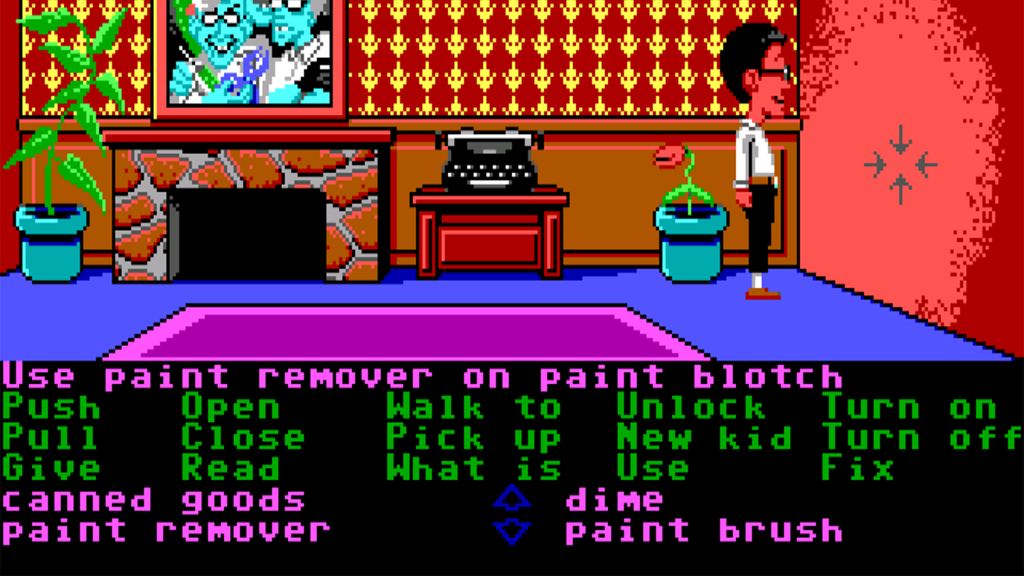
One of the biggest innovations in the adventure game genre was the introduction of the point-and-click mechanic. This took the adventure game into overdrive, allowing for complex stories to be told both graphically and through text prompts. Lucasfilm Games developed some extraordinary titles during the late ’80s and throughout the 1990s. The genre’s popularity began to decline around the turn of the century, as more dynamic gameplay approaches made the mechanic feel somewhat archaic. Studios abandoned the practice, opting for different gameplay types. Some great indie titles still employ the point-and-click style of gameplay, but AAA studios haven’t done so in years.
5) Text Adventures
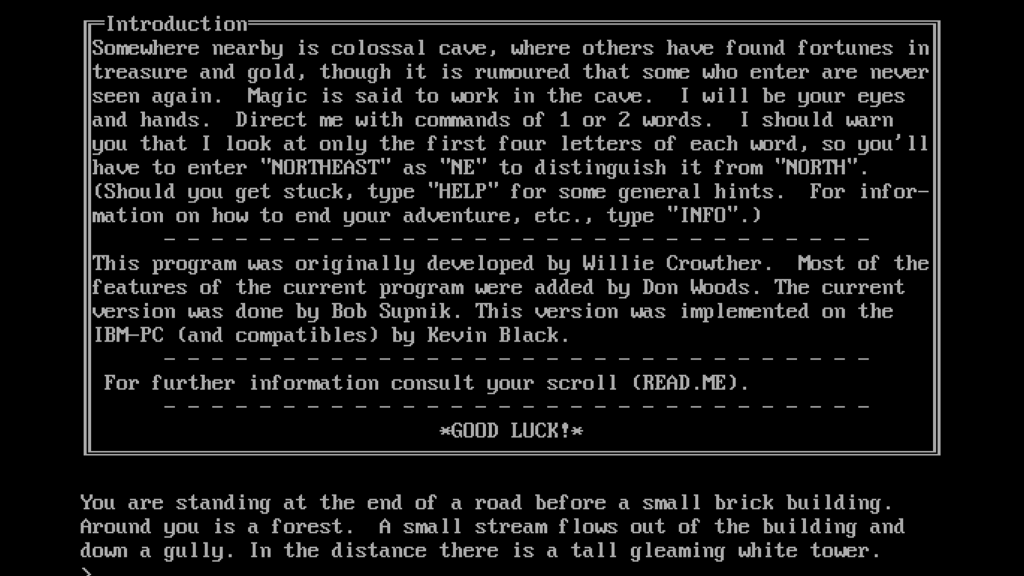
In the earliest days of computer video games, producing graphics wasn’t always possible. Even when it was, home computers couldn’t handle much beyond vector-based graphics, which were memory-intensive. One workaround for gamers interested in playing something akin to tabletop Dungeons & Dragons in digital form was the text-based adventure. These gained widespread popularity in 1976 with Colossal Cave Adventure and continued to do so with several exceptional titles, including Zork and many others. People continue to make and play text adventure games today, but the audience is quite small, and it’s clear why the genre faded into obscurity. Once graphical adventures became a possibility, they became the norm.
Is there a game genre you wish would come back? Leave a comment below and join the conversation now in the ComicBook Forum!
Most Viewed
-

Courtesy of Eight-Bit -

Courtesy of Crunchyroll -

Image Courtesy of Netflix -
Image Courtesy of Marvel Comics -

Courtesy of Kadokawa / Shosetsuka ni Naro