There are plenty of great video games, but only a handful earn the title of masterpiece. These are the games that transcend their genres and become benchmarks for the entire industry. Years after release, they are still discussed, replayed, and hold up even compared to modern games. Their influence can be seen in countless titles that followed, whether through storytelling innovations, gameplay systems, technical achievements, or artistic design. While opinions on the greatest games ever made often vary, some titles have achieved an almost universal level of respect.
Videos by ComicBook.com
What makes a game a masterpiece is not simply strong sales or review scores. It is the ability to leave a lasting impact on players and the industry itself. The games on this list changed expectations and showed what video games are capable of. Even years after their release, these games have the power to remind fans why they love video games. These six games delivered experiences that remain difficult to match, and so are nearly universally called masterpieces.
6) Metal Gear Solid 2
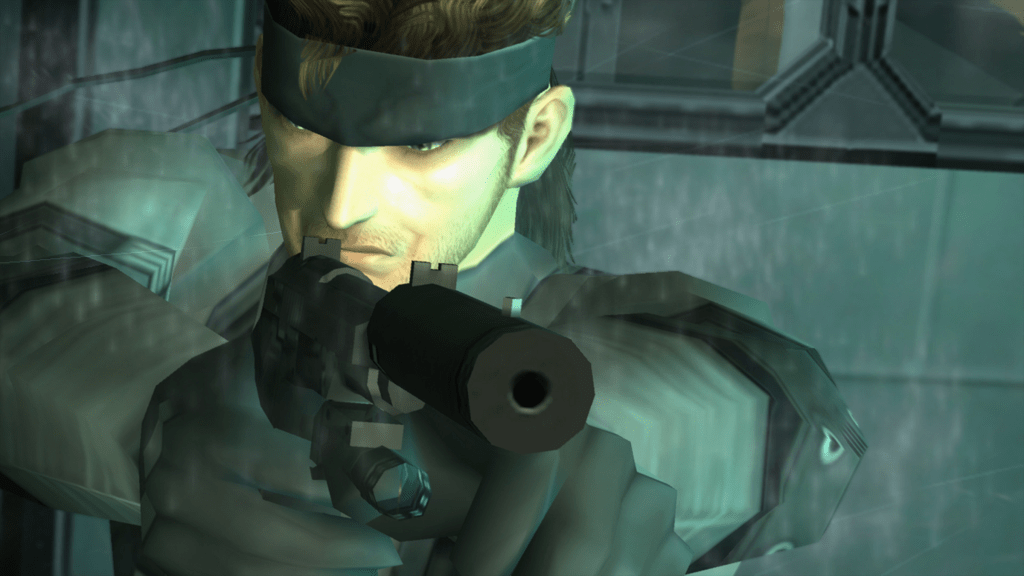
Released in 2001 for the PlayStation 2, Metal Gear Solid 2: Sons of Liberty arrived as one of the most anticipated games ever made. Developed by Konami and directed by the legendary Hideo Kojima, it stunned with visuals that were years ahead of much of the competition. The game featured highly detailed environments, advanced enemy AI, and a cinematic presentation that pushed console gaming forward.
What makes Metal Gear Solid 2 so beloved is its willingness to challenge players. Many expected to spend the entire adventure controlling Solid Snake, only to discover that Raiden would become the primary protagonist. This controversial decision helped reinforce the game’s themes around identity, information control, and perception. Years later, many critics and fans view its narrative as ahead of its time, partly due to its experimental choice.
The game’s impact on gaming extends beyond storytelling. Its stealth mechanics influenced countless future titles, while its cinematic approach helped demonstrate that video games could tackle complex subjects. Combined with memorable boss encounters, excellent gameplay systems, and impressive visuals for the era, Metal Gear Solid 2 remains one of gaming’s most discussed masterpieces.
5) BioShock
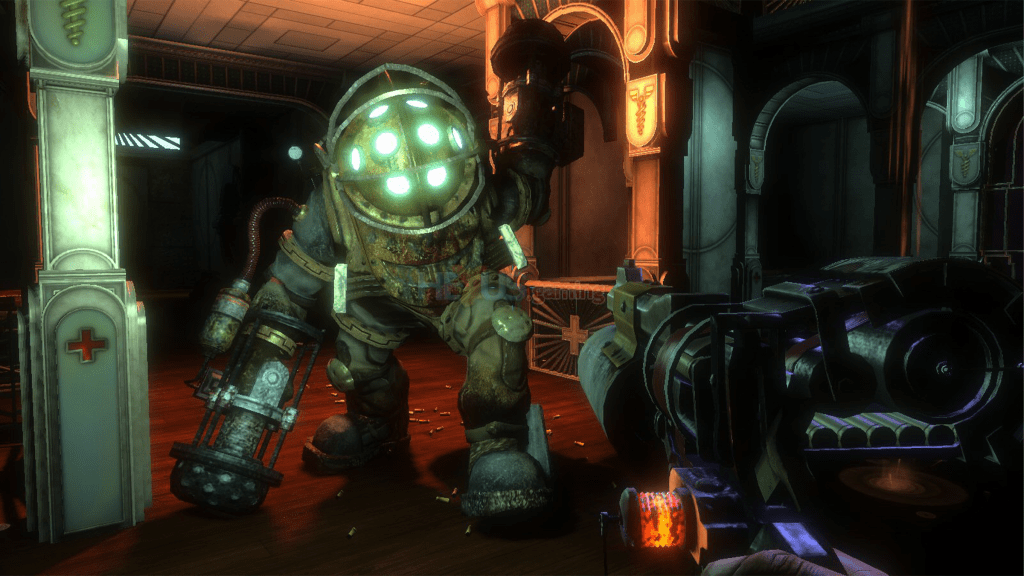
Released in 2007 by Irrational Games, BioShock quickly established itself as one of the defining first-person games of its generation, so much so that developers are still chasing it. Set within the underwater city of Rapture, the game blended shooting mechanics, role-playing elements, and environmental storytelling into a cohesive experience that felt unlike anything else on the market. To this day, BioShock remains one of the greatest worlds.
Players fell in love with BioShock because of its atmosphere and narrative. Exploring the ruins of Rapture revealed a society destroyed by its own ambitions. Audio logs, environmental details, and character interactions painted a vivid picture of the city’s downfall. The famous “Would you kindly” twist became one of the most celebrated moments in video game storytelling. At the time, it was an incredible moment that shocked players and left a lasting impact.
The influence of BioShock remains significant because it proved that first-person shooters could deliver sophisticated narratives while maintaining engaging gameplay. Its Art Deco visual design still stands out today, and its blend of plasmid powers, combat encounters, and exploration inspired many later games. Few titles have combined gameplay, story, and world-building as effectively as BioShock, and its influence can be seen in games like Prey, Atomic Heart, and the upcoming Judas.
4) Portal
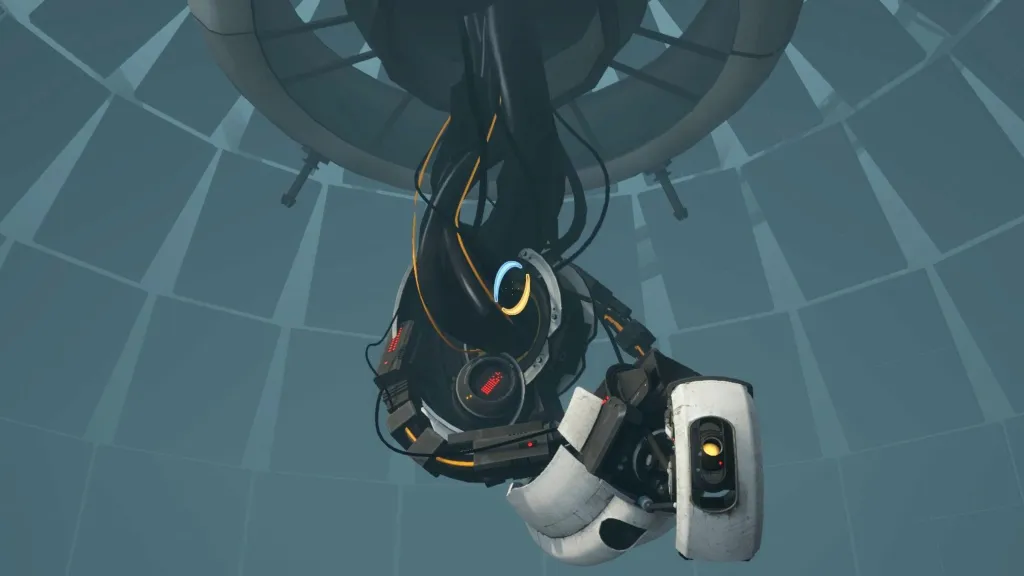
Valve released Portal in 2007 as part of The Orange Box, and few people expected it to become one of the most acclaimed puzzle games ever created. Built around the innovative portal gun, the game challenged players to solve increasingly complex puzzles by creating linked gateways between surfaces. Some of its puzzles are still celebrated as the best in the genre and hold up remarkably well.
One reason Portal remains so beloved is its design. The game introduces concepts gradually, allowing players to learn naturally before presenting more difficult challenges. Every puzzle feels carefully constructed, and the mechanics remain intuitive from beginning to end. The result is a game that is accessible while still rewarding creative thinking. Portal 2 continues this trend as well, and easily ranks just as high as the original.
The game’s impact on gaming was enormous. It demonstrated that a relatively short experience could leave a lasting impression through clever design and memorable writing. GLaDOS became one of gaming’s most iconic antagonists, while the game’s humor and visual style helped distinguish it from competitors. Nearly two decades later, Portal remains a gold standard for puzzle game design and shows Valve is more than just Steam.
3) Half-Life 2
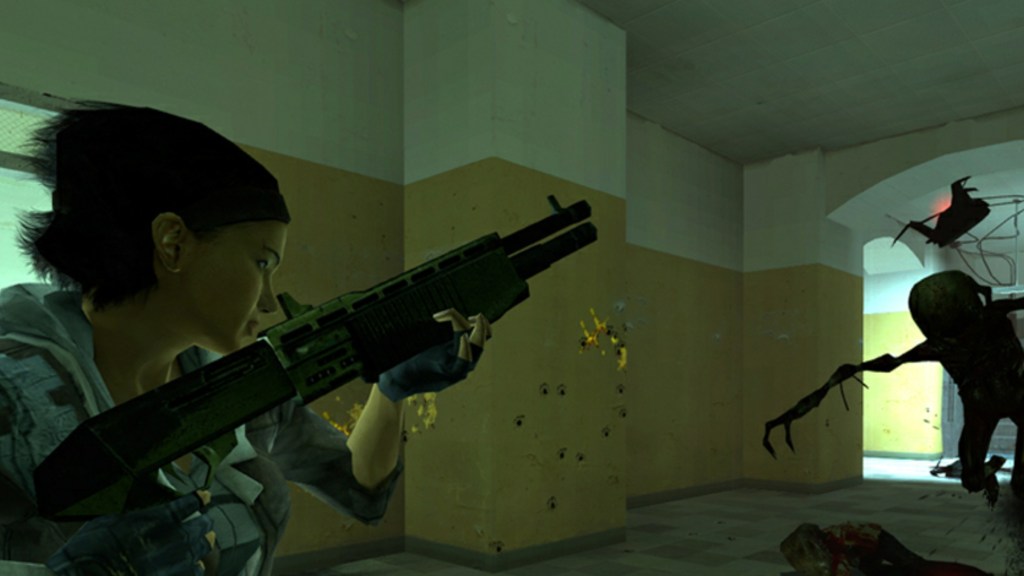
When Valve released Half-Life 2 in 2004, it immediately redefined expectations for first-person shooters and showed Valve could strike gold twice. Built on the Source engine, the game introduced advanced physics systems, realistic character animations, and environmental interaction that felt revolutionary at the time.
Players continue to praise Half-Life 2 because every section introduces new ideas and challenges. Whether navigating City 17, battling Combine forces, driving vehicles across vast landscapes, or solving physics-based puzzles, the experience constantly evolves. The pacing remains one of the game’s greatest strengths, ensuring that no mechanic overstays its welcome.
The influence of Half-Life 2 can be seen throughout the gaming industry. Its physics systems inspired countless developers, while its immersive storytelling techniques became widely adopted. The game’s visuals were groundbreaking in 2004 and still hold up remarkably well today. Combined with excellent gameplay and world-building, Half-Life 2 remains one of the most influential games ever created, and the long wait for Half-Life 3 reveals how much fans love the series.
2) Final Fantasy VII
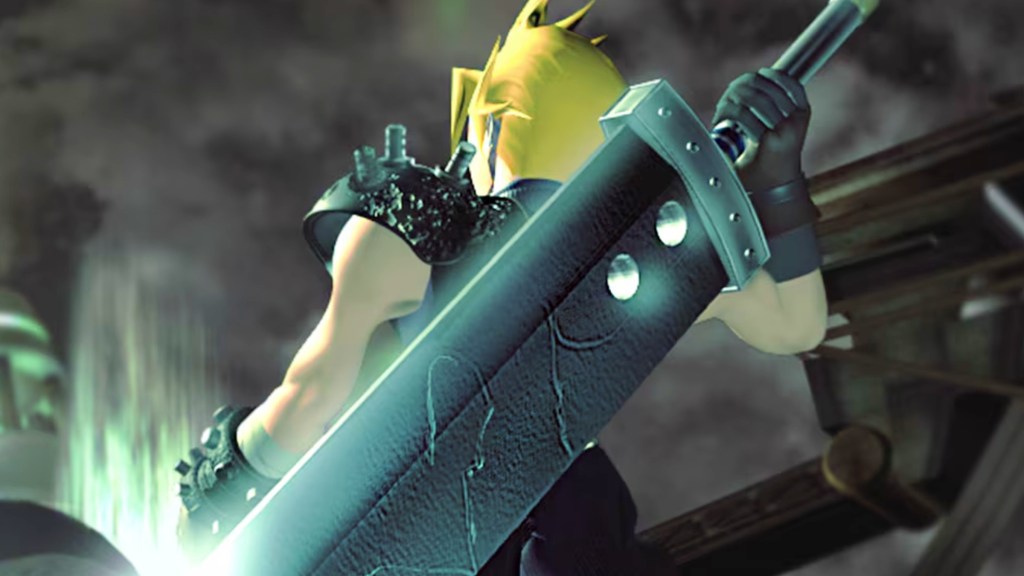
Originally released in 1997 for the PlayStation, Final Fantasy VII helped introduce Japanese role-playing games to a much larger global audience and is seen as the game that made JRPGs mainstream. Developed by Square, the game was a massive leap forward for the genre thanks to its use of 3D graphics, cinematic cutscenes, and ambitious storytelling.
The game’s popularity stems largely from its unforgettable characters and emotional narrative. Cloud Strife, Aerith Gainsborough, and Sephiroth became some of the most recognizable figures in gaming history. The story tackled themes of identity, environmental destruction, and corporate power while delivering moments that left a lasting impression on players. We are still seeing its success with the remake trilogy, as well as spin-offs and other media.
Its impact on gaming cannot be overstated. Final Fantasy VII demonstrated the commercial potential of large-scale RPGs outside Japan and helped expand the audience for the genre worldwide. The game’s pre-rendered visuals were stunning for their era, while its Materia system provided deep customization options. Decades later, it remains one of the most celebrated role-playing games ever made, and there is no doubt that the JRPG genre would be what it is today without Final Fantasy VII.
1) The Legend of Zelda: Ocarina of Time
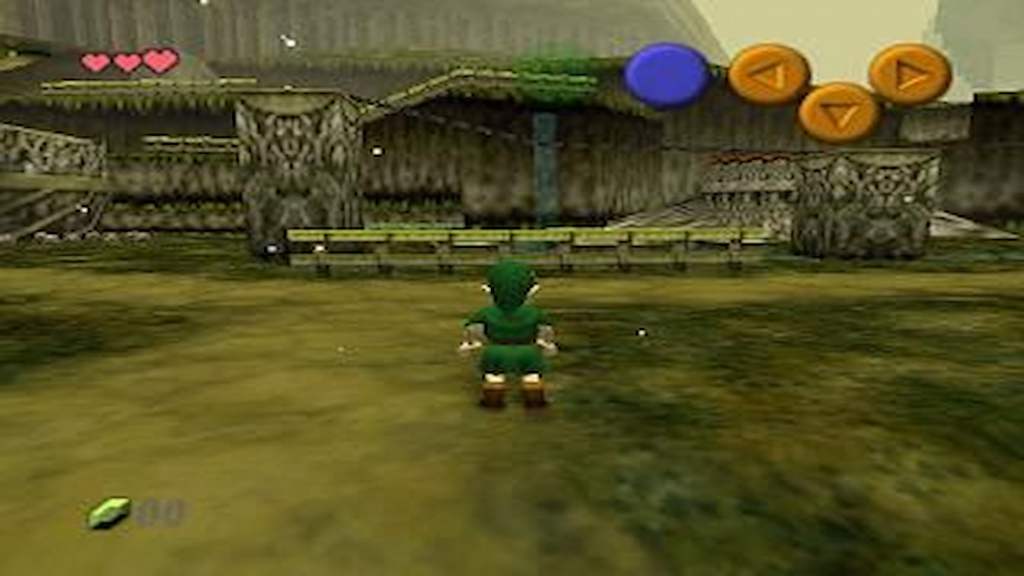
Released in 1998 for the Nintendo 64, The Legend of Zelda: Ocarina of Time is often cited as one of the greatest video games ever created. Nintendo successfully transitioned the beloved series into three dimensions while establishing design principles that would influence action-adventure games for years to come. So many games today, including some of the most highly rated, owe their existence to Ocarina of Time and the foundations it established.
Players adore Ocarina of Time because of its sense of adventure and discovery. Exploring Hyrule, solving intricate dungeons, and uncovering secrets created an experience that felt expansive and rewarding. The lock-on targeting system made combat intuitive in a 3D space, helping establish conventions still used in modern games. Considering the series before this was 2D, Nintendo took a huge risk, and it paid off immensely.
The game’s influence is impossible to ignore. Its dungeon design, world structure, and gameplay systems became templates for countless future releases. The visual presentation pushed the Nintendo 64 hardware to impressive heights, while the story delivered a memorable journey filled with iconic characters and locations. More than twenty-five years after its release, Ocarina of Time continues to define what many players consider a masterpiece, but it remains to be seen if the rumored remake can surpass it.
What do you think? Leave a comment below and join the conversation now in the ComicBook Forum!
More Gaming
-

Courtesy of Capcom