Donkey Kong holds a special place in video game history, as it established many norms, including the platformer genre. It also saved Nintendo from financial ruin, so there’s a lot of love for the character since his introduction in arcades in the United States in 1981. We’ve gathered together all of the primary and secondary Donkey Kong games Nintendo has published. We’ve excluded the NES math game and the Game & Watch handhelds, as they’re not comparable to standard video games. The remaining 29 have been ranked based on how much fun they are to play, their impact on the franchise, and how well they were received by fans.
Videos by ComicBook.com
29) Donkey Kong Barrel Blast
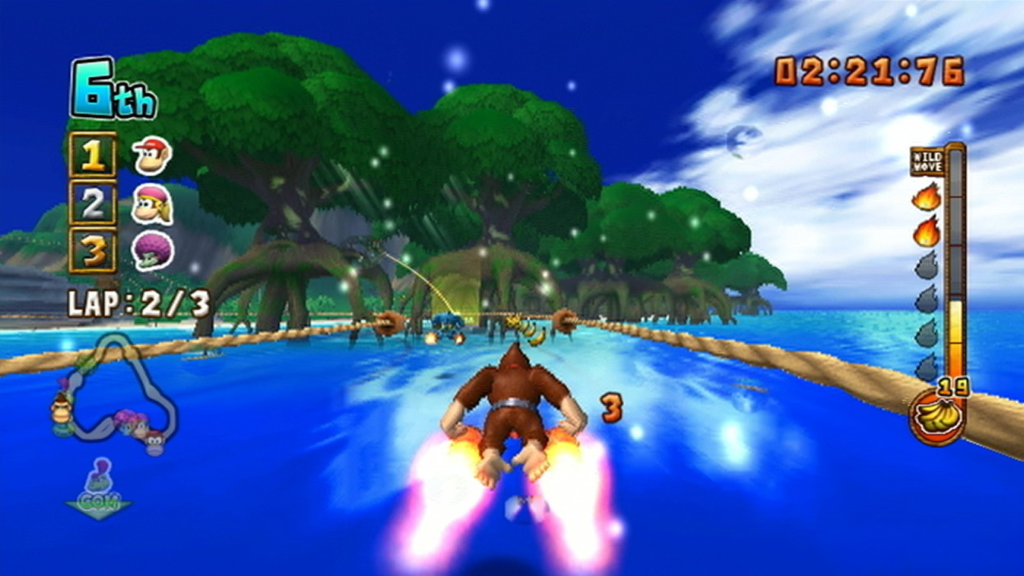
Donkey Kong Barrel Blast is a racing game that was released on the Wii in 2007, and it’s at the bottom of the list for a variety of reasons. It was developed for the GameCube and would have utilized the DK Bongos for control. Instead, Nintendo decided to switch it to the Wii. This resulted in a poorly designed controller scheme for the Wii Remote and Nunchuk, which drained much of the fun out of the game. It also featured graphics that would have looked great on the GameCube, but they weren’t updated for the Wii, making the game appear dated upon release.
28) Donkey Kong Land 2
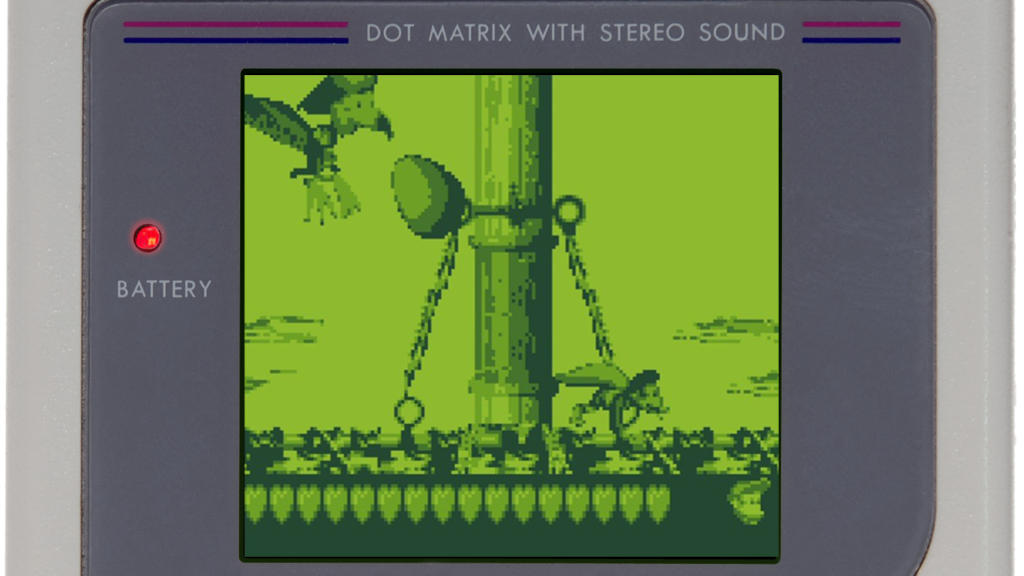
Nintendo’s second entry in the Game Boy’s Donkey Kong Land franchise featured several improvements over its predecessor. The game was enhanced for the Super Game Boy, adding additional shading and other elements to the TV. It’s not a bad game, so don’t take its placement here as an indication of that, but it lacked innovation in level design. Many of the game’s stages are too similar to the ones featured in Donkey Kong Country 2, so Donkey Kong Land 2 lacks variety. It’s one of those platformers that’s fun when you play it for the first time, but it lacks replayability.
27) Mini Mario & Friends: Amiibo Challenge
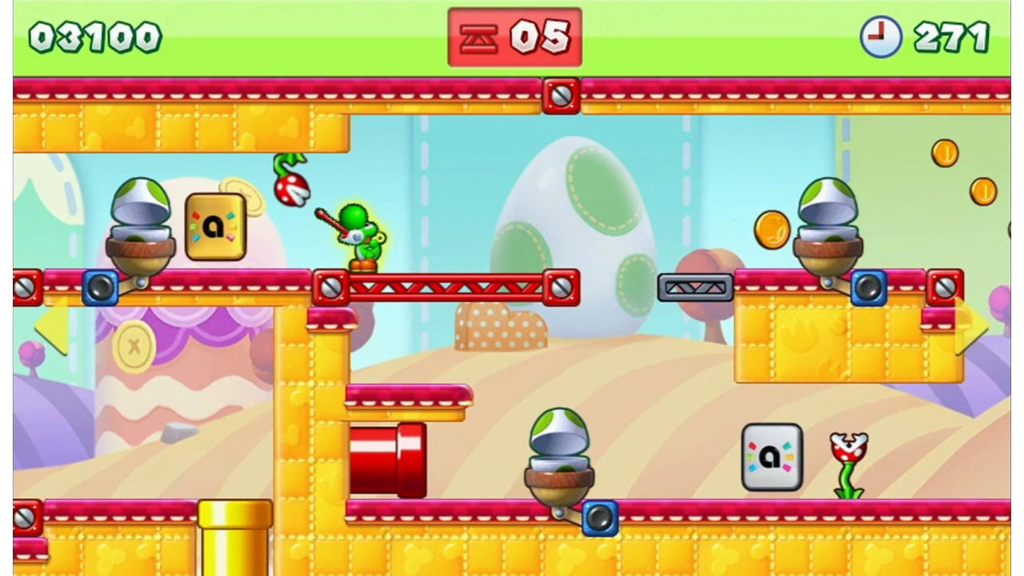
Mini Mario & Friends: Amiibo Challenge is a puzzle-platformer that was released on the Nintendo 3DS and Wii in 2016. It was free on the Nintendo eShop, but you had to have Amiibos to play it properly. It uses the stylus to manipulate objects in its levels, allowing mini characters to move about and accomplish a variety of goals. While free, players needed all 11 Amiibos to play it the way it was meant to be played. While entertaining, the game lacks real challenge and can be completed in a day. Because of this, it lacked replayability and failed to garner much of an audience.
26) Mario vs. Donkey Kong: Tipping Stars
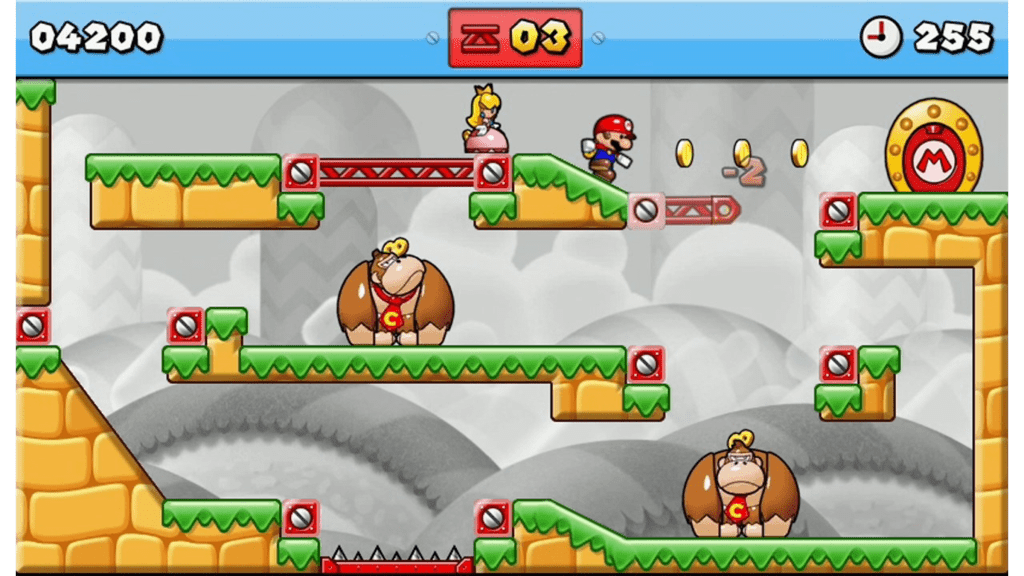
The sixth game in the Mario vs. Donkey Kong series, Mario vs. Donkey Kong: Tipping Stars, was released in 2015 for the Wii U and 3DS. It was the first Nintendo game to support cross-platform play, so if you bought it on the 3DS, you received a code that allowed play on the Wii U, and vice versa. Like the other titles in the series, the game features beautiful graphics and sound, but, like its contemporaries, it lacks content. It’s pretty easy to complete in an afternoon. While not a terrible game, Tipping Stars didn’t turn many heads, making it somewhat forgettable.
25) DK: King of Swing
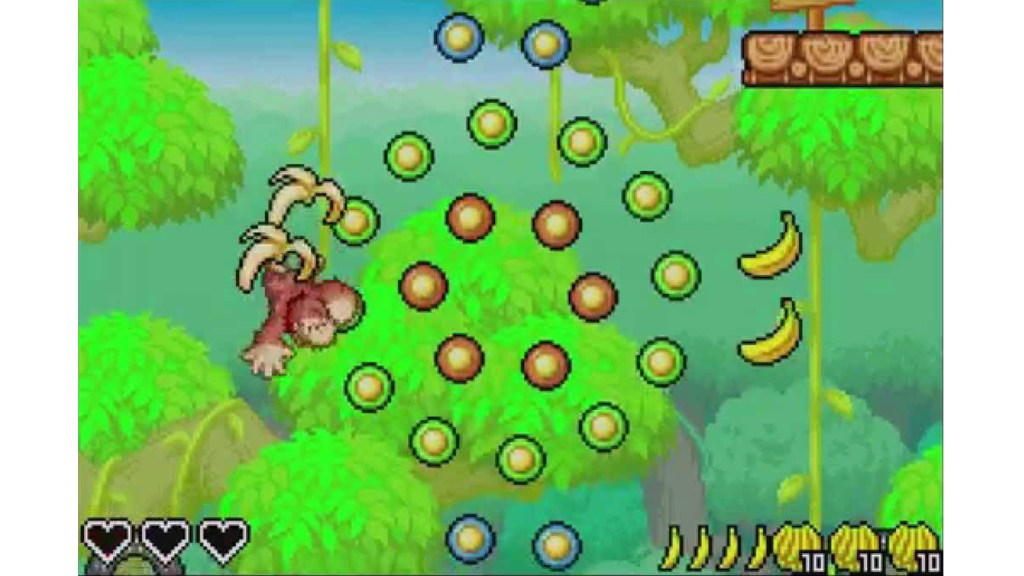
DK: King of Swing is a puzzle platformer that was released on the Game Boy Advance in 2005. It features both a single-player campaign and a competitive multiplayer mode, allowing up to four players at a time. Unlike other Donkey Kong titles, DK: King of Swing uses an entirely different movement mechanic. Characters rotate around pegs to make their way through levels, which is very different from the rest of the franchise. Because of this, the game didn’t receive a great reception, and its graphics were dated upon release, as better-quality titles had been published around the same time.
24) Donkey Kong 3
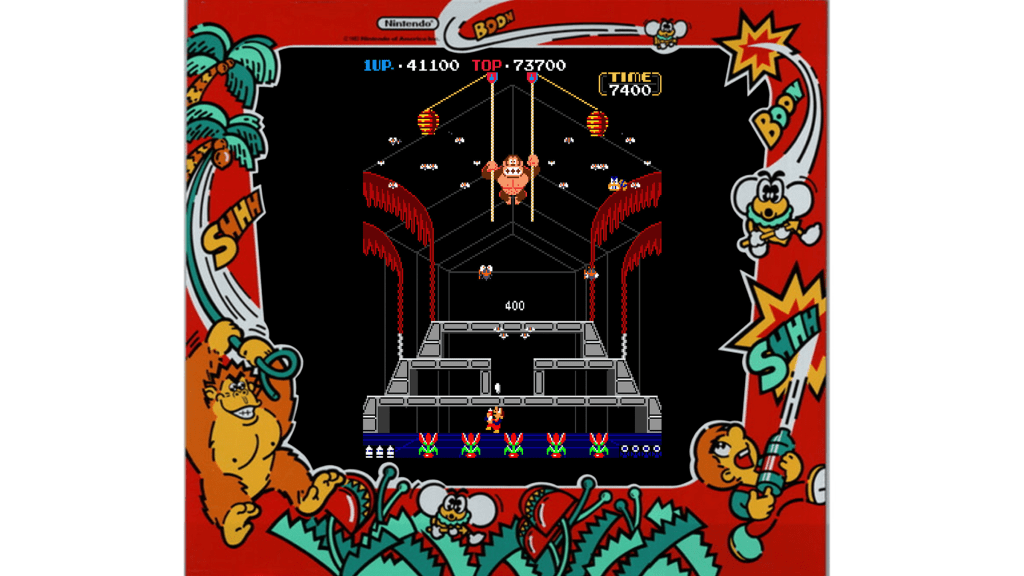
Donkey Kong 3 is the third game in the franchise, having been released in arcades in 1983. The game is different from the previous entries, as it’s not a platformer — it’s a shoot ‘em up. It also doesn’t include Mario, and instead, the player character is an exterminator named Stanley. The game wasn’t as commercially successful as the previous two, though it did well in Japan. Some gamers didn’t like the style change, since Donkey Kong was a prominent platformer. It also has a button-mashing element to its gameplay, but for those who played it in arcades, many have fond memories of Donkey Kong 3.
23) Mario and Donkey Kong: Minis on the Move
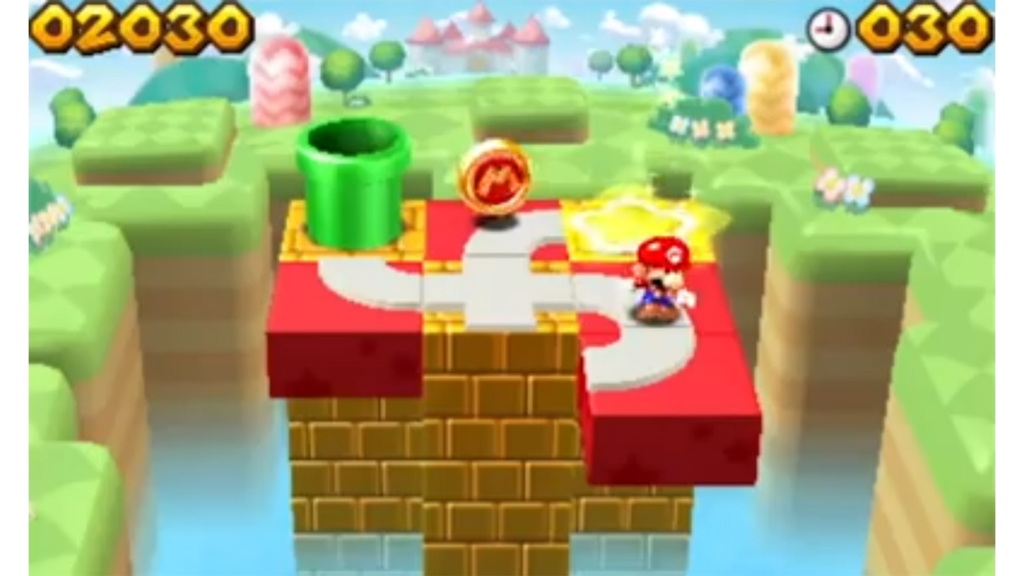
Mario and Donkey Kong: Minis on the Move is the fifth title in the spinoff franchise, and was released on the 3DS in 2013 as a download from the Nintendo eShop. Gameplay involves placing blocks on a grid to create a safe path for Minis. These are small, robotic versions of popular Nintendo characters. Unlike its predecessors, it doesn’t have an overarching plot, which improves gameplay by making it a mindless, fun puzzle game. It’s neither too easy nor too short, making the fifth entry in the franchise one of the best.
22) Donkey Kong Land III
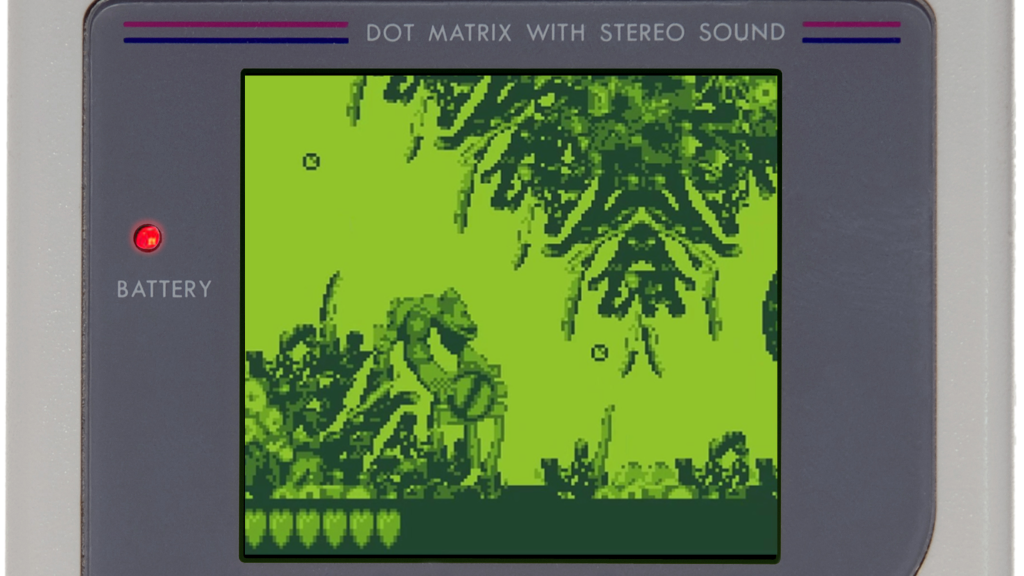
While it’s the third title in the franchise on the Game Boy, Donkey Kong Land III is both a follow-up and a portable version of Donkey Kong Country 3: Dixie Kong’s Double Trouble! on the Super Nintendo. Despite utilizing the same themes and environments as Donkey Kong Country 3, Donkey Kong Land III features entirely unique level designs, so it’s truly a separate game. It’s also a lot of fun and utilizes a fantastic port via the Super Game Boy, which improves the game’s visuals, which can be blurry during movement on the Game Boy.
21) Donkey Kong: Jungle Climber
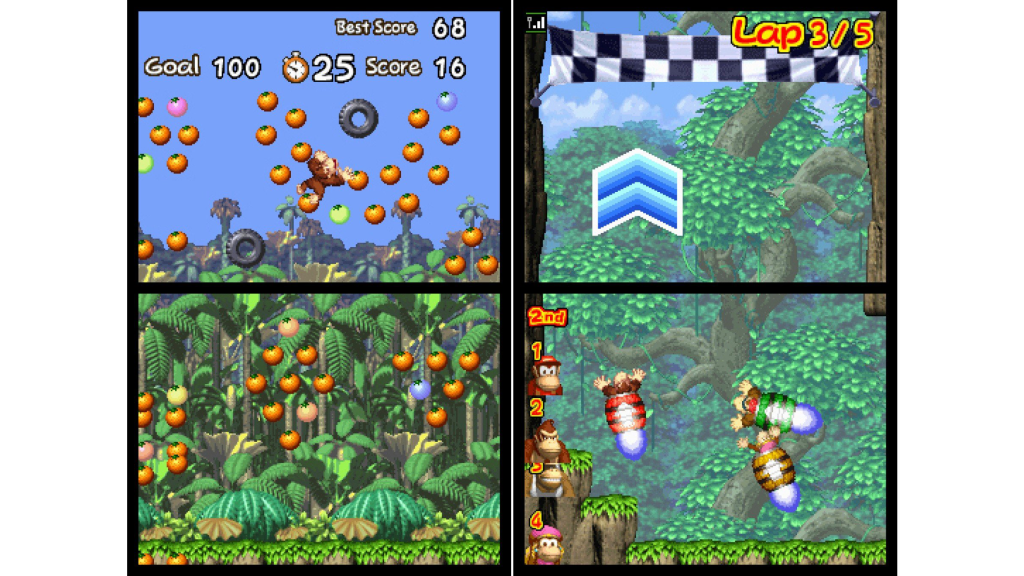
Donkey Kong: Jungle Climber was released on the Nintendo DS in 2007, taking full advantage of its dual-screen format. It’s a sequel to DK: King of Swing from 2005, which was released on the Game Boy Advance, making Jungle Climber the first Donkey Kong-exclusive game made for the new handheld. The game’s graphics are reminiscent of those in Donkey Kong Country, and it was widely seen as better than its predecessor, as evidenced by its placement here. It’s a fun and engaging puzzle-platformer that requires skill and offers excellent replayability.
20) Mario vs. Donkey Kong 2: March of the Minis

Mario vs. Donkey Kong 2: March of the Minis is a direct sequel to Mario vs. Donkey Kong, released for the Game Boy Advance. March of Minis followed on the Nintendo DS and used the platform’s touchscreen in various ways. The game featured excellent level design, engaging challenges, and a great controller scheme. It also included a mode that allowed players to create their own levels and upload them. Like so many in the franchise, it suffered from an unfortunately short length, and while that makes it easy to beat in a short time, it’s nonetheless fun to play.
19) Mario vs. Donkey Kong
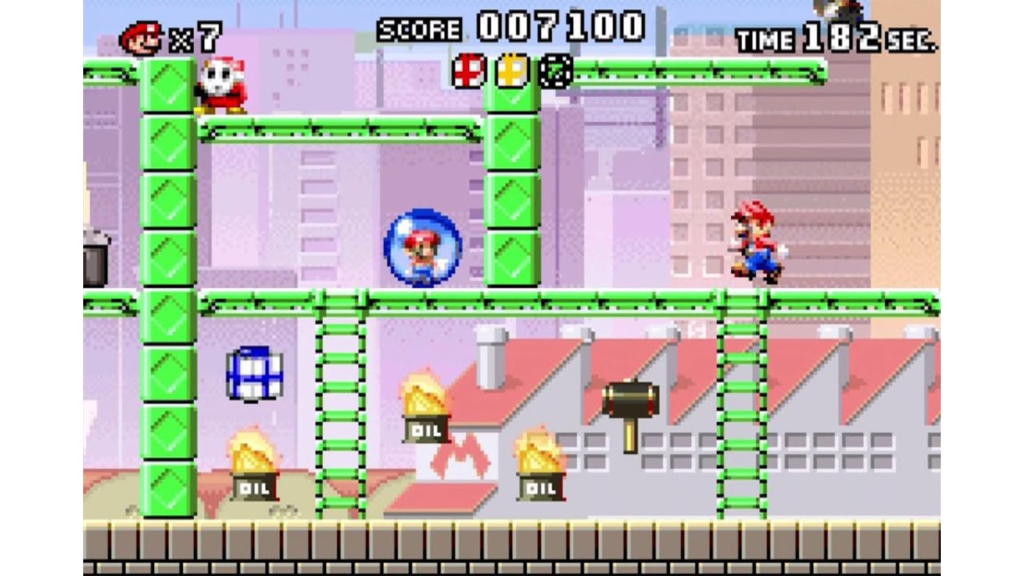
The first entry in its eponymous franchise, Mario vs. Donkey Kong, was released on the Game Boy Advance in 2004. The game is a puzzle-platformer that features gameplay that’s similar to Donkey Kong on the Game Boy, released a decade earlier. Players control Mario throughout the game as they undertake puzzles and challenges to find a key so they can rescue Mini-Marios from Donkey Kong. The game was a revolutionary inclusion in both the Donkey Kong and Mario franchises by returning the two characters to where they got their start. It received a 2024 Nintendo Switch remake, which features improved graphics while remaining faithful to the original.
18) Donkey Konga
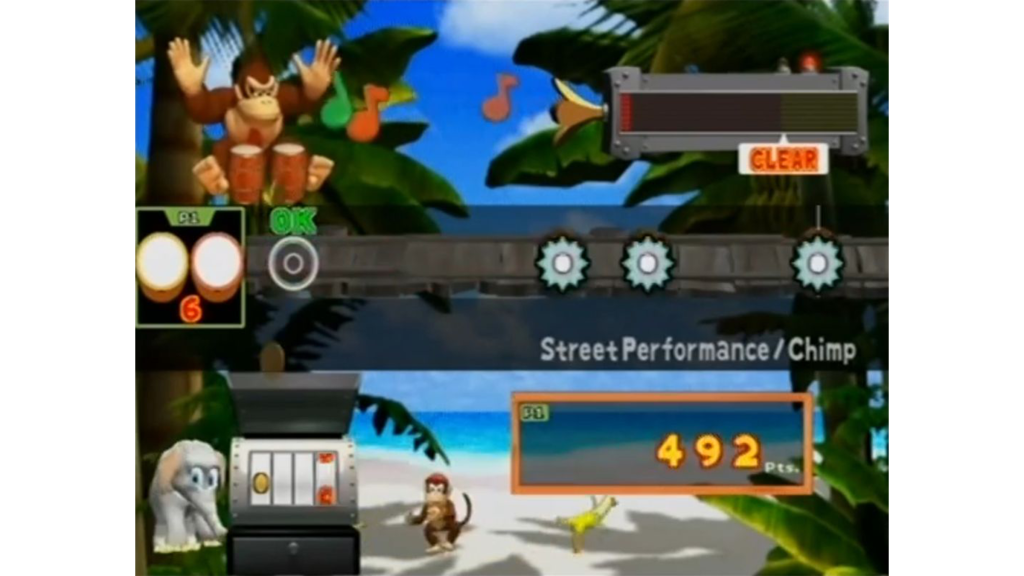
Another interesting spinoff of the typical Donkey Kong style began with Donkey Konga, released for the Nintendo GameCube in 2004. It’s a rhythm game released when the genre was at the height of its popularity, and gameplay could be controlled with special controllers called DK Bongos. If you didn’t have them, you could still play it just as well with the GameCube’s controllers. The game features numerous popular songs and follows a plot in which Donkey and Diddy Kong hang out on a beach and find some bongos. They’re encouraged to practice, establishing the game’s style in a fun, engaging way that no doubt irritated parents around the world.

17) Donkey Konga 3: Tabe-houdai! Haru Mogitate 50 Kyoku

The third game in Donkey Kong’s rhythm franchise is a bit unusual, as it was only released in Japan under the title Donkey Konga 3: Tabe-houdai! Haru Mogitate 50 Kyoku. What’s especially odd about it is that it was released before the second title dropped in the United States, so, in a way, it’s both the second and third in the franchise. Like its predecessor/successor, Donkey Konga 3 featured a similar play style, but it also included 57 tracks, none of which were released on the other games. Thirty-five of the tracks are what you’d expect, and 21 of the total were taken directly from Nintendo Famicom games.
16) Donkey Konga 2
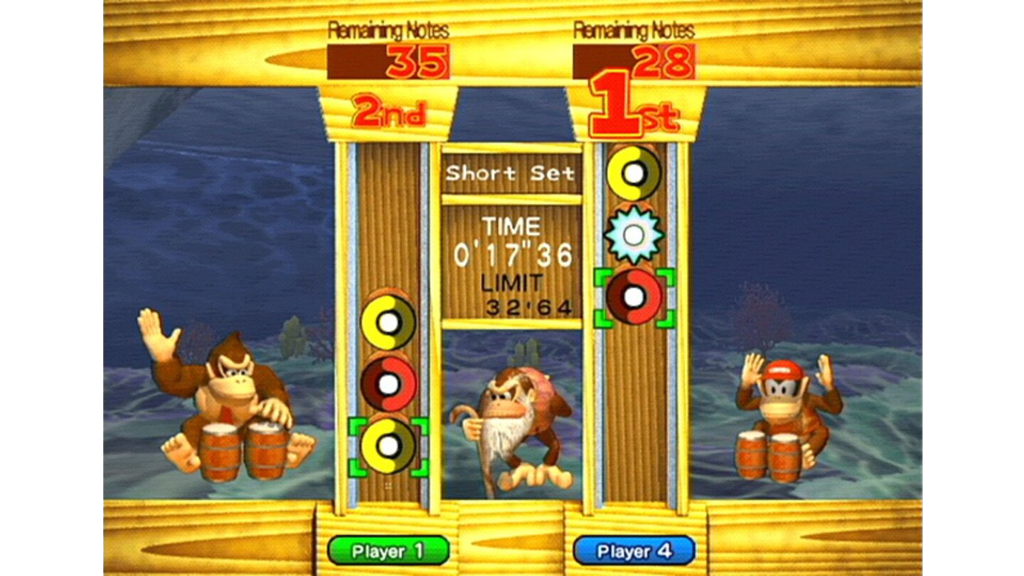
The second Donkey Konga game is much like the first, as it served as a direct sequel and used the DK Bongos for control. It featured 30 new tracks, better graphics, and more characters from the Donkey Kong franchise, as well as several new minigames mixed in with older ones. When it was released in North America, it was slapped with a T rating for lyrics that the rating board deemed unsuitable for younger players. In other regions, the tracks featured more age-appropriate versions, but the quirk worked for Donkey Konga 2 in the States, where it’s often considered the best in the franchise.
15) Donkey Kong Jungle Beat
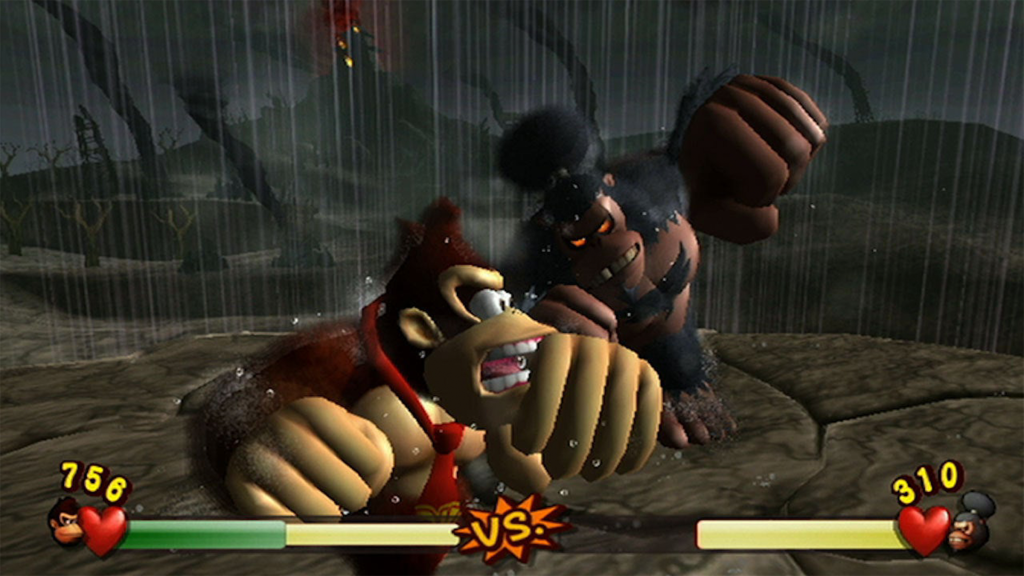
Capitalizing on the popularity of its DK Bongos, Nintendo released Donkey Kong Jungle Beat in 2004 for the GameCube. In the game, Donkey Kong has to defeat evil kings so he can conquer the jungle, and this is accomplished via side-scrolling levels. It’s not a simple platformer, as players can chain combos, ride on various animals, swing on vines, and more. The difficulty scaled a bit too easily for some players, and gameplay wasn’t as natural with the bongos as it could have been. Still, that doesn’t detract from its entertainment value since you can use the standard controller.
14) Mario vs. Donkey Kong: Minis March Again!
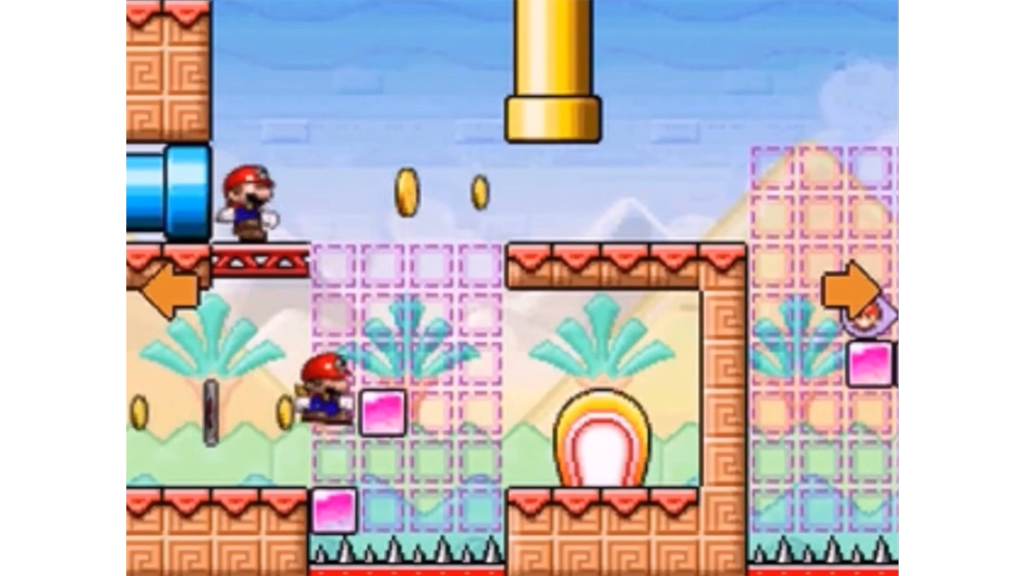
Mario vs. Donkey Kong: Minis March Again! is the third game in the spinoff franchise, released on the Nintendo DSi in 2009. Like its predecessors, it’s a puzzle-platformer, but unlike the others, it includes a level editor. It’s also a direct follow-up to March of the Minis and features a similar style of gameplay. It’s essentially a Mario and Donkey Kong-branded version of Lemmings, where the player guides Mini-Marios across the level to safety. Players control mini versions of Princess Peach, Donkey Kong, or Toad to rescue Pauline from Donkey Kong.
13) Mario vs. Donkey Kong: Mini-Land Mayhem!
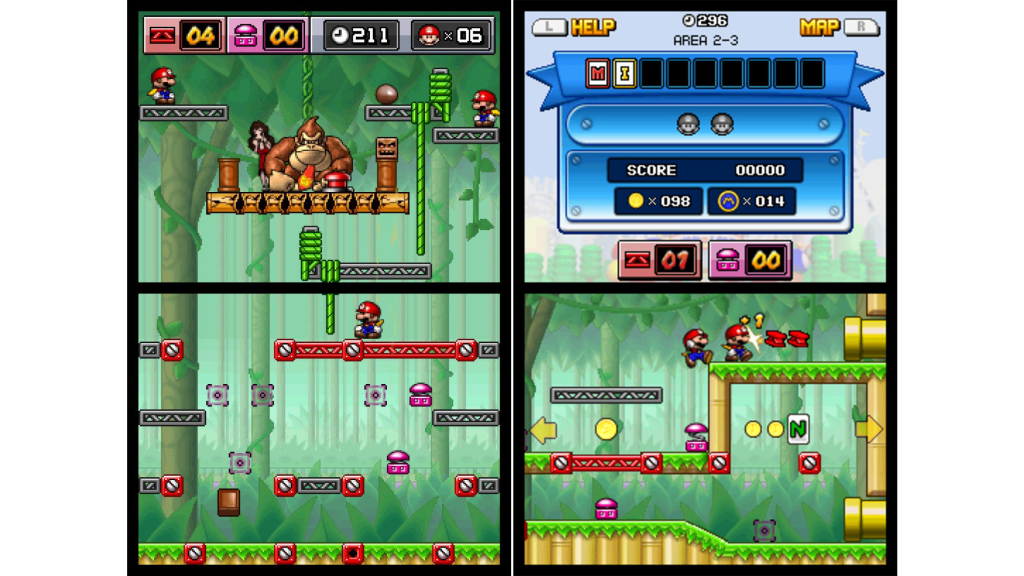
The fourth entry in the Mario vs. Donkey Kong series, Mario vs. Donkey Kong: Mini-Land Mayhem!, found its way onto the Nintendo DS in 2010. The game is very much like its predecessors, following the same plotline and manner of gameplay, which critics praised. It also includes a level editor, so players could design their own levels and upload them for friends to play. Granted, this was already a staple of the franchise by the time Mini-Land Mayhem! was released. Additionally, beating the game opened Plus Mode, increasing the difficulty, and unlocked additional levels as players progressed.
12) Diddy Kong Racing
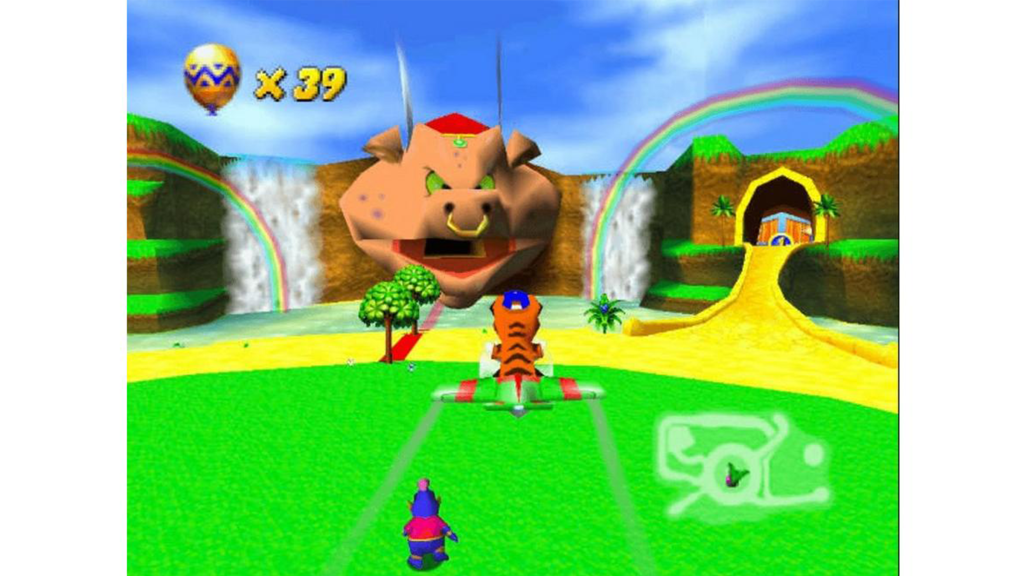
When Diddy Kong Racing arrived on the Nintendo 64 in 1997, it established an entirely new spinoff franchise as the first dedicated Donkey Kong kart racer. The game featured five worlds, each with four racetracks. Players could drive a car, hovercraft, or airplane through the tracks as Diddy Kong and his pals fight the evil Wizpig. The game was a massive hit upon release, opening up Nintendo’s library of fun racing games with an entirely new series. While some found its levels repetitive, it sold nearly 5 million copies throughout the N64’s life.
11) Donkey Kong Country Returns
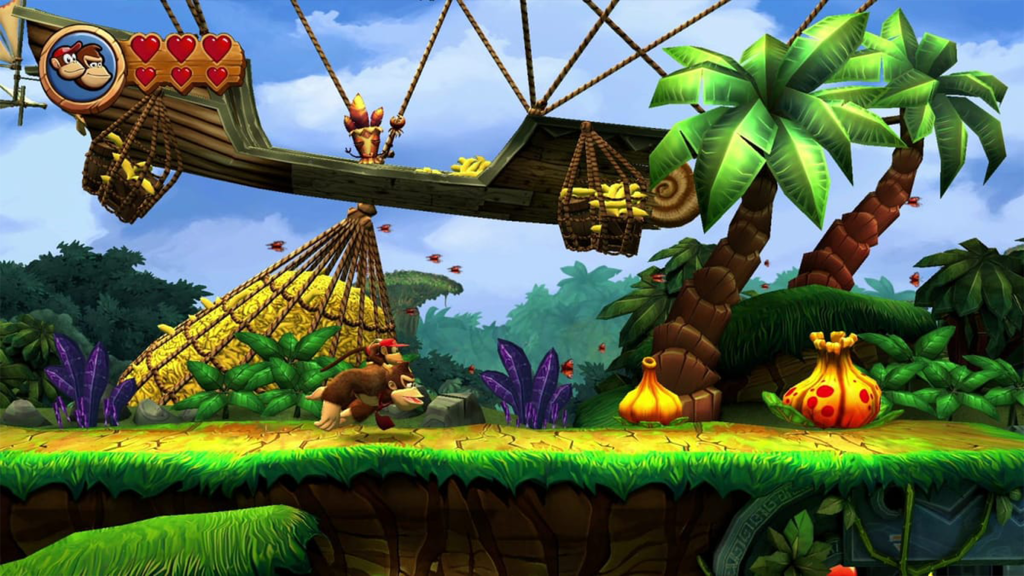
Donkey Kong Country Returns is a platformer released in 2010 for the Wii. While the name suggests it’s a remake of an earlier title, it’s an entirely new game. In it, evil Tiki-like creatures flood Donkey Kong Island, hypnotizing animals. They make off with Donkey and Diddy Kong’s stash of bananas, pushing them to head out into the jungle to fight back. The game was a massive success, selling more than 6.5 million copies. Donkey Kong Country Returns was widely praised for its graphics, gameplay, and level design, though some felt the motion controls made it harder to play than it should have been.
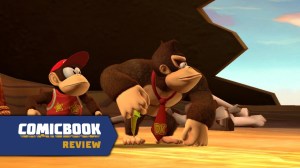
10) Donkey Kong Country 3: Dixie Kong’s Double Trouble!

Donkey Kong Country 3: Dixie Kong’s Double Trouble! is the third installment in the incredibly popular Donkey Kong Country franchise. It was released on the Super Nintendo in 1996, and is a sequel to Donkey Kong Country 2: Diddy Kong’s Quest. In the game, the player controls Dixie and Kiddy Kong during their quest to save Donkey and Diddy Kong from King K. Rool. It featured the same graphics style introduced in the first installment and is an incredibly entertaining Donkey Kong game in its own right. That said, it didn’t add much innovation to the franchise, but this is a minor complaint of an outstanding title.
9) Donkey Kong

The first Donkey Kong game released on the Game Boy in 1994 introduced a significant addition to the original arcade game, as it was filled with tons of extra content. The player must first beat the same four levels from the arcade game, but upon doing so, it continues. The game then adds 97 additional stages across nine worlds for the player to complete. It was also the first Game Boy game enhanced by the Super Game Boy, and it inspired the development of a spiritual successor, Mario vs. Donkey Kong.
8) Donkey Kong Country: Tropical Freeze
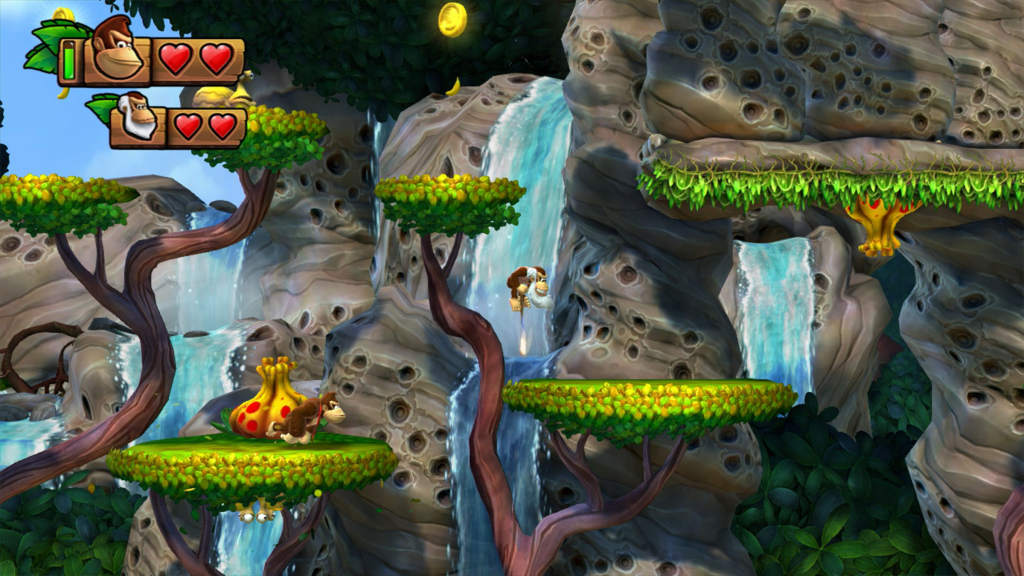
Donkey Kong Country: Tropical Freeze is the fifth installment in the Donkey Kong Country franchise, released in 2014 for the Wii U and the Nintendo Switch. It’s a direct sequel to 2010’s Donkey Kong Country Returns, so it featured many of the same graphical styles and mechanics. In the game, Donkey Kong must travel across five islands with his family to save Donkey Kong Island from the Snowmads. The game received acclaim for its brilliant level design, soundtrack, and gameplay, though it set a high difficulty bar, making some areas more challenging than necessary.
7) Donkey Kong

The original Donkey Kong game was an absolute innovation in how video games were made. It introduced named characters, cutscenes, a narrative story, and so much more. The game saved Nintendo from financial ruin, and it remains one of the most popular arcade games of all time. It’s also the first game to feature Mario, though he was known as Jumpman at the time. Donkey Kong was established as a villain, though this would eventually change, and it’s easily one of the most influential video games ever made, having solidified the platformer genre before it was a thing.
6) Donkey Kong Country 2: Diddy’s Kong Quest
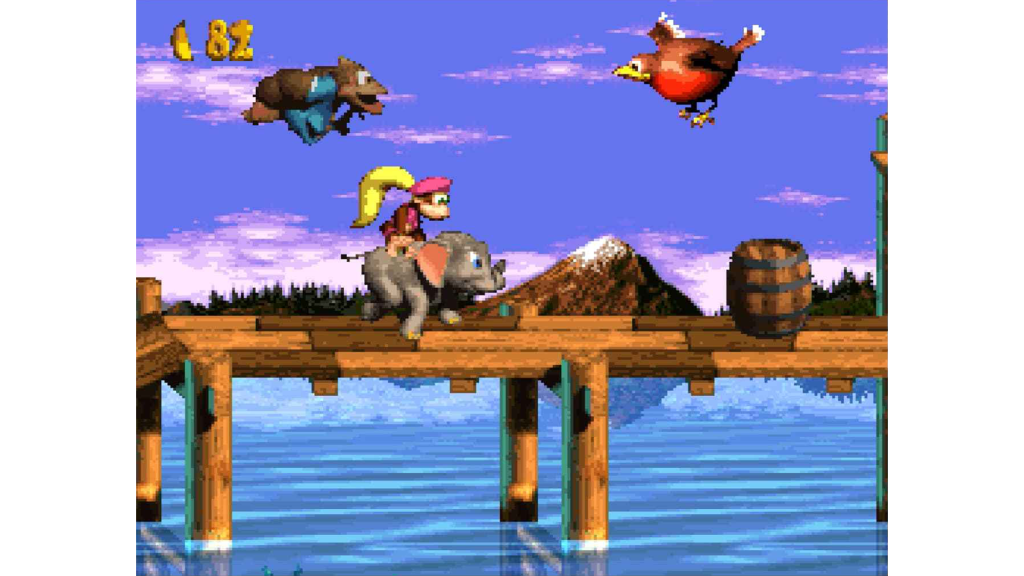
The second installment in the Donkey Kong Country franchise, Donkey Kong Country 2: Diddy’s Kong Quest, was released on the Super Nintendo in 1995. Like its predecessor, it used pre-rendered 3D imagery, which helped set it apart from other platformers on the market at the time. In the game, players take control of Diddy and Dixie Kong to save Donkey Kong from King K. Rool. It featured 52 levels spread across eight worlds, and was highly acclaimed upon release. It’s also one of the Super Nintendo’s best-selling games, and has been re-released on various consoles over the years.
5) Donkey Kong 64
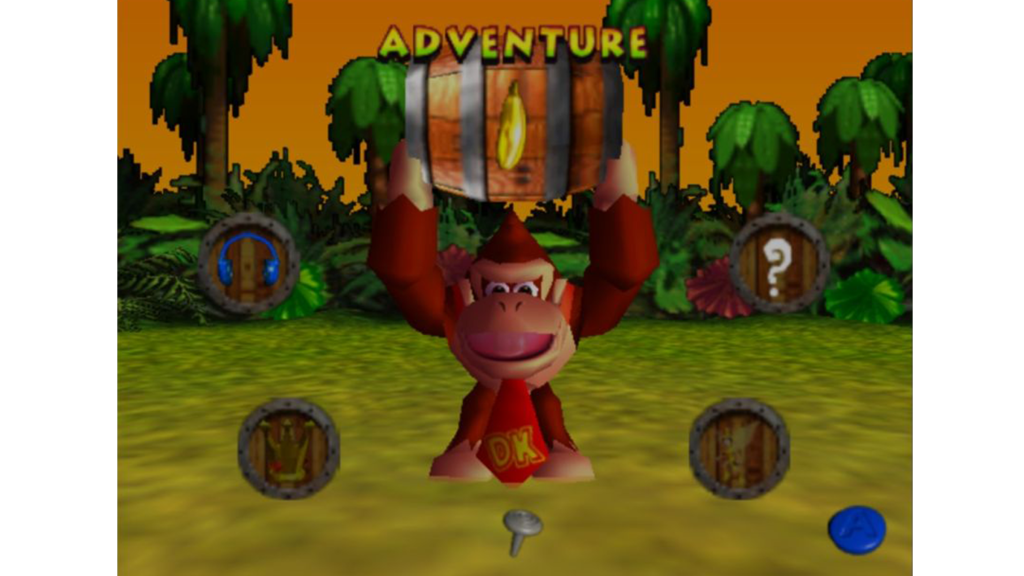
When Nintendo released the Nintendo 64, it allowed for 3D gameplay, and the first Donkey Kong title to use this feature was Donkey Kong 64. The game is a platformer, where players take control of Donkey Kong as he makes his way through multiple level types to rescue his family from King K. Rool. To do so, the player must complete puzzles and minigames while playing as one of five Kong characters, each of whom has their own special abilities. It also featured multiplayer mode and was a massive success for Nintendo.
4) Donkey Kong Jr.

While the original Donkey Kong was innovative in many ways, its sequel, Donkey Kong Jr., significantly improved on it. The game flipped the script, placing Mario as the villain, so Donkey Kong Jr. must rescue his kidnapped father from the Italian plumber. This not only showed that roles in video games could be reversed, but also introduced an entirely new characteristic to Donkey Kong: his family. The game also featured new mechanics and a completely revamped playing style, setting it apart from the other arcade games in the Donkey Kong franchise.
3) Donkey Kong Land
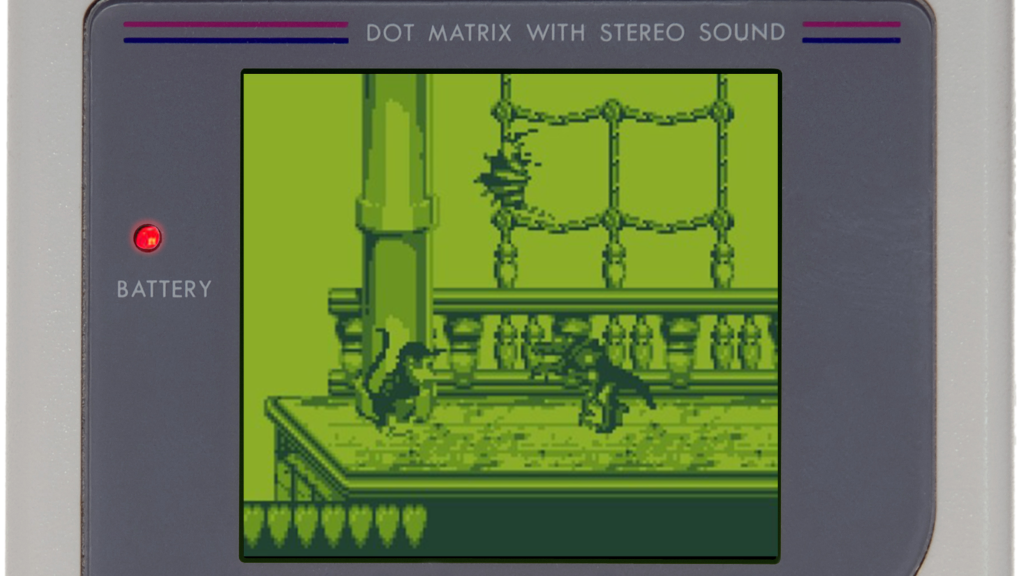
Donkey Kong Land is an interesting title, as it’s technically a remake of Donkey Kong Country on the Game Boy, though in a condensed format that utilizes unique levels and boss battles. This makes it a semi-remake and an entirely new game at the same time, and it’s easily the best handheld title in the Donkey Kong franchise. Gameplay involves controlling Donkey and Diddy Kong across 30 side-scrolling levels to recover their stolen bananas from King K. Rool. The game was a huge success and has been re-released on multiple consoles in the years since.
2) Donkey Kong Bananza
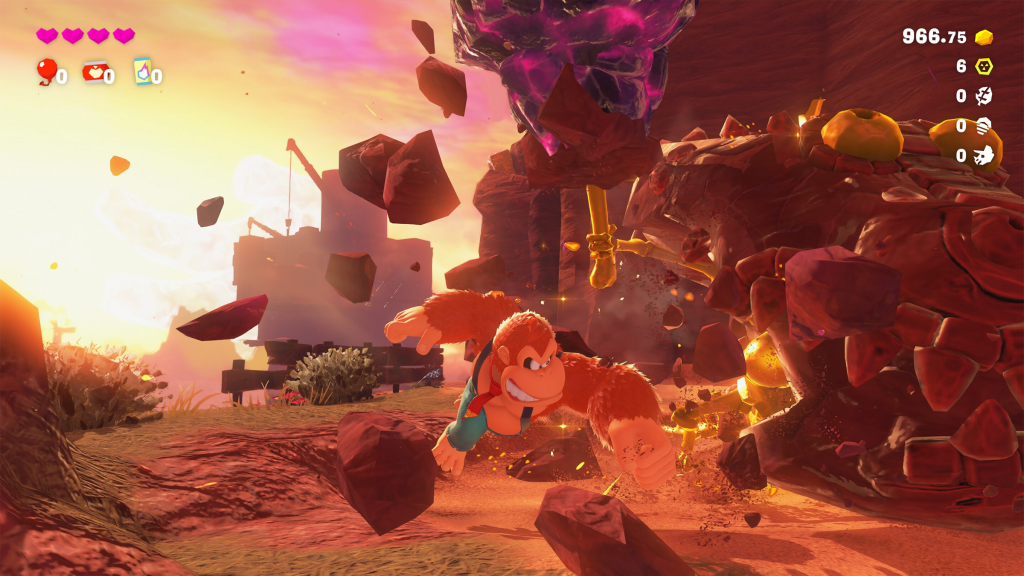
As of writing, Donkey Kong Bananza is the newest entry in the Donkey Kong franchise, having been released exclusively on the Nintendo Switch 2 in 2025. Gameplay involves controlling Donkey Kong as he explores an underground world with Pauline. Their goal is to find the Banandium Root, which is at the planet’s core. The levels are presented in a sandbox-like format, so there’s plenty of PvE and places to explore through destruction. Additionally, you can upgrade Donkey Kong’s abilities as you progress through the game. Donkey Kong Bananza was a massive hit upon release, selling around 3.5 million copies within two months.
1) Donkey Kong Country
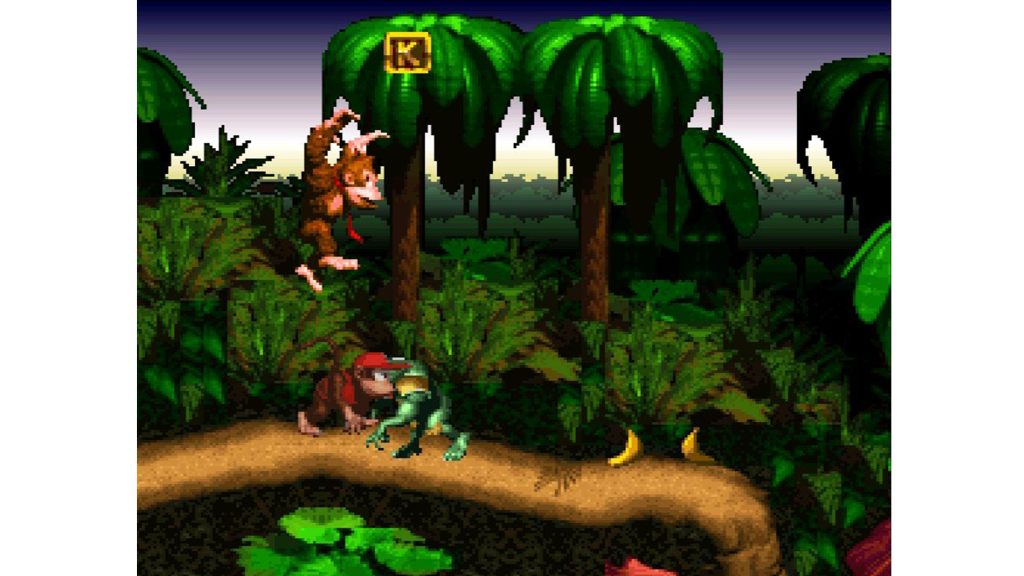
Despite coming out more than 30 years ago, Donkey Kong Country is easily the best game in the franchise. It reintroduced Donkey Kong as a hero, abandoning his former villainous role from earlier titles. It was also highly innovative at the time, using pre-rendered 3D models, making it one of the earliest examples of this technology to arrive on home consoles. The game was a significant technical achievement, but it’s also a lot of fun to play, thanks to brilliant level design, exceptional controls, and a great deal of creativity that keeps gameplay engaging. It’s the best-selling Donkey Kong game with over 9.3 million copies sold, and it spawned a franchise.
Which Donkey Kong games are at the top and bottom of your list? Leave a comment below and join the conversation now in the ComicBook Forum!
Most Viewed
-

Image Courtesy of Amazon MGM Studios -

Image courtesy of Marvel Studios -

Image courtesy of PerBlue