Given the massive fanbase that Final Fantasy has accrued over the years, it’s no surprise that plenty of fans have their own theories about how the franchise’s mystical resources actually work. With many of the Final Fantasy games serving as stand-alone adventures in their own unique settings, many games lack direct connections to one another unless they are direct sequels. However, that hasn’t stopped some fans from finding ways to bridge the gap between titles.
Videos by ComicBook.com
Many of the best fan theories about Final Fantasy focus on ways to connect games to one another, creating shared universes between otherwise unconnected titles. Other theories add darker and somber edges to their stories, turning heroes into villains or justifying surreal plot turns by arguing that some characters have died in unexpected ways. Some of the most intriguing fan theories about the series find ways to bond Final Fantasy with other franchises by Square Enix. Here are some of the most compelling fan theories about the Final Fantasy series and how they change their respective titles.
It’s The Same Gilgamesh In Several Final Fantasy Games (Final Fantasy V)
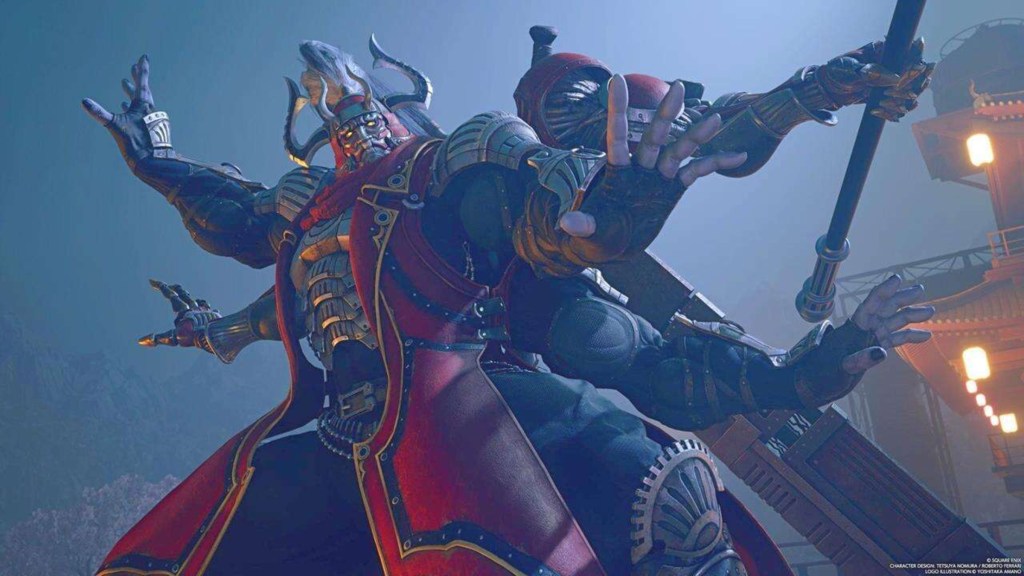
Similar to series constants like Cid, variations of Gilgamesh have appeared in various iterations of Final Fantasy. However, some fans theorize that it’s actually the same version of the character in every appearance. The theory is rooted in Gilgamesh’s fate in Final Fantasy V, which saw him flung into a rift between time and space.
The theory suggests that, as a result, Gilgamesh has been spiraling across the Final Fantasy multiverse. This is why the character seems to be somewhat consistent in personality over time, and gives his collection of blades from across the larger franchise a deeper meaning within the larger mythos. Going through the rift might also explain his powers as a demigod, as the theory argues that his fate has left him with amazing abilities.
Jenova Is Connected To Lavos From Chrono Trigger (Final Fantasy VII)
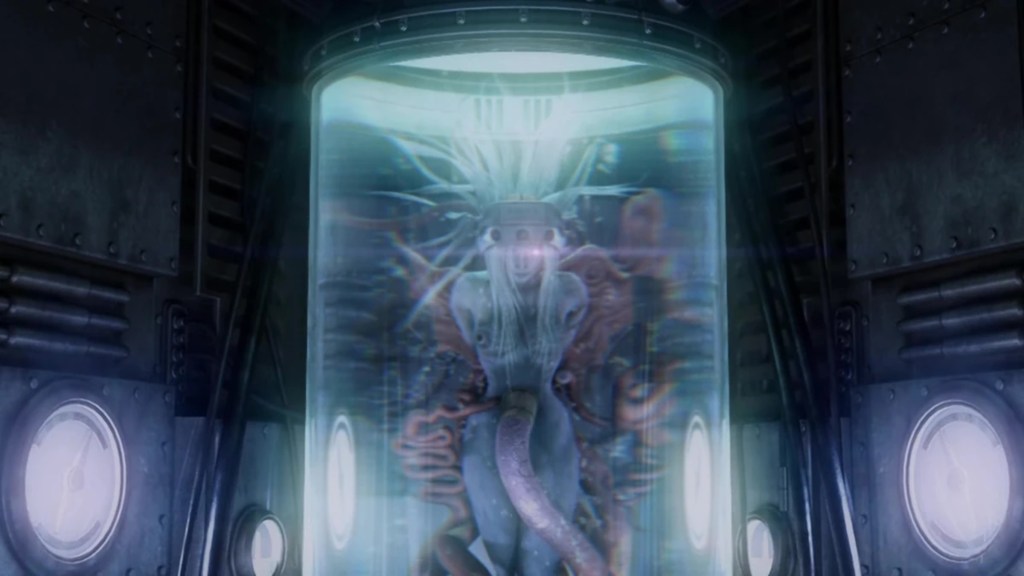
Chrono Trigger is another beloved Square Enix RPG set outside the larger Final Fantasy franchise. However, some fans have argued that there may be a natural way to connect the two franchises thanks to the similarities between Lavos and Jenova from Final Fantasy VII. The theory is rooted in the inherent similarities between the characters, from their statuses as cosmic parasites to their intention to feed on the life force of their respective game worlds.
The two even both prove to be adept manipulators, although they focus on different aspects of their targets. The biggest blow to this theory comes from Final Fantasy VII producer Yoshinori Kitase, who has claimed that the two don’t belong to the same species. While it therefore just remains a theory, it’s also a fun way of connecting the two Square Enix properties together into a shared cosmology.
Cloud Accidentally Killed Aerith (Final Fantasy VII)

Quietly heartbreaking and darkly hilarious, the fan theory that Cloud accidentally killed Aerith adds a wild layer to one of gaming’s most infamous deaths. In Final Fantasy VII, Aerith is suddenly struck down by Sephiroth late in the game. Afterwards, Cloud mourns her and places her body in a pool of water, at which point she sinks into the depths.
The theory argues that Sephiroth’s blow didn’t actually draw any blood, and that Aerith’s magical qualities might have been able to restore her to full health — only for Cloud, confused about her fate, to leave her to drown. It’s a very dark theory that actually works well with the game’s twists regarding Cloud’s sense of self and skewed views on reality. If true, then it makes Aerith’s death even more tragic, as it now comes at the hands of someone who cared deeply for her.
Squall Is Dead (Final Fantasy VIII)

A surprisingly clever fan theory about Final Fantasy VIII, the “Squall is Dead” concept, suggests that Squall was actually killed at the end of Disc 1 by Edea’s ice shard attack. The theory suggests that the rest of the game is actually a dying dream as Squall slowly fades away. The theory could be used to explain the increasingly surreal elements of the game’s second half, especially the ending, where Squall is shown alone in a dark space.
Similar to the Jenova and Lavos theory, this concept has been debunked by the creatives behind the game, with FFVIII Director Yoshinori Kitase arguing that the injury was actually only Squall’s shoulder. However, it’s still a fun theory to consider, as it puts a unique touch on the title that other entries in the franchise can’t quite match.
Rinoa Is Secretly Ultimecia (Final Fantasy VIII)
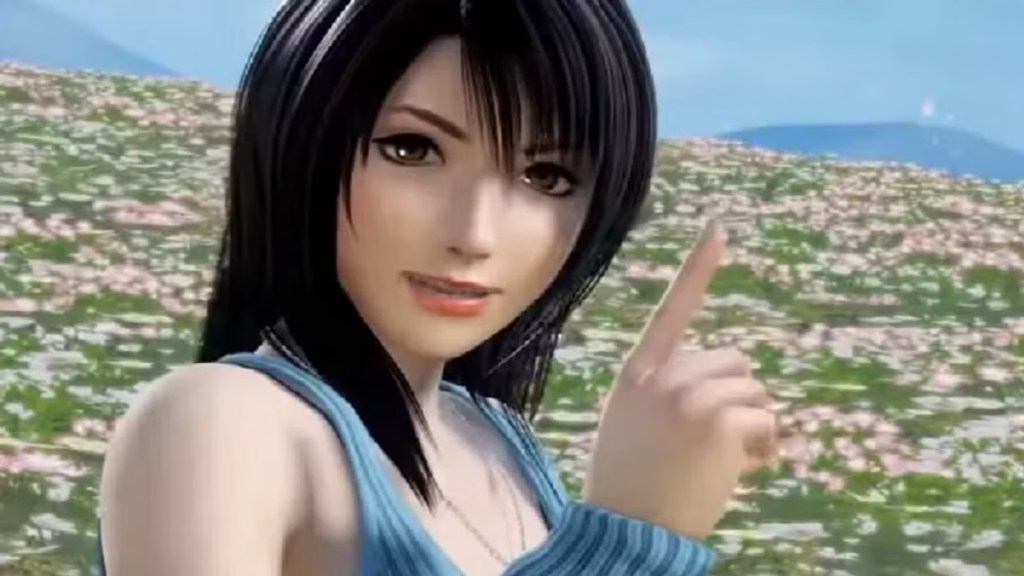
Another theory that has to do with Squall’s potential death suggests that his love interest, Rinoa, is actually Ultimecia. The use of time travel in the plot would give an older Rinoa the ability to return to the past as an older woman, at which point she may have grown into Ultimecia. This would explain the similar appearance shared by both women. The theory argues that Ultimecia was left heartbroken by the death of Squall in some future event.
This would lead her to try and prevent their connection from ever growing in the first place to spare her the broken heart, resulting in her transformation into Ultimecia. This theory gives new emotional resonance to some notable details about the villain and adds a darker layer to the time travel in the game, such as her castle being at the location where Squall and Rinoa had vowed to reunite and her use of Griever, an entity usually powered by Squall’s ring. It’s a compelling theory, and it adds a new layer of emotional depth to the story.
Final Fantasy Tactics Is A Distant Sequel To Final Fantasy XII (Final Fantasy Tactics)
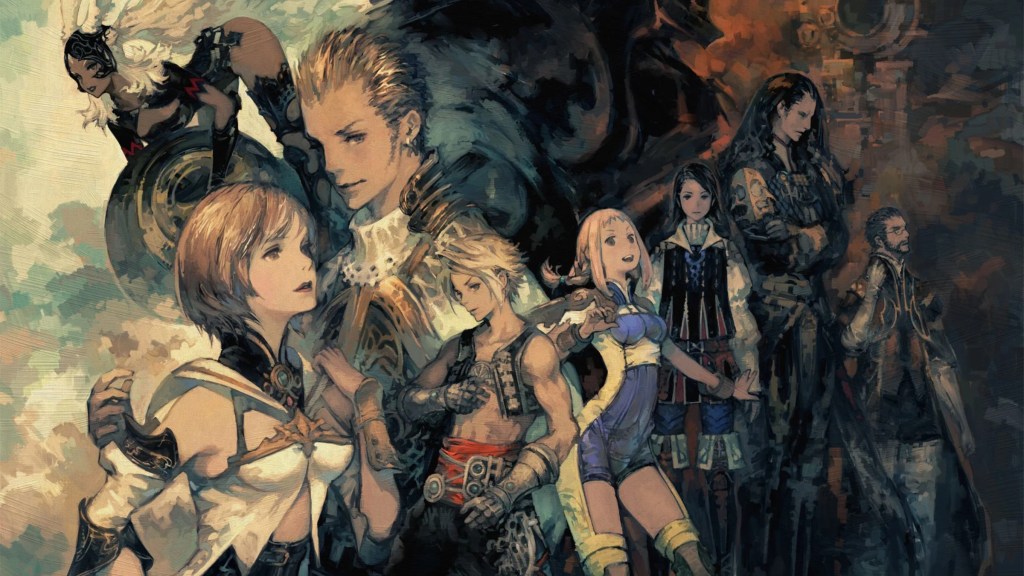
Although it’s a common understanding that Final Fantasy XII and Final Fantasy Tactics take place in the same setting, there are some clues suggesting they may be more directly connected than fans realize — and paint a much darker conclusion to FFXII. The theory argues that Tactics takes place centuries following the events of FFXII and directly deals with lingering threats from that game. Side quests in Tactics describe a “Golden Age,” which some fans believe is actually referring to the events of FFXII.
It’s mentioned in this side-quest that the realm of Ivalice used to have other races and airships, only for a “great cataclysm” to take place that wiped out most sentient life save for humans. This would account for the various races that appear in FFXII across Ivalice that no longer seem to exist by the events of Tactics. The theory also suggests that the Espers of FFXII lingered on the outskirts of the world, eventually becoming the Lucavi of Tactics. It’s an interesting theory, and one that gives FFXII‘s happy ending a darker edge.
Final Fantasy X Is A Distant Prequel To Final Fantasy VII (Final Fantasy X)
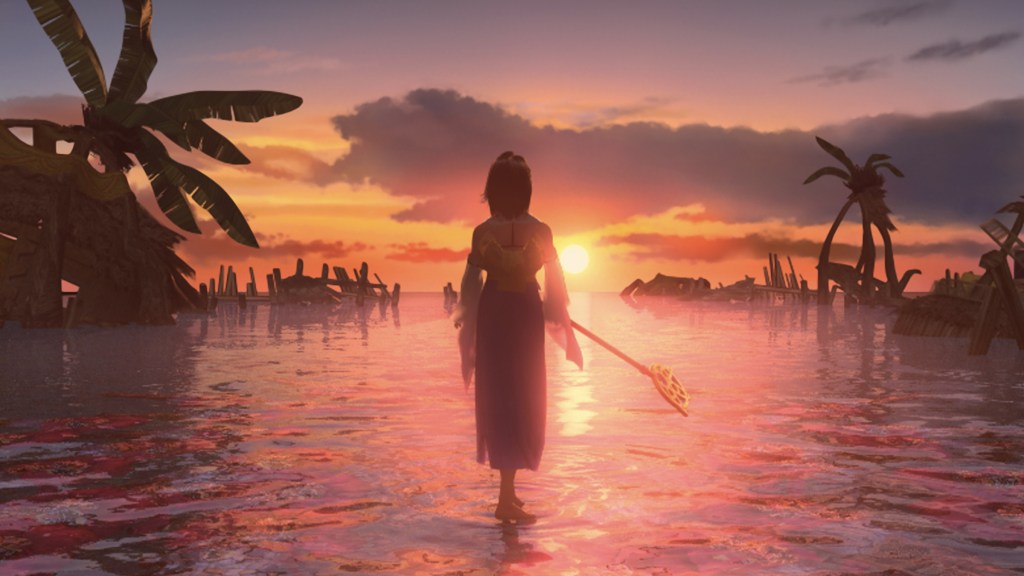
Two of the most popular Final Fantasy games with fans, Final Fantasy VII and Final Fantasy X, may actually be set in the same universe. The theory suggests that the events of FFX (and by extension Final Fantasy X-2) on the world of Spira happen thousands of years before FFVII, after the world has been renamed Gaia. This would explain many of the shared elements of both games’ lore, such as the similarities between Gaia’s Lifestream in FFVII and Spira’s Pyreflies in FFX. The spirit realms in both games, the Promised Land in FFVII and the Far Plane in FFX, share a lot of thematic and visual elements.
There’s also the presence of apparent Spira technology in FFVII spin-off Dirge of Cerebrus, which Cid unearths and suggests is an ancient creation from a long-lost civilization. The most overt connection between the games is the presence of a scientist in FFX-2 named Shinra, who is investigating the Far Plane as an energy source. The theory argues that Shinra will eventually begin a company that shares his namesake, which becomes the villainous Shinra organization in FFVII that is focused on harnessing the Lifestream as a power source.
Most Viewed
-
Image Courtesy of Marvel Comics -

Sony Pictures -

Image Courtesy of HIDIVE -
Image courtesy of Bandai Namco -

Image Courtesy of Netflix -

Image courtesy of The Pokemon Company