Action-adventure games are oftentimes stuffed with similar mechanics, making it nearly impossible for any one system to stand out in a very saturated genre. However, when one feature does get some recognition, you would expect it to appear again in other games given how players react positively to it. The unfortunate truth is that some key parts of your favorite titles are so good that they attract the wrong kind of attention that locks them away from being used in other titles.
Videos by ComicBook.com
Trademarking gaming features is an unfortunate trend that has a lot of history. Recently, ongoing legal battles between Nintendo and Palworld developers has revolved around what mechanics Nintendo “owns” through their Pokémon license, including the capturing of in-game creatures among other mechanics. From Sega trying to copyright directional arrows, BioWare’s attempts to make dialogue wheels singular to their games, to EA’s exclusive ping system, game mechanics are as commodified as any series.
Middle Earth: Shadow Of Mordor’s Nemesis System Was Patented By Warner Bros. In 2016
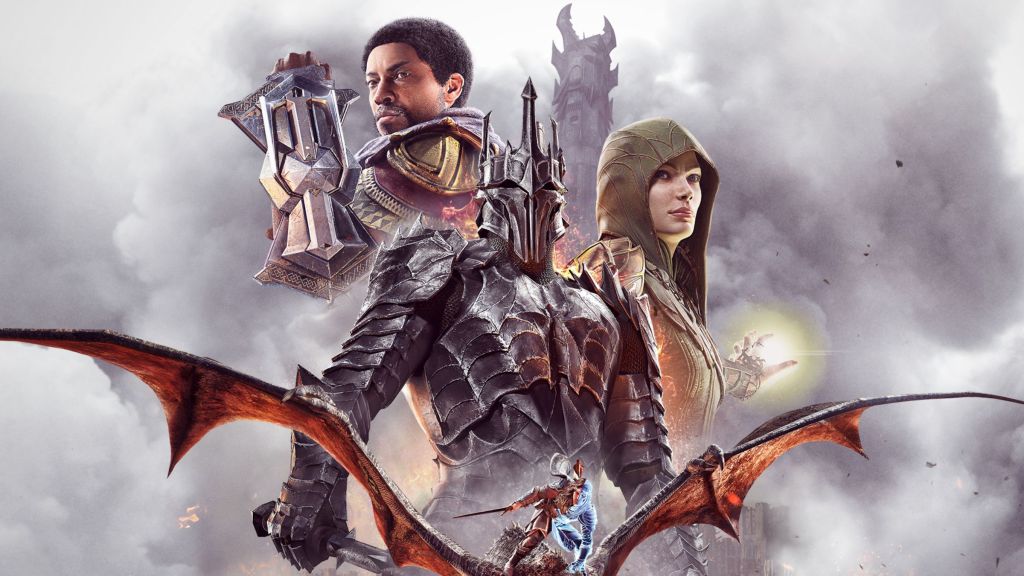
The most infamous example of a game mechanic being trademarked comes from Middle-Earth: Shadow of Mordor and Shadow of War, two action-adventure games made by Monolith Productions. While the exploration and combat take center stage in these titles, its biggest claim to fame is the Nemesis System, a feature tied to the enemies you encounter. This system causes enemies you face to change and adapt based on your actions, becoming stronger or weaker while remembering everything you did to them.
The Nemesis System is responsible for extremely memorable moments, such as an enemy Orc commander you scarred in a previous fight coming back for revenge as a much stronger general later. Some enemies who defeat you gloat if you return to face them, while others respond to you in fear based on what you did. This creates a natural cast of characters unique to your story, almost making you responsible for molding NPCs based on what you’ve done. Special dialogue, manipulation of enemy ranks, and more behind-the-scenes elements of the Nemesis System make it incredibly innovative even by today’s standards.
Unfortunately, publisher Warner Brothers filed a patent for the Nemesis System all the way back in 2016. This made it impossible for the mechanic to show up in other titles, such as Ghost of Tsushima, Red Dead Redemption 2, the Norse God of War games, or other action-adventure experiences. The absence of the Nemesis System is a net loss for gaming as a whole, as it easily could have become an iconic mechanic that made great games legendary.
The Nemesis System Allowed Every Enemy You Faced To Remember Your Actions
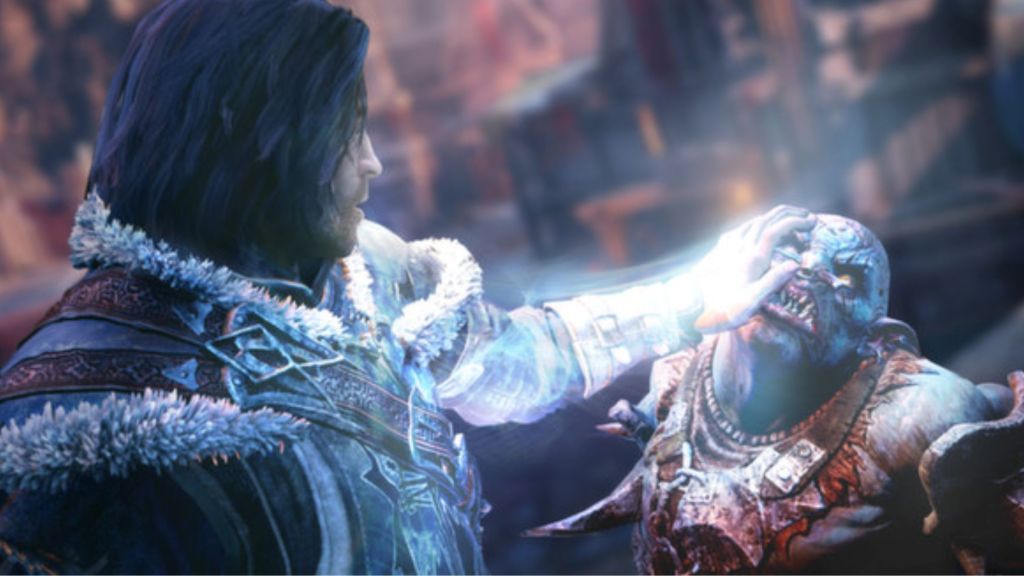
It’s hard to describe just how deep the Nemesis System went, especially when it was expanded in Middle-Earth: Shadow of War. The sequel added more features and deeper dynamics with enemies, with more in varied roles to react to each choice you make. For example, you had the option to “shame” certain enemies by branding them. This kept them alive, but reduced their overall enemy level to represent them falling down the ranks of Mordor’s armies.
You had the option to shame enemies further, but it would do far more than lower their level. Eventually, the enemies you brand would stop searching for revenge, becoming a mumbling mess that devolved into insanity. The levels of cruelty, mockery, savagery, or mercy you could inflict on enemies always returned at some point in the game through the Nemesis System always working behind the scenes.
Dynamic Enemy Interactions Are Not Allowed As Long As WB Holds The Patent
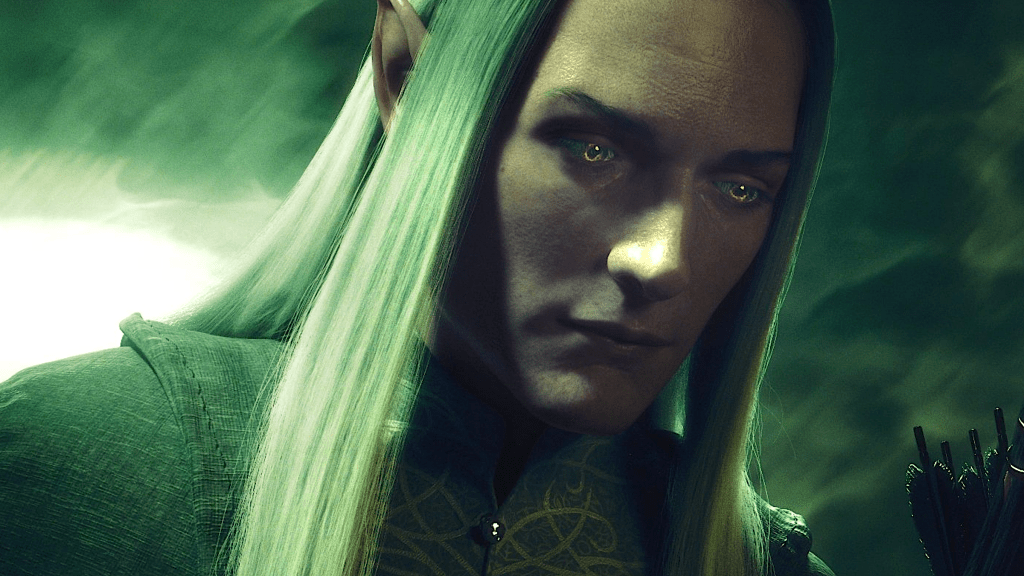
The level of relationships you can have with your enemies will always be restricted as long as Warner Bros. keeps hold of the patent on the Nemesis System. This restricts the mechanic to only their gaming projects, similar to Nintendo with their Pokémon titles. That being said, Warner Bros. makes far fewer games than Nintendo, meaning there are even fewer opportunities to see any systems they’ve claimed in action.
Given that the developers of Shadow of Mordor and Shadow of War, Monolith Productions, just had their Wonder Woman game cancelled, the future of the Nemesis System looks bleak. Some players have understandably criticized Warner Bros. for their approach to games recently, especially after so much money was already spent on a Wonder Woman game that had years of planned production only to be removed with seemingly no warning.
It would be tragic if the Nemesis System never appeared again, as it not only helped shape one of the Lord of the Rings games ever, but also crafted a rich world full of characters that felt real. The action-adventure genre could benefit from deeper settings, with NPCs that remember who you are and what you do, reacting to them to build a personalized experience almost akin to Telltale games to some degree.
Do you think the Nemesis System should return in some form? Leave a comment below or join the conversation in the ComicBook Forum!
Most Viewed
-
Courtesy of Sony Pictures Animation / McDonalds -
©Tsuyoshi Takaki/Shueisha, Project BLACK TORCH -

Image Courtesy of Studio Pierrot