The Marvel Cinematic Universe that everybody has loved almost ended 12 years ago. As Marvel Studios’ franchise slowly inches towards its 20th anniversary, much has been said about how the MCU changed Hollywood. It became the goal for almost every studio when building their own franchises, hoping that they could replicate its commercial success. Up until now, and even when it has encountered issues in the Multiverse Saga, no other universe has come close to it. Amid the many changes in its set-up, both in front and behind the camera, Kevin Feige and his team continue to build on the MCU’s legacy.
Videos by ComicBook.com
Marvel Studios’ Infinity Saga ran as smoothly as possible, with Phase 3 often dubbed as a generational run of hits starting with Joe and Anthony Russo’s Captain America: Civil War and ending with Avengers: Endgame. Meanwhile, Jon Watts’ Spider-Man: No Way Home functioned as its epilogue. There were several vital points throughout that period that helped solidify MCU’s legacy, such as the groundbreaking cinematic and cultural event that was 2018’s Black Panther and the monumental culmination of the Infinity Saga via Avengers: Infinity War and Avengers: Endgame. What is usually overlooked is the fact that the world came so close to not having those and the rest of that final stretch of projects that defined MCU’s first chapter.
Kevin Feige Almost Left Marvel Studios Ahead Of Captain America: Civil War

While mapping out the story for Captain America: Civil War, Feige almost quit the MCU. Considering how much time and effort he has poured into the franchise, it’s difficult to imagine the producer walking away from his high-profile job, especially at a time when it seemed like it could not do anything wrong. That said, Marvel Studios nearly lost Feige was due to the creative battle he was fighting with then Marvel Entertainment chairman Ike Perlmutter. For context, Marvel Studios was originally under the bigger brand, which meant that the MCU architect had to answer to him. The issue was that they didn’t see eye-to-eye, with Perlmutter prioritizing cost-cutting than investing on Feige’s vision.

Perlmutter was notoriously against bringing in Robert Downey Jr. to reprise the role of Tony Stark/Iron Man in Captain America: Civil War so Marvel Studios can adapt the seminal comic book story on the big screen. The actor came with a high price tag, and compounding that with a much bigger ensemble than the traditional MCU standalone film, the New York office argued against the idea. The ordeal almost pushed Feige to give up on Marvel Studios. Luckily, then Disney president Bob Iger stepped in to help him and resolve the conundrum. Starting May 2015, he decided to split Marvel Entertainment, resulting in Feige and Louis D’Esposito overseeing the entirety of the franchise. It also meant that they would report directly to then-Walt Disney Chairman Alan Horn instead of Perlmutter.
What The MCU Would Have Become Without Kevin Feige
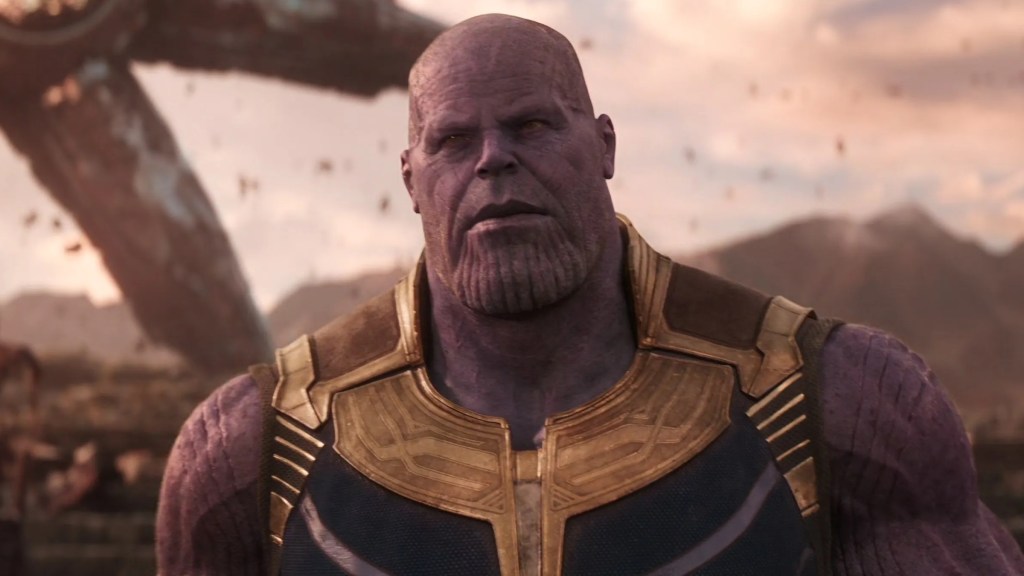
Iger’s intervention paved the way for the Russos to do Captain America: Civil War, and given its massive box office success, it proved to be a good investment move for Disney and Marvel Studios. The threequel reportedly cost $250 million to make and ended up earning $1.155 billion at the box office. Aside from being a critical smash hit for the MCU, it also functioned as the perfect set-up for what was to come in the final stretch of the Infinity Saga. It introduced Chadwick Boseman as Black Panther and Tom Holland as Spider-Man — both heroes playing vital roles in the next two Avengers films. In terms of narrative, Stark and Steve Rogers’ falling out allowed for Thanos’ attack and eventual win in Avengers: Infinity War.
Had Feige left and Perlmutter gotten his way, the changes to Captain America: Civil War would have had a ripple effect on the rest of the Infinity Saga. A more contained threequel for the original Star-Spangled Avenger, which could have been the teased Serpent Society, would have done little to setting up the eventual culmination of the MCU’s first chapter. Avengers: Infinity War and Avengers: Endgame may have been totally different, as well. It’s a frustrating thought to even consider that instead of a cinematic triumph, MCU’s Infinity Saga delivered an unsatisfying end.
These don’t even factor in the PR crisis and talent snafu that Feige leaving MCU would have entailed. Disney had to deal with something similar when James Gunn was abruptly fired from Guardians of the Galaxy Vol. 3. That resulted in a massive fiasco, and in the end, the House of Mouse backtracked on their decision. Given how synonynmous Feige already was with the Marvel Cinematic Universe, it’s safe to say that the chaos would have been much bigger. Luckily, the issue was averted right on time.
What do you think? Leave a comment below and join the conversation now in the ComicBook Forum!
Most Viewed
-

Image Courtesy of Netflix -

Image Courtesy of Ufotable