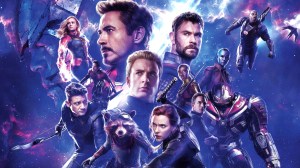
In the past few days, everyone online has been talking about Netflix‘s move to acquire Warner Bros. film and TV studios, along with HBO Max. And all the buzz makes total sense, because we’re not talking about just another Hollywood deal here. This is a seismic shift that’s only just beginning, and it’s set to shake the industry to its core in the coming years. So far, Netflix has grown by ignoring cinema as it truly exists, and while it’s one of the most popular platforms (maybe even the most popular), everyone knows cinema has never been about art or a collective experience for them — it’s all about metrics: how many people watched, how long they stayed on screen, and how many kept their subscriptions afterward.
Videos by ComicBook.com
Now imagine that same approach applied to heavyweight franchises like Harry Potter, The Lord of the Rings, The Matrix, Dune, or the DC Universe. The company will have to deal with something it’s never wanted: real theatrical releases. And that’s where the real problem starts. What we’re witnessing is the beginning of a breakdown in the film (and TV) industry.
Netflix’s Strategy with Warner Bros. Movies Could Harm the Film Industry

Let’s remember that this year, Warner Bros. had the best year in the film industry, surpassing $4 billion in global box office with movies like Superman, Weapons, Sinners, F1, and The Minecraft Movie. Netflix, on the other hand, has done some theatrical releases in the past, but always in a very strategic and limited way. The Irishman, Marriage Story, and Don’t Look Up had short theater runs, but the goal was always to push audiences quickly to the platform. A more recent example is Guillermo del Toro’s Frankenstein. The film, originally meant to be released only on Netflix, ended up in theaters for three weeks before hitting the service (and that was only due to public pressure and the director’s insistence).
So this is Netflix’s way of saying, “Yes, we do theatrical releases,” to appease everyone that needs appeasing. But in reality, for them, these movies are more marketing tools and prestige projects than actual cinema.
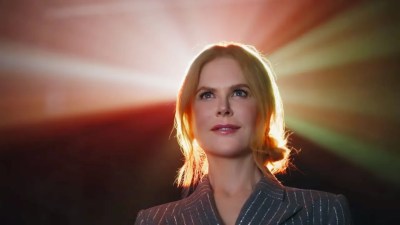
And sure, giving them as much benefit of the doubt as possible, this can work for indie or arthouse films, but what about massive franchises with years of cinematic and cultural history? DCU productions or the upcoming Dune film, and even franchises held under divisions such as the LOTR films, weren’t made to be watched on a phone or computer. They were built for theaters — for scale, immersion, and the collective impact only a big screen can provide. Cinematography, VFX, editing, and even storytelling are designed to hit harder in a controlled environment, with booming sound and audiences reacting together. Losing that context dilutes tension, emotional impact, and transforms big stories into just another streaming content, stripped of the grandeur that earned critical and fan acclaim.
Can you imagine watching Dune, Superman, or Sinners without the scale that made audiences and critics gush? You can’t replicate that at home on a smaller screen. If Netflix applies the same logic as with Frankenstein, we’ll get releases that should be epic, but with empty theaters and audiences consuming everything in the most convenient way possible. Cinema becomes numbers, not experience.
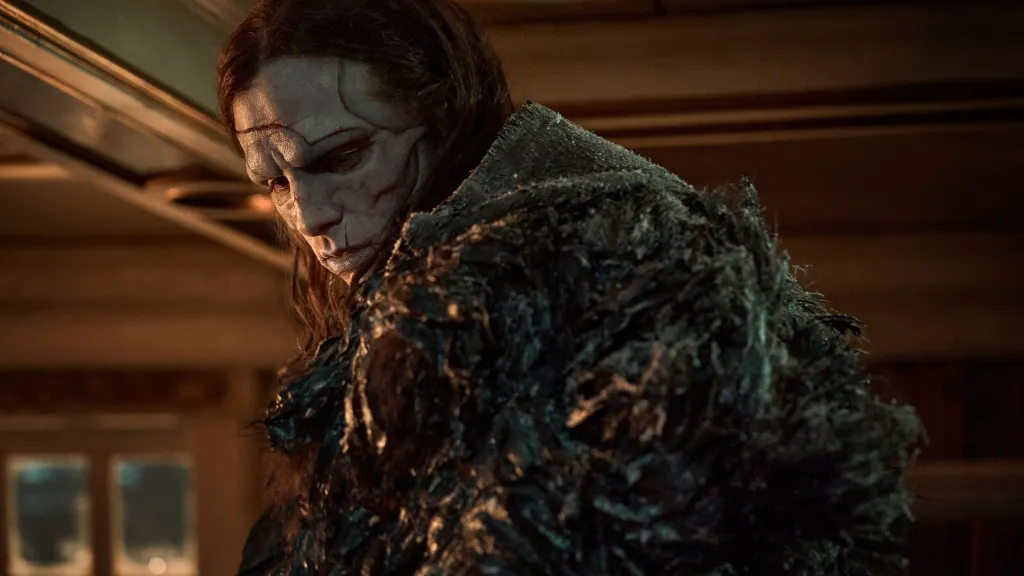
And it doesn’t stop there: Netflix’s power moving forward is insane. Controlling a studio, a catalog, and a streaming platform at the same time means the company decides what matters, what gets funding, and how audiences consume content. With this deal, Netflix becomes even more dominant: before, it controlled everything within its own walls; now it controls everything inside its house and inside Warner Bros. Consequently, it has direct influence over the traditional Hollywood chain: distribution, festivals, awards, and even independent theaters. Making an analogy, it’s like someone who’s always lived off fast food suddenly buying a century-old restaurant that feeds an entire city.
With all the tech advancements, we see this in other industries, but with film, it’s massive. Cinema has never been just entertainment. It’s culture, tradition, and experience; it shapes storytelling, influences generations, and creates references. Reducing everything to metrics doesn’t just change how movies are made — it threatens the essence of the industry itself. Ironically, it’s a step backward, undermining a system that has supported art, narrative, and community for over a century, turning it into a purely digital product.
Netflix’s Acquisition Risks Homogenization and Kills Originality

Co-CEO Ted Sarandos spoke out, saying there’s no opposition to theatrical releases and that the company plans to support the studio’s traditional cycle (releasing in theaters before streaming). However, referencing what happened with Frankenstein, he made it clear that Netflix doesn’t believe in long exclusive windows — the traditional time a film spends solely in theaters might be shortened. Why? Because from Netflix’s perspective, extending theatrical exclusivity delays immediate streaming binge and slows down the collection of fast audience data. To them, watching a 2-hour-and-40-minute film like Dune: Part Two is basically the same as watching a series or reality show for the same amount of time. It doesn’t matter what you’re watching; there’s no difference.
Netflix thinks many franchises can generate enough hype with a short theater run. But that also completely ignores the power of word-of-mouth, which is a classic and extremely effective way to build an audience. When a movie stays in theaters long enough, audiences start talking, recommending, and creating organic buzz, which naturally brings more people to watch. Shortening the window sacrifices this mechanism. And cinemas rely on strong box office numbers, so if Warner’s upcoming films are released under Netflix’s short-window strategy, many theaters will suffer: smaller audiences mean lower revenue, which could risk closures.
Netflix needs to give films real theatrical space. For blockbusters and franchises, a meaningful exclusive theater window long enough to build box office momentum and earn solid critical attention is essential before the move to streaming. There’s no need to return to traditional 90-day windows; it’s about balance: let audiences experience movies in theaters, spread word-of-mouth, and still maintain Netflix’s streaming strategy. This window creates real impact.

At first glance, this whole situation might seem like a win for audiences: more franchises on streaming means more choice. But in the long run, it destroys diversity and reduces creative risk in Hollywood, and with less risk, everyone keeps getting similar products. This sparks new complaints, as audiences already criticize the abundance of remakes, reboots, and sequels, and the lack of original stories. And this saturation isn’t a coincidence; it’s a symptom of an industry in crisis, and Netflix entering the mix will likely worsen this trend, accelerating a focus on commercial safety and streaming metrics over bold creativity. What seems like a convenience with everything at your fingertips is actually the opposite: content homogenization and industry impoverishment.
The conclusion is: if Netflix doesn’t change its mindset, the impact will be massive. Cinema will keep losing ground, and eventually, everyone will revolt. Risky projects will vanish, and originality, already scarce, will become even rarer. Films will be made for numbers, not for experience or cultural impact, and the industry will bend to the algorithm, not creativity. In short, what happened is that cinema just struck a deal with its own worst enemy.
What do you think? Leave a comment below and join the conversation now in the ComicBook Forum!
More Movies
-

Image Courtesy of Sony Pictures Releasing -

Courtesy of 20th Century Studios