The sci-fi genre is one of the most consistently popular in modern cinema and has enjoyed a rich and storied history. The nature of sci-fi allows for hugely imaginative stories, making use of tropes that are outlandishly speculative or others that sit far closer to home. As well as to entertain, the main intent of sci-fi movies is to provoke thought, usually about topics such as society, humanity, and morality. The best sci-fi movies do exactly that, weaving stories that evoke powerful ideas through rich narratives layered with meaning, inspiring feelings such as existential dread, universal insignificance, and sometimes even tentative hope for the future.
Videos by ComicBook.com
As with any genre, sci-fi movies have delivered their share of happy endings, but they don’t come along too often. In fact, many entries into the genre, especially those movies that mix scarier ideas with their sci-fi, instead give audiences horror movie endings to their science fiction stories. With that in mind, here are five sci-fi movies with incredibly dark endings.

5) Annihilation (2018)
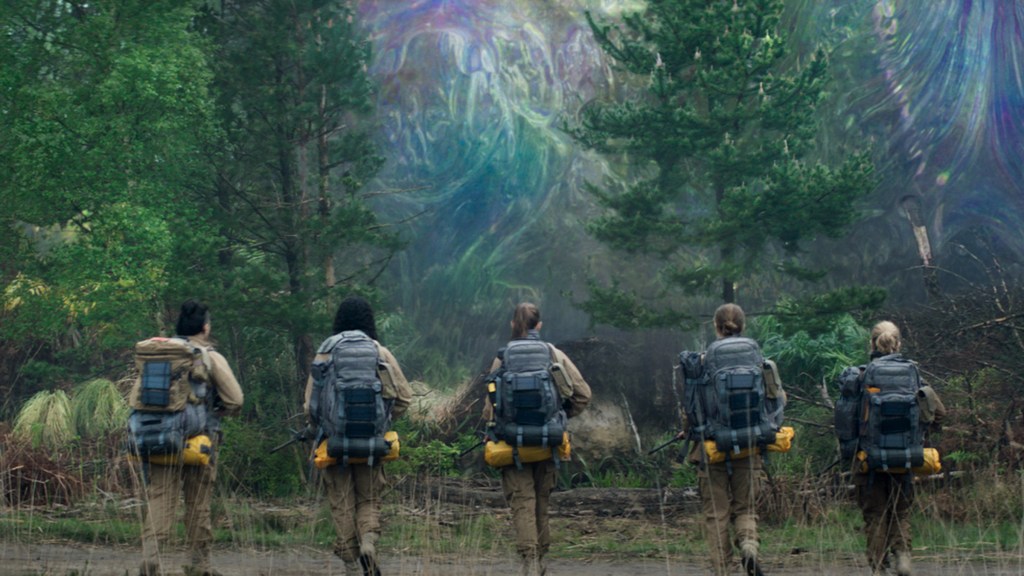
2018’s Annihilation is hailed as one of the best sci-fi movies of the 2010s, and for good reason. Based on the novel of the same name by Jeff VanderMeer, it follows a team of female scientists who enter an extraterrestrial quarantine zone in search of the missing male squad sent in before them. It’s a story that puts a body-horror twist on cosmic sci-fi, and is as well-written as it is visually striking.
Annihilation‘s ending is also incredibly dark, though it is relatively subtle. The movie’s mind-bending final scenes involve alien doppelgangers replicating the humans who entered the Shimmer, including a showdown between Natalie Portman’s protagonist and her own counterpart. The movie’s final reveal that both survivors of the Shimmer were, in fact, doppelgangers lays the foundation for the Shimmer to continue spreading across the Earth until all of humanity is wiped out.
4) A Clockwork Orange (1971)
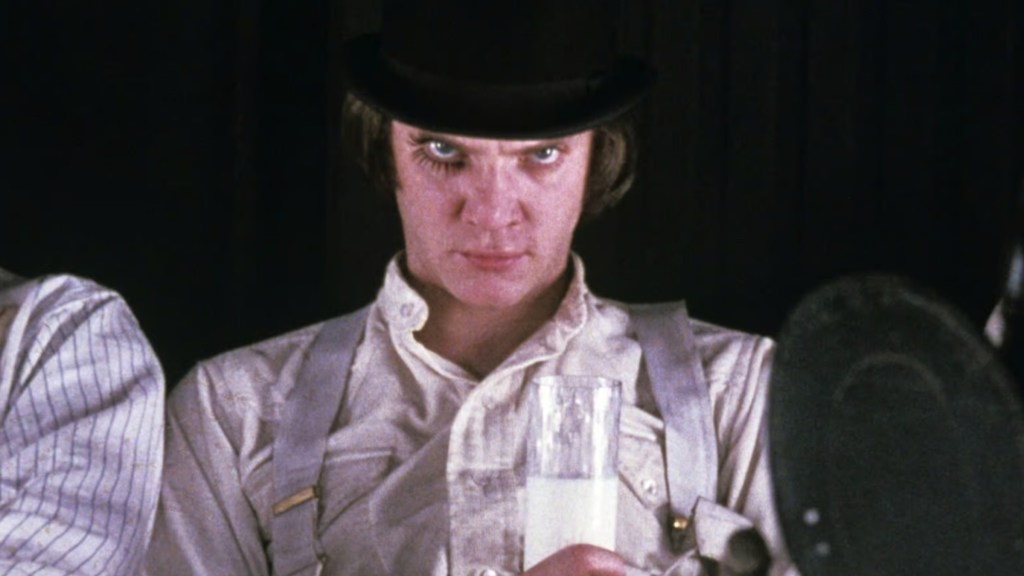
Stanley Kubrick’s A Clockwork Orange is remembered as a ’70s sci-fi movie ahead of its time. The 1971 adaptation of Anthony Burgess’ novel of the same name was hugely controversial upon release, and became infamous for its scenes of brutal violence. It follows Alex DeLarge, a criminal in a future society plagued by acts of ultra-violence, who is forced to undergo experimental rehabilitation in the form of psychological reconditioning.
After having established Alex as a depraved and dangerous individual, the movie depicts the barbaric procedure he is forced to endure. His reconditioning appears to have been successful, and he is shown living a more normal, less destructive life. That is, until the movie’s ending, where Alex reveals that the treatment didn’t really work at all, suggesting that there truly is no hope for his future, or that of everyone else in A Clockwork Orange‘s dystopian society.
3) Invasion of the Body Snatchers (1978)

There have been several versions of Invasion of the Body Snatchers, but the best of them is the 1978 movie. Starring Donald Sutherland and featuring Jeff Goldblum and Leonard Nimoy, Invasion of the Body Snatchers involves the appearance of a parasitic alien race on Earth capable of physically replicating humans, making doppelgangers devoid of any humanity. It’s one of the most famous sci-fi movies of all time, and has been entertaining and terrifying audiences for generations.
Invasion of the Body Snatchers boasts one of the best sci-fi movie twists of all time. In its final moments, it is revealed that the protagonist, who seemed to have survived the alien threat, has instead been replaced by a doppelganger. The final chilling reveal is one that contributes to a dark ending that spells the impending end of humanity in the movie, delivering one final blow of hopelessness to its audience.
2) 12 Monkeys (1995)
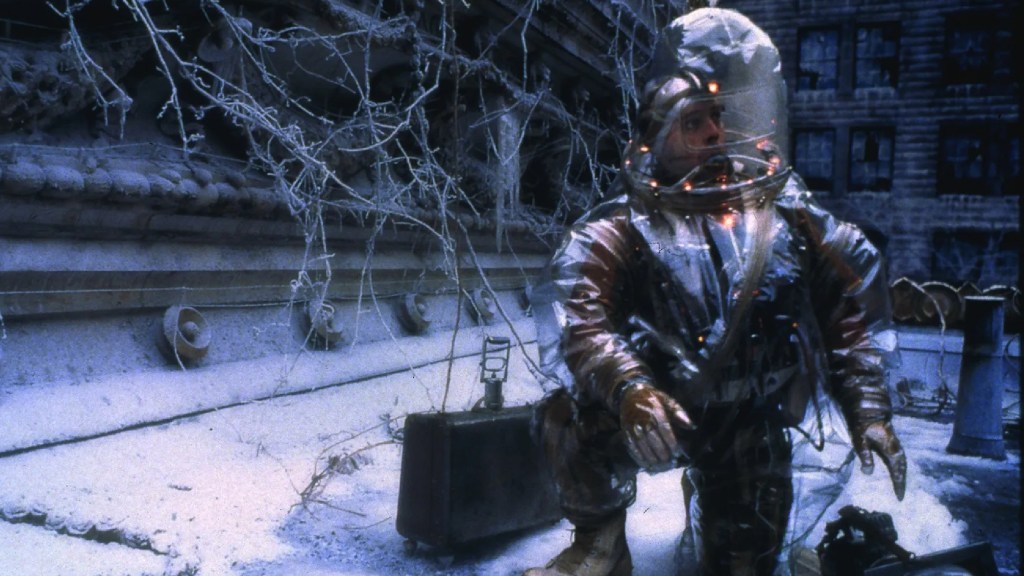
12 Monkeys is a truly great time travel movie nobody talks about enough. It stars Bruce Willis as a convict from a future in which Earth has been ravaged by a deadly virus who is sent back in time to prevent its release. Traveling to the 1990s, the decade of his own childhood, he explores the world he hardly remembers, desperately trying to locate and prevent the cause of the virus.
12 Monkeys‘ ending sees the protagonist learn that he is trapped in a causality loop and is therefore unable to stop the virus. After believing he could change the past, it’s a tragic end that sees him die in front of his childhood self, becoming the figure that haunts his dreams for the rest of his life. In addition, the virus is released anyway, making it seem impossible that the apocalyptic future will ever be prevented.
1) Event Horizon (1997)
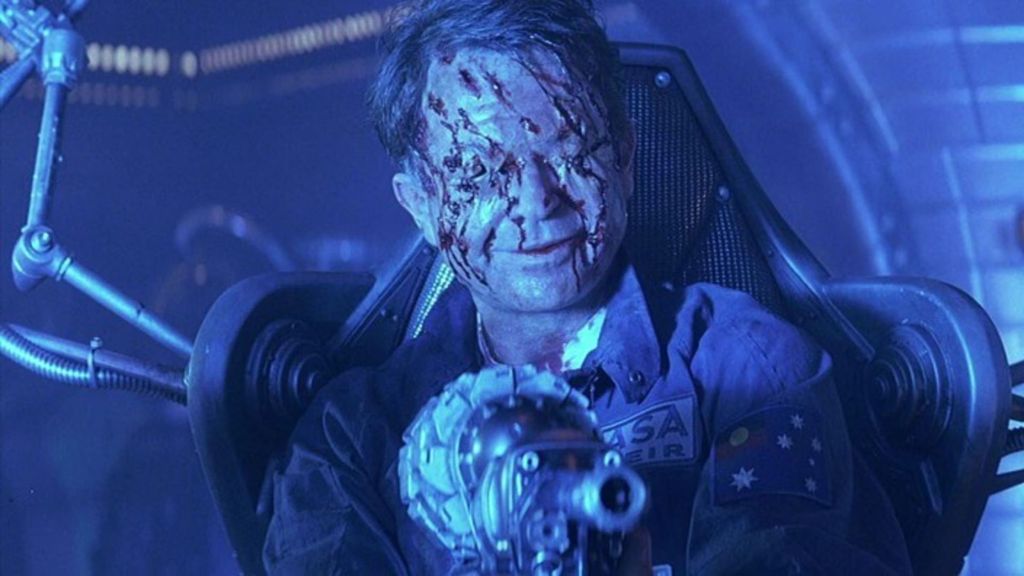
Remembered as one of the most terrifying sci-fi movies of all time, Event Horizon is an unforgettable tale of cosmic horror. Following a rescue crew sent to the titular ship, only to find that its experimental gravity drive has actually allowed a malevolent entity to find its way to their reality, Event Horizon‘s horrifying premise is deeply disturbing. However, the film’s ending is perhaps its darkest moment of all.
After seemingly defeating the entity that had possessed Sam Neill’s Dr. Weir, the surviving crew members are rescued. However, the final reveal that the entity may well have survived after all is incredibly dark. While it’s somewhat ambiguous, it implies that all is not well and that the entity will continue to prey on humanity long after the credits roll. In terms of sci-fi movie endings, Event Horizon‘s is about as dark as they come.
What do you think? Leave a comment below and join the conversation now in the ComicBook Forum!
Most Viewed
-

Image Courtesy of ABC -

A screenshot from Fatal Fury: King of Fighters, showing a match.