The Marvel Cinematic Universe turns 18 years old in 2026, and its output across that span has made it the largest franchise experiment in Hollywood history. That run has produced some genuinely formidable antagonists. For instance, Thanos (Josh Brolin) spent a decade being methodically built across multiple films before Avengers: Infinity War delivered one of the most devastating villain victories the genre has ever staged. In addition, Helmut Zemo (Daniel Brühl) dismantled the Avengers from the inside without a single superpower. Plus, Ultron (James Spader) is currently being resurrected in VisionQuest, as a series that’s expected to treat the AI’s continued existence as a major narrative thread. Finally, the incoming Avengers: Doomsday centers on Robert Downey Jr.’s Victor von Doom, whom Marvel Studios is positioning as the most complex villain the franchise has attempted.
Videos by ComicBook.com
The roster of adapted antagonists is genuinely impressive, yet it represents a fraction of the Avengers villains the comics have produced over six decades of publication. There are major antagonists whose histories are as deep and dramatically rich as anything the MCU has actually adapted, and whose deep ties to the Avengers would make them great crossover events antagonists. Some were passed over entirely. Others received poorly handled introductions that squandered their potential. With Avengers: Secret Wars structured to reset the universe in 2027, the window remains open to fix these omissions.
7) Annihilus
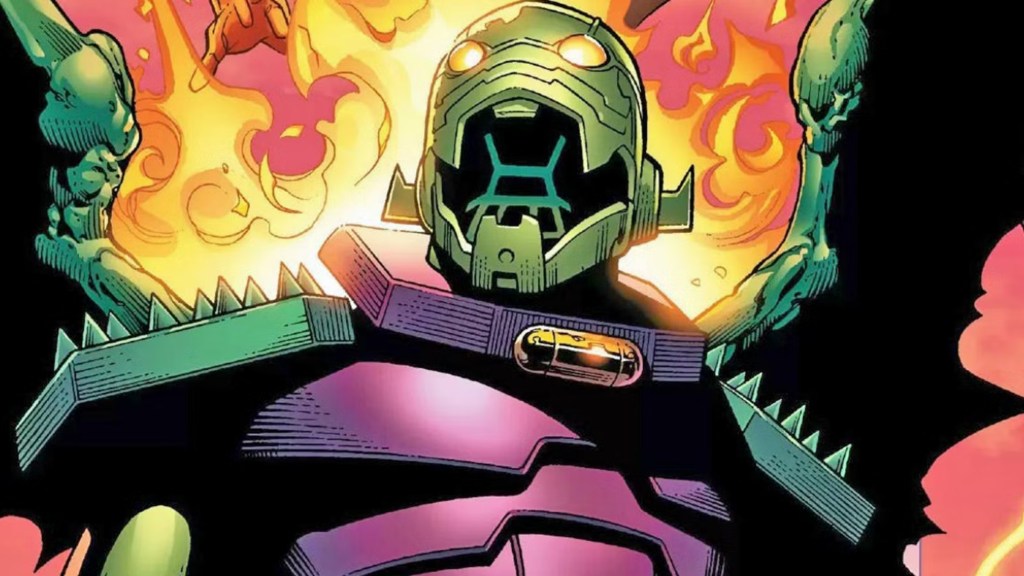
The ruler of the Negative Zone is Marvel’s oldest cosmic threat, introduced in Fantastic Four #6 in 1968, and his claim to Avengers-level relevance was established beyond debate by the 2006 Annihilation event. That storyline saw Annihilus lead an army of billions across the cosmos, destroy entire civilizations, and systematically dismantle the Nova Corps before being stopped through the combined efforts of nearly every major cosmic hero Marvel possessed. The MCU has now formally introduced the Fantastic Four through The Fantastic Four: First Steps, which means the Negative Zone is available as source material for the first time. Plus, the cinematic franchise’s consistent practice of blending cosmic and Earth-based storylines for its major crossover events makes Annihilus a logical escalation as an Avengers villain.

6) Super-Adaptoid
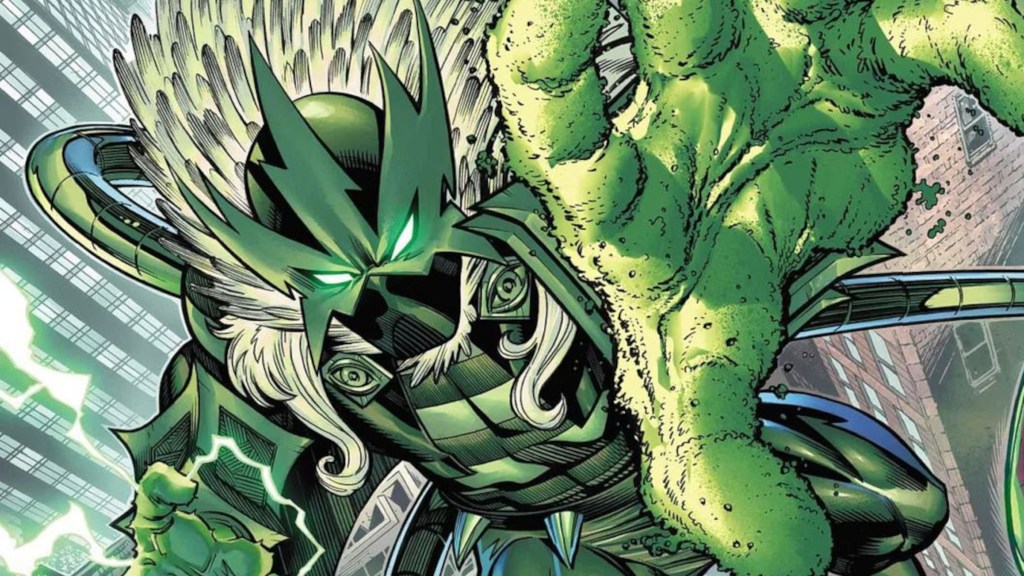
Created by the Advanced Idea Mechanics organization that the MCU established as early as Iron Man 3, the Super-Adaptoid is a synthetic being engineered with the devastating capability to replicate the powers, skills, and equipment of any hero it encounters. In the comics, a single encounter with Captain America gives it the super-soldier serum’s effects, while proximity to Thor grants it Asgardian strength. Against the Avengers, a team marked by the diversity of its individual abilities, no opponent is more threatening than one who can combine all of their strengths. The MCU’s version of AIM was largely wasted on the Extremis storyline, but the organization’s comics history runs much deeper, and the Super-Adaptoid represents its most dangerous creation.
5) Korvac
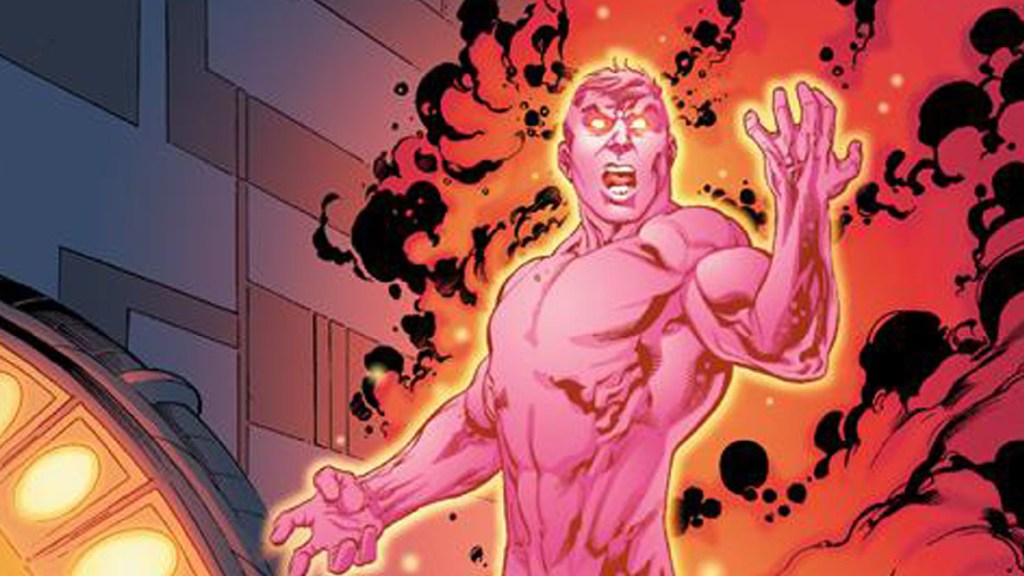
The Korvac Saga, published across Avengers and Thor issues from 1977 to 1978, remains one of the most critically respected stories in the team’s history, and its central villain has never come close to an MCU adaptation. Michael Korvac was a 31st-century computer technician who acquired the Power Cosmic from Galactus’s ship and used it to transform himself into something approaching godhood, then settled quietly in a Forest Hills home while the assembled Avengers searched the country for him. The saga’s ending follows the Avengers finding Korvac and triggering the very battle that destroys him, raising the question of whether they were actually the aggressors. With the MCU’s Phase Six exploring the consequences of cosmic-level interference, a Korvac who forces the Avengers to interrogate their own actions would be a genuinely original addition to the franchise’s villain catalogue.
5) The Beyonder
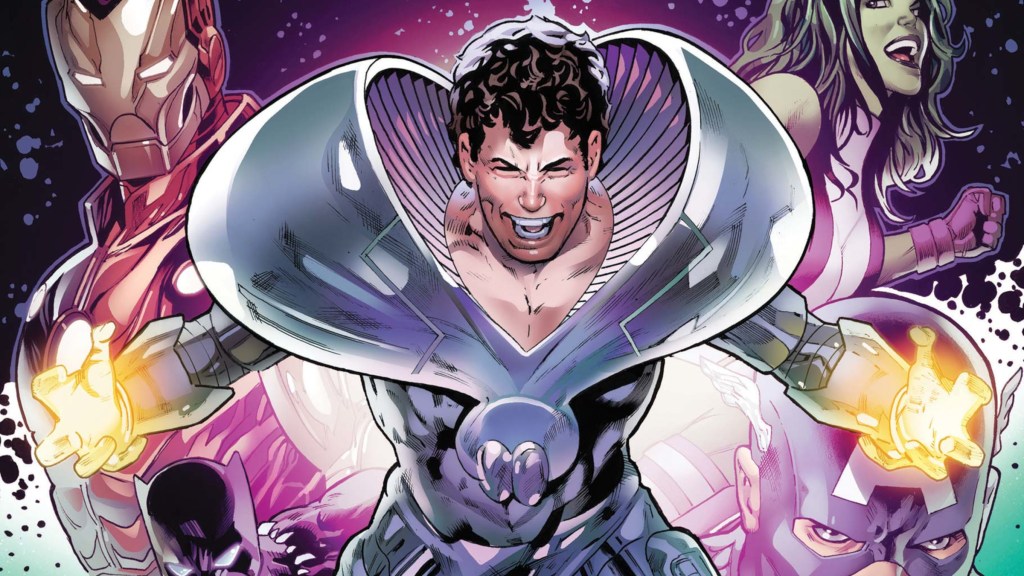
Marvel’s Secret Wars takes its name from two distinct comic book events, and the original 1984 crossover was built around one of the most powerful entities the publisher ever created. In the first storyline, The Beyonder, an omnipotent being from outside the known universe, kidnapped heroes and villains alike and deposited them on a constructed planet to observe their conflict out of pure curiosity about human nature. His sequel appearance in Secret Wars II brought him to Earth, where he attempted to understand mortality by adopting human form. The MCU’s Avengers: Secret Wars is seemingly drawing from the 2015 Jonathan Hickman event rather than the 1984 original, but the Beyonder’s fundamental appeal translates to any narrative structure. His complete absence from the MCU’s multiverse storylines is likely a conspicuous gap, given that the franchise has repeatedly reached for omnipotent cosmic figures to anchor its larger conflicts.
3) Onslaught
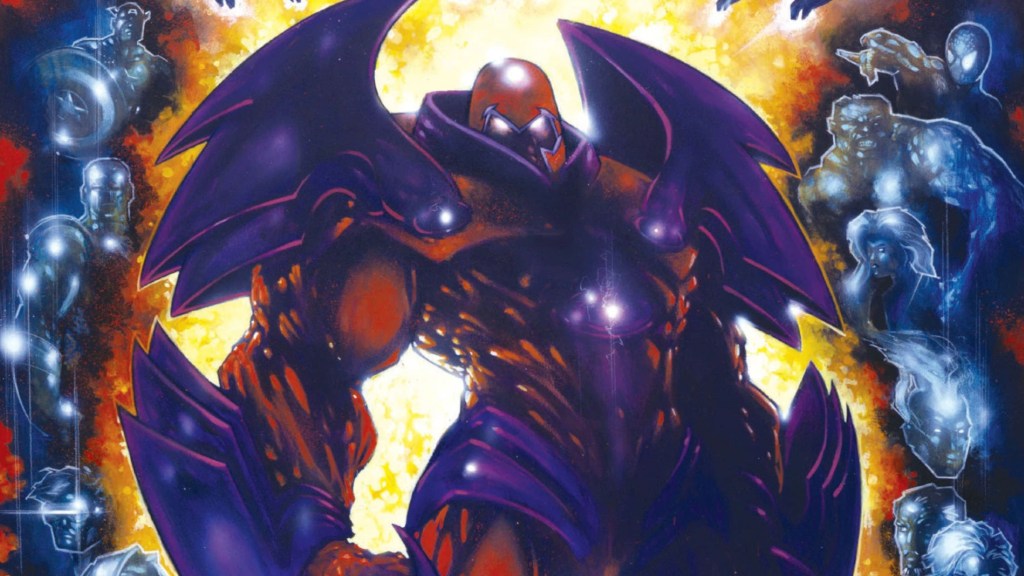
No villain on this list became viable for MCU adaptation more recently than Onslaugh, a psychic entity formed from the merged darkness of Charles Xavier and Magneto. Manifesting the repressed violence of a pacifist and the hatred of a survivor, Onslaught’s first appearance in 1996 resulted in a crossover so massive that it temporarily killed both the Avengers and the Fantastic Four, requiring Franklin Richards to reconstruct the heroes in a pocket universe. For most of the MCU’s history, Onslaught was legally unavailable because both Xavier and Magneto belonged to 20th Century Fox. However, Avengers: Doomsday confirms that the X-Men will be fully integrated into the MCU, with Patrick Stewart’s Xavier appearing alongside the Avengers and the Fantastic Four. That integration makes Onslaught not just possible but logical, a villain whose creation implicates the most respected figure in the mutant world and whose power demands a unified response.
2) Norman Osborn
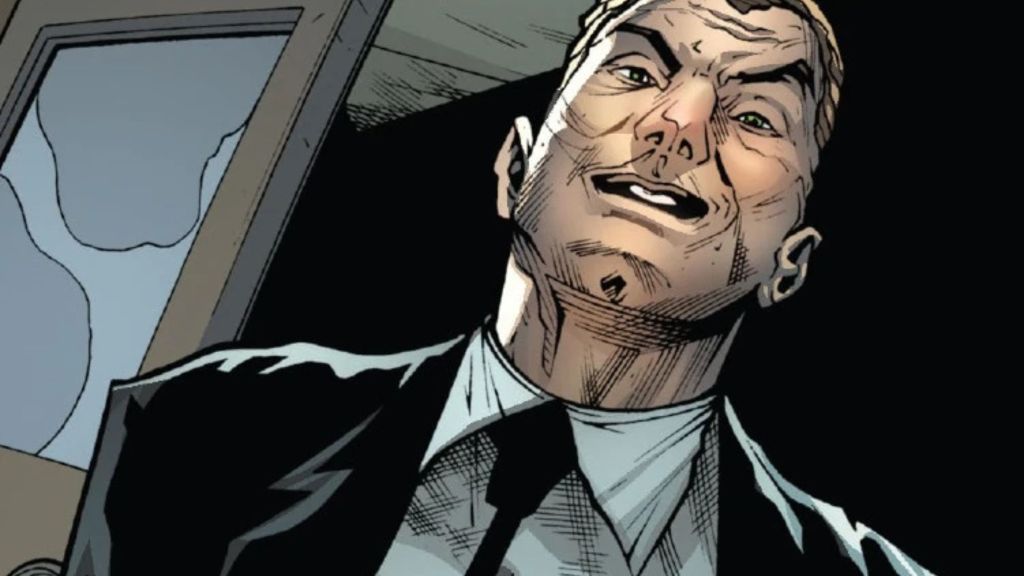
The version of Norman Osborn that matters for this conversation is not the Spider-Man villain but the post-Secret Invasion political operator who briefly became the most powerful man in the Marvel universe. Writer Brian Michael Bendis’s “Dark Reign” storyline positioned Osborn as the director of HAMMER — the government agency that replaced a discredited SHIELD — and had him assemble the Dark Avengers, a team of villains masquerading as heroes, including a Wolverine impersonator, a fake Captain Marvel, and Osborn himself in stolen Iron Man armor. The storyline ran across dozens of titles and culminated in the Siege event, where Osborn ordered an illegal assault on Asgard before being defeated. Willem Dafoe’s multiversal Osborn appeared in Spider-Man: No Way Home, but the MCU has never developed a native version of the character. Given the franchise’s current fixation on government oversight of superheroes, an MCU Osborn built around institutional corruption and manufactured heroism would be incredibly relevant.
1) Kang the Conqueror
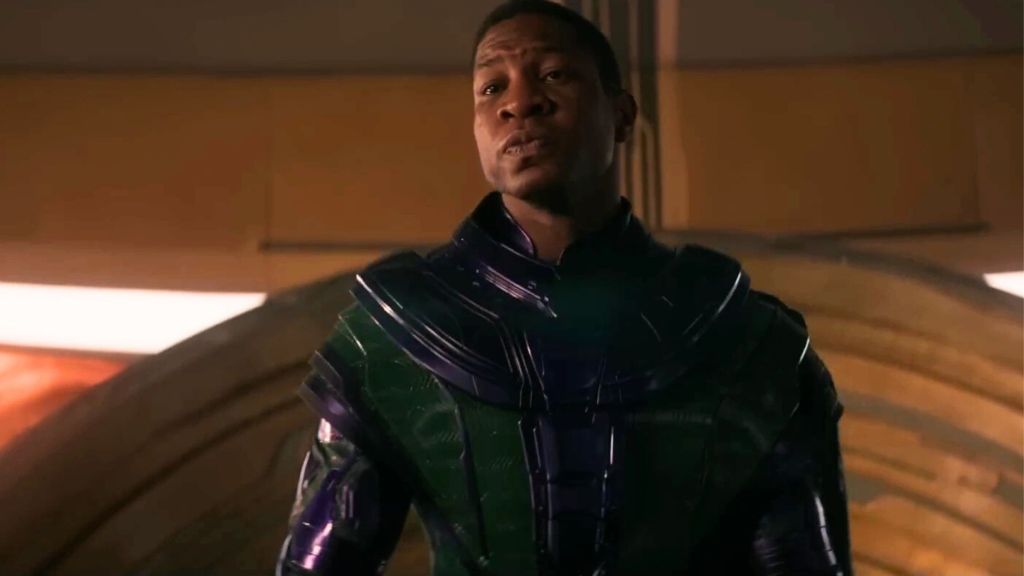
The handling of Kang represents the MCU’s most consequential dropped storyline. Jonathan Majors played the character as the enigmatic He Who Remains in Loki and as the Conqueror himself in Ant-Man and the Wasp: Quantumania, with the explicit mandate of succeeding Thanos as the franchise’s central antagonist. Then, Majors was fired following an assault conviction, Marvel pivoted to Doctor Doom for both Doomsday and Secret Wars, and one of the deepest villain mythologies in comic book history was abandoned mid-construction. In the comics, Kang is a 31st-century warlord who is simultaneously a descendant of Reed Richards, a past version of Immortus, and a man whose greatest adversaries are his own alternate selves across divergent timelines. The Conqueror’s Quantumania appearance was, by wide agreement, too small for the character’s reputation, and the abrupt pivot to Doom left that debt unpaid.
Which of these villains do you most want to see the MCU finally get right? Leave a comment below and join the conversation now in the ComicBook Forum!
More Movies
-

Image Courtesy of Lions Gate Films -
Image Courtesy of Marvel Comics