
Who doesn’t like watching a movie and feeling that rush of adrenaline and fear? For some people, those sensations are exactly what make the experience perfect. Horror is one of the oldest genres in cinema, and also one of the most flexible, capable of exploring all kinds of discomfort, scares, and unease on different levels. But it’s hard to imagine what it would look like today without a handful of films that changed the rules over time. That’s because so much of what audiences now see as normal in the genre only exists because someone chose to do things differently decades ago. These movies didn’t just impact audiences; they also influenced many filmmakers, created trends in cinema, and opened the door for bolder ways of telling stories.
Videos by ComicBook.com
That’s why we’ve put together a selection of the cult classics that, without them, horror wouldn’t be even half as exciting as it is today. There are plenty of films that had that kind of impact, but 7 of them are unforgettable and worth watching today to study and understand the genre’s history.
7) The Blair Witch Project
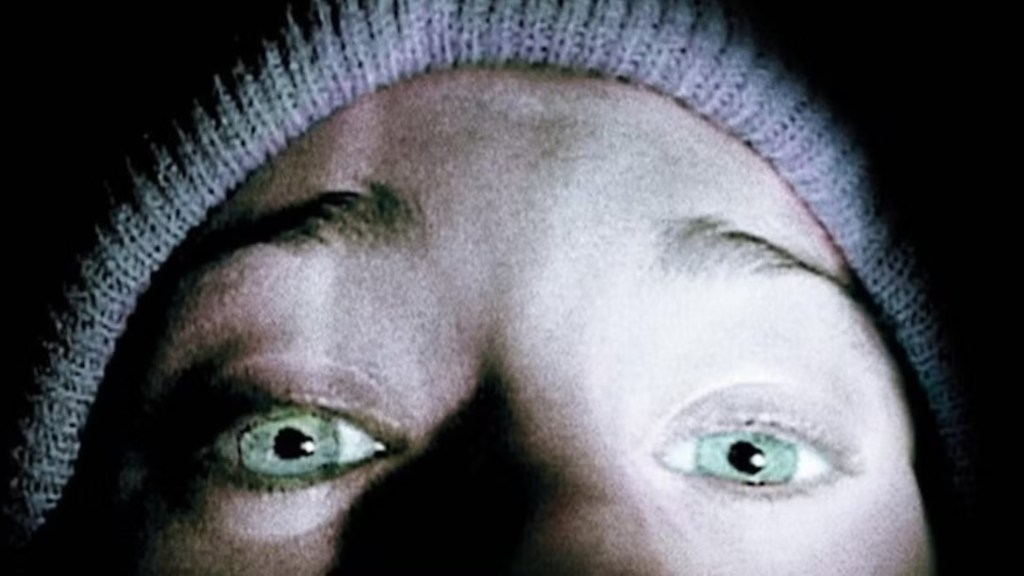
Today’s found-footage horror is a staple of the genre, and plenty of fans still love it, but The Blair Witch Project was the movie that convinced Hollywood the format could work on a massive scale (no wonder it’s getting a new reboot). The story follows three film students who disappear while investigating the legend of the Blair Witch, leaving behind only the footage from their trip. But here’s the movie’s biggest strength: it refuses to give you answers. Unlike so many horror productions, it turns that lack of explanation into its greatest asset.
Instead of showing the monster or relying on shock moments, it constantly leaves your imagination to fill in the blanks — that’s where The Blair Witch Project finds its horror. Combined with a groundbreaking marketing campaign for its time, the film made people both eager to see it and truly uneasy before they even walked into the theater. Sometimes, what you can’t see is far scarier than anything a movie could show you. That approach paved the way for an entire generation of films like Paranormal Activity, REC, and many others.
6) The Fly
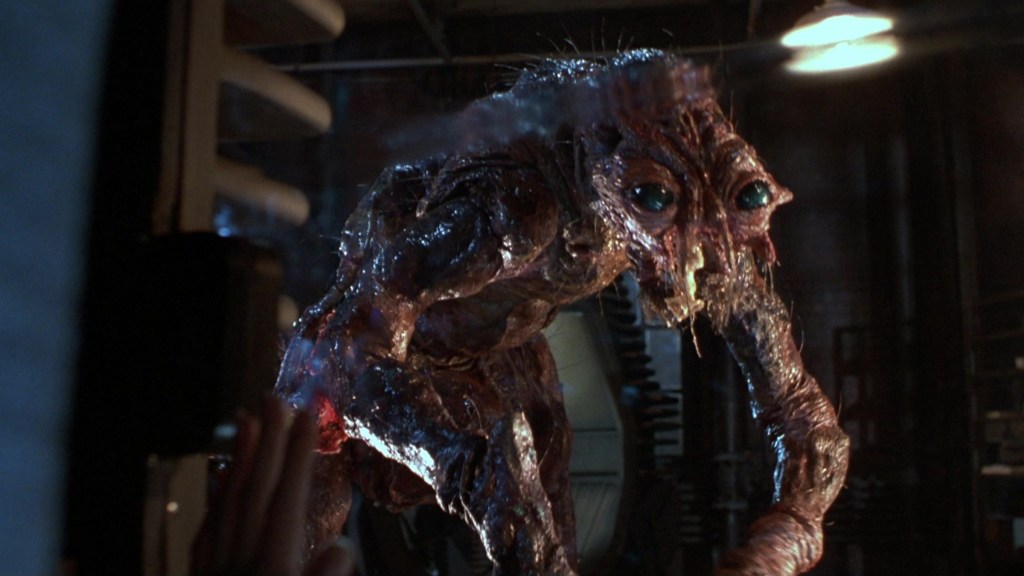
Anyone who’s been a horror fan for a while is probably familiar with The Fly. It’s best known for its grotesque practical effects, but that’s only one reason why it still holds up today. The story follows Seth Brundle (Jeff Goldblum), a brilliant scientist whose life takes a horrific turn after a teleportation experiment goes terribly wrong, triggering a devastating physical transformation. What makes the film stand out, though, is how it turns that mutation into a tragedy instead of just a spectacle. At a time when most ’80s horror was focused on giving scares, this one brought something much deeper to the table.
Every stage of Brundle’s transformation reflects his loss of identity and also explores themes like illness, aging, and the fear of your own body breaking down. So the result is a movie that’s just as emotionally devastating as it is visually horrifying. The Fly is body horror at its finest, and it’s not always an easy watch. If you enjoy modern films like The Substance, Together, or Titane, it’s because this one helped raise the bar for what the subgenre could achieve. It proved that horror could be deeply human too.
5) The Thing
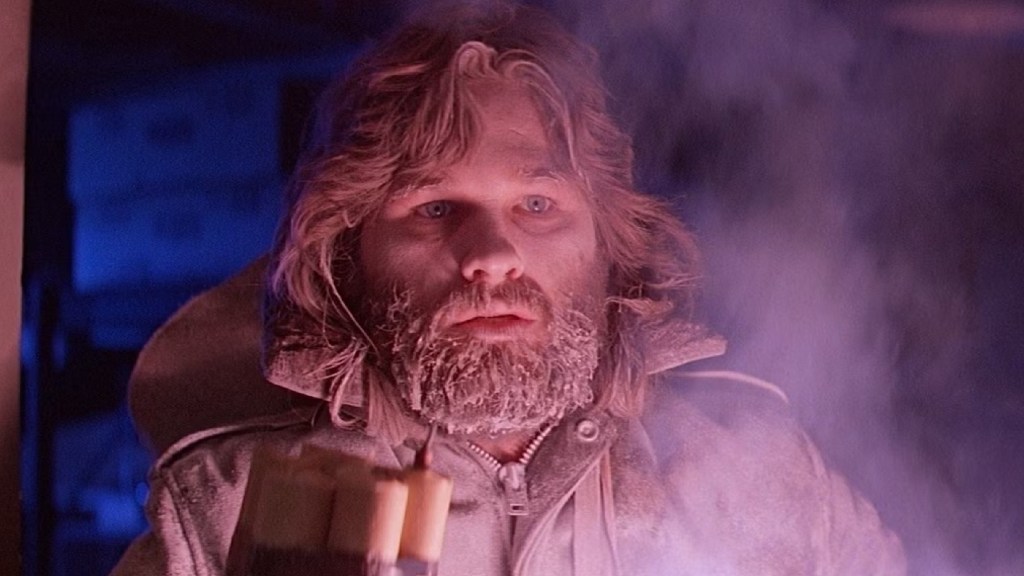
There was no way The Thing could be left off this list, considering it’s widely regarded as one of the greatest horror movies of all time. While The Blair Witch Project pushes the fear of the unknown, this film pushes paranoia. Blending horror and sci-fi, the story follows a group of researchers isolated in Antarctica who must face a creature capable of perfectly copying any living being, making it impossible to know who can be trusted. The result is nonstop tension that rarely lets up because you’re always questioning whether or not you should trust someone.
This is one of John Carpenter’s greatest achievements, and one of the biggest reasons it’s so impactful is because it doesn’t rely on the creature attacking every few minutes. Here, it’s pure suspense from beginning to end, keeping both the audience and the characters on edge the entire time. Add the practical effects (which were revolutionary at the time and still look incredible today), and you have the perfect movie for any horror fan. What’s even more interesting is that it became more influential over the years and eventually earned its cult classic status. The Thing is basically a cornerstone of psychological horror.
4) Night of the Living Dead
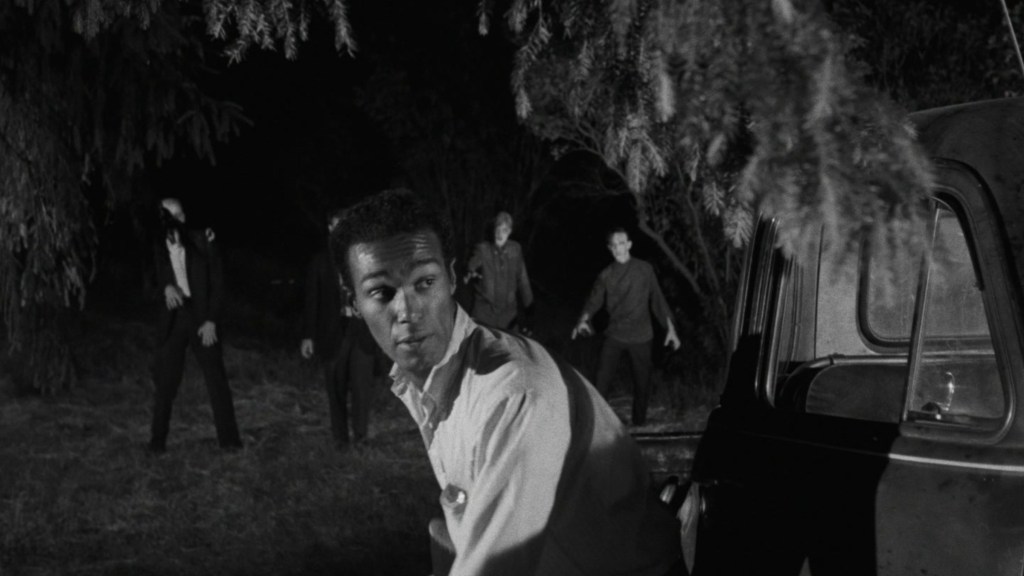
It’s hard to think of another movie that redefined a creature the way Night of the Living Dead did. Zombie movies have had their ups and downs over the years, but the subgenre still has a huge fanbase today, and that’s thanks to classics like this one. George A. Romero’s story follows a group of people trying to survive inside a farmhouse while the living dead begin taking over the area. It’s a simple premise without a lot of bells and whistles, but it became iconic because of the completely new way it portrayed zombies on screen.
The moment it was released, it established almost every trait audiences still associate with zombies today, from their violent behavior to the idea of society collapsing under the weight of an outbreak. But what makes Night of the Living Dead so remarkable is that it goes beyond that. Like other films on this list, it uses its premise to explore bigger ideas (in this case, social and political issues) without ever slowing the story down. How? The real conflict comes from the survivors’ inability to work together. It’s horror, but it’s also a tense social commentary that went on to influence productions like 28 Days Later and The Walking Dead.
3) Rosemary’s Baby

There’s almost no way you’ve never heard of Rosemary’s Baby, since it’s one of those cult classics that horror fans never stop talking about. And like many of the genre’s greatest films, it doesn’t rely on big jump scares to create an unsettling experience. The story follows Rosemary (Mia Farrow), a young pregnant woman who begins to believe there’s something deeply wrong involving her neighbors, her husband, and her unborn baby. So much of the movie revolves around one question: is she really in danger, or is everyone simply dismissing her fears?
The suffocating atmosphere is one of its greatest strengths. It’s a story about paranoia, manipulation, loss of autonomy, and gaslighting, all working together to make you feel constantly uneasy. Before long, you start questioning even the most ordinary characters. Rosemary’s Baby earned its place as a horror classic because it proves that a film can be deeply disturbing while keeping almost everything subtle. And considering it was released in the ’60s, the way it reveals the truth throughout the story still deserves nothing but praise.
2) The Exorcist
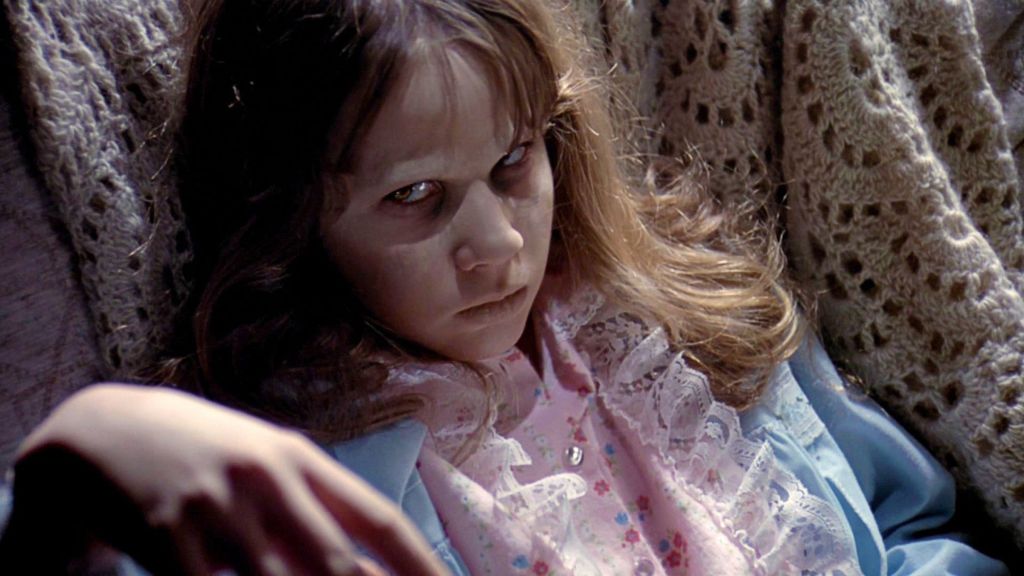
The Exorcist still scares people today. With so many exorcism movies released over the years, it’s impressive how few have managed to top this classic. The story follows a desperate mother searching for an explanation for her daughter’s increasingly disturbing behavior, until calling in two priests seems to be the only option left. But the film’s strongest point is its serious approach. It would have been easy to turn a story like this into an over-the-top supernatural spectacle, yet it was chosen to be told in a way that almost feels documentary-like.
Why does The Exorcist still hit so hard? Because everything unfolds in a way that’s designed to feel believable, making you think this is exactly how something like this would play out in real life. At the same time, it never goes overboard, striking an impressive balance throughout. It’s a masterclass in horror filmmaking, which is why it became the first horror movie ever nominated for the Academy Award for Best Picture, was a big box office success, and remains the gold standard for stories about demonic possession. Faith, guilt, suffering, and loss can be deeply terrifying themes, and this classic proved exactly that.
1) Eraserhead

David Lynch was one of the most eccentric and experimental filmmakers of all time, and Eraserhead is no exception. Even nearly fifty years later, it’s incredibly difficult to compare it to anything else. Defying almost every conventional definition of horror, the movie follows Henry Spencer (Jack Nance), an introverted man trying to cope with the arrival of a bizarre-looking baby while living in an oppressive industrial world filled with events that defy rational explanation. As a result, the experience is driven more by unsettling sounds, disturbing imagery, and pure atmosphere than by a traditional narrative.
Eraserhead is a truly one-of-a-kind work of art, with no conventional structure and no easy answers. It’s the kind of film you have to watch with an open mind, willing to see just how far strange and unsettling can go. By creating anxiety on an almost subconscious level, it paved the way for countless horror films that embraced a more abstract and auteur-driven style, from independent productions to what many now call elevated horror. Think The Lighthouse or Skinamarink — both are widely considered remarkable productions, even if they’re not for everyone, right? They owe a clear creative debt to the bold vision Lynch introduced here.
What do you think? Leave a comment below and join the conversation now in the ComicBook Forum!
More Movies
-

Image courtesy of Warner Bros. Pictures -
Image courtesy of Sony Pictures -

Image via Sony -
Image courtesy of Walt Disney Animation -
Image Courtesy of Buena Vista Pictures Distribution -

Image courtesy of Walt Disney Pictures -
Image courtesy of Sony Pictures

