Hogsmeade captures the charm of the wizarding world, yet its deeper logic never holds together when you think about it seriously. The village exists as a kind of magical fantasy bubble, suspended in convenience rather than built on believable detail. So much about the way it functions — from its inhabitants to its role in the wider wizarding society — feels too idealized to make sense within the logic of the world around it.
Videos by ComicBook.com
It’s portrayed as quaint, yet it operates without any clear structure of governance or economy that would make its existence stable. The village’s charm depends on turning a blind eye to inconsistencies that would otherwise make it collapse under scrutiny.

5. The Lack of Security After the War
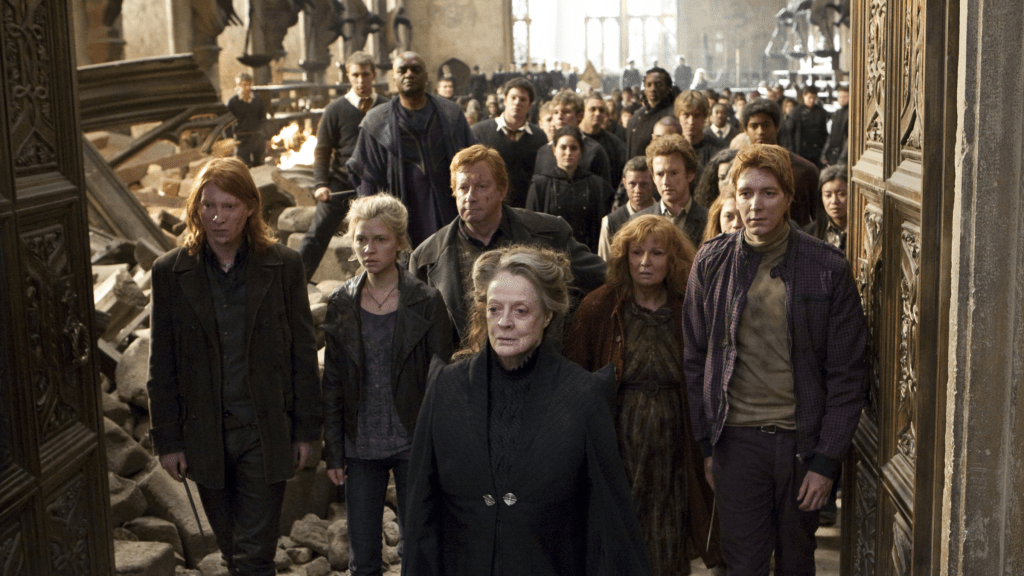
After the Battle of Hogwarts, one would expect Hogsmeade to be heavily monitored, given how easily Death Eaters infiltrated the area during the war. Yet, in later accounts, the village functions much as it did before — a cozy haven of butterbeer and jokes, with little indication of real structural changes to ensure safety. Wizards suffered mass casualties only months earlier, yet no defensive wards, Auror checkpoints, or curfews appear in place.
This relaxed attitude feels inconsistent with the trauma the wizarding world endured. A society that lived under Voldemort’s terror would hardly treat magical safety so lightly. Even if peace returned, common sense dictates lasting vigilance. Hogsmeade’s complacency reflects either collective denial or narrative convenience — either way, it undermines the believable aftermath of a war-torn magical community.
4. No Apparition Allowed?

Students can’t Apparate in or out of Hogwarts grounds due to enchantments — fine. But why does that restriction seem to ignore Hogsmeade, a village crawling distance away? If the school and the village share such proximity and magical significance, one would expect the same protective logic to apply. Yet, professors, shopkeepers, and customers Apparate freely there, even though it poses an obvious security loophole.
During times of conflict, that should have been exploited endlessly by both sides. If Dumbledore and the Ministry prioritized safety, they surely would have connected the two locations under a unified Apparition ban. The inconsistency makes Hogsmeade oddly unprotected despite its location beside the most guarded magical building in Britain.
3. The Economics of Hogsmeade Don’t Add Up
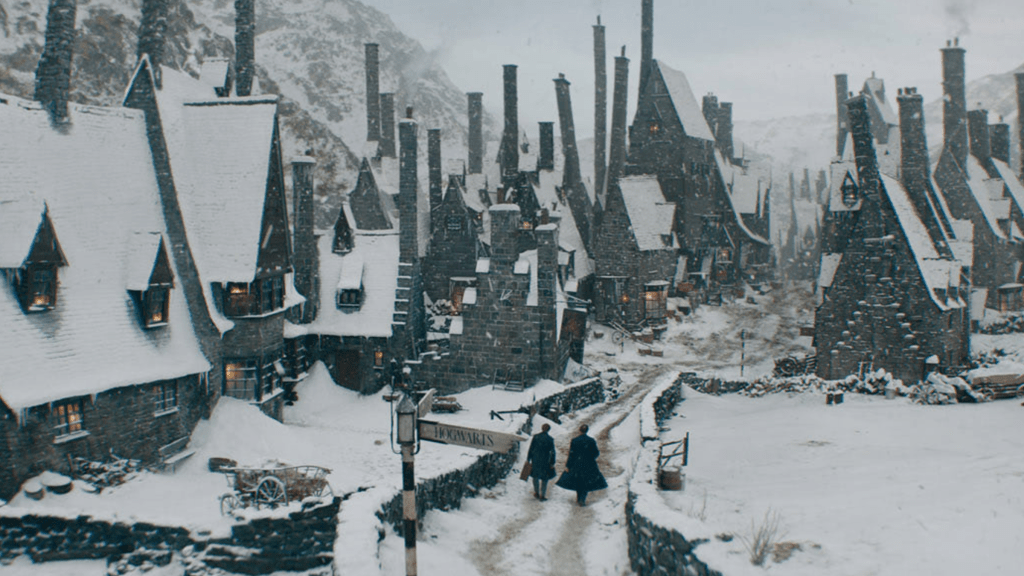
Hogsmeade supposedly thrives on student customers, but Hogwarts has only a few hundred students at most. Those few weekends a year when third-years and up visit cannot possibly sustain a full economy of inns, candy shops, tailors, tea rooms, and joke stores. Even factoring in visiting tourists, the financial model does not hold up logically.
Most of the businesses seem to rely entirely on nostalgia and school holidays. Yet nobody appears to question how Zonko’s or Honeydukes remain afloat through quiet months. The wizarding world already exhibits a strange economy, and Hogsmeade magnifies that illogic — a charming but unsustainable village existing purely for narrative convenience rather than practicality.
2. The Shrieking Shack’s Continued Mystery
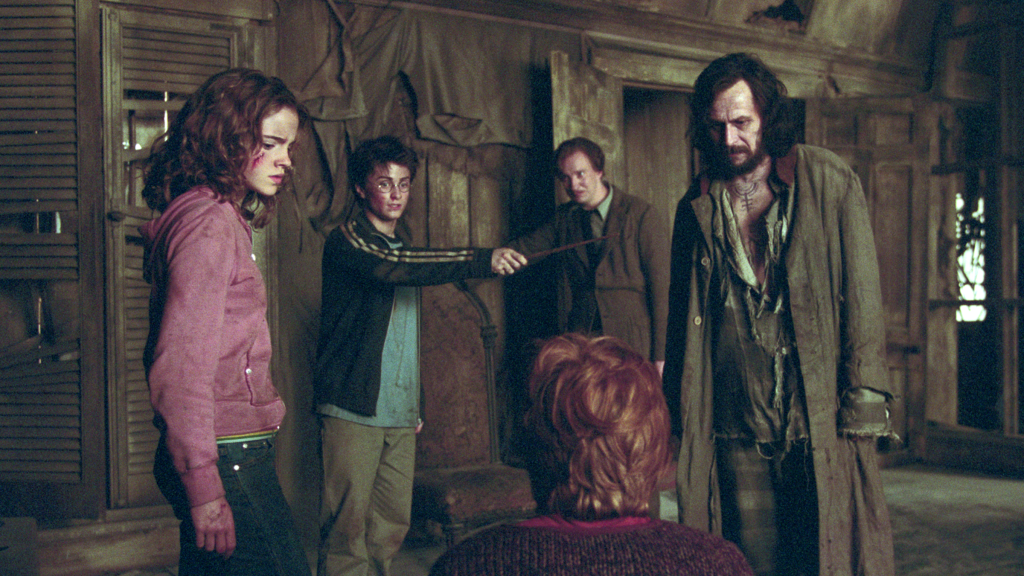
Everyone learns the truth behind the Shrieking Shack eventually — it served as Lupin’s safe house during full moons. Once exposed, that revelation should have changed how people viewed it. The myth should have evaporated, leaving behind curiosity or even respect. Instead, the villagers bizarrely keep treating it as “Britain’s most haunted building,” long after its real purpose becomes public knowledge.
For a society so fascinated with gossip and magical history, such willful ignorance strains credibility. Wizards love sensational tales, yet not one enterprising reporter rebrands it into a historic landmark or tragic site of misunderstanding. The persistence of the ghost story just feels lazy, suggesting nobody in Hogsmeade ever updates their opinions, no matter how much truth comes out.
1. How Minors Freely Roam with Little Supervision
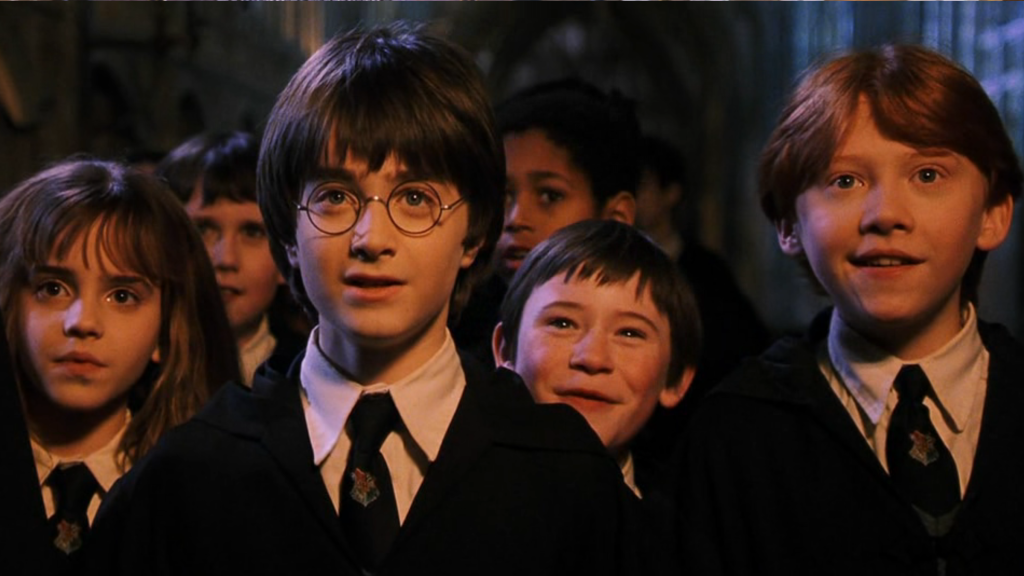
Hogsmeade weekends celebrate freedom for Hogwarts students, but the oversight feels shockingly minimal. Teenagers wander unmonitored through pubs serving drinks, interact with strangers, and explore without so much as a prefect’s glance. Hogwarts is notoriously strict about curfews and corridors, yet somehow, those same rules vanish at the village border.
This inconsistency undermines the credibility of both Hogwarts’ discipline and the wizarding world’s parental responsibility. A school that bans unapproved flights or sneaking out after dark is unlikely to sanction free-range excursions to a nearby hamlet with alcohol and mischief. The oversight might be excused as British boarding-school culture, but in magical terms, it feels absurdly negligent.
What do you think? Leave a comment below and join the conversation now in the ComicBook Forum!
Most Viewed
-

Courtesy of Sony Pictures Animation / McDonald's -

Image Courtesy of Netflix -

Images courtesy of Warner Bros. Pictures -

Courtesy of Sony Pictures Animation / McDonalds