Today, we see plenty of ambitious TV projects that are often embraced by both audiences and critics. But more than a decade ago, shows operating on that level were already being made — the difference was that the industry still didn’t quite know how to handle them. One show in particular managed to build a passionate following with a massive sci-fi concept, trying to reinvent how the genre could be told on TV. It had a global scale, multiple languages, characters scattered across the world, and a story that relied far more on emotional connection than traditional narrative structure. If people recently went wild over the sheer ambition of shows like Stranger Things, it’s because this one came first and proved that something like that was possible.
Videos by ComicBook.com
Yet it was canceled by Netflix after just two seasons, leaving everyone shocked at the time. At the same time, it almost feels like a fleeting event in hindsight, since hardly anyone talks about it today. It never received the audience it truly deserved and has since become something of a streaming cult classic. But when you stop and look at what it actually accomplished in TV history, that status becomes pretty surprising.
Sense8 Was One of TV’s First Modern Masterpieces
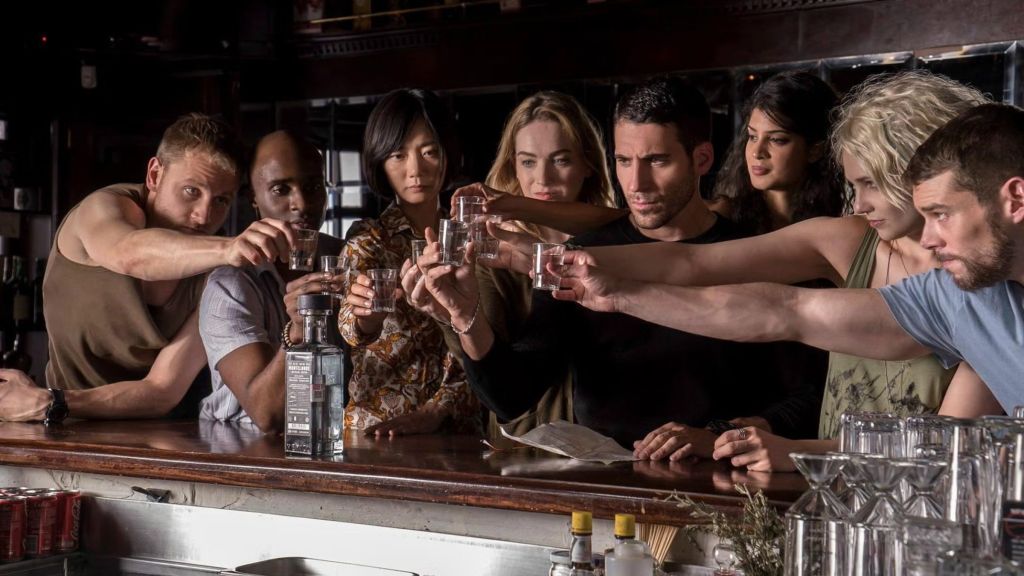
Created in 2015 by Lana Wachowski, Lilly Wachowski, and J. Michael Straczynski, Sense8 is built around an idea that sounds simple, but is remarkably complex in execution. The story follows eight very different people around the world who discover that they are mentally and emotionally connected, sharing skills, memories, and sensations as though they are part of a single distributed consciousness — and that concept becomes the foundation of the entire show. Each character continues living their own life in their own country, but they constantly cross into one another’s experiences, sometimes literally inhabiting another person’s body to solve problems, survive dangerous situations, or just be present during crucial moments.
It’s a completely original concept, and when you combine that sci-fi foundation with elements of drama and even thriller storytelling, you get something genuinely unique. And what’s even more impressive is how well the whole show’s structural ambition has aged. In today’s streaming landscape, which has become far more conservative than people realize, it’s difficult to imagine a platform greenlighting this kind of project without trying to streamline the premise, cut costs, or simplify the worldwide narrative. Sense8 refuses to do any of that; instead, it keeps the entire world inside the story, not merely as a backdrop but as an active part of the experience.
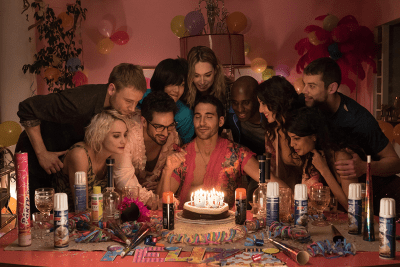
It’s also worth looking at the way the show handled representation, particularly compared to others from the 2010s. Rather than treating diversity as a separate element or a side storyline, Sense8 weaves it directly into the fabric of the story. The characters’ identities don’t exist in isolation; they shape their perspectives, their conflicts, and the way they connect with the rest of the cluster. The result is a dynamic that, while not always flawless, feels far more organic than many later series that featured diverse casts without giving those characters the same narrative importance.
Overall, Sense8 is a masterpiece not because it’s perfect, but because it accomplishes something few shows have ever managed to do: it uses a sci-fi premise to explore identity, love, belonging, and empathy in a way that just couldn’t exist in another format. You can find shows that are better written, more consistent, or more popular, but even eleven years after its debut, it’s still difficult to find another series that feels so committed to using TV as a tool to bring together people who otherwise would never share the same story. And that spirit is exactly what motivated fans to create such an enormous outcry when it was canceled.
The Show Was Canceled, and Its Buzz Disappeared With It
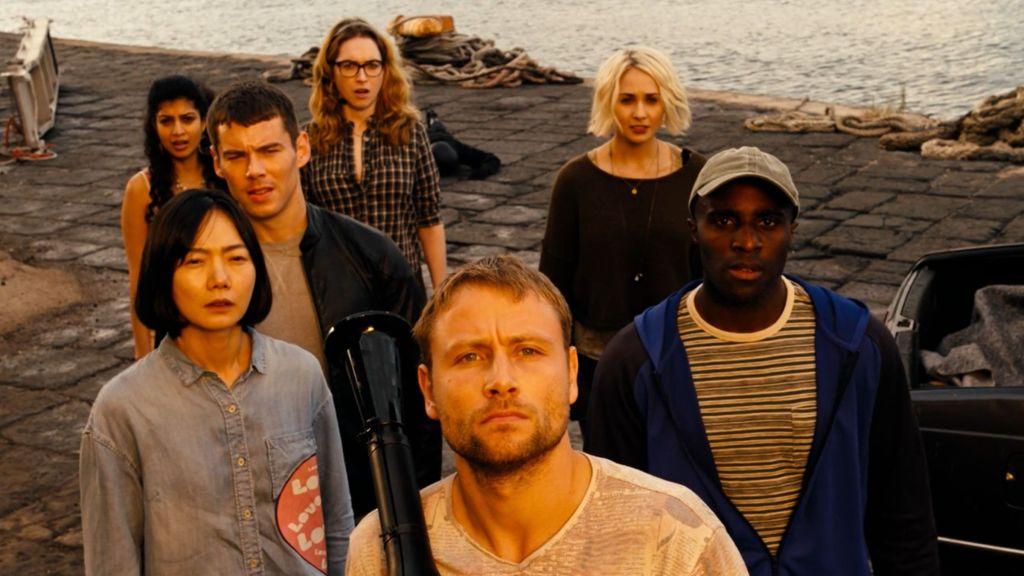
The truth is that while Sense8 never loses sight of the human impact of its characters’ connection, that originality also makes it an incredibly difficult show to execute. So this is where it started to divide both audiences and critics. From the beginning, it had no interest in being a lean, streamlined production. Many episodes slow down to explore characters within highly specific local contexts, including politics, culture, gender identity, religion, urban violence, and family relationships, before circling back to the main storyline. Ironically, even though that’s exactly the point of the show (especially considering the Wachowskis’ creative sensibilities), many viewers found it unfocused.
As a result, the audience became increasingly niche. And that brings us to the show’s biggest challenge: maintaining a project this ambitious and layered comes at a cost — not just creatively, but financially. Producing a show filmed across several countries, with a main cast spread across different continents, is neither cheap nor easy to sustain, especially for a streaming platform that was still figuring out what worked in terms of global retention at the time. That’s ultimately what led to the show’s abrupt cancellation. Combine those production costs with viewership that wasn’t large enough to justify them, and Netflix had little reason to think twice.

What makes the situation so fascinating, though, is that even if Sense8 never had a big audience, its fanbase was passionate enough to pressure the platform into producing a final special episode, “Amor Vincit Omnia.” There were petitions, worldwide campaigns, and so much activity on social media that the production broke out of its own fan bubble. Even people who never watched it probably remember the backlash surrounding its cancellation. Since then, however, much of that conversation has faded away, and today, it’s rare to see people discussing the series. It was never a mainstream hit, but given the fans’ reaction, it feels like it should have found a much bigger audience. The project carried the same kind of ambition seen in shows like Stranger Things, Dark, and even Westworld — a series that was also canceled, but tends to be remembered more often (and for far less positive reasons).
Sense8 doesn’t need to be defended as a flawless show to be recognized as one of the boldest experiments of Netflix and the streaming era. At times, it can be excessive or scattered, but it’s rarely uninteresting, and more importantly, it’s incredibly difficult to replicate within the realities of today’s TV industry. That’s why it’s still such an underrated show and one that deserves far more appreciation from audiences and sci-fi fans alike. Its cancellation didn’t erase what made it special.
What do you think of Sense8? Leave a comment below and join the conversation now in the ComicBook Forum!
More TV Shows
-

Image Courtesy of Paramount+ -

Courtesy of The Sci-Fi Channel -

Image Courtesy of Warner Bros