The CW’s Arrowverse was unlike anything in superhero television. While Marvel dominated in theaters thanks to the Marvel Cinematic Universe, DC had the corner on the small screen. Kicking off with Arrow in 2012, The CW’s interconnected universe of DC Comics-inspired television series grew to include five series over its combined 11-year run, adding The Flash in 2014, followed by Supergirl, DC’s Legends of Tomorrow, Black Lightning, and Batwoman. As the Arrowverse expanded, they capitalized with new and exciting crossover events that adapted beloved comic book stories and brought the heroes together with a common goal. But six years ago today, the most ambitious of those crossovers — and perhaps most ambitious of any DC TV event to date — came to its epic conclusion.
Videos by ComicBook.com
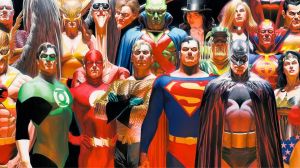
On January 12, 2026, the fifth and final episode of the Crisis on Infinite Earths crossover aired. Simply titled “Crisis on Infinite Earths: Part Five”, the episode was Legends of Tomorrow’s contribution to the event and saw the heroes dealing with the fallout of recreating the universe. The previous episode (Arrow’s contribution to the crossover) had seen the heroes make their final stand with Oliver Queen, now the Spectre, sacrificing himself a second time to reboot the multiverse. Now, in the new multiverse only the heroes remember that the Crisis ever happened or the world before the Crisis — specifically Earths merged with Earth-1. It’s a sort of core reset for the entire Arrowverse and while it was an incredible end to one of the best comic book event adaptations ever, it also pretty much ruined the Arrowverse.
Crisis on Infinite Earths Robbed Arrow of a Proper Conclusion and Left the Arrowverse Disjointed

One of the most interesting things about Crisis on Infinite Earths was its timing. Fans knew going into the crossover that Arrow was in its final season and with the timing of the final episodes of the series, they also knew that the crossover would be a key part of the end of the series. While going out saving the multiverse (literally) is a pretty epic way for a hero to go out, it also left Arrow the series in kind of a weird place. Its central character was dead which left Arrow to do an odd backdoor pilot for a spinoff series that never actually happened (Green Arrow & The Canaries), before finally ending the series entirely two weeks after Crisis.
Putting Oliver Queen’s death in Crisis made the emotional impact of things a bit lopsided and it was only made worse by the fact that, after Crisis, there was no real coherence in how the events were addressed. Superman & Lois ended up being spun out of the Crisis, with the event retconning the family that Lois and Clark had, and then ultimately the series completely disconnected itself from the Arrowverse, even going so far as to establish that the series took place on an entirely separate Earth. Black Lightning, which was brought into the Arrowverse due to Crisis, never fully integrated itself at all and basically went back to its old status quo with only very superficial references to being part of something larger. The titular hero did make an appearance on The Flash later on to reinforce that they were part of the same universe, but that was pretty much it. With everything largely going back to being separate with only surface level shifts (save for one show and we’ll get to that in a moment), it almost felt like Crisis didn’t really have a point.
The Flash Was the Only Series That Took Post-Crisis Seriously (And The Changes Were Confusing)
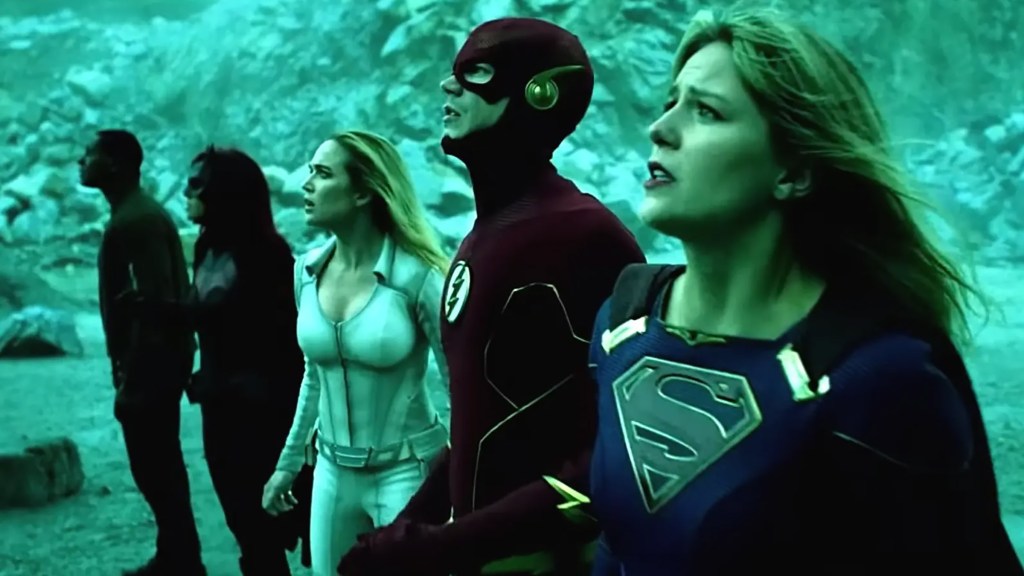
There was one Arrowverse series that took the events of Crisis to heart going forward and that was The Flash, but the fan-favorite series struggled. The Flash established just how different the post-Crisis reality was, with some characters who had previously been dead now being very much alive, different versions of both heroes and villains appearing and more, but that really only made things more complicated for viewers. This was exacerbated by the fact that, shortly after Crisis, the Arrowverse shows started winding down. Not only did the Arrow spinoff not get picked up, but Supergirl and Black Lightning both only lasted for one more season. Then Batwoman and Legends ended after that. The Flash continued for three more post-Crisis seasons but felt like a very different show.
And that was particularly disappointing because Crisis set itself up to sort of kick off a wider DC television universe. When the multiverse was reborn in the final episode of Crisis, it pulled all of DC TV into things — including Stargirl, Doom Patrol, Titans, and Swamp Thing. There was a lot of potential for the Arrowverse to connected to the new, expanded multiverse, but it never actually did. In fact, we didn’t get any connection to the recreated multiverse until The Flash’s final season — and by that time it felt like too little, too late.
Ultimately, between the lack of coherent application of the changes made in Crisis and the almost immediate ending of Arrow, everything for the Arrowverse post-Crisis just felt like a downhill slide. The Arrowverse’s Crisis was a genuinely fantastic crossover. It did a great job of adapting the iconic comic book event and gave fans a lot of very cool moments and had a lot of potential. It just unfortunately never paid off on any of it. Instead of reigniting the franchise, it felt more like turning off the lights and the Arrowverse never fully recovered.
What do you think? Leave a comment below and join the conversation now in the ComicBook Forum!
Most Viewed
-

Image Courtesy of Netflix -

Image courtesy of Netflix -

Image Courtesy of Crunchyroll