When Fox broadcast Firefly in 2002, the network failed to realize the potential of the sci-fi series, ultimately cancelling the space western after airing just 11 episodes out of the 14 it had ordered. Despite that premature termination, the story of Malcolm Reynolds (Nathan Fillion) and his crew aboard the transport ship Serenity quickly developed a massive cult following through DVD sales and word-of-mouth praise. That unprecedented audience demand pressured Universal Pictures to finance Serenity, a 2005 theatrical feature designed to wrap up the lingering storylines and provide closure for the beloved Firefly characters. Since then, the frontier universe has continued to expand through a library of canonical comic books and original novels that kept the franchise alive for over two decades. Now, the property is preparing for a return to television that presents a unique set of challenges.
Videos by ComicBook.com
Nathan Fillion recently revealed that an animated Firefly revival is officially in development, bringing back most of the original cast members to reprise their iconic roles. However, since Serenity fundamentally altered the franchise by killing off major figures like Hoban “Wash” Washburne (Alan Tudyk) and Shepherd Derrial Book (Ron Glass), this new animated season is set after the live-action show but before the movie’s events. That means the creative team must now juggle the established canon of the original television series, the dense expanded universe of comics and books, and the definitive cinematic conclusion that follows it. Even if the showrunners choose to ignore the expanded universe entirely, maintaining narrative tension when the audience already knows the ultimate fate of the crew is a formidable challenge. Still, another fan-favorite science fiction franchise already set the exact template for this specific structure.
The Firefly Revival Should Follow in the Footsteps of Star Wars: The Clone Wars

Star Wars: The Clone Wars once faced the same dilemma that the Firefly animated series is currently navigating. By positioning the animated series squarely between the cinematic events of Star Wars: Episode II – Attack of the Clones and Star Wars: Episode III – Revenge of the Sith, the creators had to construct compelling television around protagonists whose ultimate destinies were already locked into the cinematic canon. To solve this, the animation team shifted the dramatic focus away from the survival of legacy figures like Anakin Skywalker and Obi-Wan Kenobi. Instead, they created compelling new characters, most notably Ahsoka Tano, whose fates were entirely unwritten and therefore unpredictable. Plus, The Clone Wars also expanded the backstory of multiple Jedi Masters who were only background characters in the movies, while fleshing out new corners of the mythology, such as the Mandalorian and the Nightsisters.
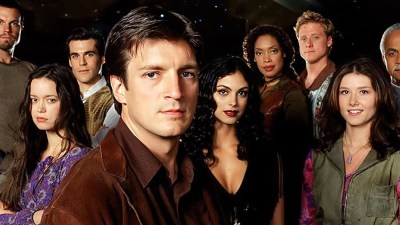
The upcoming Firefly revival must adopt this exact midquel strategy to survive its own chronological constraints. Because fans already know that Malcolm Reynolds will ultimately face the Reavers at Mr. Universe’s facility, and that Wash will tragically perish during that confrontation, the animated series cannot rely on life-or-death stakes for the core Serenity crew. Instead, the production must introduce new characters who can be put at risk or explore different corners of the expansive universe. Furthermore, the flexibility of the animated medium allows the Firefly revival to create expansive alien environments that were previously impossible to achieve on the original 2002 television budget.
Of course, the Firefly revival can’t simply copy Star Wars: The Clone Wars, as Lucasfilm had three years of empty canon to fill, while the jump from the opening of the Firefly series to Serenity is only eight months. Still, Star Wars: The Clone Wars also managed to remain relevant for seven seasons and 121 episodes because it was constantly looking at the past, with multiple episodes dedicated to explaining how beloved characters got to where they are in the movies. That’s also territory ripe for exploration, especially since so much of the Firefly universe is confined to literature that can be adapted to the screen.
You can watch all episodes of Firefly on Hulu, while Serenity is currently streaming on Prime Video. While the animated Firefly revival is in development, the project still hasn’t found a broadcast or streaming home, meaning that we don’t have a release date yet.
Do you think the animated format will finally give Firefly the multi-season run it always deserved? Leave a comment below and join the conversation now in the ComicBook Forum!
More TV Shows
-

Courtesy of 20th Television Animation