One of Stranger Things‘ biggest strengths has always been its ability to build long-form storytelling. Even though it’s far from a flawless series, it still manages to surprise by bringing back elements that went unnoticed early on and making them matter in the final season. When it comes to Will Byers (Noah Schnapp), that strength becomes even more evident, since the character is a fundamental piece of the narrative and the show simply doesn’t move forward without him. Since the beginning, the Duffer Brothers seemed to be working with a specific part of his arc that took time to really crystallize: his sexuality (not coincidentally, many fans even accused the show of queerbaiting over the years). But episode 7 of Season 5, “The Bridge,” finally puts Will in a position where he openly addresses this part of himself and comes out once and for all.
Videos by ComicBook.com
And the question that followed is whether the entire scene actually worked. For many viewers, the result was satisfying. For others, it fell short. But when you break down all its elements, you start to see a more balanced conclusion: Will’s moment has clear flaws that need to be addressed, but it’s impossible to deny that it’s special, emotional, and effective enough to finally give a voice to a character who spent far too long being defined by silence. That’s why so many people describe the scene as “perfect.” But it’s worth unpacking that a little more.
Why Will’s Coming Out Scene Works
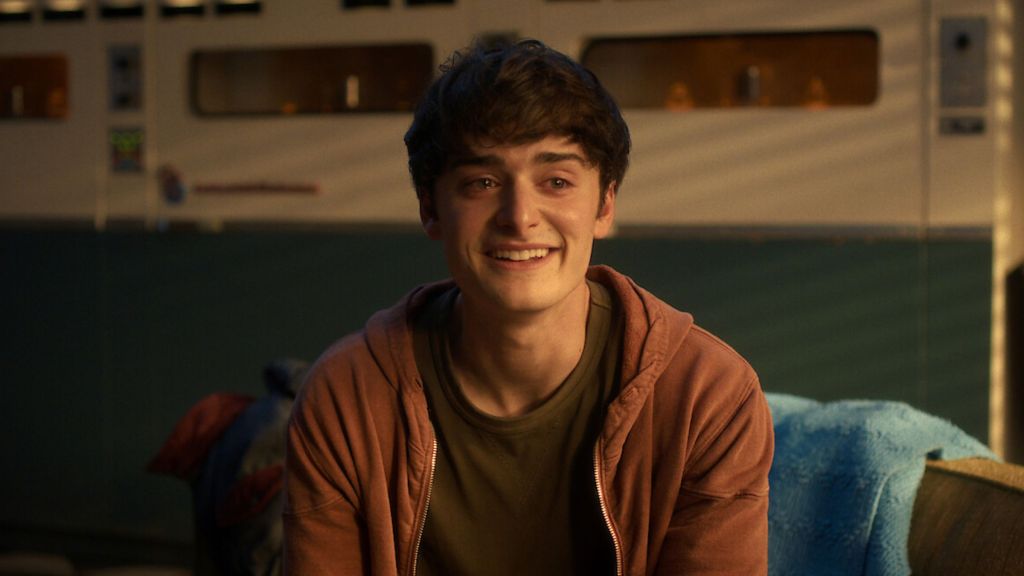
Throughout the entire series, Will has always occupied an odd position within his own group of friends. He was present, but never fully integrated in the same way as Mike (Finn Wolfhard), Lucas (Caleb McLaughlin), and Dustin (Gaten Matarazzo) were. While the others moved on to romances, crushes, and new emotional dynamics, Will always seemed stuck, unable to keep up with them (beyond, of course, his lingering connection to the Upside Down and Vecna (Jamie Campbell Bower). Little by little, the show allowed the audience to understand what was really holding him back, and by Season 4, his sexuality was already clear to the viewers.
But Season 5 is where the show finally acknowledges that this is a central part of who Will is, rather than just another byproduct of his trauma. So by putting his coming out on screen, Stranger Things turns years of silence and restrained glances into something concrete, which is, in itself, a major narrative win.
The show places the character at the center of a scene that is intimate, painful, and, above all, human. When he comes out as gay, it isn’t framed as a triumphant, heroic moment — and that works in the scene’s favor. Will struggles to find the right words, carefully choosing what to say, and makes it clear that his biggest fear is being seen differently. That’s what makes the scene so moving: it feels real, and it arrives after an arc that had gone on for far too long to remain purely subtext. It’s a payoff that lands because the audience has followed his journey closely and understands that his deepest conflict has always been internal.

Many viewers were rooting for Will to finally confront this part of himself and find the strength to speak up, while at the same time recognizing themselves in his insecurity and overwhelming fear of being judged. That duality is what makes the scene so effective. Will’s emotional experience doesn’t go unnoticed because it was built patiently, through silence and repetition. When he finally finds the courage to speak, the impact is inevitable. The emotion comes less from what he says and more from the recognition of everything he had to go through to get there, triggering a very genuine reaction: it’s moving because we’ve seen the cost of this moment.
It’s also worth noting that if the scene works as well as it does on an emotional level, a lot of that credit goes to Schnapp’s performance. The actor does everything possible to bring authenticity to the dialogue. His performance is restrained, never exaggerated, and conveys fear without needing to spell it out. Schnapp understands Will better than anyone and totally grasps what that moment represents, and that comes through in every look and pause. Even with the script’s shortcomings, he finds ways to make the scene feel genuine, with an honesty that feels rooted in personal experience and a deep understanding of what it means to reveal something so essential about yourself. That’s what keeps the moment grounded and prevents it from slipping into clichés.
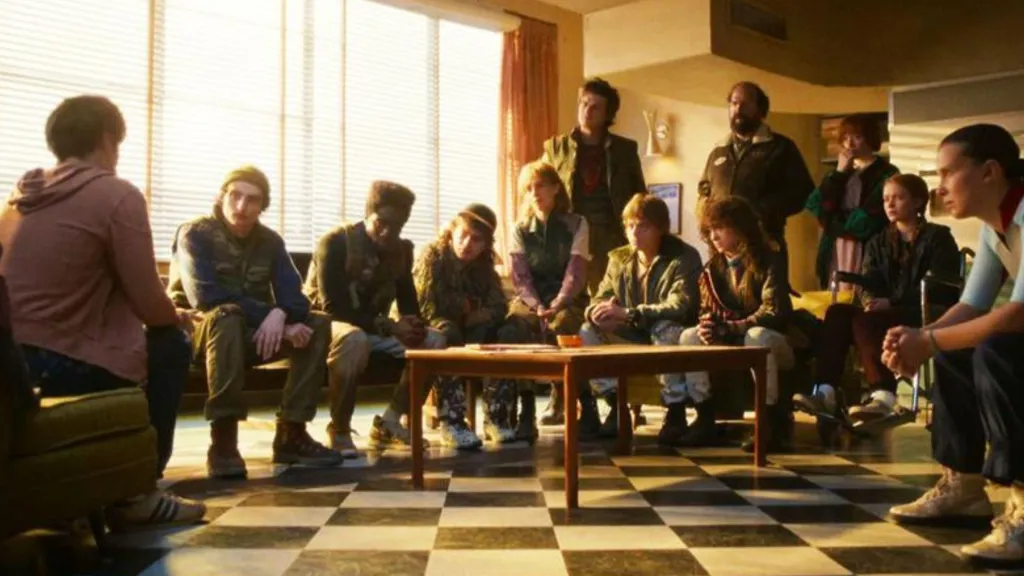
In an interview with The Wrap, the Duffer Brothers commented on the scene, explaining that they wanted it to feel meaningful, which is why it was placed in Volume 2 of the final season rather than earlier. They said the timing was carefully chosen to fit Will’s emotional arc and to ensure the moment was treated with respect. “We were really nervous to send it to Noah, because the goal of the scene was to do right by Will, of course, but also to do right by Noah. The minute he read it and responded to it, we just felt a wave of relief,” Ross Duffer said. The scene was sent to Schnapp months before the rest of the scripts, and the actor revealed that he cried when he read it and didn’t want to suggest any changes, believing the scene was perfect — especially because he saw similarities between Will’s experience and his own.
On the other hand, ignoring the problems with this scene would also be a mistake. The emotional power of the moment is exactly what leads people to praise it, connect with it, and consider it successful. Still, that doesn’t erase the fact that it could have been better positioned and handled within the larger narrative — and that’s worth talking about too.
The Scene Is Great, But It Could Have Been Better Planned

From a more technical perspective, it’s somewhat understandable why the scene was written the way it was. How so? One of the biggest complaints from viewers is the sheer number of people in the room. Will doesn’t come out in a private conversation with someone he deeply trusts, but in front of several people at once — including characters he barely has any real intimacy with. However, separating the group at that moment isn’t an easy fix from a script standpoint. They’re gathered to plan how to defeat Vecna, under intense narrative urgency, and it would feel awkward to pause everything just so Will could ask some people to leave while others stayed behind. Within that logic, keeping everyone present is a functional choice.
However, that weakens the scene dramatically. Not because it’s unrealistic (many people do come out in uncomfortable situations), but because the script doesn’t seem interested in really exploring that discomfort. The scene moves too quickly past reactions that could have been more developed, as if the primary goal was just to resolve Will’s arc before moving on to the next major plot turn. And that’s a delicate subject to treat like just another loose end that needs tying up. From that perspective, it might have worked better to place the scene elsewhere in the season, or even to have Will open up while already talking to Joyce (Winona Ryder), with Mike joining the conversation at the right moment. The emotional impact on the audience would likely have remained intact.
Also, he doesn’t speak up because he wants to or because he finally feels safe — he does it out of fear. Fear that Vecna will use it against him; fear of continuing to hide something that the villain can exploit. Within the logic of the season, this makes sense since Vecna feeds on secrets, trauma, and guilt. So Will needs to accept who he is in order to weaken that hold. But when you look at the symbolic meaning of coming out, the choice is, at best, ambiguous. The revelation isn’t driven by the desire to live openly, but by the need to survive. It feels like a moment born from pressure rather than self-determination.
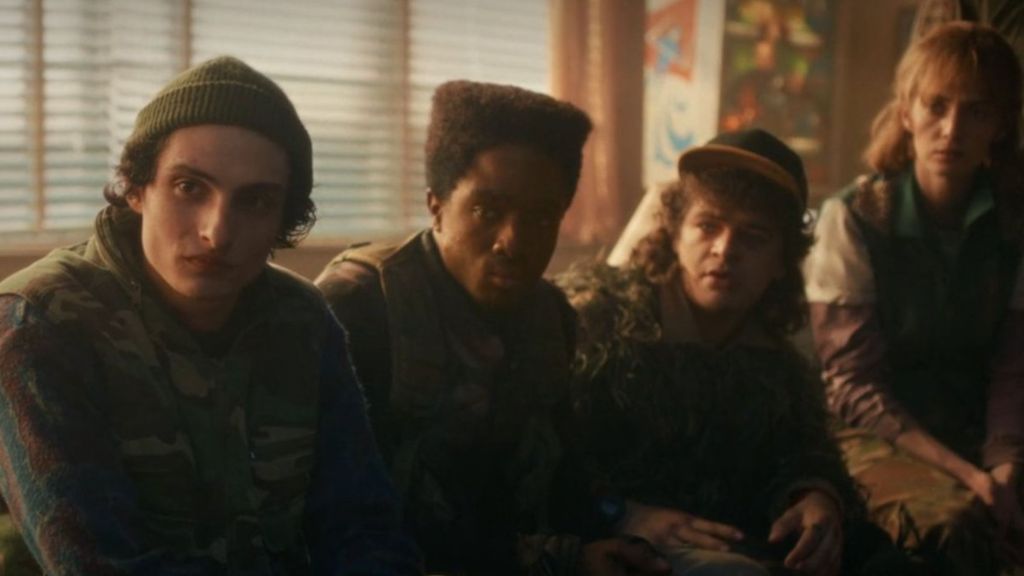
And that ambiguity becomes even clearer when Will mentions that Vecna showed him a vision where people would drift away if he came out. This is a crucial detail for understanding his emotional state, yet the show chooses to tell rather than show it. From an audiovisual storytelling perspective, that’s a missed opportunity. Stranger Things has always excelled at using imagery to communicate trauma, and here it fails to do so. Actually seeing that vision would have added weight to the scene and made Will’s urgency more tangible before the group moves forward with their plan.
To sum up, it’s easy to see both sides of the argument, but when dealing with emotionally resonant themes, structural care matters. The impression is that the script knew exactly where it wanted to go, but didn’t dedicate enough time to figuring out the best way to get there. It’s a powerful, well-intentioned scene that’s slightly mishandled in execution. Still, that doesn’t change the fact that it works. Calling it disappointing feels too harsh. It’s not Stranger Things‘ best-written moment, and it’s far from flawless, but it’s one of its most emotionally impactful — and for a character like Will, that makes all the difference.
What did you think of Will’s coming-out scene? Was it good overall or not at all? Leave a comment below and join the conversation now in the ComicBook Forum!
Most Viewed
-

Crunchyroll -

images courtesy of Walt Disney Studios Motion Pictures