Science fiction has transitioned from a niche interest into a dominant cultural force, with high-budget television productions consistently securing record-breaking viewership numbers. The global success of 3 Body Problem on Netflix and the record-breaking Fallout on Prime Video demonstrate that audiences are increasingly drawn to high-concept narratives that explore the limits of human ingenuity and survival. Apple TV+ has notably positioned itself as a sanctuary for sci-fi, with Severance and Silo garnering critical acclaim for their unique blend of psychological tension and dystopian world-building. As platforms look toward the remainder of 2026, the genre’s dominance shows no signs of waning, with high-profile projects like the live-action Neuromancer adaptation and the expansive Blade Runner 2099 limited series poised to become major hits. These upcoming releases, alongside the return of established hits like Foundation, highlight a strategic shift toward utilizing speculative fiction as a tool for high-prestige storytelling.
Videos by ComicBook.com
While the 21st century has produced numerous critically acclaimed series, a high level of production quality is distinct from the elusive metric of rewatchability. Many modern science fiction projects are intentionally demanding, presenting non-linear timelines or bleak philosophical inquiries that require significant mental labor to process. Conversely, the most rewatchable entries in the genre possess a magnetic quality that invites audiences to return to their worlds without hesitation. Some of these titles offer a sense of comfort through familiar ensemble dynamics and episodic structures that feel inviting after a long hiatus. Other series are so meticulously layered with foreshadowing and hidden details that a second or third viewing becomes a fundamentally different experience.
10) Resident Alien
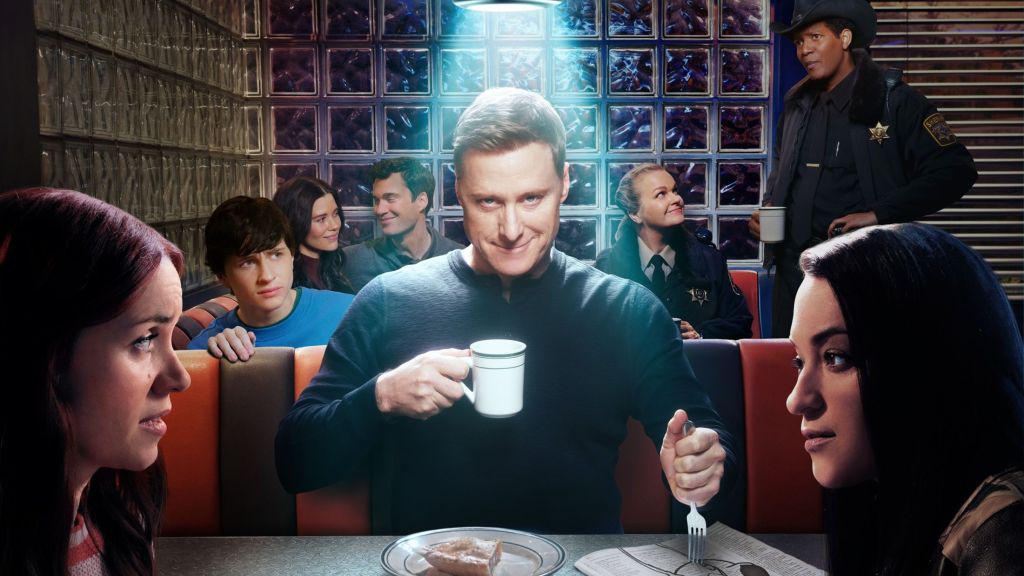
Despite its premature cancellation, Resident Alien remains a standout in modern sci-fi by successfully merging a dark comedy premise with a genuine study of small-town humanity. The series stars Alan Tudyk as Harry, an extraterrestrial assassin who crashes on Earth and assumes the identity of a doctor in a remote Colorado town. While his initial goal is to destroy the human race, the narrative evolves into a humorous and surprisingly poignant exploration of community and social assimilation. The show is exceptionally rewatchable because of the physical comedy and vocal performance delivered by Tudyk, whose attempts to mimic human behavior result in endless comedic friction. Furthermore, the supporting cast in the town of Patience, including Sara Tomko and Alice Wetterlund, provides an emotional anchor that makes the environment feel lived-in and welcoming.
9) Futurama

Although Futurama technically debuted in 1999, the vast majority of its production life and cultural influence occurred within the 21st century across various revivals and streaming continuations. The show remains a pillar of rewatchable animation due to its unique combination of absurd workplace humor and remarkably dense scientific accuracy. The core trio of Philip J. Fry (voiced by Billy West), Turanga Leela (voiced by Katey Sagal), and Bender (voiced by John DiMaggio) provides a reliable foundation for adventures that span the entire universe and every conceivable timeline. One reason the series is so durable is the sheer volume of hidden gags and mathematical easter eggs embedded in the background of almost every scene. Dedicated viewers can spend years identifying all the alien-language ciphers and complex physics jokes that the writing staff, many of whom hold advanced degrees, included for the audience. Simultaneously, the show delivers genuine emotional payoffs that remain powerful even after dozens of viewings.
8) Rick and Morty

The frantic pacing and meta-commentary of Rick and Morty turned it into a cornerstone of adult animation, demanding multiple viewings to capture the full scope of its narrative. Centering on the interdimensional travels of Rick Sanchez (voiced by Ian Cardoni) and his grandson Morty Smith (voiced by Harry Belcher), the series utilizes a multiverse framework to deconstruct and satirize every trope in the science fiction genre. The show is highly rewatchable because it moves so quickly that a single viewing is rarely sufficient to catch all the background references and rapid-fire dialogue. Beyond the cynical humor, the production explores the domestic dysfunction of characters like Beth Smith (voiced by Sarah Chalke) and Jerry Smith (voiced by Chris Parnell), grounding the cosmic absurdity in recognizable human flaws.
7) The Orville

The Orville began its life as a perceived parody of Star Trek but rapidly matured into a sincere and high-quality successor to the optimistic science fiction of the late 20th century. Created by Seth MacFarlane, who also stars as Ed Mercer, the series focuses on the crew of a mid-level exploratory ship as they navigate the ethical and political challenges of the Planetary Union. The rewatchability of the series is rooted in its return to the episodic storytelling format that preceded the streaming era, allowing for a diverse range of narratives that include everything from tense military standoffs to heartfelt social allegories. Furthermore, the chemistry among the bridge crew, specifically Kelly Grayson (Adrianne Palicki) and the stoic Bortus (Peter Macon), creates a sense of camaraderie that makes the ship feel like a tangible workplace. By prioritizing character growth and morality-based storytelling, the series offers a comforting alternative to the more nihilistic entries in the sci-fi genre, making it a frequent choice for fans seeking an inspiring vision of the future.
6) Fringe

Fringe is a rare example of a procedural that successfully evolved into a massive, serialized epic while maintaining the integrity of its initial premise. The narrative follows FBI agent Olivia Dunham (Anna Torv) as she investigates “The Pattern,” a series of paranormal events that eventually lead to the discovery of a parallel universe. The show is a mandatory rewatch for any dedicated sci-fi fan because the writers began planting clues about the Observers and the existence of the alternate reality as early as the first season. Watching the series a second time allows the audience to identify the subtle differences in the environment and character behaviors that signal the influence of the “Other Side.” This blend of character-driven drama and meticulously planned mythology ensures that Fringe remains rewarding, as every episode contributes to a larger puzzle that spans five seasons.
5) Star Trek: Strange New Worlds
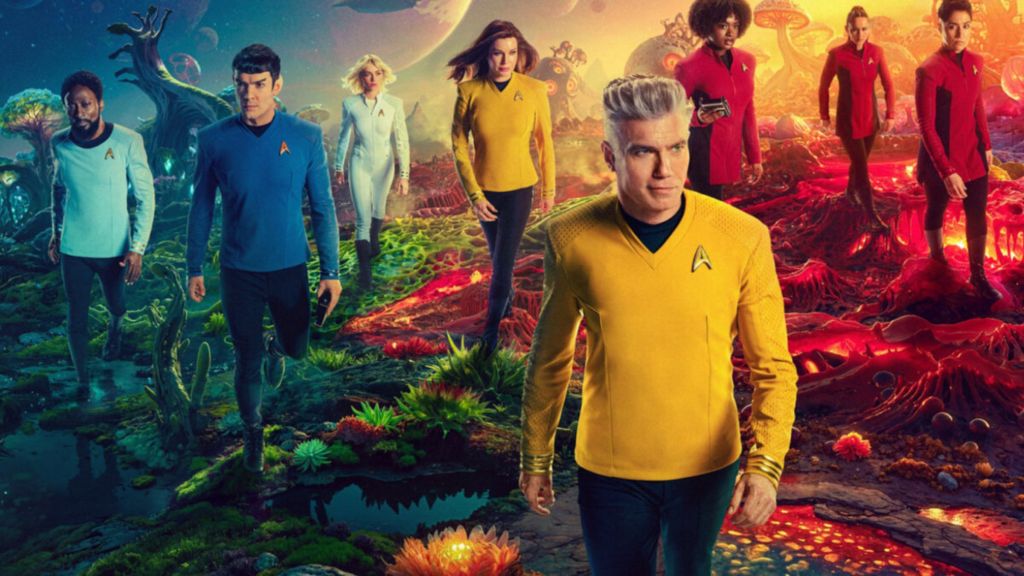
The launch of Star Trek: Strange New Worlds signaled a revitalizing shift for the franchise by re-embracing the episodic “planet of the week” structure that defined the original 1960s series. Starring Anson Mount as Christopher Pike, the show revisits the years when Pike commanded the U.S.S. Enterprise before James T. Kirk took over. Strange New Worlds‘ versatility prevents the material from feeling repetitive and allows individual chapters to stand alone as complete stories. In addition, the cast, including Una Chin-Riley (Rebecca Romijn) and a younger Spock (Ethan Peck), displays a level of chemistry that rivals the best ensembles in the history of Star Trek. By focusing on the thrill of exploration and the virtues of the Federation, the production creates a vibrant and inviting world that fans return to for its sense of adventure and optimism.
4) Dark
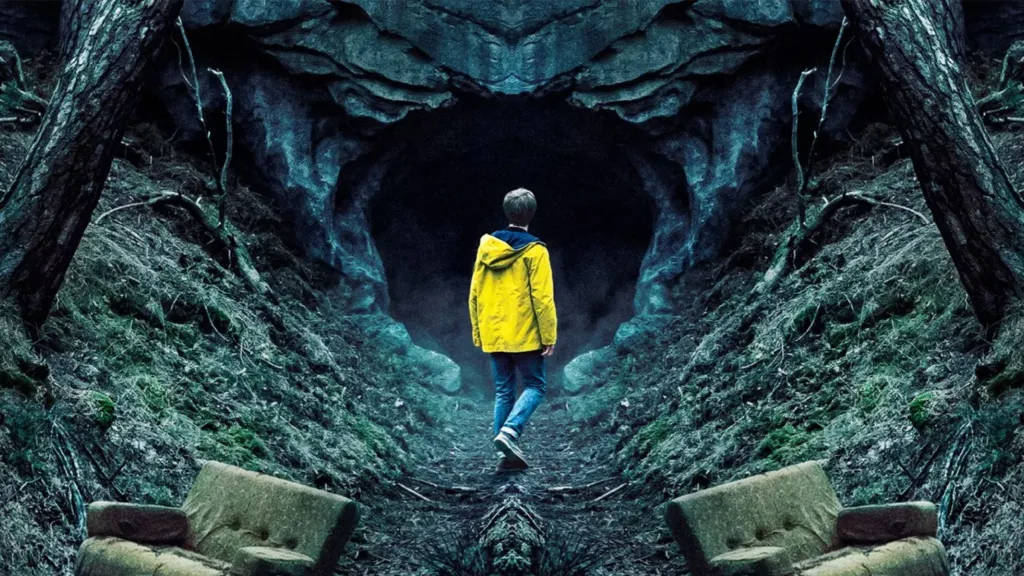
The German-language series Dark is often cited as the gold standard for time-travel narratives, offering a level of complexity that virtually requires multiple viewings to comprehend. Set in the rainy town of Winden, the story follows several interconnected families as they discover a portal that allows them to travel through time, eventually revealing a cycle of tragedy that spans a century. Dark‘s timeline is so intricate that a first watch is often consumed simply by trying to remember which character belongs to which family. That means upon a second viewing, the audience can focus on the tragic inevitability of the choices made by Jonas Kahnwald (Louis Hofmann) and Martha Nielsen (Lisa Vicari). Every line of dialogue and background object is a deliberate piece of a larger machinery, making the process of re-watching Dark feel like solving a massive, high-stakes puzzle. That’s possible due to the production’s commitment to internal consistency, which ensures that the more the viewer scrutinizes the plot, the more the genius of the writing becomes apparent.
3) Orphan Black

Orphan Black remains a landmark of 21st-century science fiction primarily due to the extraordinary performance of Tatiana Maslany, who plays a dozen genetically identical clones with distinct personalities. The plot begins with Sarah Manning (Maslany) witnessing the suicide of a woman who looks exactly like her, triggering a descent into a corporate conspiracy involving human cloning and eugenics. Each clone, from the high-strung Alison Hendrix to the feral Helena, is so well-defined through body language and accent that it is easy to forget they are played by the same actor. Simultaneously, the show is a fast-paced thriller that explores the themes of identity and bodily autonomy with urgency and wit. With huge emotional heights and a well-paced plot, Orphan Black is a highly rewatchable sci-fi series that still sticks to a serialized structure.
2) Stargate Atlantis
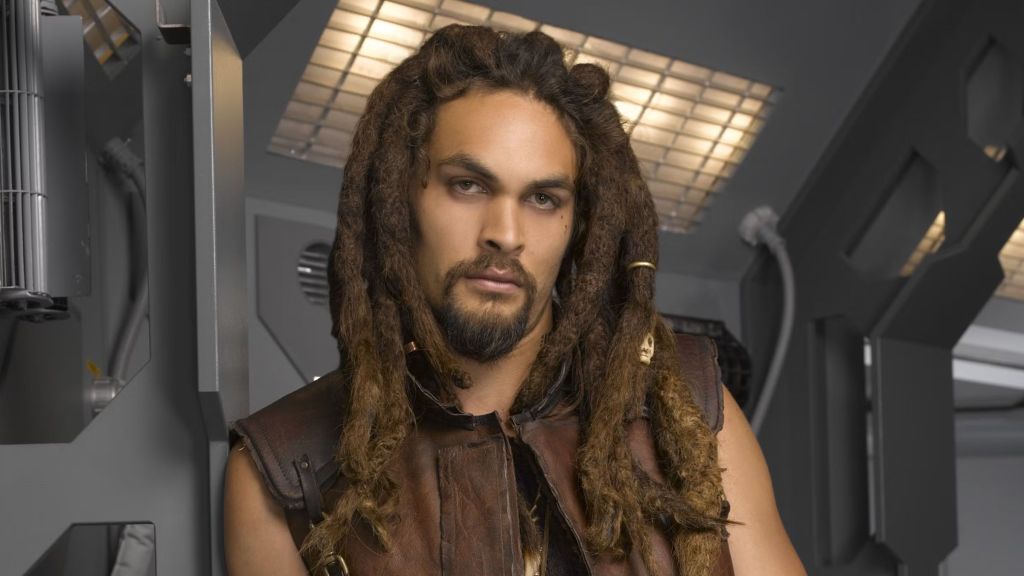
As a spinoff of the highly successful Stargate SG-1, Stargate Atlantis managed to surpass its predecessor in terms of pure rewatchability by leaning into the wonder of an uncharted galaxy. The series follows an international team of scientists and soldiers who travel to the city of Atlantis in the Pegasus Galaxy, only to find themselves stranded and hunted by a predatory race known as the Wraith. The show succeeds as a comfort watch because of the effortless dynamic between the military leader John Sheppard (Joe Flanigan) and the brilliant, if arrogant, Rodney McKay (David Hewlett). This partnership, along with the inclusion of characters like Ronon Dex (Jason Momoa), creates a sense of adventure that is consistently fun and engaging. Furthermore, the episodic nature of the missions allows for a wide variety of sci-fi concepts, while the overarching threat of the Wraith maintains a sense of tension throughout the run.
1) Doctor Who
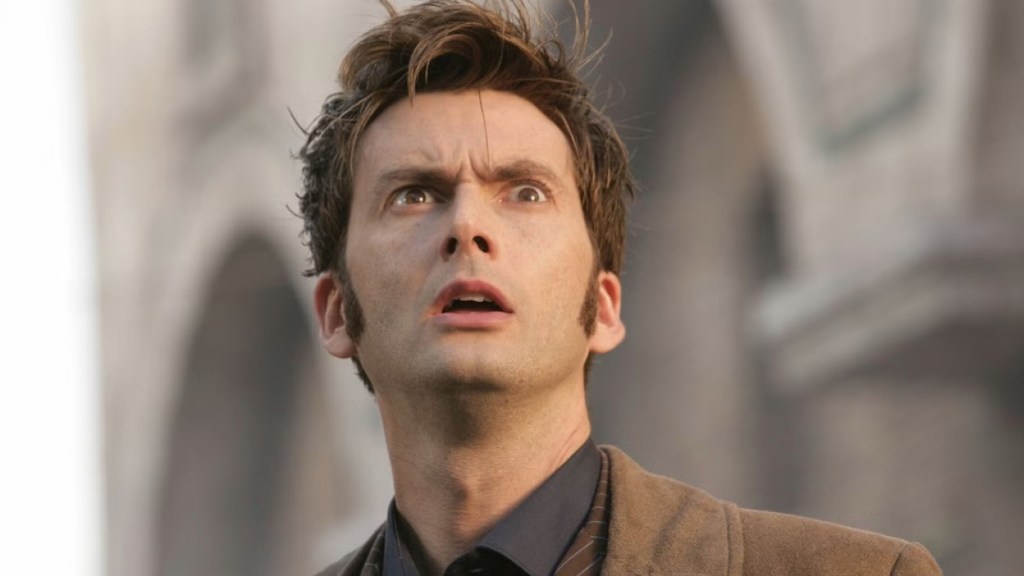
The modern era of Doctor Who is the ultimate rewatchable science fiction experience due to its unique premise that allows the entire show to regenerate alongside its lead actor. Since 2005, the series has followed the travels of a Time Lord who explores the universe in a TARDIS, frequently changing their appearance and personality when mortally wounded. This mechanic has allowed various actors, including David Tennant, Matt Smith, and Ncuti Gatwa, to put their individual stamps on the character while maintaining the core values of curiosity and pacifism. Doctor Who is also famous for changing genres at will, shifting from a historical drama in Victorian London to a terrifying horror story on a distant moon. This variety ensures that there is an era or an episode of the show to match any mood, while the ongoing mystery of the Doctor’s past provides a connective tissue for the larger mythology.
Which 21st-century science fiction series do you find yourself returning to the most for a repeat viewing? Leave a comment below and join the conversation now in the ComicBook Forum!
Most Viewed
-

Image courtesy of Sony -
Image courtesy of Warner Bros. Pictures