The sci-fi genre is one of the most populated in modern pop culture, but there are some that stand out for the wrong reason. Since the creation of science fiction, the genre has kept the attention of fans around the world. It continues to earn huge success, with many of the best sci-fi TV shows becoming absolutely iconic in their own right. As with TV shows in other genres, critical success and consistent viewership are the main paths to a story continuing across multiple seasons, with networks more likely to renew a show with obvious quality and a dedicated viewership.
Videos by ComicBook.com
Unfortunately, sometimes even great shows are cancelled before their time. Throughout the genre’s small-screen history, there have been multiple cancelled sci-fi masterpiece TV shows, and many of the most notable examples still sting even years later. When a show with genuine promise is axed before it can fully deliver, it’s incredibly upsetting to those who were invested in the show in question. As a result, we’re not sure if we’ll ever get over the cancellations of the following sci-fi shows.

5) FlashForward
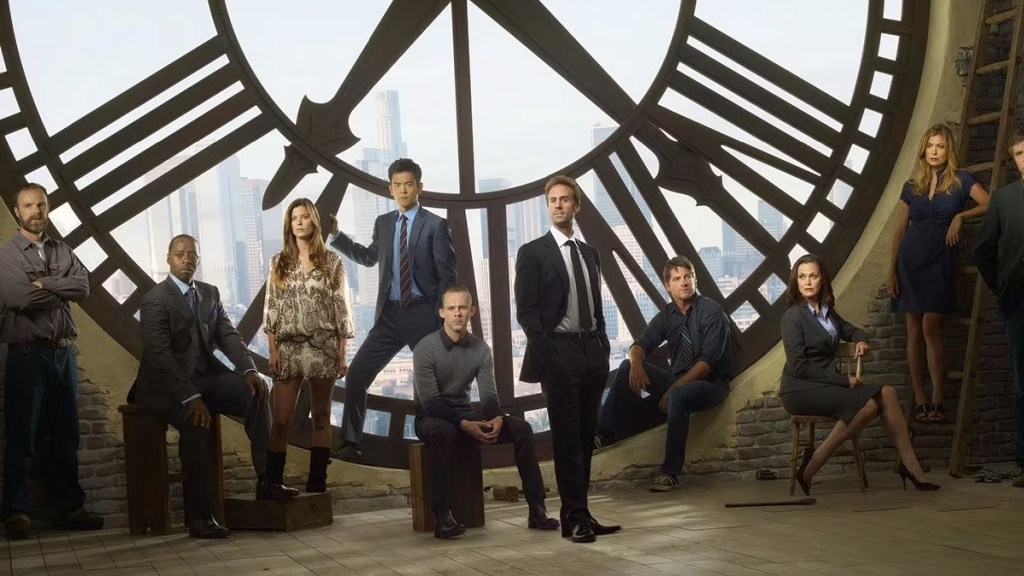
FlashForward‘s sci-fi premise was perhaps less overt than some entries into the genre, but it was undeniably intriguing. The show began with an incident in which most of humanity blacks out simultaneously, receiving a small glimpse into their respective futures, and then followed a group of people investigating its origin and meaning. Its first season ended on a cliffhanger that will never be resolved due to its unceremonious cancellation, wasting its potential and leaving things on an infuriatingly unsatisfying note.
4) Almost Human
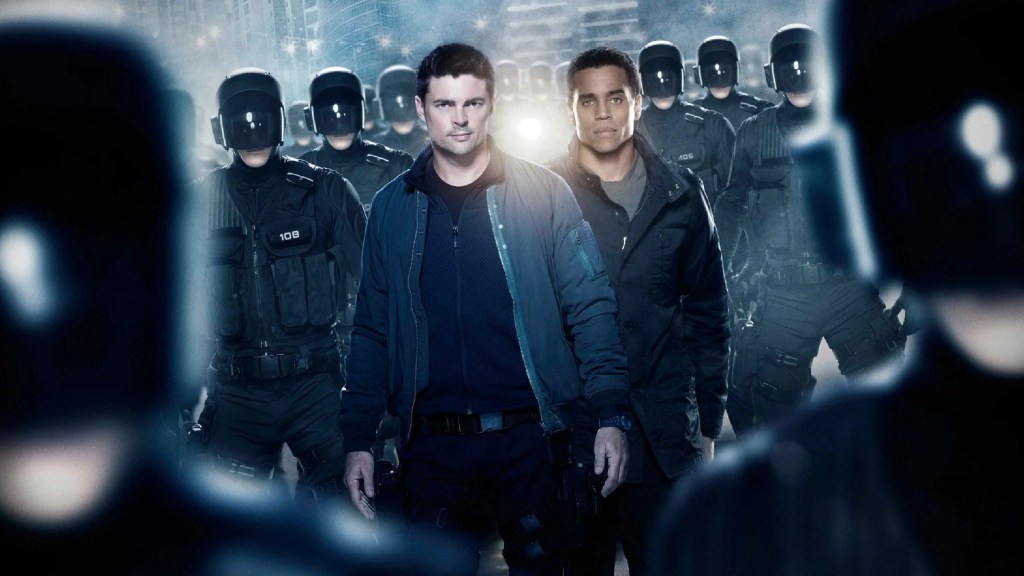
Almost Human might be a relatively obscure sci-fi TV show, but it’s also one whose cancellation stung fans who had grown attached to its premise and characters. It starred Karl Urban as a technophobic human police officer reluctantly partnered with an android officer, played by Michael Ealy. Almost Human‘s combination of a crime drama story with a sci-fi premise was excellent, and the performances of its two main actors also lent the show an air of tense odd-couple chemistry. Almost Human was then cancelled after just one season, despite the clear potential it had to continue and further expand its wider narrative and the individual stories of its characters.
3) Counterpart

There are several great cancelled sci-fi shows that nobody talks about enough, and Counterpart has earned its place among them. Starring JK Simmons, the series followed Howard Silk, a mild-mannered UN office worker, who learns that his workplace oversees a checkpoint between two separate realities, the other of which features a version of him that is a ruthless intelligence operative. Its two-season, 20-episode run was lauded by critics, but it was sadly axed before it could really cement a wider following. It’s a shame, as there was more for Counterpart to offer, making its cancellation a bitter pill to swallow for those who were invested in Silk’s story.
2) The OA
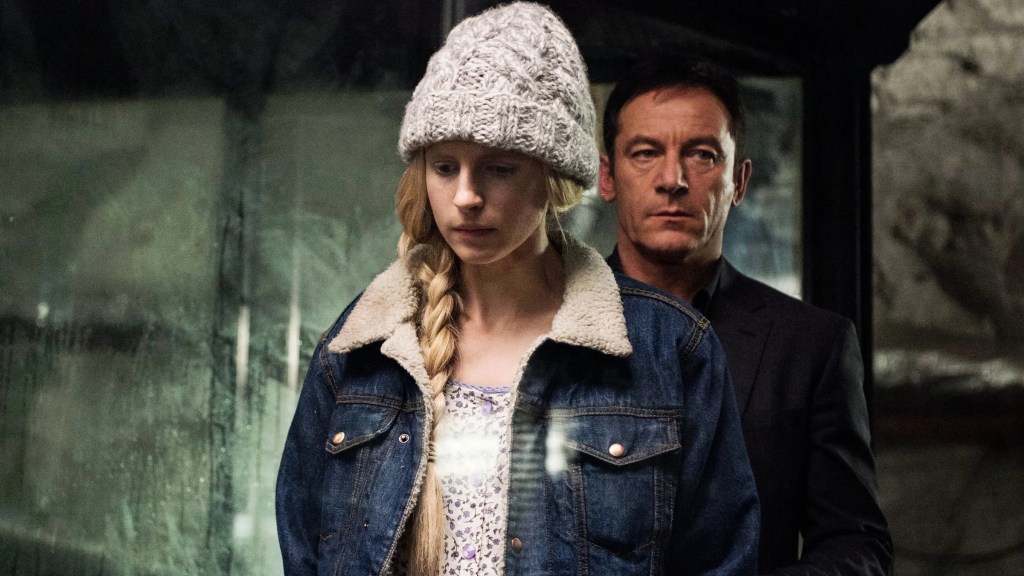
Remembered as one of Netflix’s great sci-fi shows, The OA‘s reputation is prominent not just for the show’s quality, but for the premature nature of its cancellation. Its narrative followed the unexplained return of a blind young woman named Prairie Johnson who resurfaces years after disappearing with her eyesight miraculously restored. Its complex and thought-provoking story gripped audiences around the world, but Netflix ultimately made the decision to end the show after its second season, cutting it drastically short and preventing viewers from ever being able to witness the natural conclusion of its exceptional narrative.
1) Firefly
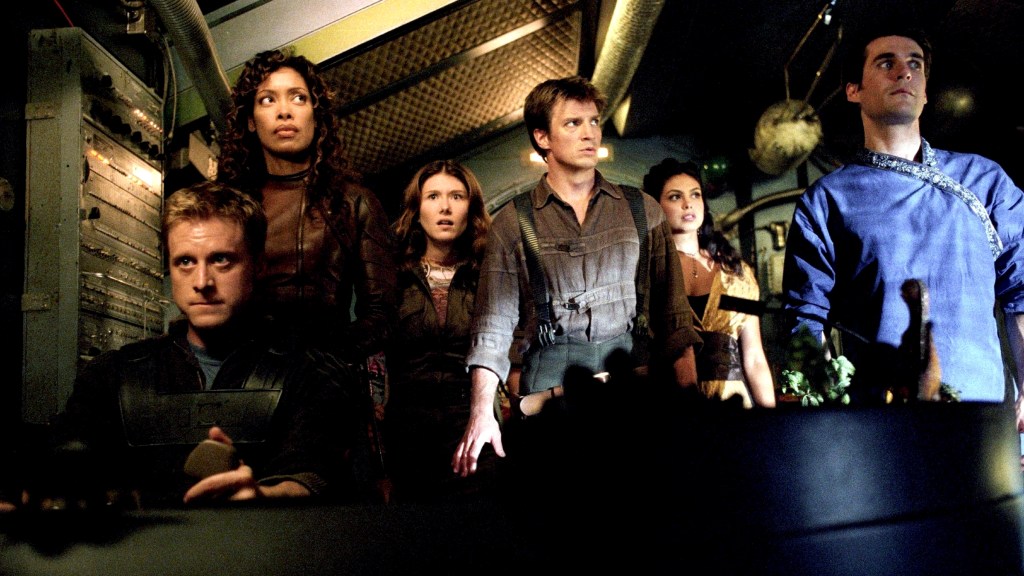
Firefly is one of the most famous fumblings in sci-fi history, as the space Western was axed after just 14 incredible episodes. The sci-fi show managed to continue after being cancelled, with a feature-length movie and multiple comic books and novels fleshing out its world. Sadly, the prospect of several missed years of Firefly on our screens is something that’s hard to just accept, as the show was utterly exceptional from the very beginning. How its cancellation ever seemed a good idea we’ll never know, and that’s a big part of what makes it so hard to get over, even more than two decades later.
What do you think? Leave a comment below and join the conversation now in the ComicBook Forum!
More TV Shows
-

Image Courtesy of Marvel -
Courtesy of The Walt Disney Company -
Courtesy of Hulu -
Image Courtesy of 20th Century Animation -
Image Courtesy of DC Comics