The founding of Image Comics in 1992 marked a seismic shift in the comic book industry, challenging the established work-for-hire models of Marvel and DC. By prioritizing a creator-owned structure, the company allowed writers and artists to retain full intellectual property rights over their work, effectively incentivizing original storytelling that deviated from traditional superhero tropes. This radical approach to business led to the emergence of high-concept narratives that eventually transformed the comic book landscape. From the early supernatural grit of Spawn to the massive global success of The Walking Dead, Image proved that independent properties could achieve a level of commercial dominance once reserved exclusively for the “Big Two.”
Videos by ComicBook.com
As television audiences increasingly gravitate toward serialized dramas, the Image Comics catalog has become an essential resource for streaming platforms seeking the next cultural phenomenon. The recent acclaim surrounding the Invincible animated series demonstrates that the bold risks taken by Image creators translate effectively into the prestige TV format. Because the company’s model encourages creative autonomy, its library is saturated with experimental genre-bending stories that possess the narrative depth required for television adaptations.
5) Phonogram
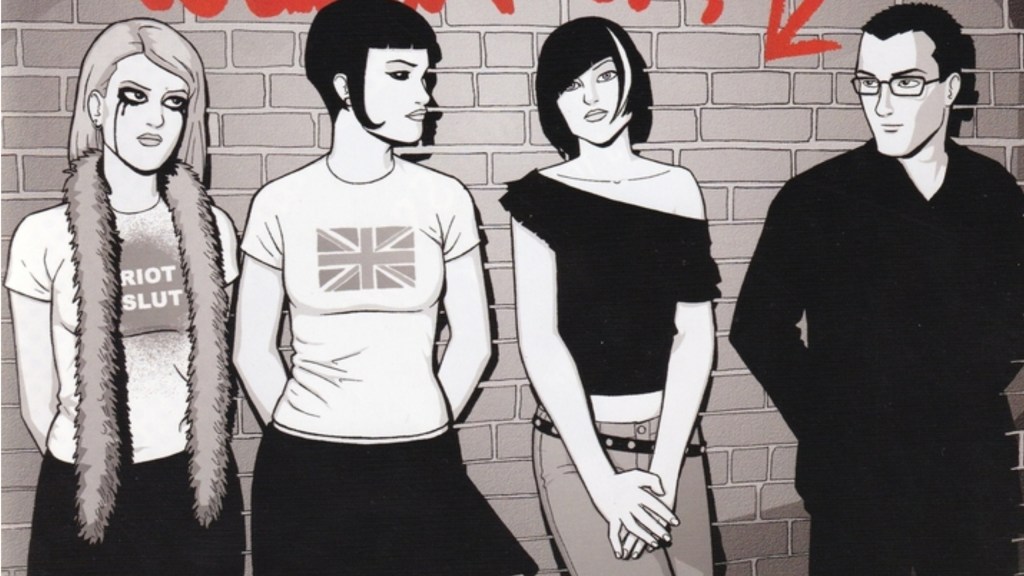
Created by Kieron Gillen and Jamie McKelvie, Phonogram presents a world where music functions as a literal source of occult power. The narrative centers on “phonomancers”—individuals like David Kohl and Emily Aster—who utilize the emotional resonance of pop songs and indie anthems to cast spells and navigate a hidden supernatural subculture. This concept of “pop-occultism” makes the property an ideal candidate for a television adaptation, as it provides a unique opportunity for a curated soundtrack to drive the visual storytelling.

Unlike many fantasy series that rely on generic magical systems, Phonogram treats the act of listening to music as a transformative experience, offering a stylish aesthetic that blends urban fantasy with British music history. A television series could utilize a rotating focus on different musical eras or genres, mirroring the structure of the comic’s various volumes, like The Singles Club. While the creators eventually found massive success with The Wicked + The Divine, which shares similar themes, the more intimate and grounded nature of Phonogram remains a perfect fit for a boutique streaming series.
4) Criminal
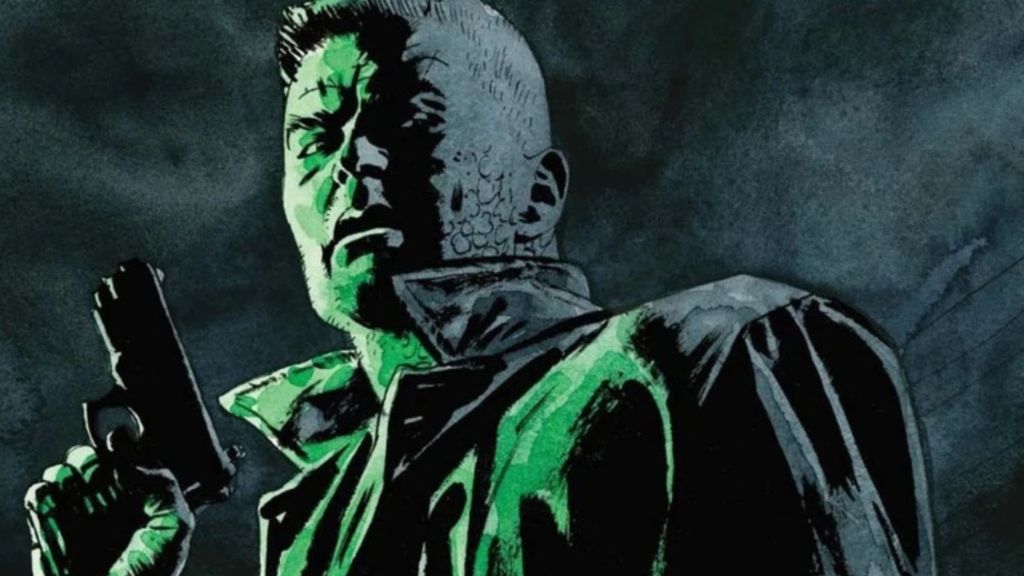
Ed Brubaker and Sean Phillips established the gold standard for modern noir with Criminal, an interconnected series of heist stories and revenge tragedies set in the fictional Center City. The narrative architecture of the comic is built on the legacies of criminal families, where the sins of one generation frequently dictate the survival of the next.
Criminal‘s character-driven approach is currently being brought to life for Prime Video as a major television production expected to debut in 2026. The series features an impressive ensemble cast, including Charlie Hunnam as the tactical mastermind Leo, Emilia Clarke as the femme fatale Mallory, and Luke Evans as the vengeful Tracy Lawless. By utilizing co-showrunners Brubaker and Jordan Harper, the production aims to preserve the cynical realism and atmospheric dread that made the source material a critical hit. If the TV series mimics the comic’s ability to shift perspectives between different protagonists while maintaining a cohesive underworld timeline, Prime Video has a major hit in its hands.
3) Pax Romana
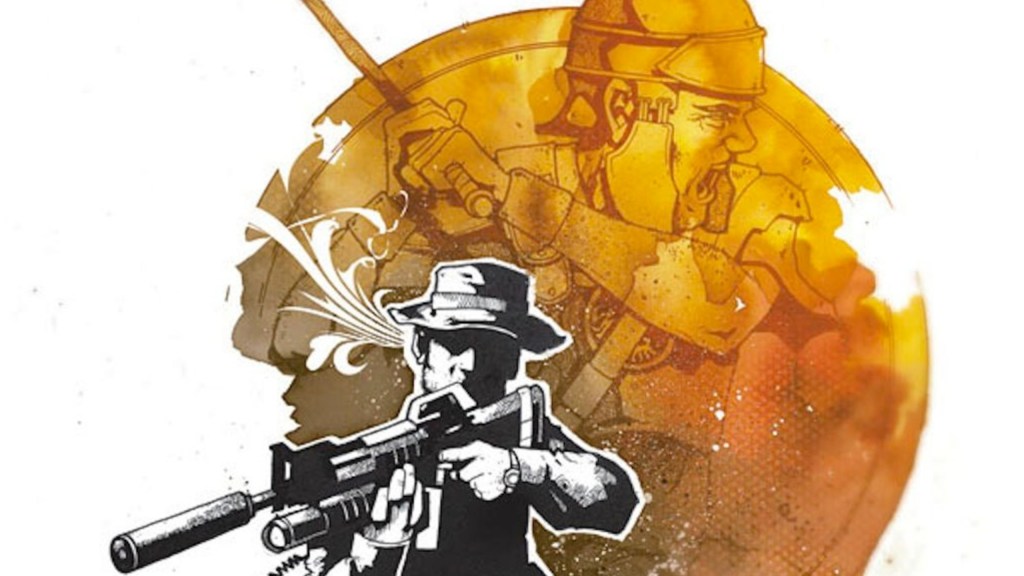
Jonathan Hickman’s Pax Romana is a high-concept political thriller that explores the ethical and logistical consequences of large-scale time travel. The story follows a modern-day Vatican research team that discovers the secret of temporal displacement and decides to send an elite Special Forces unit back to 312 CE. Their objective is to ensure the dominance of the Catholic Church by arming the Roman Emperor Constantine with 21st-century military technology.
Pax Romana‘s premise offers a fascinating intersection of alternate history and sociological theory, as the modern soldiers struggle with the realization that they cannot simply rewrite history without creating new, unforeseen conflicts. Syfy previously attempted to adapt the four-issue miniseries in 2014, but the project ultimately stalled in development. Given the current industry interest in alternate history epics like The Man in the High Castle and For All Mankind, a new adaptation of Pax Romana could serve as a provocative examination of religious authority and the destructive potential of technological superiority.
2) DIE
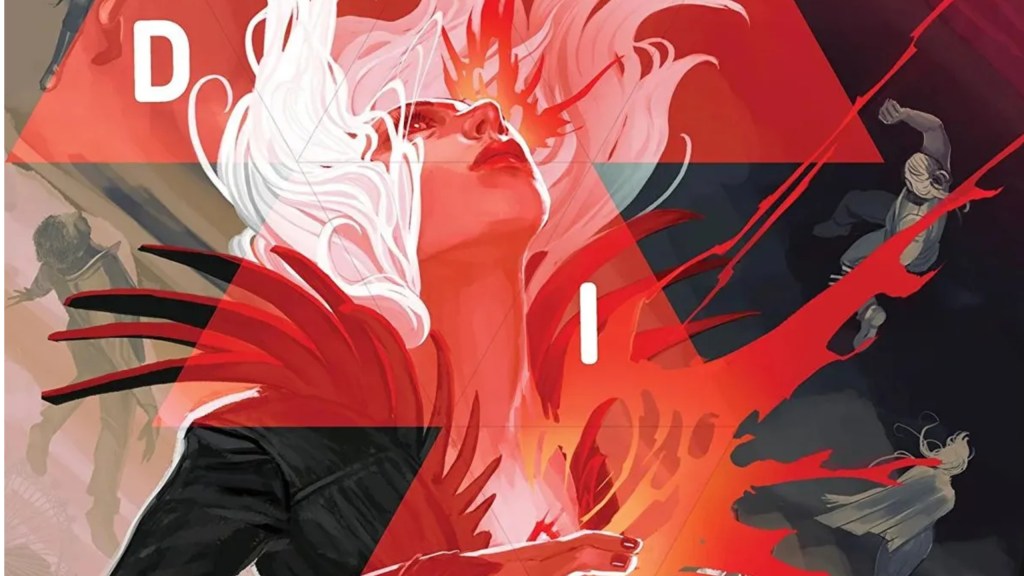
Often described by creators Kieron Gillen and Stephanie Hans as “Goth Jumanji,” DIE is a deconstruction of the tabletop role-playing game genre that prioritizes psychological trauma over traditional fantasy tropes. The narrative follows a group of adults who are dragged back into a nightmarish fantasy world they first disappeared into as teenagers, forcing them to confront the horrific consequences of the choices they made as children. This meta-commentary on the nature of escapism makes DIE a compelling prospect for a television series, particularly as interest in role-playing games like Dungeons & Dragons has entered the mainstream.
The visual potential of a DIE series is immense, as a production could contrast the drab reality of the protagonists’ adult lives with the hyper-stylized and often terrifying landscapes of the game world. With the comic recently receiving a sequel titled DIE: Loaded in late 2025, the brand’s profile has remained high within the industry. A television adaptation would offer a somber, sophisticated alternative to the more optimistic fantasy offerings currently populating the market.
1) Tokyo Ghost
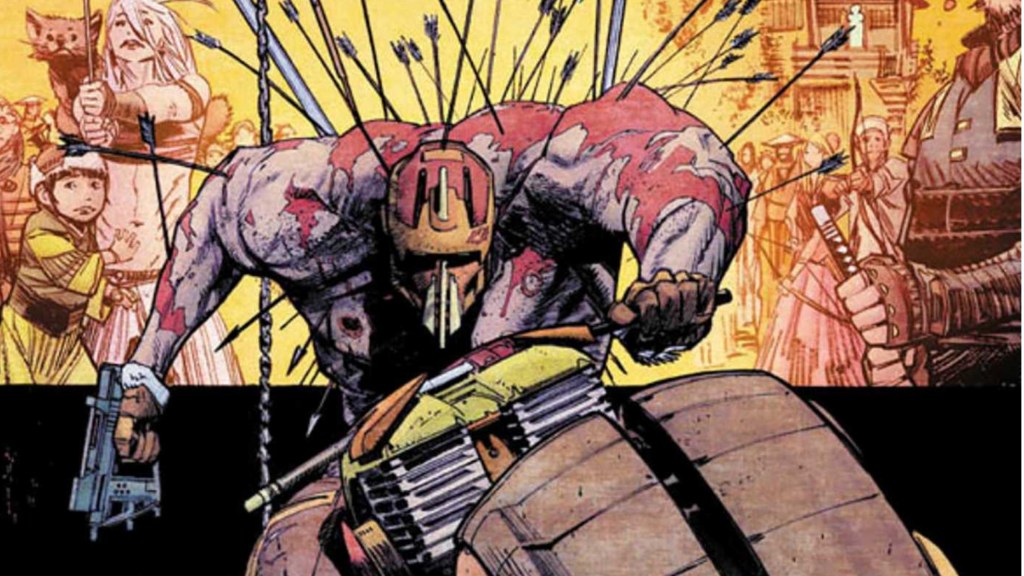
Rick Remender and Sean Murphy delivered a visceral critique of digital saturation and tech addiction in Tokyo Ghost, a cyberpunk odyssey set in the Isles of Los Angeles in the year 2089. The plot follows peacekeepers Debbie Decay and Led Dent, who serve a society that is entirely addicted to constant electronic stimulation and social media validation. When they are assigned a mission to the last tech-free nation on Earth—the garden paradise of Tokyo—the narrative shifts into a poignant love story about the struggle to find human connection in a world filled with artificial noise.
Legendary Entertainment previously secured the film rights for Tokyo Ghost with director Cary Fukunaga attached to helm the project, yet the episodic nature of the protagonists’ journey through different “Isles” suggests that a prestige television format would be more suitable. Plus, the property’s heavy focus on corporate control and environmental decay provides a relevant social commentary that aligns with the darker trends of modern science fiction. Ultimately, Tokyo Ghost possesses the visual grandeur and emotional weight necessary to become a definitive entry in the cyberpunk television canon.
Which Image Comics series do you think has the most potential to become a massive television hit? Leave a comment below and join the conversation now in the ComicBook Forum!
Most Viewed
-
Image Courtesy of Netflix -
Image Courtesy of Prime Video