
The Prime Video adaptation of The Boys represents a sophisticated evolution of its source material rather than a direct replication of the early 2000s comic book series. While the original work by Garth Ennis and Darick Robertson functioned as a vitriolic satire of the comic book industry and the traditional tropes of superhero fiction, the television show shifts its focus toward the intersection of celebrity culture, corporate media, and extremist politics. This transition is essential for the story’s longevity, as it allows the narrative to remain culturally relevant today. That means, by acknowledging that the media landscape has fundamentally changed since the comic’s inception, The Boys‘ showrunners have created an adaptation that understands which elements of the premise are evergreen and which require modernization for a television format.
Videos by ComicBook.com
The Boys‘ commitment to thematic evolution results in drastic alterations to the series’ internal logic and visual presentation. For example, the production opted for transforming the comic’s Nazi powerhouse Stormfront into a media-savvy extremist portrayed by Aya Cash, and reimagined the corporate handler Madelyn Stillwell (Elisabeth Shue) as a manipulative maternal figure. Furthermore, the TV show introduces entirely new dynamics, such as the survival of Becca Butcher (Shantel VanSanten) and the existence of Ryan Butcher (Cameron Crovetti). The show also drastically shifts the power balance by removing the titular group’s default usage of Compound V, forcing the characters to operate as vulnerable fugitives rather than government-sanctioned superhumans. Despite these deviations, the core psychological profiles of the primary cast of The Boys remain remarkably consistent.
5) The Legend

The character known as The Legend functions as an encyclopedia of Vought’s dirty secrets, and Paul Reiser’s portrayal captures the cynical, weary essence of this industry veteran. In the comics, the character is a direct parody of legendary industry figures, operating out of a cluttered comic book shop and offering Butcher the historical context needed to take down the Seven. The television adaptation relocates him to a high-end apartment and frames him as a former Vought executive, yet his role in the narrative remains identical. He possesses a deep-seated contempt for the heroes he helped create and a pragmatic understanding of how the corporate machine hides its failures. This historical perspective is vital for the world-building of The Boys, as it connects the current era of superheroes to the “Golden Age” of Vought.

4) Mother’s Milk

Mother’s Milk (Laz Alonso), the methodical coordinator of the team, is defined by his obsessive-compulsive tendencies and his role as the group’s “mother.” In the comics, he is the only member of the team whose life remains relatively stable until the return of Butcher (Karl Urban), and the television show replicates this dynamic by emphasizing his desire to protect his daughter and ex-wife. The show also handles his obsessive need for order as a coping mechanism for the chaos of his environment, a trait pulled directly from the pages of Ennis’s work. Furthermore, Mother’s Milk (Laz Alonso) serves as the primary check on Butcher’s impulses, providing the tactical discipline required to keep the group functioning under pressure. While Mother’s Milk’s comic book origin involves a different set of family tragedies, his internal conflict between his duty to the mission and his love for his family is a perfect reflection of the original material.
3) Annie January, aka Starlight

Annie January (Erin Moriarty), better known as Starlight, acts as the moral anchor of the story, and her journey from naive newcomer to disillusioned rebel is a foundational element of both the comic and the series. Upon entering the Seven, Annie discovers that the world of professional superheroes is a landscape of systematic abuse and corporate indifference. This realization forces her to reconcile her religious upbringing and genuine desire to do good with the grimy reality of her peers’ behavior. While the show expands her role by turning her into a political figurehead for a resistance movement, her personality remains rooted in the earnestness and eventual resilience seen in the comics. Her relationship with Hughie Campbell (Jack Quaid) provides the same grounding influence for the team, maintaining her status as the rare member of the Seven who retains a shred of genuine heroism.
2) Billy Butcher
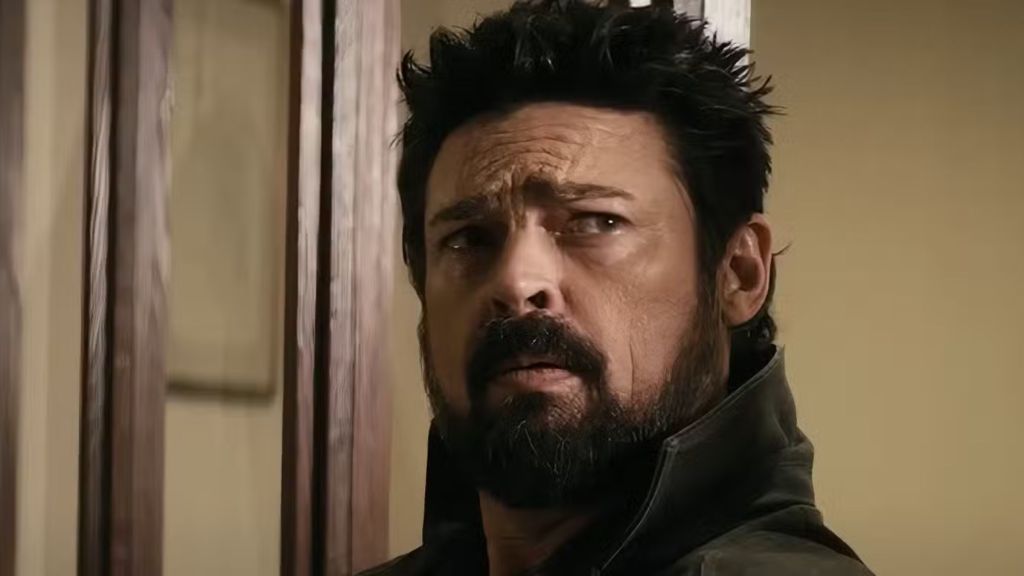
Billy Butcher serves as the cold, black heart of The Boys, and Urban provides a performance that mirrors the unyielding brutality of his comic book counterpart. In the original text, Butcher is a tactical genius whose hatred for Supes is uncompromising, often leading him to manipulate his own teammates to achieve his objectives. The Prime Video series maintains this ruthless personality, depicting a man who viewed the death of his wife, Becca, as the catalyst for a global crusade against Vought. Although the television storyline allows Becca to survive for several seasons—a significant departure from the comics, where she dies during a traumatic childbirth—Butcher’s reaction to his loss remains consistent. He remains a “scorched earth” operative who treats morality as an obstacle to efficiency, and the series’ commitment to the character’s sociopathic tendencies ensures that the television version of Butcher preserves the most critical traits of the original anti-hero.
1) Homelander
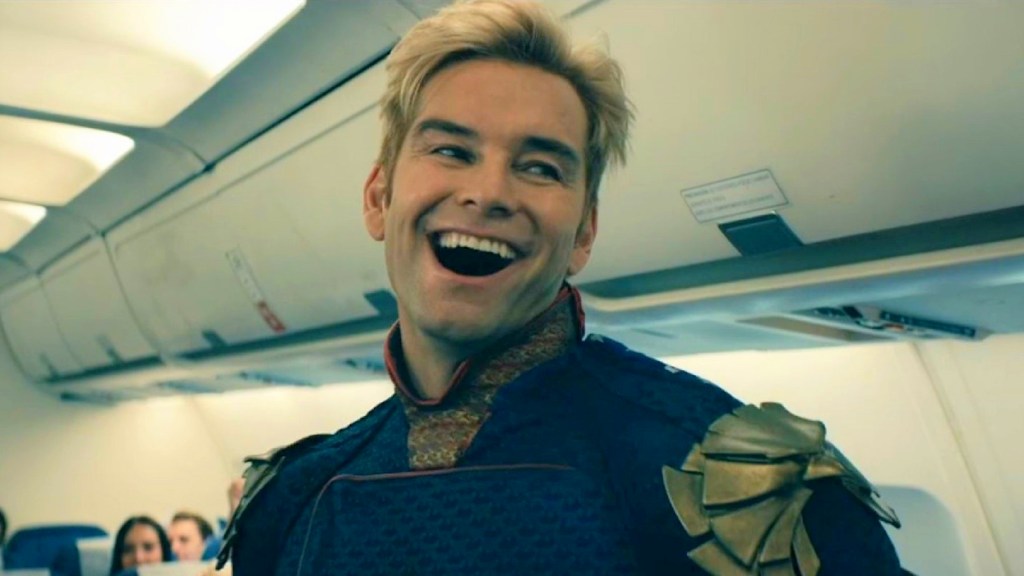
Antony Starr has become synonymous with the character of Homelander, delivering a performance that replicates the source material’s psychological depth. In the comics, the leader of the Seven is a fragile narcissist whose immense power is fueled by a desperate need for external validation and a fundamental lack of guidance. The television series replicates this perfectly, focusing on the character’s terrifying unpredictability and his tendency to treat human life as a collection of marketing variables. While the narrative surrounding Homelander’s origins and his eventual fate differs—specifically with the removal of the Black Noir clone twist—the fundamental essence of the character as an indifferent, man-child deity remains the most accurate translation in the entire show. Starr captures the exact blend of corporate branding and unchecked psychopathy that marked the character on the page, ensuring that Homelander remains the definitive cautionary tale of absolute power in any medium.
Which character in Prime Video’s The Boys do you wish were more comic-accurate? Leave a comment below and join the conversation now in the ComicBook Forum!
