TV cancellations are no longer as definitive as they used to be, as a growing number of streaming services have allowed series to find a second life after being axed. Driven by passionate fan campaigns and the insatiable content demands of streaming, deceased properties frequently find unexpected resurrections. This revival culture has allowed expansive science fiction epics like The Expanse to transition from traditional cable to Prime Video, securing the necessary funding to reach a natural narrative conclusion. Similarly, massive viewer mobilization led NBC to rescue Brooklyn Nine-Nine immediately after Fox dropped the workplace comedy, while Netflix resurrected canceled broadcast hits like Lucifer and Manifest.
Videos by ComicBook.com
However, while a network transition provides a temporary lifeline, the newly acquired programming must still navigate the shortcomings that triggered the original demise. Relocating a production frequently involves drastic budget reductions, creative compromises, and the challenge of rebuilding audience momentum on a completely different platform. When these projects fail to meet the heightened expectations of their corporate saviors, the inevitable result is a second cancellation.
5) Designated Survivor
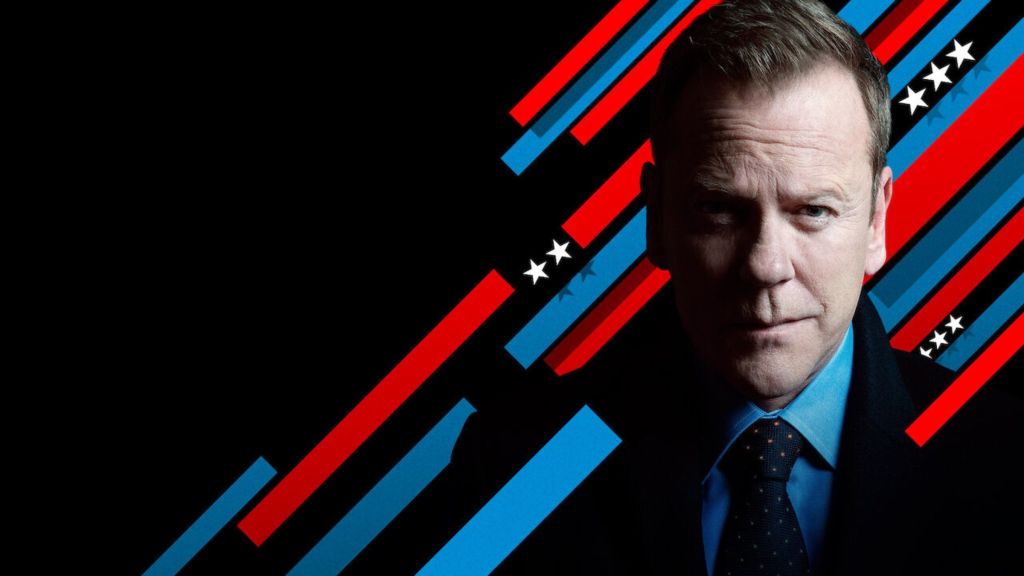
Designated Survivor captured a massive audience by combining a high-stakes terrorism premise with the procedural elements of an Oval Office drama. The narrative follows Tom Kirkman (Kiefer Sutherland), a low-level cabinet member thrust into the presidency after a catastrophic attack wipes out the entire government. However, despite strong initial ratings, the production suffered from continuous behind-the-scenes turmoil, cycling through multiple showrunners over two seasons. This creative instability led to a sharp decline in viewership, prompting ABC to pull the plug on the ambitious project.

The abrupt ending mobilized a dedicated international fanbase, ultimately convincing Netflix to commission a third season of Designated Survivor. The streaming environment allowed the writers to adopt a more serialized approach that shed the constraints of broadcast television, introducing a grittier political tone. The change ultimately failed to generate the necessary engagement, and Netflix officially terminated the series after a single ten-episode run.
4) One Day at a Time

The modern reimagining of One Day at a Time stood out as a critical darling for its poignant exploration of Cuban-American life, mental health, and LGBTQ+ identity. The story centers on Penelope Alvarez (Justina Machado), a newly single military veteran navigating the challenges of raising two teenagers while sharing a home with her theatrical mother, Lydia Riera (Rita Moreno). The deeply empathetic sitcom initially thrived on Netflix, utilizing the classic multi-camera format to deliver sophisticated social commentary wrapped in genuine warmth. However, the streaming giant shocked the industry by canceling the production after three seasons, citing insufficient viewership numbers.
Pop TV stepped in and saved the sitcom for a fourth season, but the victory was immediately undermined by global events. The onset of the COVID-19 pandemic severely disrupted the shooting schedule, forcing the creative team to halt production and release a truncated animated special just to fill the void. Following corporate restructuring at ViacomCBS, Pop TV abandoned its original programming slate entirely, leaving the resilient Alvarez family without a home once again.
3) Tuca & Bertie

Created by Lisa Hanawalt, Tuca & Bertie used a surreal aesthetic to articulate the complexities of millennial anxiety, female friendship, and adult trauma. The animated comedy focuses on the co-dependent dynamic between an impulsive toucan named Tuca (voiced by Ali Wong) and an anxious songbird named Bertie (voiced by Tiffany Haddish) as they navigate personal and professional hurdles in Bird Town. The first season earned universal acclaim for its visual ingenuity and emotional intelligence, but Netflix unexpectedly canceled the project just months after its debut. A vocal campaign by fans and critics eventually caught the attention of Adult Swim, a network renowned for harboring unconventional animation.
The relocation of Tuca & Bertie allowed the creative team to produce two additional seasons that further deepened the psychological scars of the protagonists while maintaining the signature absurdist humor. Sadly, corporate mergers and shifting programming strategies at Warner Bros. Discovery led to a massive purge of animated content. Adult Swim formally axed the show following its third season, extinguishing one of the most inventive comedies on television.
2) Community
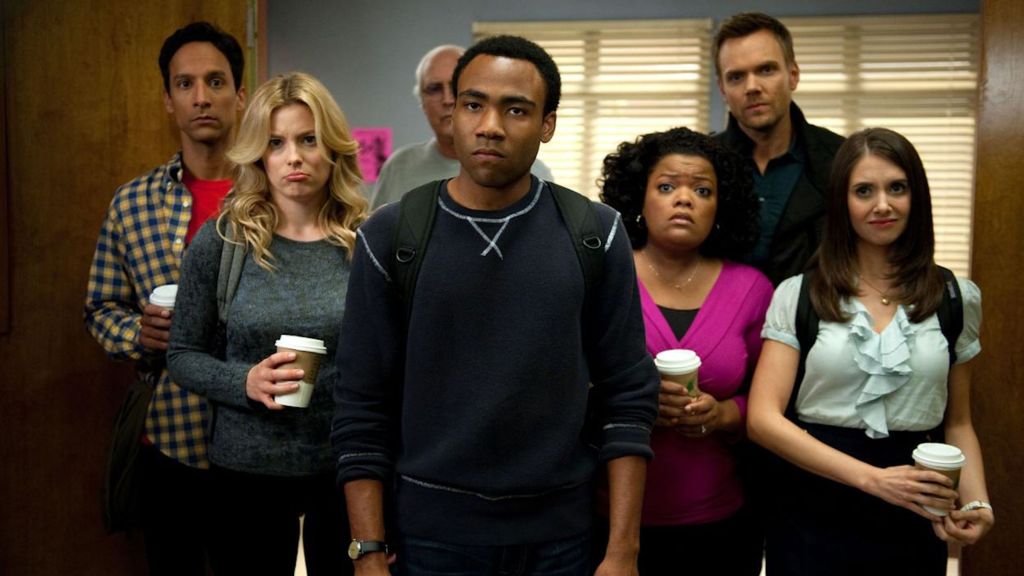
The history of Community is defined by a chaotic struggle for survival that mirrors the neurotic energy of the show itself. The series chronicles the misadventures of Jeff Winger (Joel McHale) and a disparate study group as they navigate the absurdities of Greendale Community College. From its inception, the sitcom operated on the fringes of mainstream success, relying on a fiercely loyal cult following to endure constant threats of cancellation. NBC ultimately severed ties with the production after a deeply polarizing fifth season, effectively sealing the fate of the acclaimed comedy on broadcast television.
In a surprising turn of events, the fledgling streaming service Yahoo! Screen acquired Community for a sixth season, hoping to legitimize its original video platform. The resurrection gave creator Dan Harmon the freedom to craft a poignant and highly meta conclusion for his beloved characters. The artistic triumph was overshadowed by a colossal corporate failure, as Yahoo suffered a massive financial write-down and abruptly shut down its streaming division. To this day, fans eagerly await the prophesied feature film, which was greenlit by Peacock in 2022 but remains delayed well into 2026.
1) Futurama
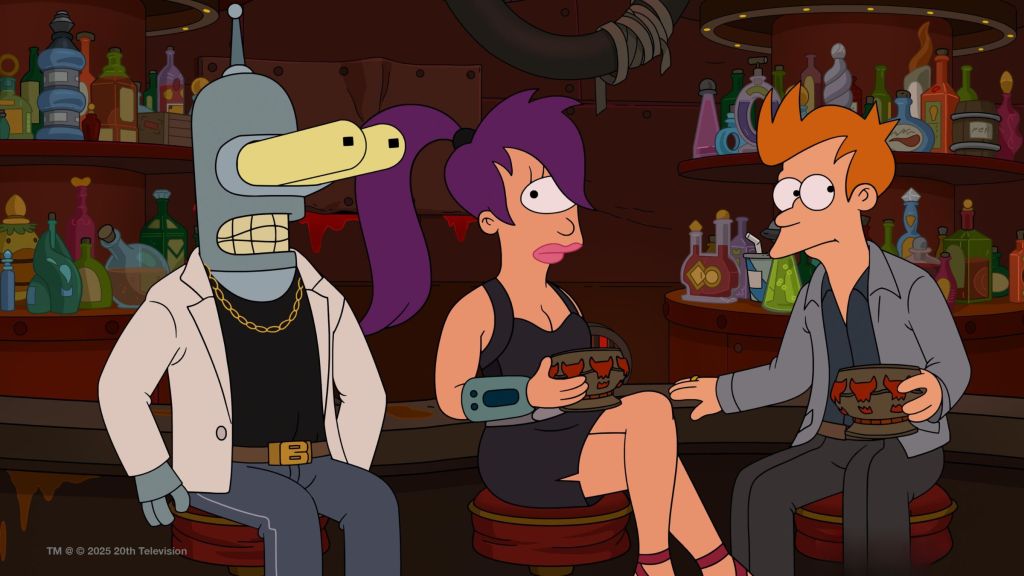
Matt Groening’s sci-fi epic Futurama follows Philip J. Fry (voiced by Billy West), a slacker cryogenically frozen in 1999 who awakens a thousand years later to work for an interplanetary delivery company. Fox initially mishandled the property by constantly preempting its timeslot, resulting in a quiet cancellation in 2003. The show subsequently found a massive second audience through syndicated reruns and robust DVD sales, prompting Comedy Central to commission four straight-to-video films that were later chopped up into a fifth season.
Comedy Central’s successful experiment led the company to order two additional seasons of Futurama, allowing the writers to produce deeply philosophical narratives that won multiple Emmy Awards. The network eventually ended that run in 2013, providing a beautiful series finale that seemingly closed the book on the Planet Express crew. A decade later, Hulu revived Futurama once again, ordering fresh batches of episodes that have kept the franchise running strong through 2026. This cyclical pattern of death and rebirth proves that a brilliant universe can continuously cheat cancellation, reinventing itself for entirely new eras of television.
Which twice-cancelled television show do you think deserved to survive for another season? Leave a comment below and join the conversation now in the ComicBook Forum!
More TV Shows
-

Disney & Aardman -
Image Courtesy of Netflix -

Image Courtesy of DC Studios